Spring is the most valuable season for outdoor advertising. The combination of increased pedestrian traffic, genuine consumer mood lift, longer daylight hours, and concentrated outdoor consumer activity creates conditions that no other season matches for street-level brand campaigns. Brands that plan for spring execution – and plan early enough to execute well – capture a seasonal advantage that reactive planners miss.
American Guerrilla Marketing runs spring campaigns across 50+ U.S. markets every year, from early-season programs in March through the final spring push in May and early June. We’ve executed spring activations for food and beverage brands, entertainment launches, fashion collections, fitness products, and consumer apps – in every major U.S. city. This guide is what we know about building spring campaigns that actually work in outdoor environments.
If you’re planning a spring campaign – or evaluating whether you should be – this is the operational and strategic context you need.
Why Spring Is the Premium Season for Street-Level Advertising
The case for spring advertising isn’t complicated. After months of winter that reduce outdoor time, increase indoor media consumption, and lower general consumer receptivity to new brand encounters, spring produces a measurable behavioral shift. People are outside more. They’re in more positive emotional states. They’re visiting markets, parks, outdoor dining areas, events, and cultural spaces at rates that winter can’t match.
For outdoor advertising formats – wheatpasting campaigns, sidewalk stencils, street-level sampling, brand ambassador programs, LED billboard trucks – spring means more eyeballs per deployment, more receptive consumers, and more social contexts where brand encounters feel natural rather than intrusive. The return on outdoor advertising investment is structurally higher in spring than in any other season.
The Mood Premium
Seasonal mood shift is real and it affects marketing outcomes. Consumers encountering a brand at an outdoor farmers market on a sunny April morning are in a fundamentally different state than the same consumers encountering the same brand in a subway car in February. This isn’t speculative – it shows up in engagement rates, sampling acceptance rates, and conversion metrics across campaigns we’ve run in both winter and spring contexts. The mood premium of spring is an asset that smart spring campaign design actively captures.
Event Concentration
Spring concentrates outdoor events in ways that create marketing opportunities. Farmers markets reopen or expand. Outdoor festivals launch. Street fairs begin. Marathons and runs proliferate. Beer gardens and outdoor dining venues fill. Each of these event contexts is an opportunity for event-adjacent advertising and activation – reaching consumers who are already in the outdoor, social, and experiential mindset that spring campaigns need.
Key Spring Advertising Formats for Street-Level Campaigns
Not all advertising formats benefit equally from spring conditions. The formats that gain the most from increased outdoor consumer activity are worth understanding and prioritizing in spring campaign planning.
Brand Sampling Activations
Spring is the prime season for sampling programs. Outdoor markets, park locations, transit plazas, and event footprints all see dramatic traffic increases in spring, and consumers in outdoor spring contexts are more receptive to sampling encounters than any other format allows. A sampling activation at a Brooklyn farmers market on a Saturday in April reaches consumers in exactly the right frame of mind for a new product introduction – relaxed, browsing, open to new experiences, and not in the hurry state that winter transit environments create.
AGM runs sampling programs at premium spring locations across all major U.S. markets. We scout locations based on actual foot traffic patterns and community engagement levels, not just permit availability – which makes a significant difference in sample acceptance rates and engagement quality.
Wheatpasting and Poster Campaigns
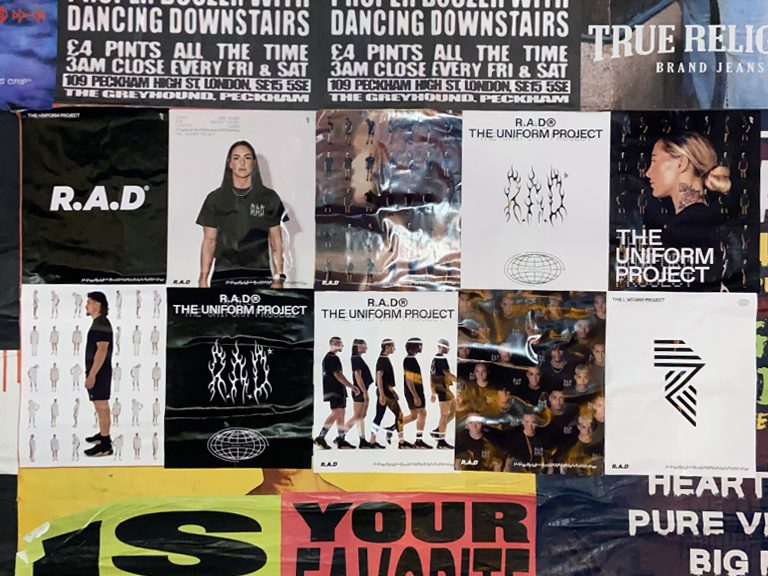
Spring is optimal for wheatpasting campaigns because increased pedestrian traffic means more eyes on wall and surface placements. Spring also brings better weather for installation, which affects both the quality of placement and the longevity of materials. A spring wheatpasting campaign in the arts and entertainment districts of New York, Los Angeles, or Chicago – planned to coincide with major spring cultural moments – can drive significant earned social documentation from the community members who organically photograph interesting street art.
Sidewalk Stencil Campaigns
Sidewalk stencils work exceptionally well in spring because the increased foot traffic at transit exits, park entrances, and outdoor retail corridors means more consumers encounter the stencil in the natural course of their spring outdoor activity. For app launches, event promotions, and product launches with short, memorable messages, spring stencil campaigns produce street-level brand presence efficiently and at cost well below traditional outdoor advertising rates.
Street Team Deployments
Street team campaigns are more productive in spring than in any other season for a simple reason: more people are outside, in more varied locations, with more time for spontaneous brand encounters. A street team deployed at a spring street fair, a busy outdoor market, or a park location on a weekend afternoon has natural consumer density and consumer receptivity that winter deployments can’t replicate.
LED Billboard Truck Routes
Spring event calendars create premium routing opportunities for LED billboard trucks. A truck running routes through pregame traffic at spring sporting events, circulating around outdoor festival footprints, or covering the blocks adjacent to a major spring retail activation reaches consumers in the highest-engagement moments of their spring outdoor activity. The mobile advantage – the ability to cover multiple high-traffic spring locations in a single day – makes LED trucks particularly valuable in the spring programming window.
Spring Campaign Planning: The Operational Calendar
Spring campaigns fail when they’re planned too late. The seasonal advantage is time-bounded, and the most valuable spring locations and event adjacencies require advance permit planning that most brands underestimate.
January-February: Strategy and Location Planning
For a March or early April campaign launch, planning needs to begin in January at the latest. This window covers strategic objective setting, target audience definition, channel selection, location scouting, and the beginning of the permitting process. Major market permits – New York, Los Angeles, Chicago – require three to six weeks minimum lead time; community board approvals in New York boroughs can take longer. Starting in January gives adequate runway for all of this without cutting corners.
February-March: Creative, Staffing, and Materials
Once locations are confirmed and permits are in process, creative development, staffing recruitment, and materials production can run concurrently. Spring campaigns often require fresh creative that reflects the seasonal context – generic year-round assets rarely capture the spring energy that makes seasonal campaigns distinctive. Materials production timelines need to account for print lead times, quality control, and logistics to market.
March-May: Execution Window
The core spring execution window for most markets is March through May, with the April-May period typically representing peak outdoor traffic and seasonal event activity. In Southern markets – Atlanta, Miami, Houston, Los Angeles – the spring window begins earlier and extends longer. In Northern markets – Chicago, Minneapolis, Boston – it compresses toward April-May. AGM’s market-by-market seasonal knowledge informs optimal deployment timing for each city on a multi-market campaign.
Spring Campaign Objectives and What Drives Them
Spring campaigns serve different objectives for different brand categories. Understanding which objective matters for your brand determines which spring formats and locations to prioritize.
Product Launch and Trial
Spring is the premier season for product launches in consumer categories with seasonal relevance – beverages, snacks, outdoor products, fitness and wellness, and fashion. The trial objective is best served by sampling activations at spring outdoor markets, events, and high-foot-traffic locations. The seasonal context accelerates trial acceptance rates beyond what other seasons produce.
Awareness Building
For brands building awareness in new geographic markets or demographic segments, spring’s outdoor event calendar provides concentrated audience opportunities. Billboard advertising, wheatpasting, and LED truck campaigns in high-traffic spring corridors build visual frequency at the moments when consumer outdoor activity is highest.
Community Engagement and Brand Building
Spring community events – farmers markets, neighborhood festivals, outdoor cultural programming – are the most authentic contexts for brand community engagement. Brands that show up consistently at community spring events over multiple years build genuine local relationships that advertising alone cannot manufacture. This is a long-term investment in community brand equity that smart brands make deliberately.
Location Strategy for Spring Street-Level Campaigns
Location quality is the single largest determinant of spring campaign performance, after campaign objective clarity. Spring creates seasonal location opportunities that don’t exist in other seasons.
Seasonal Market Locations
Farmers markets, outdoor food halls, and seasonal market locations that are closed or low-traffic in winter become premium brand activation environments in spring. In New York alone, more than 50 outdoor markets open or dramatically expand their programming in spring. Each market concentrates a specific consumer profile – Greenmarket at Union Square draws very different consumers than the Smorgasburg market in Williamsburg – and location selection should match consumer profile to brand target.
Park and Outdoor Recreation Locations
Parks and outdoor recreation zones become high-traffic brand activation opportunities in spring. Permit requirements for park activations vary by city and park system, but the consumer density and receptivity in major urban parks on spring weekends is exceptional. AGM has permitted and executed activations in Central Park, Prospect Park, Millennium Park, and similar high-profile park locations in major markets.
Event Adjacency
Spring brings a concentrated calendar of outdoor events – marathons, cultural festivals, outdoor concerts, sports events, farmers markets, film festivals – that create event-adjacent advertising opportunities. Brands that can’t afford official event sponsorship can often achieve equivalent consumer reach through permitted street activations in the approach corridors and surrounding blocks of major spring events.
Spring Advertising Budgets: Getting More from the Season
Spring advertising budgets face a structural tension: spring is the highest-value outdoor season, which means it’s also the most competitive period for outdoor advertising inventory in major markets. Brands that approach spring campaigns thoughtfully – with early planning, clear channel priorities, and smart location strategy – get significantly more from their spring budget than those who try to execute last minute in a crowded market.
Early Commitment Wins Better Locations
Premium spring locations – farmers markets with high foot traffic, parks with event programs, transit hubs adjacent to spring events, outdoor restaurant and entertainment corridors – fill up early. The difference between a January engagement for a March program and a February engagement for the same program isn’t just time – it’s location quality. AGM’s best spring locations get committed before the end of January for the peak April-May campaign windows. Brands that engage early get first access to the locations that produce the best results; those that engage in March get what’s left.
Multi-Format Coordination Multiplies Impact
Spring campaigns that coordinate multiple formats – a wheatpasting program building visual presence, a street team program driving direct engagement, and an LED truck running event-adjacent routes – produce compound effects that single-format campaigns can’t achieve. The consumer who sees a poster in their neighborhood, encounters a brand ambassador at a Saturday market, and sees an LED billboard truck during a spring festival has experienced three reinforcing brand touchpoints that build awareness and trial intent more effectively than any single touchpoint could. Budget allocation to multi-format coordination is more efficient than concentrating budget in a single channel at higher volume.
Cost Efficiency in Spring Formats
Not all spring advertising has a premium price tag. Sidewalk stencil campaigns provide significant street-level presence at costs well below most other outdoor formats. Wheatpasting programs deliver visual presence in premium neighborhoods at a fraction of the cost of traditional outdoor advertising in the same locations. Street team sampling programs produce direct consumer engagement at cost-per-trial rates that consistently outperform digital advertising. The spring season is premium, but smart format selection and early planning make it accessible at a range of budget levels.
Spring Advertising Pitfalls to Avoid
Spring campaigns fail in predictable ways. Understanding the common failure modes helps avoid them.
Planning for Spring After Spring Starts
The most common spring advertising mistake is starting to plan in April for a campaign that should have launched in March. By the time most brands are approving spring campaign briefs, the best permit windows and event adjacency opportunities in major markets are already allocated. The operational rule is simple: plan spring campaigns in winter. January planning for March launch. February planning for April launch. Anything later means reduced location quality and competitive disadvantage against brands that started earlier.
Generic Spring Creative
Spring advertising that uses generic seasonal imagery – flowers, sunshine, bright colors – without connecting to a specific brand story or consumer benefit looks like every other spring ad in the same environment. Urban audiences are particularly sensitive to undifferentiated seasonal creative, which gets filtered out of attention as generic noise. Effective spring creative is specific to the brand, specific to the community context it appears in, and designed to be memorable rather than simply seasonal.
Single-Weekend Programs
A single-weekend spring activation creates a one-day brand encounter. A six-weekend spring program across the same neighborhoods builds genuine brand familiarity. The investment in duration over intensity is often the more effective allocation for spring campaigns, because community familiarity and advocacy build through repeated encounters rather than a single large one. Design spring programs for sustained presence over the full seasonal window, not for a single high-investment event.
Why is spring important for outdoor advertising?
Spring brings a dramatic increase in pedestrian traffic, outdoor gatherings, and consumer activity after winter. People are outside more, in positive seasonal moods, and behaviorally more open to new products and experiences. For street-level advertising – sampling, guerrilla marketing, outdoor formats, and brand activations – spring is the highest-opportunity period of the year. Consumer receptivity to brand encounters is genuinely higher, which shows up in engagement rates across campaign formats.
What are the best street-level spring advertising formats?
Top formats for spring advertising campaigns include brand sampling activations at outdoor markets and parks, wheatpasting and poster campaigns in high-foot-traffic areas, sidewalk stencil campaigns at transit exits and retail corridors, LED billboard truck routes through seasonal event traffic, and brand ambassador programs at spring events and festivals. The best campaigns use multiple formats in coordination.
When should a spring advertising campaign launch?
Spring campaigns should launch before the seasonal peak, not after it arrives. In most Northern markets, planning should begin in January-February for March-April launch. The spring execution window typically runs March through May, with April-May representing peak outdoor traffic in most Northern markets. Southern markets extend the spring window from February through June. Early planning ensures the best locations are available and permits are secured.
How much does a spring advertising campaign cost?
Spring street-level campaigns range from $10,000-$25,000 for single-market activations to $75,000-$200,000 for multi-city spring tours. Event-adjacent programs around major spring festivals may add permit and logistics costs. Spring is a high-demand season for outdoor advertising, so early planning provides better location availability and more favorable vendor pricing than last-minute campaigns.
What makes spring advertising different from other seasonal campaigns?
Spring advertising benefits from genuine consumer mood lift – people are more receptive, more social, and more open to new experiences after winter. This emotional context is an asset that well-designed spring campaigns actively capture. The risk is that mediocre spring campaigns get lost in the seasonal noise; only campaigns designed specifically for outdoor spring consumer contexts – with locations, timing, and creative matched to the seasonal opportunity – cut through effectively.
Can AGM execute spring advertising campaigns in multiple cities?
Yes. AGM executes multi-market spring campaigns across 50+ U.S. markets, including all major coastal and interior cities. We handle permitting, location scouting, staffing, and documentation for spring programs of every scale. Early engagement – January or February for a March-April campaign – gives us the time to secure the best spring locations and integrate event-adjacent opportunities into the campaign plan.
What types of brands benefit most from spring advertising?
CPG brands with seasonal relevance, beverage and food brands launching for warm-weather consumption, fitness and outdoor products, fashion and apparel, and entertainment releases timed to spring all benefit significantly from spring street-level campaigns. Any brand whose target consumer is more active outdoors in spring should treat spring advertising as a priority channel, not an optional supplement to year-round media spend.
Campaign Architect — American Guerrilla Marketing
Frequently Asked Questions
Why is spring important for outdoor advertising?
Spring brings a dramatic increase in pedestrian traffic, outdoor gatherings, and consumer activity after winter. People are outside more, in positive seasonal moods, and behaviorally more open to new products and experiences. For street-level advertising – sampling, guerrilla marketing, outdoor formats, and brand activations – spring is the highest-opportunity period of the year.
What are the best street-level spring advertising formats?
Top formats for spring advertising campaigns include brand sampling activations at outdoor markets and parks, wheatpasting and poster campaigns in high-foot-traffic areas, sidewalk stencil campaigns at transit exits and retail corridors, LED billboard truck routes through seasonal event traffic, and brand ambassador programs at spring events and festivals.
When should a spring advertising campaign launch?
Spring campaigns should launch before the seasonal peak, not after it arrives. In most Northern markets, planning should begin in January-February for March-April launch. The window between Memorial Day and Labor Day represents summer, not spring, so spring campaign execution should target March through May in most markets.
How much does a spring advertising campaign cost?
Spring street-level campaigns range from $10,000-$25,000 for single-market activations to $75,000-$200,000 for multi-city spring tours. Event-adjacent programs around major spring festivals may add permit and logistics costs. Spring is a high-demand season for outdoor advertising, so early planning provides better location availability and pricing.
What makes spring advertising different from other seasonal campaigns?
Spring advertising benefits from genuine consumer mood lift – people are more receptive, more social, and more open to new experiences after winter. This emotional context is an asset that well-designed spring campaigns capture. The risk is that mediocre spring campaigns get lost in the seasonal noise; only campaigns designed specifically for outdoor spring contexts cut through.
Can AGM execute spring advertising campaigns in multiple cities?
Yes. AGM executes multi-market spring campaigns across 50+ U.S. markets, including all major coastal and interior cities. We handle permitting, location scouting, staffing, and documentation for spring programs of every scale. Early engagement – January or February for a March-April campaign – gives us the time to secure the best locations.
What types of brands benefit most from spring advertising?
CPG brands with seasonal relevance, beverage and food brands launching for warm-weather consumption, fitness and outdoor products, fashion and apparel, and entertainment releases timed to spring all benefit significantly from spring street-level campaigns. Any brand whose consumer is more active outdoors in spring should consider spring advertising a priority channel.