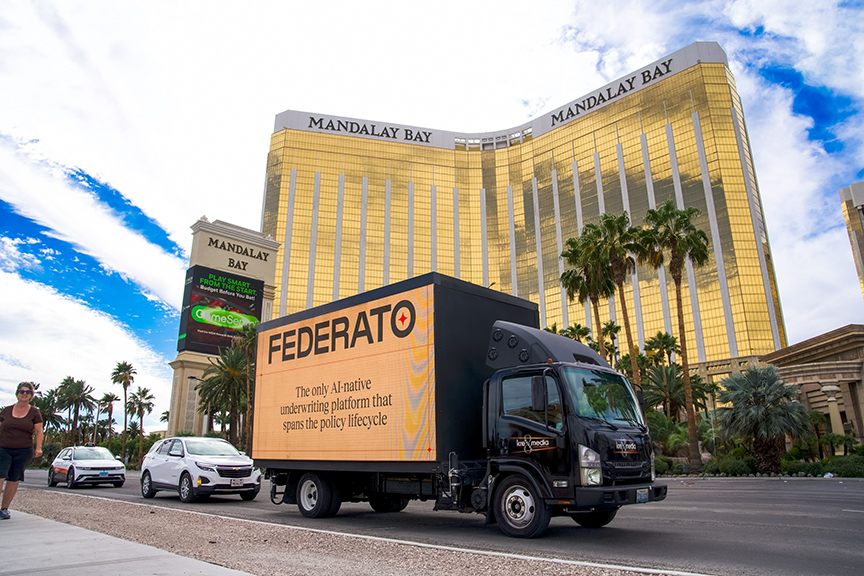
Mobile billboard advertising in Nashville works best when the route is built around real audience movement, not a generic city loop. That is the first thing experienced buyers usually miss. A truck can be on the road for hours and still waste budget if it spends too much time in dead zones, sits in the wrong traffic pattern, or follows a path that looks efficient on paper but does not line up with the people you are trying to reach.
At American Guerrilla Marketing, we treat Nashville as a city of distinct behavior clusters. Broadway behaves differently from The Gulch. Game-day traffic around Nissan Stadium is not the same as weekday movement near Vanderbilt. A tourism-heavy route at night calls for different pacing, screen sequencing, and staffing support than a commuter-facing route in the morning. If you plan all of that correctly, mobile billboards can put a brand in front of high-intent audiences in a way that feels visible, timely, and hard to ignore.
For the live Nashville reference set, see mobile billboard advertising in Nashville and Nashville mobile billboard strategy.
This page is for marketing teams, agencies, event promoters, and growth-stage brands that want to understand how a Nashville LED truck campaign should really be planned. It is also for buyers comparing mobile billboards to posters, street teams, projections, and other out-of-home formats. The goal here is simple: show what a strong Nashville plan looks like before you spend a dollar.
Why Nashville is a route-planning market first
Nashville is not a city where a truck should just drive everywhere. The city has obvious high-traffic areas, but those areas serve very different audience types and dayparts. Broadway pulls tourists, bachelor and bachelorette groups, convention visitors, and nightlife traffic. The Gulch blends residents, shoppers, office workers, and visitors moving between restaurants and hotels. Midtown leans younger and more late-night. East Nashville has its own rhythm and tends to reward creative that feels current instead of polished to death. Music Row, SoBro, and the downtown hotel pocket each serve a different function in the same day.
That matters because mobile billboard performance is shaped by repetition, dwell time, and context. Repetition means the right people see the message more than once during the campaign window. Dwell time means the truck reaches people when traffic, venue lines, pickup zones, or event ingress create longer viewing moments. Context means the message feels like it belongs in that part of the city. A tour announcement near live music traffic lands differently than the same message circling a commuter corridor at 8:15 in the morning.
The best Nashville campaigns start with a routing question, not a format question. Who are we trying to reach, where do they move, what time do they move, and what route logic will give us enough pressure without burning hours in low-value zones? Once that is clear, the creative and reporting plan become much easier to build.
If the plan widens beyond trucks, our Nashville outdoor advertising guide and guerrilla marketing in Nashville page help frame the tradeoffs.
When mobile billboard advertising makes sense in Nashville
Mobile billboards are not the right answer for every brief. They work especially well when a brand needs concentrated visibility during a short window, needs flexibility, or needs to show up around multiple clusters without buying permanent inventory in each one.
In Nashville, that often means event-driven campaigns, entertainment launches, hospitality pushes, political visibility, nightlife promotion, sports tie-ins, and market entry campaigns where the brand needs citywide presence fast. LED trucks also help when buyers need to adjust the route after seeing real traffic conditions, ticketing velocity, weather shifts, or venue activity. That flexibility is one of the main reasons brands choose the format over static out-of-home.
It is also a strong tool when the message benefits from motion or sequencing. A single static image can still work on a truck, but campaigns usually gain more value when the creative is built for a glance, a second glance, and then message retention. That might mean leading with the brand name, following with the offer, and closing with the action step. Nashville is full of quick visual competition, so the message has to be simple enough to win the first look and clear enough to survive the second.
Nashville zones AGM usually evaluates before building a route
Every campaign is different, but there are a handful of Nashville zones that come up again and again because they influence visibility in very different ways.
Downtown and Lower Broadway
This is the most obvious draw for visitor-heavy campaigns. It can be strong for alcohol brands, entertainment, tourism, nightlife, concerts, launches, and anything trying to intercept visitors already in a spending mindset. It is also crowded, visually noisy, and easy to overplay. The route has to account for bottlenecks, loading activity, and the difference between daytime convention traffic and nighttime party traffic.
The Gulch and SoBro
These areas are useful when a brand needs a polished, premium-adjacent feel with a mix of hotel guests, residents, office traffic, and destination dining. Creative that looks too cluttered tends to die here. Clean design and strong message hierarchy usually win.
Midtown and university-adjacent movement
Midtown, Vanderbilt-adjacent corridors, and nearby residential pockets matter when the audience skews younger, social, and event-aware. For ticketed entertainment, nightlife, food and beverage, or campus-driven awareness, this zone often earns time in the route.
East Nashville
East Nashville can be valuable for brands chasing local credibility, culture-facing audiences, or a message that needs to feel less corporate. This is not a place to rely on generic creative. If the campaign has personality, this zone can help.
Stadium, arena, and event ingress zones
Nissan Stadium, Bridgestone Arena, and major event approach corridors can be powerful when timing is right. The truck is not valuable there just because the venue exists. It becomes valuable when the route lines up with entry flow, parking movement, rideshare concentration, or post-event release patterns.
Airport, hotel, and convention connectors
Some campaigns benefit from catching business travelers and event attendees as they move between hotels, the convention footprint, and airport-facing transportation corridors. This is more common for B2B events, hospitality, and major citywide programming than for nightlife-heavy promotions.
How AGM builds a Nashville truck route
We start by defining the campaign window in operational terms. What date range matters, what hours matter, and what audience behavior matters inside those hours? A seven-hour shift for a concert launch is not planned the same way as a three-day convention support campaign or a two-week awareness push.
Then we map route pressure. That means deciding where the truck should spend repeated time, where it should pass through, and where it should avoid wasting minutes. Not every road segment deserves equal time. Some zones are there to build repeated exposure. Some are there to bridge between clusters. Some only matter during a narrow event window and should be ignored the rest of the day.
We also build for pace. Nashville traffic can either help or hurt the campaign. Slow movement can create stronger view time if the route is intentional. Slow movement in the wrong zone just burns budget. A good route uses congestion selectively. It does not get trapped by it.
Finally, we plan contingencies. If a road closes, a weather event shifts foot traffic, a venue load-in changes curb use, or a client wants heavier pressure around one pocket after the first day, the route should be able to adapt without wrecking the campaign.
Creative that works on Nashville LED trucks
The biggest creative mistake on mobile billboards is trying to say too much. A truck is not a landing page. It is a moving moment. In Nashville, especially in high-noise areas, the creative usually needs one message, one visual priority, and one action.
That often means the layout has a simple order. First, the brand or artist name. Second, the key announcement, offer, or event cue. Third, the next step. If there is a URL, QR code, social handle, or date, it has to be large enough to survive quick exposure. If it cannot be read in motion, it should not be on the screen.
Color contrast matters. Font weight matters. Overdesigned animation usually hurts more than it helps. Nashville audiences process a lot of competing signage, venue graphics, and street-level clutter. Strong LED truck creative is built to read in a glance and still make sense if the viewer only catches half the screen sequence.
We also think about neighborhood fit. A message aimed at tourists on Broadway may need a very direct read. A message aimed at entertainment or culture audiences around East Nashville or Midtown may benefit from a little more style and edge. That does not mean getting cute. It means respecting the environment the campaign is entering.
Should the campaign be truck-only or paired with other street formats
Some Nashville campaigns work well as a pure LED truck buy. Others get much stronger when the truck is only one layer of the plan. That is especially true when the goal is not just visibility but memory.
For example, a mobile billboard can create moving awareness around event zones while a street team handles sampling or flyer handoff in the places where foot traffic slows down. A truck can support a poster campaign by extending presence beyond the fixed surfaces. It can also reinforce a projection or pop-up by driving the message through feeder zones before the audience reaches the main activation point.
The right mix depends on the brief. If the campaign needs citywide flexibility and message repetition, the truck may carry the load. If the brand needs a heavier street footprint, the truck is often better as the mobile amplifier rather than the whole plan.
What brands should ask before approving a Nashville buy
Before a client greenlights a mobile billboard campaign in Nashville, there are a few questions worth forcing into the open.
- What audience are we truly trying to intercept? Visitor traffic, local nightlife traffic, residents, commuters, event attendees, or students each call for different routing.
- What hours matter most? Noon is not midnight. A route that looks broad can still miss the real moment.
- Is the creative built for motion? If the answer is no, the truck will expose the weakness fast.
- How flexible does the campaign need to be? If the route needs live adjustment, that should be planned from the start.
- What proof of execution do we need? Route logs, timestamps, recaps, field photos, and delivery reporting should be defined before launch.
Those questions separate a real media decision from a novelty purchase. The brands that ask them early usually get better outcomes.
Permits, operations, and real-world execution
Operational quality matters more than most buyers expect. A campaign can have the right route and still underdeliver if the driver misses timing windows, the creative loads incorrectly, the truck is poorly maintained, or the field team cannot document the run cleanly.
That is why AGM treats execution as part of strategy, not a back-end detail. We think through route constraints, shift timing, screen sequencing, launch checks, communication lines, and recap standards before the campaign goes live. Buyers should also assume that some Nashville zones will require sharper planning around staging, loading behavior, congestion, special events, and venue-adjacent access.
Permitting and compliance requirements vary by format, route behavior, and how the campaign is being executed. That is another reason not to buy a truck as if it were a plug-and-play commodity. A clean campaign is not just visible. It is well managed.
How AGM reports a mobile billboard campaign
Reporting should answer the questions a client actually has after the run. Did the truck hit the intended zones? Did it maintain pressure in the right windows? Was the route followed cleanly? Did the field conditions justify any adjustment? Did the creative show well in the environment?
For that reason, a useful recap usually includes route documentation, timestamps, field imagery, and notes on delivery conditions. If a campaign was built around key event windows or neighborhood clusters, the report should make that visible rather than just listing hours worked. Buyers need proof of smart execution, not just proof that a truck existed.
This is especially important for agencies and in-house teams that have to explain the media choice upstream. Clear recaps make it easier to defend the spend and easier to improve the next round.
What changes pricing on a Nashville LED truck campaign
There is no honest flat number that fits every Nashville mobile billboard buy. Pricing changes based on truck type, campaign length, route hours, number of shifts, staffing requirements, production needs, reporting scope, and whether the plan includes added field support or layered street formats.
That is why AGM does not guess at pricing from a template. If you need current rates, the right move is to get a quote tied to the actual campaign brief. A one-night entertainment push, a three-day convention support run, and a weeklong market-entry campaign are not the same job.
If a buyer sees a neat all-in number before anyone has discussed route logic, shift length, creative specs, and reporting needs, that number is probably not telling the full story.
Common mistakes that weaken Nashville mobile billboard campaigns
- Buying citywide coverage without city-specific logic. Nashville rewards tight planning, not generic loops.
- Using creative built for desktop or social. If the message cannot be read fast, the screen time is wasted.
- Ignoring daypart behavior. The same zone can overperform at one hour and underperform three hours later.
- Overvaluing movement and undervaluing dwell. More miles do not always mean more impact.
- Failing to define proof of delivery in advance. Clients should know what the recap will look like before launch.
Most of these mistakes are avoidable. They happen when the campaign is treated like a novelty vehicle instead of a media operation.
When Nashville buyers should choose another format instead
Mobile billboards are strong, but they are not universal. If the brand needs fixed presence in one corridor for an extended period, posters, wallscape inventory, or other static out-of-home may make more sense. If the goal is direct interaction, a street team or brand ambassador program may produce more useful engagement. If the campaign depends on one dramatic location moment, a projection or live activation may be the better centerpiece.
The smartest media plans are not loyal to format. They are loyal to the objective. Sometimes that means a truck is the answer. Sometimes it means the truck supports a larger plan. Sometimes it means skipping the truck entirely.
Nashville mobile billboard FAQ
How long should a mobile billboard campaign run in Nashville?
That depends on the goal. A one-night run can work for a specific event or launch moment, while multi-day or multi-week campaigns usually make more sense for broader awareness. The right schedule comes from audience timing, route pressure, and how much repetition the brief needs.
What parts of Nashville are best for LED truck advertising?
It depends on who you need to reach. Downtown, Broadway, The Gulch, Midtown, East Nashville, and venue-adjacent corridors all serve different audience types. The best route is built around behavior, not around a checklist of famous neighborhoods.
Can AGM build a route around concerts, sports, or conventions?
Yes. That is one of the strongest uses of the format. Event-adjacent routes work best when the plan focuses on ingress, egress, rideshare flow, hotel movement, and the feeder zones that audiences pass through before and after the main event.
What should be included in the creative for a Nashville truck campaign?
Keep it tight. Lead with the brand or event name, follow with the core message, and close with the action step. Clean contrast, large type, and a message that reads fast will usually beat a screen overloaded with details.
How does AGM price mobile billboard advertising in Nashville?
Pricing is quoted against the actual scope. Truck type, route hours, campaign length, staffing, production, and reporting all affect the final number. If you want current pricing, the best path is to request a quote built around the campaign you actually want to run.
Closing view on Nashville mobile billboards
Mobile billboard advertising in Nashville can be a smart buy, but only when the route, timing, creative, and execution fit the city. This is a market where a truck can feel highly visible and still be poorly planned. The difference comes down to route discipline, audience understanding, and the quality of the field operation behind the screen.
If you are evaluating a Nashville LED truck campaign, AGM can help scope the route, pressure-test the creative, and build a plan that matches the real movement of the city. When the route is right, the message is clear, and the recap is solid, mobile billboards stop feeling like a gimmick and start acting like a serious street-level media tool.