
July 26, 2026
Flyer Distribution Chicago: Wrigleyville, Lincoln Park, and the Campaign Zones
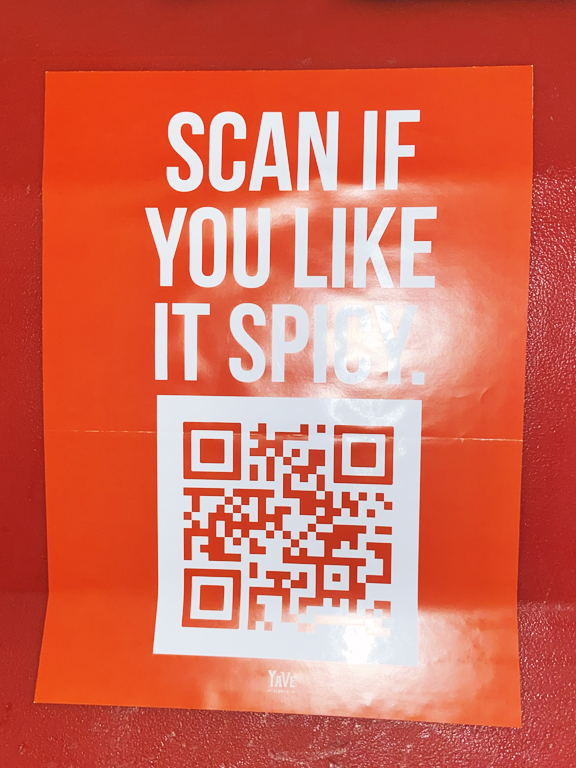
Flyer distribution in Chicago works when it is executed with trained teams in the right neighborhoods at the right times. Chicago’s mix of dense transit infrastructure, walkable entertainment districts, sports venue approaches, and neighborhood commercial corridors gives campaigns more high-quality deployment windows per square mile than most US markets. The city rewards strategic zone selection and professional execution.
Our team at American Guerrilla Marketing deploys flyer distribution campaigns across Chicago’s highest-traffic neighborhoods and CTA transit hubs. We staff campaigns with trained brand ambassadors who follow documented deployment protocols, log their routes and distribution counts, and photograph their activity throughout each shift. Clients receive proof-of-performance reporting, not just a number of flyers and a hope.
This guide covers the best Chicago flyer distribution zones by audience type, how to structure a campaign for maximum reach, and what professional execution looks like from brief to delivery report.
Chicago Flyer Distribution: Best Deployment Zones
Chicago’s neighborhoods have distinct audience profiles, foot traffic patterns, and deployment windows. Selecting the right zones for your campaign objectives is the most important planning decision in a Chicago flyer program.
Wrigleyville and the Wrigley Field Game Day Approach
Cubs game days create one of Chicago’s highest-density flyer distribution windows. Teams deployed on Clark Street, Addison, and the blocks surrounding Wrigley Field can distribute thousands of branded materials in the two-hour pre-game window. The audience is predominantly 21 to 45, in a celebratory mindset, and highly receptive to brand interactions. Game-day deployment requires advance planning around the schedule, and our team coordinates deployments around the MLB calendar for entertainment, food and beverage, and lifestyle brand clients.
Lincoln Park and the Halsted Corridor
The Halsted and Armitage commercial corridors in Lincoln Park reach an affluent young professional demographic during lunch, weekday afternoons, and the post-work evening window. The area’s concentration of restaurants, boutiques, and fitness studios creates natural foot traffic generators throughout the day. This zone is particularly effective for wellness brands, premium food and beverage, financial services, and real estate campaigns targeting the 28 to 45 demographic with above-average household income.
River North and the Gold Coast
River North and the Gold Coast together form Chicago’s highest-income pedestrian corridor. The gallery district on art night draws creative professionals. The restaurant cluster along West Kinzie and Hubbard draws the expense-account and date-night crowd. The Gold Coast’s Michigan Avenue approach delivers broad mainstream reach. Our brand ambassador teams deployed in this zone for luxury brand launches, hospitality openings, and financial services campaigns consistently log strong direct engagement rates.
CTA Transit Hubs: Belmont, Fullerton, Chicago, and Grand
The Red Line stations at Belmont, Fullerton, Chicago, and Grand create natural commuter audience distribution windows during peak transit hours (7 to 9 AM and 5 to 7 PM). Transit hub distribution reaches a captive audience that has time to read and retain a flyer. Our guerrilla marketing services in Chicago include coordinated transit hub programs that cover multiple stations simultaneously with separate teams, maximizing commuter reach within a single deployment window.
Wicker Park and Bucktown
The Milwaukee Avenue corridor through Wicker Park and Bucktown is Chicago’s most established streetwear, music, and independent retail zone. The audience here, primarily 21 to 35 and fashion-forward, is highly engaged with brand interactions in their neighborhood. This zone is the strongest Chicago market for music and entertainment campaigns, streetwear and sneaker launches, food and beverage brand entries, and lifestyle brands targeting creative-class millennials.
Pilsen and the Lower West Side
Pilsen is Chicago’s most vibrant arts neighborhood and home to a large, culturally engaged Latino community. The 18th Street commercial corridor and the galleries clustered around the Pilsen Open Studios events draw a diverse, community-rooted audience that responds strongly to authentic brand interactions. For brands targeting Chicago’s Latino demographic or the broader arts-adjacent community, Pilsen flyer distribution as part of a wider wheat paste poster campaign delivers strong combined reach.
Logan Square
Logan Square has become Chicago’s primary millennial residential and dining destination over the past decade. The Milwaukee Avenue corridor through Logan Square sees consistent foot traffic from the neighborhood’s young professional and creative class residents. The farmers market, the restaurant cluster, and the music venues along this corridor create deployment windows every day of the week. For apps, subscription services, food brands, and lifestyle campaigns, Logan Square is among the most efficient Chicago flyer distribution zones.
How a Professional Chicago Flyer Distribution Campaign Runs
Professional flyer distribution is not a team of people handed a box of paper and a street corner. Our Chicago campaigns are planned with zone-specific routes, ambassador deployment timing aligned to foot traffic windows, documentation protocols, and post-campaign reporting that gives clients verifiable proof of performance.
Pre-Campaign Planning and Zone Mapping
Before any team goes into the field, our operations team maps the specific routes, anchor points, and timing windows for each zone. For a Wrigleyville game-day campaign, this includes the specific block-by-block deployment zones around the stadium approach, the timing aligned to first pitch, and the ambassador count needed to maximize distribution in the window before gates open.
Ambassador Briefing and Brand Training
Every ambassador team is briefed on the brand, the key messages, and any prohibited language or topics before deployment. For campaigns with a specific call-to-action (QR scan, promo code, event registration), ambassadors are trained on how to verbally reinforce the physical flyer distribution with a brief brand interaction. Our training process is documented and consistent across every Chicago deployment.
In-Field Documentation
Teams photograph their activity throughout each shift, capturing location context shots, ambassador-in-action photos, and end-of-zone documentation. Distribution counts are logged hourly by team leads and consolidated into an activity report at the end of each shift. This documentation is the foundation of the client reporting package.
Campaign Timing: When Chicago Flyer Distribution Performs Best
Timing is as important as zone selection. Chicago’s pedestrian patterns shift dramatically between weekdays and weekends, between winter and the spring-through-fall outdoor season, and around major events including Cubs and White Sox games, Lollapalooza, the Chicago Air and Water Show, and the restaurant week periods.
Game Day and Event Windows
Event-anchored deployment windows in Chicago deliver the highest flyer-per-hour distribution rates of any context. Lollapalooza creates four days of Grant Park approaches with 400,000 attendees. Cubs games create 41 home game windows with 40,000 fans per game filtering through the Wrigleyville approach. Targeting your campaign around these windows maximizes distribution density and ensures your flyer is received by an audience in a high-engagement, social mindset.
Commuter Peak Windows
For campaigns targeting the working professional demographic, the 7 to 9 AM and 5 to 7 PM commuter windows at major CTA stations deliver consistent, predictable audience volumes. A team deployed at the Belmont Red/Brown/Purple station during morning rush reaches approximately 15,000 to 25,000 commuters per morning. This is among the most cost-efficient CPM environments in the Chicago market.
Combining Flyer Distribution with Poster Campaigns and Stencils
Our strongest Chicago campaigns layer multiple street-level formats. A flyer distribution program in Wicker Park and Logan Square paired with a wheat paste poster campaign in the same zones creates a repeated brand encounter: the consumer sees the poster on their morning commute and receives a flyer from an ambassador in the afternoon. The combination creates the impression of brand ubiquity in the target neighborhood at a fraction of the cost of paid media saturation.
Sidewalk stencils add a third format layer that works particularly well in high-foot-traffic zones like Wrigleyville approaches and the Wicker Park intersection. Stencils remain visible for days to weeks and reinforce the brand presence created by poster and flyer programs. Combined multi-format programs are available through our full-service guerrilla marketing offerings and are coordinated with unified campaign briefing and reporting.
Chicago Flyer Distribution Campaign Investment
Chicago flyer distribution campaign costs depend on the number of ambassadors deployed, the zones covered, the hours per deployment shift, and the number of campaign days. A single-zone, single-day program with a two-person team typically runs $800 to $1,800 including ambassador labor, supervision, and basic reporting. A multi-zone, multi-day program covering four to six neighborhoods across a two-week campaign window ranges from $5,000 to $15,000 depending on team size and zone count.
Print costs are separate and variable based on flyer quantity, size, and paper stock. We work with print vendors who can deliver Chicago-ready quantities in 5 to 7 business days. For tight-turnaround campaigns, Chicago local print options can deliver in 2 to 3 business days with a rush premium. Our team provides print specification guidance as part of campaign planning at no additional cost.
What Professional Reporting Looks Like for Chicago Campaigns
Campaign reporting for our Chicago flyer distribution programs includes: zone-by-zone activity logs showing ambassador deployment times and routes; distribution count logs by zone and shift; field photography documenting ambassador activity and neighborhood context; a post-campaign summary with total distribution count, zones covered, deployment hours, and key observations from the field team.
For clients requiring additional data, our team can integrate QR code scan tracking (using client-provided or agency-configured short URLs), manual lead capture forms for ambassador-engaged contacts, and post-campaign zone audits for campaigns that included poster or stencil components alongside flyer distribution. Reporting is delivered within 24 to 48 hours of campaign completion. Our LED billboard truck campaigns in Chicago include the same documentation standards for clients who want to layer mobile media with street distribution.
Frequently Asked Questions
What are the best neighborhoods for flyer distribution in Chicago?
The strongest Chicago flyer distribution zones are Wrigleyville on game days, the Lincoln Park and Halsted corridor for young professional audiences, River North and the Gold Coast for upscale demographics, Wicker Park and Bucktown for fashion and creative audiences, Logan Square for millennial residents, and Pilsen for arts and Latino community campaigns. CTA transit hubs at Belmont, Fullerton, Chicago, and Grand stations deliver strong commuter-hour reach.
How much does flyer distribution in Chicago cost?
Single-zone, single-day programs with a two-person team run $800 to $1,800. Multi-zone, multi-day programs covering four to six neighborhoods over two weeks range from $5,000 to $15,000. Print costs are separate and variable by quantity and specification. Our team provides print guidance as part of campaign planning.
How many flyers can a team distribute in a Chicago campaign?
A trained two-person team can distribute 1,500 to 2,500 flyers in a 6-hour shift in a high-traffic zone like Wrigleyville on game day or Wicker Park on a weekend. Distribution rates vary by zone density. Our team logs counts by zone and hour so clients have accurate distribution data by area.
Do you provide photo documentation of Chicago flyer distribution?
Yes. Every Chicago flyer distribution campaign includes photo documentation of ambassadors in the field, location context shots, and activity logs with hours worked and zones covered. Clients receive a campaign report within 24 to 48 hours of deployment completion.
Can Chicago flyer distribution be combined with other campaign formats?
Yes. Our Chicago campaigns regularly combine flyer distribution with wheat paste poster campaigns, sidewalk stenciling, and brand ambassador activations. Coordinating all formats through a single agency ensures consistent brand presentation and unified reporting across all elements.
What industries use flyer distribution most in Chicago?
The most active categories are entertainment and events, food and beverage, nightlife and hospitality, fitness and wellness, real estate and apartment communities, and retail grand openings. Any brand with a local Chicago audience and a specific call-to-action benefits from professional flyer distribution.

Ready to Run Your Campaign?
Call us or email us. We’ll tell you exactly what we can do in your market and what it costs.
Related Services
Explore similar advertising solutions offered by American Guerrilla Marketing.
American Guerrilla Marketing — Los Angeles
Street-level campaigns in Los Angeles and nationwide. Wheatpasting, LED trucks, street teams, and more.
(646) 776-2770
Related Articles
-
Street Poster Advertising Ottawa: A Complete Campaign Guide
September 17, 2026
-
Activation Marketing: How Brands Win at Street Level
September 13, 2026
-
Experiential Marketing Firms Chicago | American Guerrilla Marketing
September 12, 2026
-
Pop Up Experiential
September 12, 2026
-
Mobile Pop Up
September 12, 2026