
September 12, 2026
Marketing Activations Examples
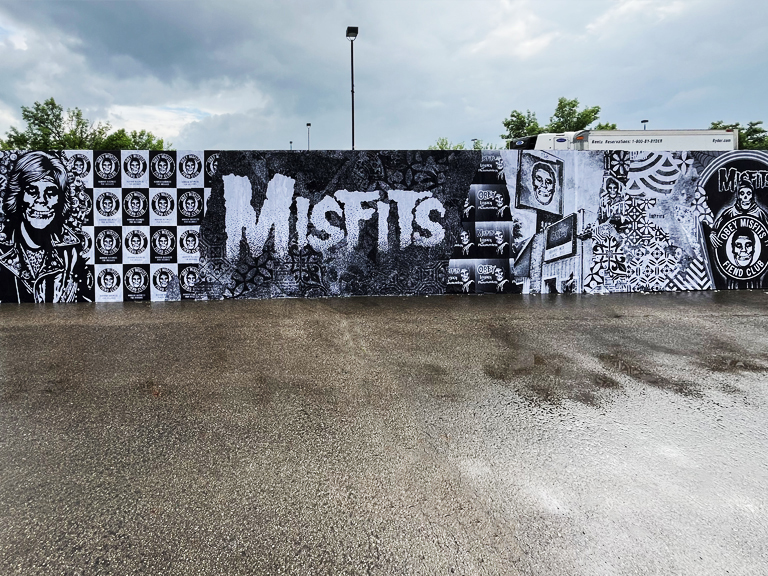
The best activation examples share a clear consumer insight, a genuine product experience, and a specific action the brand wanted consumers to take. Here is what that looks like in practice.
Marketing activations come in dozens of formats. The best ones share a common structure: they put the consumer at the center, they deliver genuine value, and they create a moment worth remembering. The worst ones look like activations without functioning like them, all form, no substance, plenty of branded signage but no real consumer engagement.
At American Guerrilla Marketing, we run marketing activations across consumer goods, food and beverage, tech, apparel, entertainment, financial services, and beyond. We have seen which formats produce results and which ones waste money. This guide breaks down the most effective types of marketing activations with real-world-style examples of what each format looks like when it is executed well.
What Makes a Marketing Activation Example Worth Studying
Before looking at specific examples, it is worth establishing a framework for evaluating them. Not every activation that gets press coverage is actually good. Not every activation that generates social content produces the consumer outcomes the brand needed. Evaluating an activation requires looking at the right variables.
Consumer Insight in the Location and Timing
The best activations are placed where consumers are, not where it is most convenient for the brand. A sampling program for a morning protein bar brand that deploys outside offices at 8am on a Tuesday is making a different kind of decision than one that deploys at a shopping mall on a Saturday afternoon. The first choice is driven by consumer insight: who is the target, when do they need this product, and where are they physically at that moment. The second is driven by convenience or traffic volume without regard for relevance.
A Genuine Product or Brand Experience
Activations that consist entirely of a branded structure with no actual product experience are entertainment, not marketing. The consumer should leave the activation with some meaningful new relationship to the product or brand. That might be a taste, a hands-on demo, a conversation with a brand expert, or an educational experience about what the brand is and does. The experience does not need to be elaborate to be genuine; a simple well-executed sampling station can provide a more genuine product experience than an expensive pop-up that never actually puts product in consumers’ hands.
A Specific Consumer Action
What did you want the consumer to do? Try a sample. Visit a retailer. Scan a QR code. Enter a contest. Make a purchase. Follow a social account. Every activation should be designed around driving a specific consumer action, and the quality of the activation can be evaluated in part by how many consumers actually took that action.
Real-World Executability
An activation concept that works beautifully in a press event at a controlled venue and falls apart in real field conditions is not a good example of activation. The activation needs to perform under the full range of conditions it will actually encounter: variable weather, uncontrolled foot traffic, operational problems, staff turnover, and the hundred other realities of field execution that make real activations harder than controlled demos.
Sampling Activation Examples
Sampling activations are the most direct form of consumer engagement, and some of the most instructive examples of what activation looks like at its most fundamental level.
Cold Brew Coffee at Gym Exits
A national cold brew brand wanted to build trial among fitness-oriented young professionals in urban markets. The activation was simple: branded sampling stations positioned at the exits of high-traffic CrossFit and boutique fitness studios in New York and Los Angeles, staffed between 6am and 9am on weekday mornings. The consumer context was perfect. People leaving an intense workout are thirsty, they are in a health-forward mindset, and the product addresses an immediate need. Staff could have genuine conversations about the product because the context made those conversations natural rather than forced.
The activation generated strong trial numbers and built a word-of-mouth network within the fitness community, precisely because it reached that community in its own environment rather than trying to pull them into an artificial brand space.
Snack Sampling at Transit Hubs
A CPG snack brand launching a new product line activated at major transit hubs during the afternoon commute. Samples were distributed along the most heavily trafficked corridors, timed to the peak of post-work foot traffic. Staff were trained to lead with the product’s convenience angle, because the consumer in a transit hub at 5:30pm is thinking about their commute and their dinner, not about spending time engaged with a brand. The activation respected that context: quick, easy, efficient product trials that matched the mindset of consumers in motion.
Beauty Product Sampling at Cultural Events
A prestige beauty brand built a sampling program around cultural events in cities like Chicago, Atlanta, and Houston, targeting the specific demographic most aligned with their product positioning. Staff were not just handing out samples; they were providing brief product demonstrations that showed consumers exactly how to use the product. The education component elevated the encounter from a transaction into an experience, and consumers who received a demonstration were measurably more likely to purchase than those who received a sample alone.
Context is the difference between a sample that gets thrown in a bag and forgotten and one that gets used that night. We spend as much time selecting activation locations as we do on the creative brief.
Pop-Up and Experiential Activation Examples
Pop-up and experiential activations create a brand environment where consumers can engage more deeply. The best examples create genuine consumer experiences rather than simply building a visually interesting space.
Apparel Brand Pop-Up in a Converted Warehouse
A mid-market apparel brand with a strong visual identity wanted to create a retail-quality experience in a market where they had no permanent stores. They took over a raw warehouse space in a neighborhood known for creative businesses and independent retail, built a complete brand environment including full product collection, fitting rooms, brand story content, and a photo experience, and ran it for four days with heavy neighborhood marketing in the weeks before opening.
The success of this activation was not the build itself, though the build was excellent. It was the location strategy. By choosing a neighborhood that already had a strong creative and independent retail identity, the brand positioned itself as a natural fit for that community rather than as an outside brand imposing itself on the neighborhood. The product line was consistent with the aesthetic preferences of the neighborhood’s core demographic. The activation felt like it belonged.
Food Brand Tasting Room in a Transit District
A specialty food brand running a multiple-day pop-up in a dense urban transit district created a tasting room format where visitors could sample multiple products in a curated sequence, guided by staff who could explain the production process and ingredient sourcing. The format was more time-intensive per consumer than a standard sampling activation, but it generated a much higher proportion of immediate purchases and subscription sign-ups. Consumers who spent eight to ten minutes in the tasting room had moved from trial to genuine consideration by the time they left.
Tech Brand Interactive Demo Space
A consumer technology brand launching a new product category used a pop-up demo space to allow consumers to experience the product hands-on before it was available in retail. The space was designed to minimize staff intervention, putting consumers in direct control of the product experience. This format worked specifically because the product’s value was immediately apparent through use, and the hands-on demo eliminated the main barrier to purchase, which was consumer skepticism about whether the product actually worked as advertised.
| Activation Type | Example Industry | Consumer Action Driven | Key Success Factor |
|---|---|---|---|
| Gym-exit sampling | Cold brew / beverage | Immediate trial | Timing and consumer context |
| Transit hub sampling | CPG snacks | Trial + retailer visit | Speed and volume efficiency |
| Cultural event sampling | Beauty / personal care | Trial + education | Demonstration quality |
| Warehouse pop-up | Apparel | Purchase + social content | Neighborhood fit |
| Tasting room | Specialty food | Trial + purchase / subscription | Depth of product engagement |
| Tech demo space | Consumer electronics | Hands-on trial + waitlist | Product speaks for itself |
Mobile Tour Examples
Mobile tours are among the highest-impact activation formats for brands that need to build presence across multiple markets. The best mobile tour examples share a clear market strategy and the operational discipline to maintain quality execution across many stops.
Beverage Brand Summer Tour
A natural beverage brand planned a twelve-city summer tour that covered the Northeast and Southeast over seven weeks. The tour vehicle was a branded truck configured with a sampling station and a social photo moment. Each city’s stops were planned around specific event calendars, farmers markets, fitness events, and outdoor recreational areas that over-indexed for the brand’s target consumer. The routing was not random; it was built around consumer density maps and event schedules that maximized relevant contact per day on tour.
The tour generated a consistent volume of consumer contacts across all twelve markets and produced a measurable lift in retail sell-through in markets where the tour ran, compared to control markets where it did not. The documentation package gave the brand’s retail team concrete evidence to present to buyers at regional chains in the markets where the tour had run.
Apparel Brand College Campus Tour
A streetwear brand targeting college-age consumers ran a campus activation tour that hit fifteen universities over six weeks. Each campus activation was timed to coincide with a high-foot-traffic event, a football home game, a major campus event, or the first week of a semester. The activation deployed staff in brand-aligned outfits who engaged students as peers rather than as salespeople, creating a natural rather than commercial interaction. The tour built brand recognition in the college market and generated a significant number of social follows and user-generated content across each campus.
CPG Launch Tour
A new CPG brand used a mobile tour to build trial ahead of retail distribution in target markets. The strategic logic was simple: if consumers have already tried and liked the product before it appears on shelves, they are much more likely to purchase it when they encounter it in a store. The tour hit twenty cities over ten weeks, focusing activation efforts on neighborhoods with strong concentration of the target demographic. By the time retail distribution rolled out in each market, the brand already had a base of consumers who had tried the product and were looking for it.
A mobile tour is not just a truck driving around. It is a market coverage strategy. Every stop should be chosen because that specific location, on that specific day, at that specific time, gives you the best access to the consumer you are trying to reach.
Retail Activation Examples
Retail activations operate at the point of purchase and are designed to influence the consumer decision in the moment it occurs.
In-Store Demo for a New Product Launch
A personal care brand launching a new product line ran a two-week in-store demo program across 200 natural and specialty food stores in ten markets. Staff were deployed at high-traffic floor positions near the brand’s shelf section, giving product demonstrations and answering consumer questions. The program drove a significant increase in unit velocity during the demo period and produced a sustained lift after the demos ended, because consumers who received a demo were more likely to repurchase than those who made a first purchase without brand engagement.
Event-Tied Retail Program
A beverage brand tied an in-store activation program to a major local event in each market, a major sports season, a cultural festival, or a seasonal occasion. The in-store program included branded displays, staff-supported sampling at key retail accounts, and event-specific packaging that created urgency around the purchase timing. By connecting the retail activation to an event that was already on consumers’ mental calendars, the brand made the purchase feel timely and culturally relevant rather than generic.
Street-Level Activation Examples
Street-level activations operate in urban environments and use the natural density and diversity of city foot traffic to reach consumers in their actual daily lives.
Street Team Sampling in Transit Corridors
A food brand ran a street team sampling program along the most heavily trafficked pedestrian corridors in New York, Chicago, and Los Angeles. Staff were deployed in groups of two or three, moving through the corridors rather than standing stationary, which allowed them to cover more ground and create more consumer contacts per hour. The activation ran during the morning and evening commute periods, when foot traffic was highest and consumer receptiveness to quick interactions was manageable.
Neighborhood-Level Poster Campaign
A music platform launching a new artist used a neighborhood-specific poster campaign in Brooklyn and Silver Lake to build awareness in the specific communities most likely to embrace the artist’s genre. The campaign ran in the weeks leading up to the album release and was layered with a street team program that distributed physical materials in the same neighborhoods, creating a consistent brand presence across multiple touchpoints in a concentrated geographic area.
Unexpected Pop-Up in a High-Traffic Urban Location
A direct-to-consumer brand set up an unannounced pop-up at a location associated with their brand’s values, a community garden in one case, a public basketball court in another. The surprise element generated genuine organic social content and word-of-mouth, and the location choices communicated something authentic about what the brand actually valued. These were not just high-traffic locations; they were locations that made a statement about the brand’s identity and its relationship to the communities it was trying to reach.
What These Examples Have in Common
Looking across these activation examples, several patterns emerge consistently.
First, the location is always chosen for consumer relevance, not brand convenience. The gym-exit coffee sampling works because the consumer is in a moment of genuine need. The warehouse pop-up works because the neighborhood already has the identity the brand is trying to claim. The campus tour works because the timing aligns with natural moments of high student engagement.
Second, the staff quality is consistently a differentiating factor. In every strong example, the people executing the activation are knowledgeable, brand-aligned, and capable of having genuine conversations with consumers. The activations that fail often have the right concept but the wrong people delivering it.
Third, there is always a clear consumer action. Even in the most experiential examples, there is a specific thing the brand wanted consumers to do: try the product, make a purchase, scan a code, follow an account. The activation is designed around driving that action, not just around creating a pleasant moment.
Fourth, documentation is treated as a component of the activation, not an afterthought. Brands that have strong activation examples to point to are brands that built documentation protocols into their programs from the start. Photo records, activation maps, consumer contact data, and campaign summaries allow the brand to evaluate performance, communicate results to leadership, and improve future activations.
Examples by Industry
Different industries have developed activation norms that reflect the specific purchase cycle and consumer behavior patterns of their categories. Understanding these norms helps brands calibrate their activation approach.
Food and Beverage
Food and beverage brands rely heavily on sampling because the product experience is the most persuasive argument for trial. The most effective examples in this category are built around moments of genuine consumer need: morning commutes for coffee, post-workout windows for protein, afternoon energy dips for functional beverages. Context relevance is the primary driver of sampling effectiveness.
Beauty and Personal Care
Beauty activations typically involve a demonstration component because the product’s effectiveness is often not immediately obvious from a first application. The best examples in this category combine sampling with staff-led education, showing consumers not just what the product is but how to use it to get the result they want. Activation staff in beauty need a higher level of product knowledge than in most other categories.
Apparel and Fashion
Apparel activations are often experience-forward because the product cannot be fully appreciated without the brand context around it. The best apparel activation examples create environments that express the brand’s identity in three dimensions, putting consumers inside the world the brand is building rather than simply in front of product. The social content generated by well-designed apparel activations can extend the effective reach of the activation significantly beyond the people who were physically present.
Consumer Technology
Tech activations are almost always built around hands-on demos because consumer skepticism about technology claims can only be overcome by direct experience. The product needs to work, visibly and immediately, in the activation environment. The best tech activation examples remove every barrier between the consumer and the product experience, letting the product make its own case.
Building a System from Examples
The most valuable thing about studying marketing activation examples is not the specific tactics themselves but the underlying logic that connects them. Every strong example starts with a consumer insight and builds a brand encounter around that insight. The gym-exit coffee sampling is not valuable because of the specific location; it is valuable because someone understood that a fitness-oriented consumer with a 6am workout scheduled has a genuine need for a quality coffee product at exactly that moment, and built an activation around that insight.
Once you internalize that logic, you can apply it to any brand and any category. Ask: where is my consumer when they are most receptive to my product? What need does my product address that is salient in that moment? What format of consumer encounter would feel most natural and valuable in that specific context? The answers to those questions generate better activation ideas than any list of formats or tactics.
The secondary lesson from strong examples is that execution quality matters as much as concept quality. An excellent activation concept executed by mediocre staff in the wrong location produces mediocre results. A simple, well-chosen activation concept executed with precision by excellent staff in exactly the right location produces extraordinary results. The most instructive activation examples are the ones that got both right.
At AGM, we try to learn from every activation we run, both our own and those we observe in the market. We document what worked, what did not, and why, so that each campaign we run benefits from the accumulated learning of the ones before it. The result is activation planning that is continuously refined by real field experience rather than starting fresh with each new brief.
Frequently Asked Questions
What are some examples of successful marketing activations?
Successful marketing activations include product sampling programs at high-relevance consumer locations, pop-up retail experiences in unexpected urban settings, mobile tours that bring the brand to consumers across multiple markets, in-store demo programs tied to new product launches, and street-level campaigns in neighborhoods where target consumers are concentrated.
What makes a marketing activation example worth studying?
The best activation examples share four qualities: a clear consumer insight driving the location and timing, a genuine product or brand experience (not just spectacle), staff who represent the brand credibly, and a specific consumer action the activation was designed to drive. Examples that lack these elements may look good but rarely produce lasting results.
How do different industries approach marketing activations?
CPG and food brands focus heavily on sampling at relevant consumer touchpoints. Fashion and apparel brands tend toward experiential environments that express brand identity. Tech brands often use demos and interactive experiences. Spirits brands rely on venue partnerships and bartender education programs. Each category has execution norms shaped by its consumer purchase cycle.
Can small brands run effective marketing activations?
Yes. Some of the most effective activations we have seen at AGM were run by early-stage brands with limited budgets. The advantage small brands have is authenticity and focus. A founder-led sampling activation in the right neighborhood can outperform a large corporate program staffed with people who have no genuine connection to the product.
What should I look for when evaluating activation examples?
Look for evidence of consumer insight in the location and timing choices. Ask whether the experience was genuinely connected to the product or just visually interesting. Consider whether there was a clear consumer action. And look at whether the activation would translate to real field conditions, not just in the controlled environment of a press event.

Ready to Run Your Campaign?
Call us or email us. We’ll tell you exactly what we can do in your market and what it costs.
Related Services
Explore similar advertising solutions offered by American Guerrilla Marketing.
American Guerrilla Marketing — Los Angeles
Street-level campaigns in Los Angeles and nationwide. Wheatpasting, LED trucks, street teams, and more.
(646) 776-2770
Related Articles
-
Street Poster Advertising Ottawa: A Complete Campaign Guide
September 17, 2026
-
Activation Marketing: How Brands Win at Street Level
September 13, 2026
-
Experiential Marketing Firms Chicago | American Guerrilla Marketing
September 12, 2026
-
Pop Up Experiential
September 12, 2026
-
Mobile Pop Up
September 12, 2026