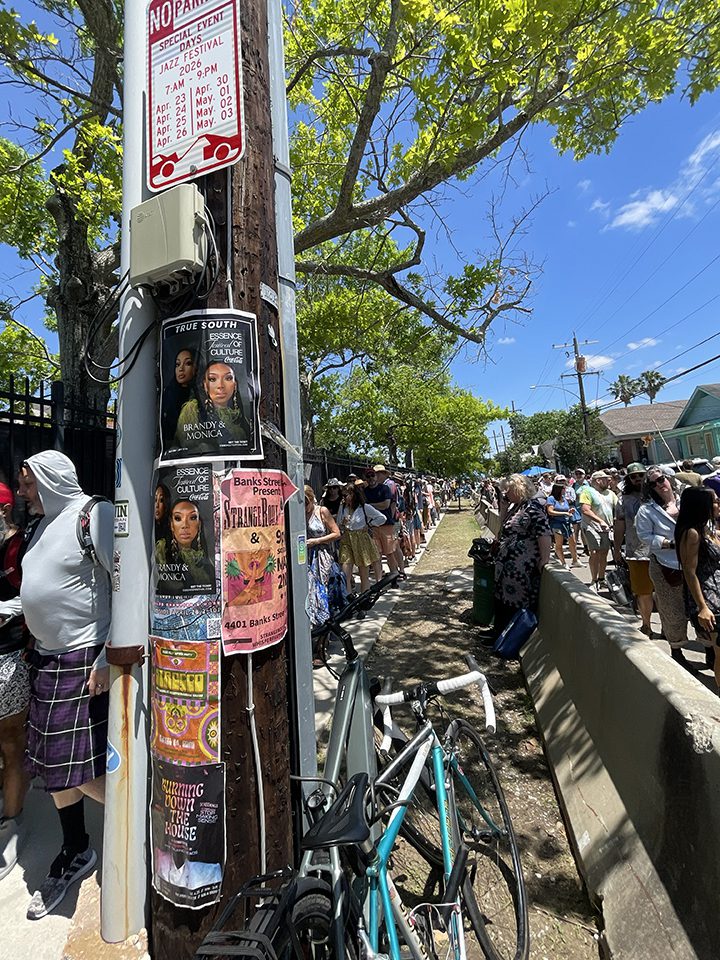
Music festivals and major outdoor events create sampling conditions that are difficult to replicate in any other environment. The audience has committed multiple days, traveled to a specific location, and arrived in an active state of sensory engagement. They are trying new things as a matter of course: new music, new food vendors, new experiences. The resistance that sampling encounters in a grocery aisle or a transit station is significantly reduced in a festival context, where openness to new experiences is part of the social contract of being there.
The social amplification dynamics of festival environments further extend the reach of each sampling moment. When a person tries a product and has a positive reaction in a festival context, they are typically within arm’s reach of several friends who immediately get drawn into the experience. The group trial dynamic at festivals is something that isolated individual sampling in a retail environment cannot produce. One effective sample at a festival is frequently five or six engagements because of the social group structure in which the audience moves.
Our team has executed festival product sampling programs at major outdoor events including music festivals in New York, Chicago, Los Angeles, Austin, and Nashville. The operational knowledge we bring to this work covers everything from the entry queue positioning that captures the audience before they are absorbed into the event geography to the cold chain management protocols that keep temperature-sensitive products safe across a full festival day in summer heat. This guide covers the full festival sampling operation from logistics planning through post-event reporting.
Why Festival Sampling Works as a Brand Building Format
Sampling at festivals works for reasons that go beyond the simple transaction of product delivery to hand. The festival environment primes the audience for trial in ways that most other sampling contexts do not. The audience is already in a state of heightened positive emotion, anticipating and experiencing music, community, and shared experience. Brand products encountered in that state benefit from an emotional halo effect that makes the trial more memorable and more likely to translate into post-festival purchase behavior.
The Trial-to-Purchase Pathway at Festivals
The trial-to-purchase pathway for festival sampling begins with the sample distribution moment but continues in the days and weeks after the festival through the memory of the experience. Festival attendees who tried a product they liked in a positive social context are more likely to seek it out after the event than people who tried the same product in a clinical sampling environment. The emotional memory of where and when they encountered the product is part of the brand association they carry forward.
For brands targeting the 21 to 35 demographic that dominates most music festival audiences, the festival sampling moment can become a formative brand experience that drives years of subsequent purchasing behavior. The economics of that lifetime value make the per-sample investment at a major festival highly favorable compared to most other trial-generation formats.
Sampling Formats and Positioning at Festivals
Festival product sampling can operate across several distinct geographies and formats depending on whether the brand has official access to the festival grounds or is working in the surrounding public zones.
Entry Queue Sampling: The Highest-Volume Position
The entry queue is the highest-concentration single-position sampling opportunity at most major festivals. Attendees waiting to enter are stationary or slow-moving, in a social and expectant state, and typically willing to engage with any experience that makes the wait more interesting. A sampling crew working an entry queue at a major festival can contact thousands of attendees in a two-hour window before gates open. The conversion from contact to trial is high because the audience is receptive and the sample represents a welcomed addition to the wait.
External Zone Perimeter Sampling
For brands without official festival access, the external zone surrounding the festival grounds is the primary sampling geography. Festival attendees moving between parking areas, transit connections, and the festival perimeter form pedestrian streams that can be worked effectively with mobile sampling crews. The proximity to the festival creates the same positive emotional priming that makes internal sampling effective, without requiring the sponsorship fee that internal access demands.
Festival District Sampling for Urban Events
Urban festival markets, where the festival footprint is embedded in an existing commercial district, create sampling opportunities in the surrounding neighborhood geography. Attendees who leave the festival grounds for meals or breaks move through the surrounding commercial area and are accessible for sampling in that zone. The urban festival district sampling window is often more extended than the single choke-point entry queue because it covers a larger geographic area across a longer daily window.
Logistics: Cold Chain, Equipment, and Supply Staging
Festival sampling logistics are substantially more complex than transit or retail sampling programs. The outdoor environment, the multi-hour deployment window, and the often limited access to permanent infrastructure require careful pre-event planning for equipment, product storage, and crew resupply.
Cold Chain Management
Temperature-sensitive products including beverages, dairy products, and anything that requires refrigeration need a cold chain management protocol built into the activation plan. Our standard protocol includes: a primary refrigerated vehicle or insulated staging tent positioned at an approved location in the crew resupply zone, carry coolers for individual crew members that are replenished every 60 to 90 minutes, product temperature logging at resupply checkpoints, and a discard protocol for product that exceeds safe temperature thresholds.
Cold chain failure at a festival, product that warms to an unsafe temperature and is still distributed, is both a brand and a liability risk. The logistics investment in proper cold chain management is not optional for any sampling program involving temperature-sensitive products.
Equipment and Materials Staging
Festival sampling equipment staging requires advance coordination for vehicle access, product delivery timing, and equipment storage location. We work with festival logistics contacts to establish our staging position before the event day, ensure that our vehicle access passes and crew credentials are confirmed, and stage product and equipment in the correct location relative to our deployment positions. Equipment that is staged in the wrong location on a festival day, requiring the crew to move product across the grounds with festival logistics, is a time cost that reduces deployment effectiveness significantly.
Crew Standards for Festival Sampling
Festival sampling crews need specific skills and characteristics that differ from street team or brand ambassador deployments in other environments. The physical demands of a full festival day, carrying sampling product, navigating crowds, and maintaining engagement energy across multiple hours in outdoor conditions, require crew members who are physically fit and experienced in outdoor event environments. We recruit festival sampling crews from our event and experiential marketing labor pool and require prior festival or outdoor event experience for all crew members in sampling programs.
Engagement Standards
A festival sampling ambassador does more than hand out product. They create the trial moment: the approach, the offer, the brief engagement that contextualizes the product and makes the trial memorable rather than passive. We brief our sampling crews on specific engagement sequences that deliver the brand message naturally in the festival context, without sounding scripted. The engagement needs to match the social energy of the festival environment: enthusiastic, genuine, brief enough to work in a fast-moving crowd but substantial enough to create a real product impression.
Permitting and Regulatory Compliance
Festival sampling programs operate within a regulatory framework that varies significantly by product category and by the specific geography of the sampling activity. Alcohol samples require appropriate state licensing. Food product samples require handling certifications in most states. Activations on public property in festival districts may require permits from the relevant municipality. Activations on private festival property require coordination with the festival production team regardless of sponsorship status.
Our team navigates permitting requirements as a standard part of campaign planning for every festival sampling program. The permit research begins at campaign planning, not the week before the event. Regulatory issues discovered close to the event date create logistics crises that are preventable with advance planning.
Documentation and Post-Event Reporting
Every festival sampling activation we run produces a post-event report including GPS-documented photography from crew positions, sample distribution counts by crew member and position, cold chain temperature logs for temperature-sensitive products, and field notes on audience engagement quality. The documentation provides proof of performance for the campaign stakeholder and builds the operational database that informs better sampling programs for future festivals in the same market or with the same audience profile.
For brands running multi-festival sampling programs across a festival season, the cumulative reporting creates a comparative performance picture that identifies which festival environments, which product presentation formats, and which crew positioning strategies produce the highest trial rates. That intelligence compounds across activations and produces better programs at each subsequent festival on the calendar.
Combining Festival Sampling with Physical Brand Presence
Festival sampling programs produce the strongest results when combined with physical brand presence in the surrounding area. Wheatpasting and poster campaigns in the neighborhoods surrounding major festival venues create advance awareness that primes the audience before they arrive. LED billboard trucks working the approach routes on the festival days reach vehicle-borne attendees before they enter the festival geography. Sidewalk stencils on the pedestrian approaches to the festival grounds create ground-level brand presence that every walking attendee encounters on their way in. Our full guerrilla marketing services suite is available as an integrated program around festival dates for brands that want comprehensive presence rather than a single-format activation.
Festival Audience Segmentation Within a Single Event
Major multi-stage music festivals host audiences that are more segmented than they appear at first glance. Different stages draw different crowd profiles: the main stage audience at a major festival is different from the electronic music stage audience, which is different from the emerging artist stage audience. Understanding this internal segmentation and positioning sampling crews in the zones that feed specific stage audiences allows for demographic targeting within the festival that is not possible with a single-position approach.
Stage-by-Stage Audience Mapping
For festivals with clear stage audience differentiation, we build crew position maps that place sampling crews in the pedestrian flow zones connecting the entry to the specific stages that attract the target demographic. A brand targeting the 18 to 24 hip-hop audience positions crews differently than a brand targeting the 28 to 40 craft beer audience at the same festival. The internal festival geography, which pathways lead to which stages, which vendor zones are adjacent to which stages, shapes the most efficient sampling position for each specific target profile.
Festival Sampling for Alcohol Brands
Alcohol brands face specific regulatory requirements in festival sampling environments that vary significantly by state and by the specific festival site jurisdiction. Some states allow alcohol sampling with appropriate sampling permits. Others restrict it entirely in outdoor public environments. Festival-specific alcohol restrictions may differ from general state law based on the festival’s special event permit conditions. Our team researches the specific regulatory environment for each festival and state before building alcohol sampling programs, and works with the relevant license holders to structure legal and compliant sampling activations.
For alcohol brands in states where festival sampling is restricted or limited, non-alcoholic brand presence formats, including branded merchandise distribution, interactive brand experiences, and promotional material campaigns that drive traffic to retail and digital channels, provide an alternative path to festival audience engagement that keeps brand presence active in the festival context without sampling activity that exceeds the regulatory permissions.
Multi-Day Festival Campaign Optimization
Multi-day festivals, events that run over two, three, or four consecutive days, create an optimization opportunity that single-day events do not. Day-one performance data from crew position logs, sample distribution counts, and engagement quality observations provides real-time information that can improve day-two positioning, timing, and crew briefing before the next day’s activation begins.
We run post-day debriefs with the crew after each day of a multi-day festival activation. The debriefs cover which positions produced the highest engagement rates, what audience segments were most receptive to the brand and the sample format, which crew behaviors generated the best organic conversation, and what adjustments to the timing and crew rotation produced better distribution efficiency. The optimization compounds: a day-three festival sampling activation that has been adjusted based on two days of field intelligence is substantially more effective than a day-one deployment running on pre-event assumptions alone.
Festival Sampling Documentation: Beyond the Photo Report
GPS-documented photo reports are the standard deliverable for festival sampling programs, but the most valuable documentation from a well-run festival sampling activation goes beyond photographs. Crew supervisor field notes from each session capture qualitative insights that photographs cannot convey: how attendees responded to the product when tasting it, what questions they asked, what language they used to describe the experience to their companions, and what competing products or experiences were drawing their attention in the same sampling zone.
These field notes inform product positioning, messaging, and activation format decisions for future campaigns with the same brand and similar audience profiles. The festival is a real-world market research environment. A well-documented sampling activation generates consumer insight data that is worth substantially more than the product distribution data alone. Brands that treat the field team as a source of qualitative market intelligence, not just a distribution mechanism, get significantly more strategic value from their festival sampling investment.
Health and Safety Protocols in Festival Sampling
Festival sampling programs for food and beverage products operate within health and safety frameworks that go beyond the general outdoor event standards. Sample handling procedures, crew hygiene standards, product temperature management, and allergen disclosure requirements all apply to food and beverage sampling in festival environments. Professional sampling agencies implement these protocols as baseline operational standards, not optional add-ons. Any sampling program that does not address food safety as a primary operational requirement creates both a consumer health risk and a brand liability risk that no activation result can justify.
Our festival sampling programs include allergen disclosure training for all crew members handling food products, product temperature logging protocols, crew hand hygiene standards, and a clear discard threshold for product that has been exposed to temperatures outside safe handling ranges. These standards are non-negotiable in our program design and are reviewed during crew briefing for every food and beverage sampling activation regardless of the specific product category.
Branded Merchandise Distribution at Festivals
Branded merchandise distribution alongside product sampling creates a dual-format activation that extends the campaign’s reach and creates physical brand artifacts that persist beyond the sampling moment. Merchandise items with festival cultural relevance, branded tote bags, bandanas, water bottles, and other functional items that fit the festival-goer’s needs, generate carry-through brand presence across the full festival experience. The fan who receives a useful branded item during the entry queue encounters the brand again every time they use the item during the festival, and often carries the item home as a festival memory artifact.
The selection of branded merchandise items for festival sampling programs requires understanding both the functional needs of the festival environment and the cultural aesthetics of the specific festival audience. A merchandise item that is genuinely useful in the festival context, and that the audience will actually carry and use, generates far more brand impressions than a branded item that gets accepted at the queue and dropped in a festival bin an hour later. Our team advises on merchandise selection based on festival-specific knowledge of what items festival audiences actually value in each event context.
Frequently Asked Questions
What is festival product sampling?
Festival product sampling is the distribution of product samples to attendees at music festivals, outdoor events, and cultural festivals. Sampling activations at festivals generate brand trial in a high-energy social environment where attendees are open to new experiences and peer social amplification extends the reach of each sample distributed.
What products work best for festival sampling?
Food and beverage products have the highest natural fit in festival environments. Energy drinks, snack products, beverage brands, and wellness products are strong performers. Personal care products with immediate festival-relevant utility, like sunscreen or lip balm, also generate high engagement.
Do you need official festival sponsorship to sample at a festival?
Official festival sponsorship provides access inside the festival grounds. Sampling in the external geography surrounding festival venues does not require official sponsorship and often reaches as many attendees at a fraction of the cost.
How do you manage cold chain for festival sampling?
Festival sampling programs for temperature-sensitive products require insulated coolers staged at crew resupply points, regular replenishment cycles from a primary cold storage unit, and monitoring of product temperature throughout the deployment window. Professional sampling agencies manage cold chain as a standard logistics element.
How many samples can a festival sampling crew distribute per day?
A well-deployed festival sampling crew of six to eight people can distribute 2,000 to 5,000 samples per day at a major festival, depending on sample format, festival footprint, and crew positioning.
How much does festival product sampling cost?
Crew and logistics typically run $4,000 to $12,000 per festival day depending on crew size and operational requirements. Product costs are separate. Multi-festival programs can be structured with reduced per-event logistics costs.