College experiential marketing is based on a simple insight: students do not want to be advertised at. They want to experience things. When a brand creates a genuine experience that students participate in, rather than a message they are supposed to receive, the resulting brand connection is qualitatively different from anything passive advertising can create. It becomes part of the student’s college memory rather than background noise.
At American Guerrilla Marketing, based at Industry City in Brooklyn, our team has built college experiential marketing programs across categories including food and beverage, technology, financial services, personal care, and consumer goods. We create the live brand moments that students remember, share, and talk about, and that translate into the kind of genuine brand loyalty that companies spend decades and enormous budgets trying to achieve through advertising alone.
This article covers what effective college experiential marketing looks like, the formats that generate the strongest student response, and how to build activations that are both genuinely engaging and commercially measurable.
The Experiential Marketing Advantage in College Markets
College students have several characteristics that make experiential marketing particularly powerful with this demographic:
Experience orientation: Students are in a life phase where experiences are disproportionately valued. They are building a set of memories and stories that will define their college years. A brand that creates a genuinely memorable experience becomes part of that story. A brand that runs banner ads on their Instagram feed is simply not.
Social sharing immediacy: When a student has a good brand experience, they share it immediately with the people around them and with their digital social network simultaneously. The same social reflexes that make digital advertising ineffective (fast-scrolling, instant dismissal) make experiential marketing amplified (immediate organic sharing of anything worth capturing).
Peer influence density: Campus social networks are dense and highly influential. A brand experience that one student shares enthusiastically with their friend group can spread through a campus social community with remarkable speed and authenticity. Students trust each other’s direct experiences far more than they trust any brand message.
Advertising resistance: The same students who reflexively dismiss digital advertising will stop and engage with something genuinely interesting happening in their real environment. Experiential marketing works precisely because it does not feel like advertising. It feels like an event, a discovery, a gift, or an experience worth paying attention to.
Core Formats of College Experiential Marketing
Our team deploys several core experiential formats in college campaigns:
Product Discovery Events: Structured sampling activations that go beyond the simple handoff to create a genuine product discovery experience. The physical setup, the ambassador interaction, and the product trial moment are designed as a coherent experience rather than a transactional promotion. Students who have a genuinely positive product discovery moment are far more likely to become buyers than those who receive a sample in a generic handoff.
Campus Neighborhood Installations: Ambient brand experiences placed in the campus neighborhood that students encounter organically in their daily movement. Wheatpaste art that is genuinely compelling becomes a neighborhood feature that students photograph and discuss. Sidewalk installations that surprise and delight create genuine discovery moments. These ambient experiential elements create brand encounters without requiring students to do anything except move through their usual environment.
Pop-Up Brand Experiences: Temporary branded experiences positioned near campus that students can visit and engage with on their own terms. Unlike traditional brand events that feel promotional, a well-designed pop-up creates a space that students want to enter because there is something genuinely interesting or valuable inside. The brand presence is real but secondary to the experience that drives the visit.
Ambassador-Led Demonstrations: Our brand ambassador teams in college markets are trained to create genuine demonstration moments rather than pitches. A demonstration that is informative, interesting, and genuinely shows why a product is valuable creates a qualitatively different experience than a promotional handoff. The best ambassador demonstrations draw small crowds of curious students who all leave with a clear understanding of why the product is worth trying.
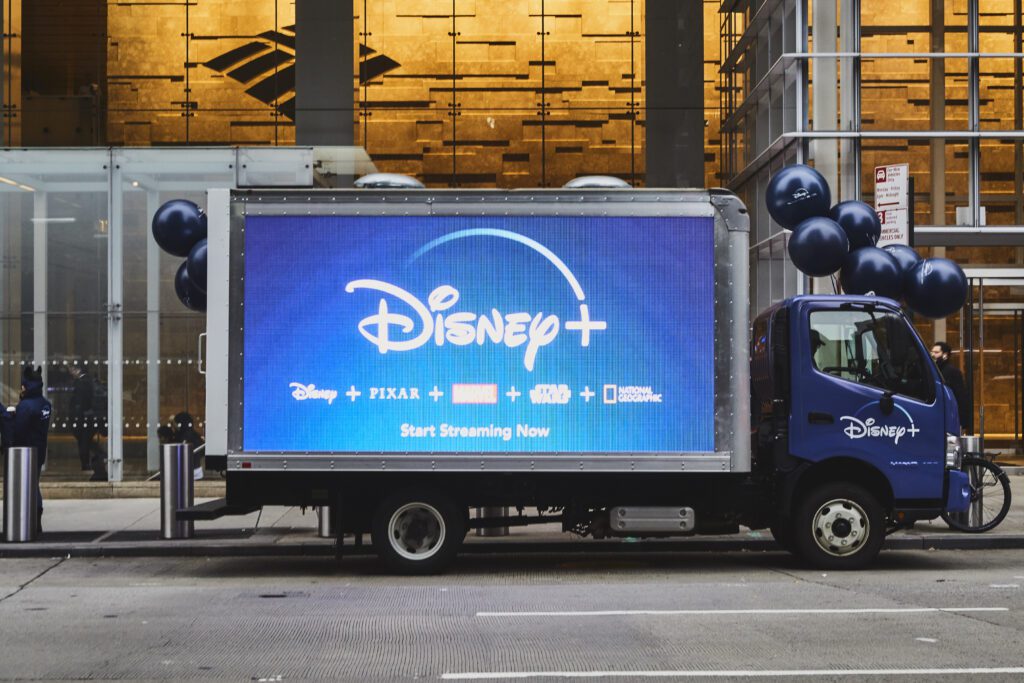
Mobile Spectacle: LED billboard trucks on campus-adjacent streets create mobile experiential moments. Students encountering a large, visually compelling vehicle moving through their neighborhood have an unexpected real-world experience that generates genuine attention and organic social documentation. The novelty of the format in a campus environment creates the kind of surprise that drives sharing.
Designing for Social Amplification
The most effective college experiential marketing activations are designed from the beginning with social sharing in mind. Every element is considered through the lens of: what does this look like when a student holds up their phone to capture it?
Visual compositions that are interesting from multiple angles. Color and lighting that photograph well in both daylight and evening conditions. Brand visibility that is clear enough to be identifiable in a shared photo without being so overbearing that it undermines the organic feel of the content. Something happening or visible that would make a viewer want to like, comment, or reshare.
When these design considerations are integrated from the beginning rather than added as an afterthought, college experiential activations consistently generate organic social reach that multiplies the direct impression count many times over. A visually compelling campus installation might be photographed and shared by dozens to hundreds of students, reaching their combined networks of followers who never physically encountered the installation themselves.
Timing College Experiential Marketing for Maximum Impact
The academic calendar creates distinct windows that dramatically affect experiential marketing effectiveness. Back to School is the highest-value period, with students in their most exploratory, socially energized state. Spring semester offers a second major window. Campus events throughout the year create concentrated opportunities for experiential activations tied to specific student social moments.
Within the academic year, we avoid exam period windows where students are stressed and inward-focused. We target high-social-energy moments: the first weeks of semester, the weekend social peaks, major campus event periods, and the spring outdoor season when students are physically outside and naturally more open to encountering interesting things in their environment.
Measurement Framework for College Experiential Marketing
Every experiential campaign we run includes agreed-upon measurement metrics before launch. Standard metrics include direct participation counts (students who engaged with the activation), product trial volume (samples or demonstrations delivered), opt-in collection, social amplification (organic sharing tracked through hashtag and geotag monitoring), and for brands with student purchase data, correlations between experiential activation and subsequent purchase behavior.
What is college experiential marketing?
College experiential marketing is any live, participatory brand experience designed to engage college students directly. Rather than broadcasting a message at students, experiential marketing invites students into a brand experience, whether through product sampling, interactive installations, pop-up events, demonstrations, or ambassador-driven activations that create genuine moments of brand connection.
Why is experiential marketing particularly effective with college students?
College students are in a formative life stage where real experiences create disproportionately strong memories. They are also highly social, meaning that a good brand experience is immediately shared with friend groups and across social media. And they are highly resistant to passive advertising, making the participatory, earned-attention nature of experiential marketing especially important in this demographic.
What are the best college experiential marketing formats?
Product trial events where students experience the product for the first time with an engaging brand story. Interactive installations in campus neighborhoods that invite participation and are visually shareable. Pop-up experiences at campus events or adjacent locations. Ambassador-led demonstrations that are genuinely informative or entertaining. Any format that puts the student in active, positive contact with the brand rather than passive receipt of a message.
How do you design a college experiential marketing activation for social sharing?
Design for photography first. Ask: what does this look like when a student holds up their phone to capture it? Is the visual composition interesting? Is the brand clearly visible but not overbearingly corporate? Is there something happening that a viewer would want to see and share? Good campus experiential activations are designed as content opportunities for students, not advertising for the brand.
What is the best time of year for college experiential marketing?
Back to School (late August through September) consistently delivers the highest results because students are in the most exploratory, socially energized phase of their academic year. Spring semester is the second major window. Within-semester activations tied to specific campus events or cultural moments can generate strong results year-round.
How does college experiential marketing differ from event marketing?
Event marketing is presence at existing campus events. Experiential marketing creates the event. A pop-up brand experience that students come to, an installation they discover organically in the campus neighborhood, a product demonstration that draws a crowd: these are brand-created experiential moments rather than activations within someone else’s event.
What budget is needed for a college experiential marketing campaign?
College experiential marketing budgets range from modest ambassador-led sampling programs to complete multi-campus activation programs. We design programs at multiple budget levels and help clients identify the format and scale that will deliver the strongest return for their specific goals. Contact our team for a customized proposal based on your campus targets and campaign objectives.
Campaign Architect – American Guerrilla Marketing
Frequently Asked Questions
What is college experiential marketing?
College experiential marketing is any live, participatory brand experience designed to engage college students directly. Rather than broadcasting a message at students, experiential marketing invites students into a brand experience, whether through product sampling, interactive installations, pop-up events, demonstrations, or ambassador-driven activations that create genuine moments of brand connection.
Why is experiential marketing particularly effective with college students?
College students are in a formative life stage where real experiences create disproportionately strong memories. They are also highly social, meaning that a good brand experience is immediately shared with friend groups and across social media. And they are highly resistant to passive advertising, making the participatory, earned-attention nature of experiential marketing especially important in this demographic.
What are the best college experiential marketing formats?
Product trial events where students experience the product for the first time with an engaging brand story. Interactive installations in campus neighborhoods that invite participation and are visually shareable. Pop-up experiences at campus events or adjacent locations. Ambassador-led demonstrations that are genuinely informative or entertaining. Any format that puts the student in active, positive contact with the brand rather than passive receipt of a message.
How do you design a college experiential marketing activation for social sharing?
Design for photography first. Ask: what does this look like when a student holds up their phone to capture it? Is the visual composition interesting? Is the brand clearly visible but not overbearingly corporate? Is there something happening that a viewer would want to see and share? Good campus experiential activations are designed as content opportunities for students, not advertising for the brand.
What is the best time of year for college experiential marketing?
Back to School (late August through September) consistently delivers the highest results because students are in the most exploratory, socially energized phase of their academic year. Spring semester is the second major window. Within-semester activations tied to specific campus events or cultural moments can generate strong results year-round.
How does college experiential marketing differ from event marketing?
Event marketing is presence at existing campus events. Experiential marketing creates the event. A pop-up brand experience that students come to, an installation they discover organically in the campus neighborhood, a product demonstration that draws a crowd: these are brand-created experiential moments rather than activations within someone else’s event.
What budget is needed for a college experiential marketing campaign?
College experiential marketing budgets range from modest ambassador-led sampling programs to complete multi-campus activation programs. We design programs at multiple budget levels and help clients identify the format and scale that will deliver the strongest return for their specific goals. Contact our team for a customized proposal based on your campus targets and campaign objectives.
How early should a brand start planning?
For most campaigns, the smart move is to start planning at least two to four weeks before the launch window so production, routing, staffing, and reporting are all lined up.
What makes one market perform better than another?
Market fit depends on audience density, neighborhood behavior, route efficiency, and whether the creative belongs in that setting. The busiest city is not always the best city.
Can AGM bundle this with other services?
Yes. AGM often combines this work with supporting formats so the campaign has stronger repetition and cleaner reporting across the whole run.
How does AGM quote pages like this?
We quote from official rate cards where they apply, then scope the remaining production, staffing, and routing details to the actual job.