College event marketing puts a brand at the center of the moments when students are most socially connected, emotionally engaged, and open to new experiences. Campus events, from football games to orientation weeks to club fairs, concentrate student energy in ways that everyday campus movement never quite matches. These concentrations are also marketing gold for brands that know how to activate within them.
At American Guerrilla Marketing, based at Industry City in Brooklyn, our team has built college event marketing programs for brands across categories. We design activations that integrate with the event experience rather than interrupting it, creating brand moments that students remember and talk about rather than dismiss as promotional intrusions. Our brand ambassador crews, sampling programs, and outdoor marketing elements work together to create layered event presence that reaches students before, during, and after the event itself.
This article covers the strategy, tactics, and logistics of college event marketing done well.
Why Campus Events Are Premium Marketing Moments
Campus events create marketing conditions that everyday campus life cannot match. Students at events are in high-positive-emotion states. They are with their friends, their social groups, their teammates, their classmates. They are in a celebratory or communal mindset that makes them dramatically more receptive to brand encounters than they are during their standard academic routine.
The social concentration amplifies the value further. When a student has a genuinely positive brand encounter at a campus event and is immediately surrounded by friends who saw the same thing, the social sharing and word-of-mouth happens instantly and organically. Product samples that get distributed at a tailgate get discussed and shared among the friend group present. Brand moments at a homecoming concert become part of the shared memory of that event.
This social context is the primary reason that college event marketing generates per-impression results that routine campus distribution campaigns cannot match. The event environment creates conditions where brand encounters are more memorable and more likely to be shared.
The College Event Marketing Calendar
Understanding which events to target requires mapping the annual campus event calendar at each target school. Key event categories include:
Orientation Events: The most strategically valuable event category for most brands because new students are in the most formative brand moment of their college lives. Orientation week concentrates incoming students, who are forming their first campus brand relationships, in a context of maximum openness and social exploration. Brands that reach students here establish relationships before competing brands even have an opportunity to make contact.
Major Athletic Events: At schools with strong athletic programs, football and basketball games draw tens of thousands of students and fans in high-energy, outdoor or arena environments. The tailgate period before these events is often the most accessible and highest-energy brand activation window, combining large crowds with outdoor accessibility and a celebratory context that makes sampling and brand interaction natural.
Homecoming: Homecoming events across multiple days concentrate high-engagement student participation across multiple contexts including parade events, concerts, alumni events, and the game itself. Multi-day homecoming periods allow sustained brand presence across different student segments and events throughout the week.
Student Activity Fairs: Club fairs and activity fairs at the start of each semester explicitly invite brand participation and concentrate students who are actively exploring new campus experiences. These events often have the most direct path to brand discovery intent of any campus event.
Greek Life Events: Greek organization events including recruitment events, philanthropy fundraisers, and social events concentrate influential student social groups. Brands with products that align well with Greek social culture can build community-wide brand relationships through Greek organization partnership.
Music and Cultural Events: Campus concerts, arts performances, cultural festivals, and interest-specific events concentrate student segments with specific demographic and lifestyle profiles. The right brand match with the right cultural event creates extremely high audience alignment at manageable scale.
Access Strategies for Campus Event Marketing
Getting brand presence at campus events requires different strategies depending on the event type and the access controls in place.
Official Event Sponsorship: Many campus events have sponsorship tiers that provide formal brand presence at the event itself, including tabling, signage, co-branding on event communications, and ambassador access within the venue. These are the most direct access route for events with formal commercial sponsorship programs.
Student Organization Partnership: Partnering with the student organizations that run specific events provides both event access and built-in community credibility. A brand that is genuinely supporting a student organization’s event, rather than just buying a sponsorship slot, creates a different quality of community relationship.
Event-Adjacent Activation: For events where formal brand access is not available or is cost-prohibitive, activating in the physical spaces immediately surrounding the event creates brand encounters with the event audience without formal access. Approach corridors, parking areas, shuttle routes, and the bars and restaurants in the event neighborhood all offer access to the same audience through adjacent rather than integrated presence.
Event Activation Formats That Work
Within college event marketing, specific activation formats generate the strongest results:
Ambassador Crews in Approach Corridors: Teams positioned in the high-traffic approaches to event venues reach the full arriving audience before the event begins. This window, when students are walking toward the venue in groups and are in a pre-event excited mindset, is often the highest-quality interaction window of the entire event period.
Sampling Stations at Tailgates and Social Zones: Fixed sampling stations in the outdoor social zones before and after events create high-dwell-time brand encounters where students are stationary and socially engaged rather than moving through a corridor.
LED Truck Routes: LED billboard trucks routed through the approach streets and parking areas create high-visibility brand exposures at the scale of the full arriving and departing crowd. These are particularly effective at large athletic events where thousands of students are moving through a defined geographic area simultaneously.
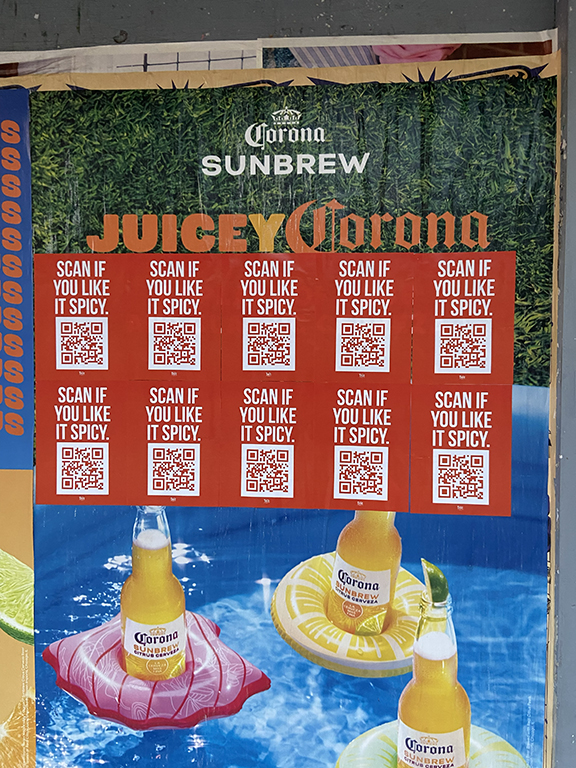
Wheatpaste in Event Neighborhoods: Wheatpasting in the residential and commercial areas surrounding the event venue in the days before the event creates pre-event brand awareness that primes students for event-day activation encounters.
Measuring College Event Marketing ROI
Event marketing metrics include direct engagement counts (ambassador interactions, samples distributed, opt-ins collected), social amplification (organic sharing by event attendees), and for brands with purchase data, correlations between event activation and subsequent student purchase behavior. We track all of these through our team’s real-time reporting system and compile results into post-event reports that give clients a clear performance picture.
What is college event marketing?
College event marketing is the practice of building brand presence and driving engagement at campus events where students are concentrated, socially engaged, and emotionally receptive. This includes activating at sporting events, concerts, orientation events, club fairs, Greek life events, homecoming, and any other campus gathering where the target student audience is present.
What campus events offer the best marketing opportunities?
Football and basketball games at schools with strong athletic programs draw the largest crowds with the highest energy. Orientation events concentrate new students in their most brand-receptive moment. Student activity fairs are designed for brand discovery. Homecoming and Greek life events concentrate high-engagement student social groups. The right events depend on the brand’s target student profile.
How do we get brand access to campus events?
Access routes vary by event type. Official event sponsorships provide formal brand presence at the event itself. Student organization partnerships provide access to their events and communications. Off-campus event presence near the venue captures the same audience without formal access. Our team maps the right access route for each target event based on the brand’s goals and budget.
What does brand activation at a college event look like?
Event activation can include ambassador street teams working the crowd outside the venue, product sampling stations in approach corridors, branded giveaways distributed to attendees, interactive brand experiences near the event, LED truck presence on the event approach streets, and wheatpasting in the areas surrounding the venue.
Is college event marketing more effective for certain product categories?
Food and beverage brands have natural fit with tailgate and social event contexts. Sports nutrition and active lifestyle brands fit well with athletic event marketing. Tech and app products benefit from demonstration at interest-aligned events. Financial services brands targeting new students do well at orientation events. Almost every category has college events that align well with their audience.
How do we measure college event marketing results?
We track ambassador interactions, samples distributed, opt-ins collected, branded material distribution, social amplification from attendees who share activation moments, and for brands with purchase data, correlations between event activation and subsequent purchase behavior among the student segment.
Can AGM coordinate college event marketing across multiple campuses simultaneously?
Yes. We coordinate event activations across multiple campuses, managing ambassador staffing, material production, logistics, and reporting in each market from a centralized team. For brands running event activations around recurring events like football Saturdays across multiple schools, we build repeatable activation systems that maintain consistency across markets.
Campaign Architect – American Guerrilla Marketing
Frequently Asked Questions
What is college event marketing?
College event marketing is the practice of building brand presence and driving engagement at campus events where students are concentrated, socially engaged, and emotionally receptive. This includes activating at sporting events, concerts, orientation events, club fairs, Greek life events, homecoming, and any other campus gathering where the target student audience is present.
What campus events offer the best marketing opportunities?
Football and basketball games at schools with strong athletic programs draw the largest crowds with the highest energy. Orientation events concentrate new students in their most brand-receptive moment. Student activity fairs are designed for brand discovery. Homecoming and Greek life events concentrate high-engagement student social groups. The right events depend on the brand’s target student profile.
How do we get brand access to campus events?
Access routes vary by event type. Official event sponsorships provide formal brand presence at the event itself. Student organization partnerships provide access to their events and communications. Off-campus event presence near the venue captures the same audience without formal access. Our team maps the right access route for each target event based on the brand’s goals and budget.
What does brand activation at a college event look like?
Event activation can include ambassador street teams working the crowd outside the venue, product sampling stations in approach corridors, branded giveaways distributed to attendees, interactive brand experiences near the event, LED truck presence on the event approach streets, and wheatpasting in the areas surrounding the venue.
Is college event marketing more effective for certain product categories?
Food and beverage brands have natural fit with tailgate and social event contexts. Sports nutrition and active lifestyle brands fit well with athletic event marketing. Tech and app products benefit from demonstration at interest-aligned events. Financial services brands targeting new students do well at orientation events. Almost every category has college events that align well with their audience.
How do we measure college event marketing results?
We track ambassador interactions, samples distributed, opt-ins collected, branded material distribution, social amplification from attendees who share activation moments, and for brands with purchase data, correlations between event activation and subsequent purchase behavior among the student segment.
Can AGM coordinate college event marketing across multiple campuses simultaneously?
Yes. We coordinate event activations across multiple campuses, managing ambassador staffing, material production, logistics, and reporting in each market from a centralized team. For brands running event activations around recurring events like football Saturdays across multiple schools, we build repeatable activation systems that maintain consistency across markets.
How early should a brand start planning?
For most campaigns, the smart move is to start planning at least two to four weeks before the launch window so production, routing, staffing, and reporting are all lined up.
What makes one market perform better than another?
Market fit depends on audience density, neighborhood behavior, route efficiency, and whether the creative belongs in that setting. The busiest city is not always the best city.
Can AGM bundle this with other services?
Yes. AGM often combines this work with supporting formats so the campaign has stronger repetition and cleaner reporting across the whole run.
How does AGM quote pages like this?
We quote from official rate cards where they apply, then scope the remaining production, staffing, and routing details to the actual job.