Advertising Agencies in Seattle Washington: The Street-Level Guide for 2026
Seattle Washington’s consumer market is among the most educated and affluent in the country, shaped by technology industry culture and Pacific Northwest outdoor values. Marketing here rewards authenticity.
Seattle is one of the most interesting advertising markets in the country for brands targeting technology, outdoor lifestyle, food and beverage, and progressive consumer segments. The city has the highest concentration of technology industry employment of any US market outside of Silicon Valley, a deeply embedded outdoor culture shaped by proximity to the Cascades and Puget Sound, and a consumer base that is among the most educated and affluent in the country.
It is also a market where the advertising agency network has developed in a distinctly Pacific Northwest way: independent, entrepreneurial, and skeptical of the corporate marketing approaches that dominate larger markets. The best advertising in Seattle tends to feel genuine, local, and aware of the city’s cultural identity in ways that generic national campaigns do not.
Seattle’s Consumer Market and What It Means for Advertising
Seattle’s consumer base is shaped by several defining characteristics:
Technology Industry Demographics
Amazon, Microsoft, Google, Meta, and dozens of other technology companies have major Seattle operations. The result is a consumer base with unusually high average incomes, high brand engagement, and strong technology adoption. Technology industry consumers in Seattle are brand-aware, research-driven, and have more disposable income than average. They are also extremely skeptical of marketing that feels inauthentic or that does not genuinely fit the Pacific Northwest context.
Outdoor Lifestyle Culture
Seattle is surrounded by mountains, water, and outdoor recreation opportunities that shape the cultural identity of a significant portion of the population. Outdoor brands — gear, apparel, footwear, food, and beverage — have a highly receptive audience here. The lifestyle overlap between technology workers and outdoor enthusiasts is higher in Seattle than virtually any other major market, creating unusual opportunities for brands that sit at that intersection.
Local-First Consumer Values
Seattle consumers have a strong preference for local, independent, and authentic brands over corporate alternatives. This does not mean national brands cannot succeed in Seattle — they clearly do. But it does mean that marketing approaches that emphasize genuine local knowledge and authentic connection to Seattle’s culture tend to outperform approaches that feel generic or outsider.
Seattle’s Advertising Agency network
Seattle’s advertising agency market is smaller than LA, New York, or Chicago, but has genuine quality in specific areas. The technology marketing segment is particularly strong, with agencies that have built deep expertise in reaching technology consumers and supporting technology brands. Several nationally recognized creative agencies have Seattle headquarters or significant Seattle operations.
The independent agency segment is healthy and reflects the city’s entrepreneurial culture. Boutique shops with 10-30 people doing focused work in specific categories are common, and the quality among the better independents is high.
What Seattle’s agency market has less of is the field execution infrastructure that larger markets have. Guerrilla and street-level campaign execution in Seattle typically requires either a local specialist with existing vendor relationships or a national firm like AGM that brings its own execution infrastructure to the market.
Seattle Neighborhoods as Advertising Environments
Seattle’s neighborhoods have distinct consumer characters that matter for campaign planning:
Capitol Hill: Seattle’s most active street-level advertising environment. High concentration of young, brand-aware consumers, LGBTQ+ community concentration, active nightlife and restaurant scene, strong organic social documentation culture. This is the neighborhood most comparable to Williamsburg in Brooklyn or Silver Lake in LA.
Fremont: Known as the “Center of the Universe” and home to Seattle’s quirky, counterculture creative community. Strong local arts and food scene. Campaigns that feel genuinely local and community-connected perform well here.
Ballard: Rapidly developing neighborhood with a mix of Scandinavian heritage, brewery culture, and young professional demographics. Growing commercial strip with solid foot traffic.
South Lake Union: Amazon’s headquarters neighborhood. Dense concentration of technology industry workers. High daytime foot traffic during business hours. Strong demographics for technology, food, and professional service brands.
Pioneer Square: Arts district with a mix of creative professionals, nightlife, and sports event adjacents (near T-Mobile Park). Active on game days for the Mariners and Seahawks.
University District: University of Washington campus adjacent. Strong concentration of college students and young adult demographics. High engagement with brand campaigns that feel relevant to their age group and interests.
Seattle’s weather is a real planning consideration for outdoor campaigns. The city averages around 150 rainy days per year. Summer (June through September) is the strongest period for outdoor placements, with substantially lower precipitation and higher foot traffic in outdoor areas. AGM plans Seattle campaigns with weather timing as a primary consideration and has contingency protocols for weather impacts on outdoor materials.
Guerrilla and Street-Level Advertising in Seattle
Seattle’s physical advertising environment rewards campaigns that feel authentically local. The city’s consumers are highly attuned to advertising that feels designed for them versus advertising that was produced generically and dropped into their market. This creates a high bar for quality and cultural awareness but also means that well-executed campaigns that feel genuinely Seattle can generate strong organic response.
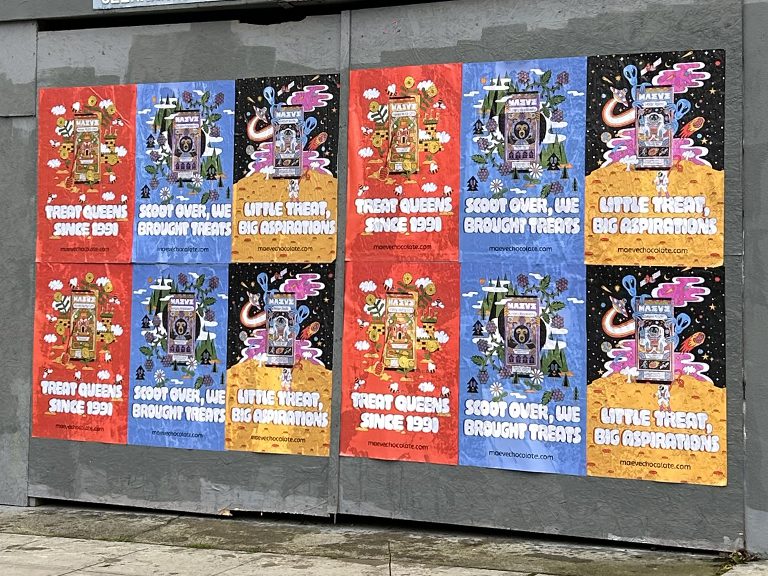
Wheat paste campaigns and poster campaigns in Capitol Hill, Fremont, and Ballard reach the most relevant consumer concentrations for brands targeting young, culturally active, and brand-aware consumers. Street team activations during major Seattle events — the Capitol Hill Block Party, Bumbershoot, the Seattle Marathon — reach highly concentrated audiences in an experience-ready mindset.
AGM executes campaigns in Seattle with genuine market knowledge. We understand the neighborhood-level consumer segmentation and the timing patterns that affect campaign effectiveness. We provide photo documentation, route maps, and summary reports for every Seattle campaign, with documentation delivered within 5 business days of campaign completion.
Seattle Neighborhood
Consumer Character
Best Campaign Types
Key Streets
Capitol Hill
Young, creative, LGBTQ+ community
Poster campaigns, wheat paste, street teams
Broadway Ave, Pine St, Pike St
Fremont
Creative, counterculture, local-first
Community campaigns, ambient, street teams
Fremont Ave N, 36th St
Ballard
Young professionals, brewery culture
Poster campaigns, event adjacents
Ballard Ave NW, Market St
South Lake Union
Tech workers, young professionals
Street teams, ambient, lunch-hour activations
Westlake Ave, Dexter Ave
University District
Students, young adults
Campus adjacents, street campaigns
University Ave NE (The Ave)
Pioneer Square
Arts community, sports event crowds
Event adjacents, ambient installations
1st Ave S, Occidental Ave
What to Look for in Seattle Advertising Partners
For brands evaluating advertising partners in Seattle, the relevant criteria are:
Genuine Seattle market knowledge — neighborhood-level consumer understanding, not just general city familiarity
Cultural awareness of the Pacific Northwest context — agencies that understand Seattle’s local-first values and outdoor culture
Technology industry experience if that is your target category — Seattle’s tech consumer is a specific demographic with specific media habits
Field execution capability for physical campaigns — local vendor relationships or national execution infrastructure
For physical and street-level work specifically, AGM brings national execution infrastructure to the Seattle market. We do not rely on local vendor networks whose quality varies. We bring our own field staff standards, documentation protocols, and operational discipline to every Seattle campaign, the same as in our home market of New York.
Seattle Technology Brands and Guerrilla Marketing
Technology brands operating in Seattle face a specific marketing challenge: their consumer base is sophisticated enough to see through generic marketing, skeptical of traditional advertising approaches, and more likely to respond to campaigns that feel genuinely relevant to their life experience than to standard consumer advertising.
Guerrilla and experiential marketing, done correctly, tends to work better with this consumer segment than most other campaign formats. A surprise-based event activation at South Lake Union during lunch hour reaches Amazon workers in a context where they are receptive and where the campaign can feel genuinely interesting rather than intrusive. A well-placed and visually strong poster campaign in Capitol Hill reaches the same technology workers in their leisure environment with a completely different mode of engagement.
The key is that the creative and the execution both need to be high enough quality to meet the visual standards of a consumer base that is surrounded by exceptional design and creative work in their professional environment. Mediocre creative in a guerrilla campaign will be noticed and dismissed. Strong creative will be noticed and shared.
Seattle’s Organic Documentation Culture
Seattle consumers, particularly in Capitol Hill and the creative neighborhoods, have an active organic social documentation culture around interesting urban experiences. A well-executed street campaign in the right Seattle location has a reasonable probability of appearing in Instagram and social posts from consumers who encounter it, extending the campaign’s reach organically beyond the consumers who see it in person.
This documentation culture is built on Seattle’s general tech-savvy population and the high smartphone usage and social media engagement of the creative demographics concentrated in Capitol Hill and Fremont. For brands planning Seattle campaigns with organic amplification goals, location selection should specifically include neighborhoods where this documentation culture is strongest.
Amazon’s Effect on Seattle’s Consumer Market
Amazon’s headquarters presence in South Lake Union has transformed the surrounding neighborhood and had broader effects on Seattle’s consumer market. The influx of highly paid technology workers has increased disposable income concentrations in Seattle’s North End neighborhoods and driven restaurant, retail, and entertainment development that creates new advertising opportunities.
Technology workers at Amazon and other Seattle tech companies are a specific and valuable consumer demographic: high income, high brand engagement, research-oriented purchasing behavior, and strong online and offline media consumption. Campaigns that reach this demographic in their leisure environments — Capitol Hill on evenings and weekends, South Lake Union and Belltown during the workday — connect with consumers who have significant purchasing power and strong brand influence within their social networks.
Seattle’s Green Consumer Values and What They Mean for Marketing
Seattle consumers consistently index higher than the national average on environmental consciousness and sustainability values. This affects brand evaluation in categories from food and beverage to outdoor gear to consumer electronics. Brands that can authentically connect to these values — through product attributes, brand practices, or campaign messaging that resonates with Pacific Northwest environmental consciousness — tend to build stronger connections with Seattle consumers than brands that ignore this value dimension.
Physical campaign approaches that minimize waste, use recyclable materials, and avoid environmental impacts connect more naturally to this consumer value system. Brands that are transparent about their sustainability practices and that integrate those practices into their physical campaign execution tend to generate more positive consumer response in Seattle than in markets where these values are less central to consumer identity.
Seattle Campaign Timing Around Major Events
Seattle’s event calendar creates campaign timing opportunities similar to other major markets but with Pacific Northwest character. Bumbershoot, the Labor Day weekend music and arts festival at Seattle Center, draws tens of thousands of attendees and creates significant foot traffic in the surrounding Lower Queen Anne area. The Seattle Pride parade and associated events in June concentrate large audiences on Capitol Hill. The Seattle Marathon in November concentrates spectators along the race course through multiple neighborhoods.
University of Washington football games at Husky Stadium create major traffic concentrations in the University District and along the University Avenue corridor. The Seattle International Film Festival (SIFF) brings film-oriented creative consumers to venues across the city in late spring. Each of these events creates an advertising opportunity in the surrounding area for brands that plan their campaigns around the Seattle event calendar.
AGM plans Seattle campaigns with event timing as a primary consideration. Positioning street-level executions in proximity to major event venues during peak event periods consistently produces better cost-per-contact outcomes than campaigns without event alignment, because the audience concentration is higher and the consumer mindset is more receptive to brand engagement.
Seattle’s Neighborhoods: A More Detailed Guide
Understanding Seattle’s neighborhood environment at a more granular level improves campaign planning decisions. The differences between Capitol Hill’s commercial strip and its residential streets, between Fremont’s core and its periphery, between Ballard’s historic commercial district and its newer development corridors, all affect which specific locations produce the best campaign outcomes.
On Capitol Hill, the Broadway commercial corridor is the highest-traffic area for street-level campaigns. The stretch from Pike/Pine south through Denny provides the densest concentration of retail, restaurant, and entertainment venues that drive foot traffic throughout the day and evening. The stretch north of Denny becomes more residential with lower daytime foot traffic. For campaign timing, Capitol Hill is strongest from Thursday through Sunday evening when nightlife and weekend activity drives peak pedestrian traffic.
Fremont’s commercial center around the Fremont neighborhood market and the Fremont Bridge is the highest-traffic area within the neighborhood. The Sunday Fremont Market, which runs from spring through fall, is one of the best single-day audience concentration opportunities in Seattle for brands targeting the local-first, independent-minded consumer segment that dominates Fremont demographics.
Ballard’s Ballard Avenue NW and the surrounding blocks have developed into a strong restaurant and retail corridor with consistent foot traffic from the neighborhood’s growing young professional demographic. Weekend foot traffic is strong from late morning through evening. The Ballard Farmer’s Market on Sundays is another high-concentration single-day opportunity similar to the Fremont Market.
Technology Company Campuses as Advertising Adjacents
Seattle’s technology company campuses and headquarters locations create specific advertising opportunities for brands targeting the tech worker demographic. Amazon’s South Lake Union campus, which employs tens of thousands of workers, concentrates this demographic in a specific geographic area with predictable daily patterns. Lunch hours (11:30am-1:30pm) and evening departure times (5:00-7:00pm) are peak outdoor foot traffic windows for campaign timing near this campus.
Microsoft’s Redmond campus, approximately 20 miles east of Seattle in the Eastside suburbs, creates a different advertising environment with suburban rather than urban character. Street-level guerrilla campaigns are less effective here than in Seattle’s urban neighborhoods; the Redmond approach typically involves retail adjacents and campus-adjacent events rather than street-level poster campaigns.
Google, Meta, and other technology companies with Seattle offices are concentrated in various neighborhoods, with South Lake Union, Belltown, and Capitol Hill having the highest concentrations. Understanding the specific geographic distribution of the technology worker demographic in Seattle allows for more precise campaign targeting than treating “Seattle tech workers” as a geographically undifferentiated mass.
Seattle Regional Market: Beyond the City
Seattle is the anchor of a larger Pacific Northwest consumer market that includes Bellevue, Tacoma, Olympia, and the broader Puget Sound region. For brands using Seattle as a gateway to the broader Pacific Northwest, campaign strategies need to address not just the city but the regional context.
Bellevue, across Lake Washington from Seattle, has its own distinct character — more affluent, more suburban, with a strong technology and finance professional demographic. Tacoma, 30 miles south on Puget Sound, is a more working-class market with its own emerging arts and culture scene. Both markets are accessible for brands expanding their Pacific Northwest reach from a Seattle base.
AGM executes campaigns in Seattle and across the Pacific Northwest. Multi-market Pacific Northwest strategies that anchor in Seattle and extend to Bellevue, Tacoma, and Portland, Oregon create regional market coverage that a Seattle-only strategy cannot achieve. We coordinate these multi-market executions with consistent documentation standards and deliver consolidated reporting for the full regional campaign.
The Physical Campaign Investment That Pays Forward
One of the most consistent findings from brands that have made sustained investments in physical and guerrilla campaign execution across multiple markets is that the early campaigns in each market pay forward into the campaigns that follow. Brand recognition built through physical presence in a market creates a baseline that subsequent campaigns build on rather than starting from zero each time.
This compounding effect is different from digital advertising, where awareness typically resets when spending stops. Physical brand presence creates memory traces in the consumer’s daily environment that persist after the campaign is over. A consumer who saw a brand’s poster campaign in their neighborhood two months ago is in a different place in the brand awareness funnel than a consumer who has never encountered the brand at all. The next campaign they see from that brand builds on the foundation that the previous campaign established.
Brands that understand this compounding dynamic invest in sustained physical presence rather than one-off campaigns. They accept that the first campaign in a new market is partly an investment in establishing a baseline, and that the returns on subsequent campaigns in the same market improve as the brand recognition baseline rises. This is a different mental model from the campaign-by-campaign ROI evaluation that digital advertising training has instilled in many brand managers, but it is the accurate model for how physical advertising actually builds brand value over time.
Why Documentation Is as Important as Execution
Documentation of physical campaigns has two purposes that are equally important: it serves as internal evidence of execution quality for the brand team, and it serves as the raw material for any earned media or social amplification that extends the campaign’s reach beyond the consumers who saw it in person.
For the internal evidence function, thorough documentation — photo documentation organized by location and date, route maps, summary reports — gives brand managers the ability to show decision-makers what was done, where it was done, and how it was executed. This evidence supports budget justification for future campaigns and provides a clear baseline for evaluating what worked and what to do differently next time.
For the earned media and social amplification function, the documentation needs to be high enough quality to serve as distribution-ready content. A well-composed photograph of a strong campaign placement in an iconic location can be shared directly to social media, provided to PR contacts for editorial coverage, and used in presentation materials. Documentation that is merely adequate for internal records — grainy, poorly framed, uninspiring — cannot serve the amplification function regardless of how well the campaign itself executed.
AGM produces documentation that serves both functions. Our photography standards require adequate lighting, clear composition, and capture of both the campaign placement and its surrounding context. Our route maps provide geographic coverage data that supports both internal reporting and digital targeting alignment. Our summary reports provide the factual record that brand managers need for budget justification and planning.
Working With AGM on Your Campaign
The process of starting a campaign with AGM is straightforward. The initial conversation covers the campaign objective, the target audience, the market or markets, the timeline, and the budget range. From that information, we develop a campaign proposal that specifies the campaign format, the geographic scope, the location plan, the documentation standard, and the timeline for execution and documentation delivery.
Once the proposal is approved, pre-production begins: location scouting and confirmation, materials production, staff recruitment and briefing, logistics planning, and documentation planning. Pre-production typically takes 4-6 weeks for standard campaigns and 8-12 weeks for campaigns with complex builds, multiple markets, or specific venue requirements.
Execution follows the pre-production plan. AGM deploys with trained staff and consistent quality standards, documents thoroughly throughout the campaign period, and manages any field issues that arise against the pre-production contingency plan. Post-execution, we compile and deliver the documentation package — photo documentation, route maps, summary report — within 5 business days of campaign completion.
The debrief conversation after the campaign covers what we observed in the field, any issues encountered and how they were handled, performance relative to the campaign plan, and recommendations for the next campaign. This debrief is where the learning that pays forward into future campaigns is captured and documented. We take it seriously as a deliverable, not as an optional conversation.
Frequently Asked Questions
What makes Seattle a distinctive advertising market?
Seattle combines high-income technology industry demographics, deep outdoor lifestyle culture, and strong local-first consumer values. The advertising approaches that work here tend to feel authentic, locally aware, and high quality. Generic national campaigns often underperform in Seattle because the consumer base is sophisticated enough to recognize and dismiss marketing that does not feel genuinely relevant to their context.
Does AGM execute campaigns in Seattle?
Yes. AGM executes guerrilla marketing, poster campaigns, wheat paste campaigns, street team activations, and experiential events across Seattle’s neighborhoods. We bring our national execution infrastructure to the Seattle market with the same documentation and quality standards as in our home market of New York.
What Seattle neighborhoods are best for guerrilla marketing campaigns?
Capitol Hill is Seattle’s most active street-level advertising environment — high concentration of young, brand-aware consumers with strong organic social documentation culture. Fremont and Ballard are strong for reaching local-first consumers. South Lake Union reaches the technology industry worker demographic. The right neighborhood depends on your target audience and brand character.
How does Seattle’s weather affect outdoor advertising campaigns?
Seattle averages around 150 rainy days per year. Summer (June through September) is the strongest period for outdoor campaign execution. Spring and fall campaigns are viable with weather-resilient materials and timing flexibility. AGM plans Seattle campaigns with weather timing as a primary consideration and maintains contingency protocols for weather impacts on outdoor executions.
Can AGM run Seattle campaigns alongside campaigns in other West Coast markets?
Yes. AGM operates nationally and coordinates multi-city campaigns regularly. Seattle campaigns often run alongside Portland, Los Angeles, and San Francisco/Bay Area campaigns for brands building West Coast market presence. We execute across markets simultaneously and deliver consolidated documentation for the full campaign.