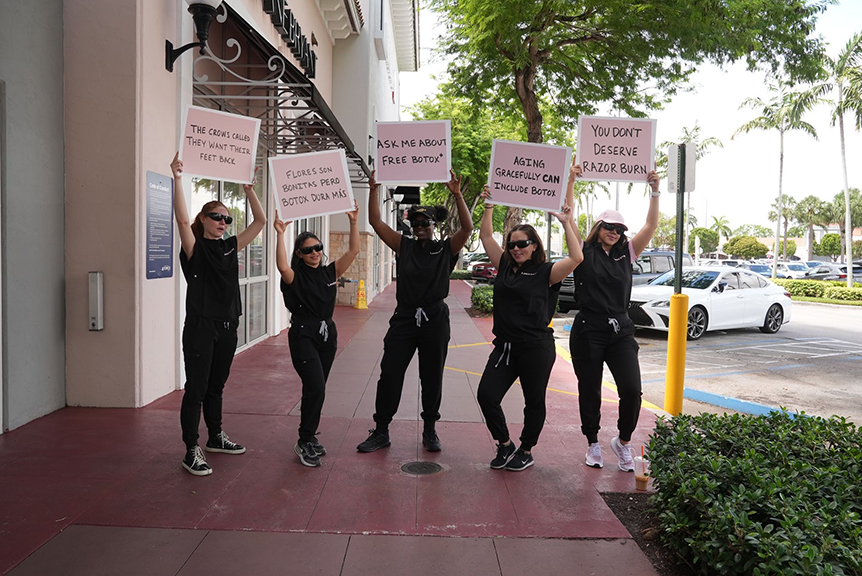
The word activation gets used constantly in marketing. It shows up in agency pitches, brand briefs, and campaign recaps. But what does it actually mean? The activation definition in marketing is more specific and more useful than most people realize.
We run activations for brands across the country. We have done them at festivals, in retail spaces, on city streets, and inside stadiums. This guide gives you a clear definition and the context to use it correctly.
An activation is a marketing event or experience designed to bring a brand to life for a specific audience. It is the moment when a brand strategy becomes something a real person can touch, see, taste, or participate in.
Activations are not passive. They require the audience to do something. They might try a sample, enter a pop-up space, participate in a challenge, take a photo, or pick up a product for the first time. The interaction is the point. That is what separates an activation from a standard advertisement.
Think of it this way. An ad tells people about a brand. An activation lets them experience it. The experience creates a memory. Memories create brand loyalty. That is the logic behind every activation we run.
Where the Term Comes From
The word activation in marketing comes from the concept of activating a sponsorship or a brand strategy. When a company signs a sponsorship deal with a sports team or a festival, the deal itself is not the value. The activation of that deal, the actual experiences and touchpoints that make the sponsorship visible and meaningful to fans, is where the value lives.
Over time, the term expanded beyond sponsorship contexts. Today, activation refers to any live, experiential, or direct consumer interaction that brings a brand or campaign to life. It covers pop-ups, street teams, sampling campaigns, immersive installations, roadshows, and more.
Types of Brand Activations
Activations take many forms. The right type depends on your audience, your goals, and your budget.
Multi-city tour with a branded vehicle or experience
Product launches, national brands
Immersive experience
Fully branded environment that audience enters
Entertainment, tech, premium brands
Retail activation
In-store promotion or branded takeover
CPG, health, beauty, consumer goods
Activation vs. Advertising: What Is the Difference?
Advertising reaches people through media. You buy space on a platform, a screen, a page, or a wall. The audience sees your message but does not interact with you directly.
Activation brings the brand directly to the audience. There is no media layer. You are standing in their neighborhood, at their festival, in their local coffee shop. They can touch the product. They can talk to a person who represents the brand. That direct contact is what makes activations different and, for many goals, far more powerful than traditional advertising.
The Activation Advantage
Studies consistently show that people who interact with a brand in a live activation are significantly more likely to purchase and to recommend the brand to others than people who only see ads. The experience creates real connection, more than awareness.
What Makes an Activation Successful
Not all activations succeed. We have seen well-funded activations that had no impact. We have seen scrappy, low-budget activations that became the talk of an entire city for a week. The difference comes down to these factors.
Clear Objective
The best activations start with a specific goal. Are you trying to drive trial of a new product? Generate social content? Build awareness in a new city? Capture leads for a sales team? The goal shapes every other decision about the activation. Activations without clear objectives tend to be visually impressive but strategically vague.
Right Location for the Audience
Location is strategy in activation work. If your audience is young professionals in Brooklyn, you activate in Williamsburg or DUMBO, not in Midtown. If your audience is music fans, you activate at the festival, not the trade show. Matching the location to the audience is non-negotiable for activation success.
Something Worth Experiencing
An activation has to offer something. Free product. A great photo opportunity. An experience they cannot get anywhere else. Activations that give nothing get nothing in return. The best ones create genuine value for the audience, and that value generates goodwill, social sharing, and brand connection.
Trained Brand Representatives
The people staffing an activation are the brand in that moment. If they are disengaged, poorly trained, or wrong for the audience, the activation fails regardless of how good the setup looks. We invest heavily in finding and briefing the right people for every activation we run.
Shareable Moments
Modern activations need a social dimension. If people are not photographing it and posting it, you are leaving earned media on the table. Design your activation with a visual centerpiece. Make it worth sharing. The audience becomes your distribution channel when the experience is good enough.
Activation in the Context of a Larger Campaign
Activations rarely stand alone. They work best as part of an integrated marketing campaign. Here is how activations typically fit into the larger picture.
Before the activation, you build awareness. Social content, email outreach, and postering campaigns tell your audience something is coming. They create anticipation. When the activation happens, the audience shows up primed.
During the activation, you capture content. Photos, video, consumer testimonials, product trials, and social posts all happen in the live moment. That content fuels the campaign after the event.
After the activation, you amplify. The photos and video from the activation become ads, social posts, and case studies. The people who participated become a retargeting audience. The leads gathered get followed up. A single activation generates fuel for weeks of follow-on marketing.
In the sponsorship world, the activation definition carries a specific meaning. When a brand sponsors an event, a team, or a venue, the sponsorship agreement grants certain rights. The activation is how the brand uses those rights to create actual consumer touchpoints.
A brand might sponsor a music festival. The activation is the branded tent, the product sampling station, the interactive game, and the social photo opportunity they create at that festival. Without activation, a sponsorship is just a logo on a banner. With activation, it becomes a live consumer experience that delivers real business results.
We design and execute sponsorship activations for brands at festivals, concerts, sporting events, and cultural moments across the country. The goal is always the same. Turn the sponsorship into an experience the audience actually remembers.
Activation Without Experience Is Just a Booth
The design of the physical space matters less than the experience it creates. We always ask: what will someone feel, do, or remember from this? If there is no clear answer, we redesign before we build.
Digital Activations: The Online Dimension
Activations are not always physical. Digital activations use online platforms to create direct, participatory consumer experiences. A branded challenge on TikTok. An interactive web experience tied to a product launch. A live stream event where the audience participates in real time.
Digital activations follow the same principles as physical ones. They require participation, they create memory, and they build brand connection. The difference is scale. A physical activation reaches hundreds or thousands of people in a specific place. A digital activation can reach millions globally.
The most effective activation strategies combine both. Physical activations generate content and authentic consumer moments. Digital activations amplify those moments to audiences far beyond the event itself.
How to Measure Activation Results
Every activation campaign should have defined success metrics before it launches. Here are the most common ways we measure activation effectiveness.
Reach: How many people participated in, witnessed, or interacted with the activation in person?
exposures: How many social media exposures did content from the activation generate?
Samples distributed: For product trial activations, how many samples changed hands?
Leads captured: How many contacts, sign-ups, or data points did the activation generate?
Sales lift: Did sales in the activation market increase during and after the campaign?
Media coverage: Did the activation generate press, blog coverage, or social media attention beyond the participants?
Frequently Asked Questions
What is the simple definition of activation in marketing?
An activation is a live brand experience that lets consumers directly interact with a brand, product, or campaign. It turns a marketing strategy into something real people can participate in.
What is the difference between an activation and an event?
Events focus on gathering people around content or entertainment. Activations focus on creating brand connection and consumer interaction. Many events include activations, but not all activations are events. An activation could be a street team, a product sampling, or a pop-up that runs without any formal event structure.
What does campaign activation mean?
Campaign activation refers to the live, experiential, or direct consumer component of a larger marketing campaign. It is the part of the campaign where the brand interacts directly with the consumer, as opposed to advertising at them through media.
What is a brand activation agency?
A brand activation agency plans, designs, and executes live brand experiences. They handle everything from concept development to location scouting, staffing, production, and post-campaign reporting. We are one of them.
How long does a typical activation last?
Activations range from a few hours to several days or even weeks, depending on the format. A street team activation might run for one afternoon. A pop-up shop might run for two weeks. A festival activation is typically one to three days. The right duration depends on the campaign objectives.
What industries use activations most?
Consumer goods, food and beverage, entertainment, fashion, tech, sports, and health and wellness are the most common categories. Any brand that sells to end consumers can benefit from activation, especially when entering new markets or launching new products.
Can small brands run activations?
Yes. Activations scale down effectively. A single city, single day activation with a focused footprint can be highly impactful for a small brand. Some of the most memorable activations we have done were scrappy, targeted, and low-cost. The creativity matters more than the budget.