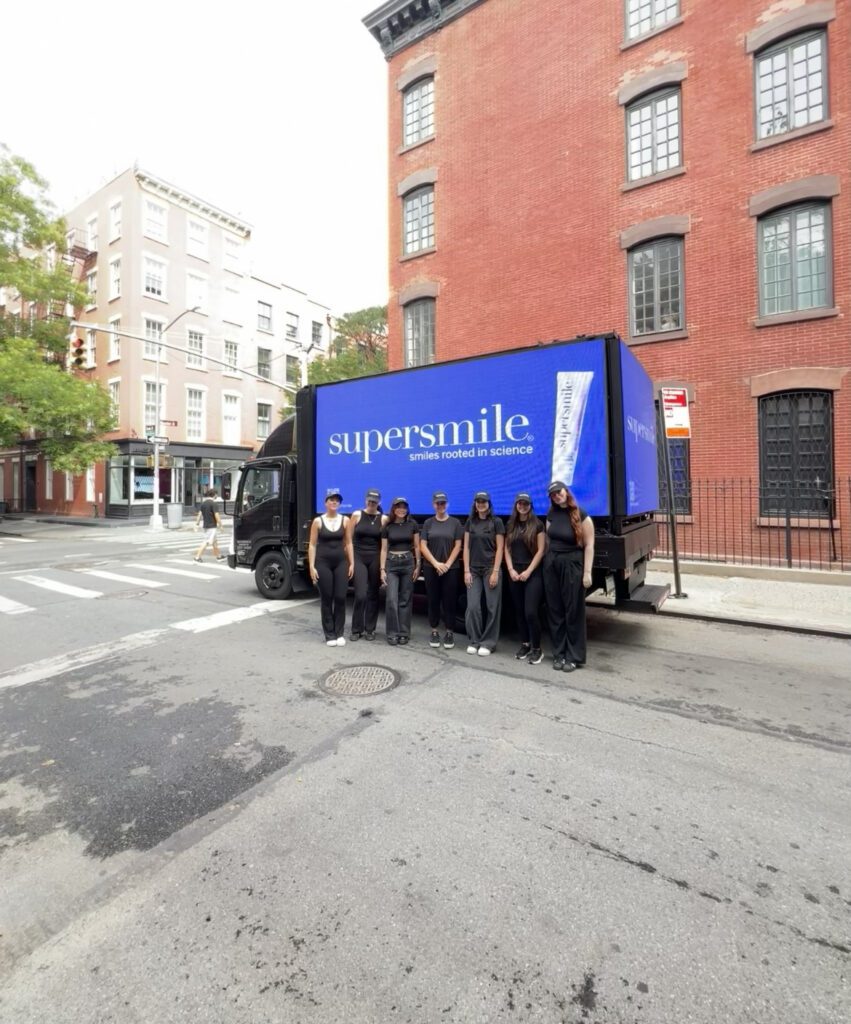
An ad campaign strategy is the plan that determines whether your advertising produces results or produces receipts. We have seen campaigns with enormous budgets fail completely because the strategy was weak. We have seen scrappy campaigns with tight budgets outperform the competition because the strategic thinking was sharp. Strategy is the difference.
This guide walks through how we approach ad campaign strategy: what questions to ask, what decisions to make, and how to build a campaign that does what it is supposed to do.
An ad campaign strategy is the plan that defines what the campaign is trying to accomplish, who it is trying to reach, what it will say, where it will appear, and how success will be measured. It is the framework that connects all the tactical decisions in a campaign to a central objective.
Without a strategy, a campaign is a collection of disconnected tactics. You might post some social ads, put up some posters, and send some emails. But if those elements are not connected by a coherent strategic idea, they do not reinforce each other. They just produce noise.
With a strong strategy, every element of the campaign speaks the same language and pushes in the same direction. The poster on the wall, the social ad on the phone, and the email in the inbox all feel like part of the same campaign because they are. That coherence multiplies the impact of each individual element.
The Four Core Elements of Ad Campaign Strategy
Every effective ad campaign strategy covers four core areas. Skip any one of them and the campaign is weaker for it.
1. Objective
What is the campaign trying to accomplish? Awareness, consideration, conversion, loyalty, or re-engagement. Each of these requires a different approach. An awareness campaign needs to reach as many of the right people as possible with a memorable message. A conversion campaign needs to reach people who are already aware and ready to act. Define the objective with precision before anything else.
2. Audience
Who is the campaign speaking to? More than demographics but psychographics, behaviors, and locations. What does a typical person in this audience look like? Where do they live? How do they commute? What do they do on weekends? What are they thinking about right now? The more specific and detailed the audience definition, the more targeted and efficient the campaign can be.
3. Message
What does the campaign say, and why should the audience care? The message should connect directly to something the audience values. It should be communicable in the time the audience will give it, which for most ad formats is under five seconds. And it should be consistent across every channel the campaign uses.
4. Channels
Where will the campaign appear? The channel selection should be driven entirely by where the target audience spends time and attention. Not by what is trendy or what worked for a different brand in a different category. Your audience is somewhere specific. The campaign should meet them there.
Building the Campaign Strategy Step by Step
Here is the process we use to build ad campaign strategies for our clients.
Step One: Audience Research
We start with the audience, not the media plan. Who buys this product or service? Who should? What do we know about their daily lives, their media habits, their locations, and their values? We gather this information from client data, market research, and our own observation and experience in the markets we work in.
In urban markets like New York and Los Angeles, audience research includes physical observation. We walk the neighborhoods where the target audience lives and shops. We note what businesses they frequent, what advertising they already see, and what physical locations they spend time in. That field observation is irreplaceable and produces insights that no survey data can match.
Step Two: Competitive environment Analysis
What are competitors doing? Where are they advertising? What message are they running? Understanding the competitive context shapes the strategy in two ways. First, it identifies where the category is underserving the audience. Second, it shows where advertising saturation is high and where a differentiated presence can stand out.
In outdoor advertising markets, we regularly audit what competing brands are posting and where. That audit reveals both opportunities (unowned locations our client can dominate) and risks (spaces so saturated with competitor messaging that even a strong campaign will get lost).
Step Three: Channel Strategy
Given what we know about the audience and the competitive environment, where should the campaign appear? We build channel recommendations based on three criteria: reach (how many of the right people can we access through this channel?), relevance (how receptive is the audience in this context?), and efficiency (what does it cost to reach each member of the audience?)
The campaign message should emerge from the audience research. What does this audience care about? What problem does the brand solve for them? What emotional territory does the brand own or want to own? The best campaign messages are the ones that feel obvious once you hear them. They click because they are exactly what the audience needed someone to say.
We develop messages by starting broad and editing ruthlessly. We generate ten to twenty possible messages for any campaign and then narrow to three or four that are sharpest. Those finalists go into creative development and sometimes into limited testing before the full campaign launches.
Step Five: Creative Development
Creative is how the message gets expressed in each channel. The same message looks different on a poster than it does in a social ad or in an email subject line. The creative strategy should ensure that all of these expressions feel like the same campaign while being optimized for each specific format and context.
For outdoor campaigns, the creative brief is simple: bold visual, clear headline, one supporting detail. For social, it is longer but still focused. For experiential activations, the creative brief covers the entire physical experience: what does it look like, what does it feel like, what do people do, and what do they take away.
Step Six: Budget Allocation
Once the strategy is clear, we allocate budget across channels based on their relative ability to deliver the campaign objective. For awareness campaigns, outdoor advertising and broad social reach get the largest allocation. For conversion campaigns, the budget concentrates on channels with clear conversion paths and strong measurement. For campaigns with multiple objectives, the allocation reflects the relative priority of each.
We do not split budget evenly across channels out of habit or convenience. We allocate based on evidence of where the return is highest for this specific audience, objective, and market.
Campaign Strategy for Different Objectives
The strategy changes significantly depending on the campaign objective. Here is how we think about strategy for the most common campaign types.
Awareness Campaign Strategy
The primary goal is reach. Getting the message in front of as many of the right people as possible, as frequently as possible, within budget. Outdoor advertising, transit advertising, and broad social campaigns are the primary channels. The message needs to be simple and memorable because the audience will see it briefly, not deeply. Frequency matters as much as reach. People need to see a brand multiple times before they remember it reliably.
Launch Campaign Strategy
New product or brand launches need to create the feeling of arrival. Something new is here and you should know about it. The campaign needs to generate both awareness and excitement. We typically combine outdoor advertising with social content and an experiential component for launch campaigns. The outdoor advertising builds ambient awareness. The social creates conversational buzz. The experiential creates first-hand encounters with the new product or brand that turn participants into advocates.
Event Promotion Strategy
Event advertising needs to generate urgency. Tickets are finite. Dates are fixed. The campaign must communicate the event clearly, create desire to attend, and make it easy to purchase. Outdoor advertising goes up in the neighborhoods where the target audience lives and goes out. Social ads target people with demonstrated interest in the relevant category. The campaign intensifies in the final week before the event when purchase intent peaks.
Brand Building Strategy
Long-term brand building requires consistency over intensity. A brand that advertises steadily at moderate levels builds recognition and preference faster than a brand that runs one massive campaign per year. The channel mix for brand building prioritizes the formats where the audience spends the most time and that build the strongest brand associations. Outdoor advertising, quality content, and experiential moments that create memorable brand interactions are the core tools.
Consistency Beats Intensity
The most effective advertising campaigns we have run were the ones where the brand showed up consistently over time. One campaign does not build a brand. Twelve campaigns across a year, each one reinforcing the last, does. Plan for the long term, more than the launch.
Integrating Outdoor and Digital in Your Ad Campaign Strategy
The campaigns that perform best in our markets are the ones that use outdoor and digital advertising together as a system, not as separate initiatives. Here is how the integration works.
Outdoor advertising creates ambient awareness. Someone walking past a poster on Bedford Avenue in Williamsburg, or on Sunset Boulevard in Silver Lake, or on Michigan Avenue in Chicago sees the brand in their physical world. They may not act immediately. But the impression is registered.
Then digital advertising reaches them again in a different context. A social ad, a search result, a streaming preroll. Now the brand is in two different places. The second impression is more likely to drive action because it follows the first.
Studies on this combination consistently show that outdoor advertising significantly increases the effectiveness of digital advertising. Brands with outdoor presence see higher click-through rates, higher conversion rates, and lower cost-per-acquisition on digital campaigns than brands without it. The outdoor presence primes the audience and the digital campaigns harvest that priming.
Campaign Strategy Mistakes to Avoid
Here are the strategic errors that undermine campaigns most often.
Trying to say too many things. Every message you add to a campaign is a message competing with your primary message for the audience’s attention. Edit down to the one thing that matters most and say that one thing clearly.
Wrong audience definition. Broad audiences produce broad results. Specific audiences produce specific results. Be as precise as your data allows about who you are trying to reach.
Channel selection before audience analysis. Never decide where to advertise before you know who you are advertising to. The channel selection follows from the audience. Always.
No measurement framework. If you do not define what success looks like before the campaign launches, you cannot evaluate whether the campaign worked. Set specific, measurable objectives and track against them from day one.
One campaign and done. Brand building requires repetition. A single campaign is a signal. A series of campaigns is a voice. Plan for sustained presence, not a single burst.
Frequently Asked Questions
What is an ad campaign strategy?
An ad campaign strategy is the plan that defines a campaign’s objective, target audience, message, channel mix, and measurement approach. It is the framework that connects all tactical decisions to a central goal.
What are the key elements of a good ad campaign strategy?
A clear objective, a specific audience definition, a compelling and consistent message, a channel selection based on where the audience spends time, and a measurement framework tied to the objective. All five must be present for a campaign to perform at its potential.
How do I choose the right advertising channels for my campaign?
Start with where your target audience spends time and attention. Then evaluate each channel on reach (how many of the right people can you access?), relevance (how receptive is the audience in this context?), and efficiency (what does it cost per impression or action?). The highest-scoring channels on all three criteria are where your budget belongs.
How long should an ad campaign run?
It depends on the objective and the budget. Event campaigns run from one to four weeks before the event date. Brand awareness campaigns typically need six to twelve weeks to build meaningful recall. Product launch campaigns front-load the pre-launch period and then maintain presence through the launch window. There is no universal answer, but almost all campaigns benefit from more duration than br
What is the most important part of an ad campaign strategy?
The objective. If the objective is wrong or vague, every downstream decision is compromised. A perfectly executed campaign in service of the wrong objective is still a failure. Get the objective right first.
How does outdoor advertising fit into an ad campaign strategy?
Outdoor advertising builds ambient awareness among people who are physically present in specific locations. In urban markets, it is one of the highest-reach formats available. It works best as part of an integrated campaign that combines outdoor presence with digital and experiential components to create multiple touchpoints with the target audience.
How do I measure whether my ad campaign strategy worked?
Measure against the objective you set at the start. For awareness campaigns, use reach metrics and brand recall surveys. For conversion campaigns, use conversion rate, cost per acquisition, and revenue generated. For engagement campaigns, use social metrics, event attendance, and direct consumer interactions. The right metric depends on the right objective.