
November 4, 2026
Hanging Display Sign for a National Rollout
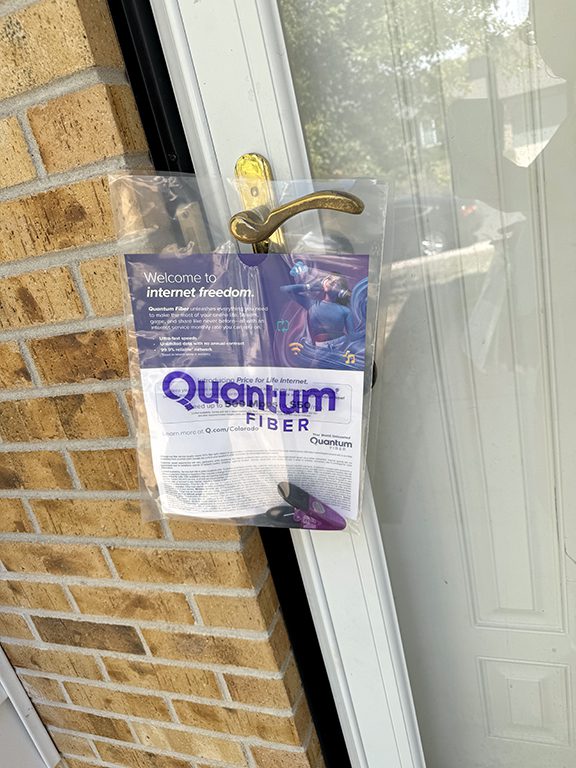
A hanging display sign looks like the easy part of a rollout. It is usually the part that breaks first.
I have had a brand hand me a national plan with forty markets on it, a beautiful suspended banner mocked up in a 3D render, and no answer at all to the only question that matters on the ground: what is it hanging from, and who owns that thing.
That question kills more hanging sign programs than budget ever does. A sign that hangs has to attach to something. Something owned. Something rated to hold weight in wind. Something a property manager will sign off on, in writing, in every single one of those forty markets, on a schedule a national launch cannot slip.
I run installs for AGM. Poster Campaigns, snipe runs, sidewalk decals, projection, LED Trucks, Street Teams. Hanging display signage shows up inside a lot of those programs, usually as the interior or semi-sheltered element of a bigger street push. So I have hung them in a lot of rooms and a lot of alley mouths, and I have also pulled a lot of them down early because somebody specified the wrong thing from a desk.
This page is about how hanging display signs actually behave in a national rollout. What holds. What tears. What a crew can realistically install in a night. Where the permission reality gets grey. And the specific things we talk brands out of before we quote.
If you want a straight answer on scope, you will get it here without a sales filter.
What a hanging display sign actually is in a street rollout
The category is wider than most briefs assume. When a client says hanging display sign, they usually mean one of five very different objects, and the install plan changes completely depending on which one it is.
Suspended ceiling banners. These hang from grid, joists, or an existing rig point in a retail interior, lobby, concourse, or event space. Lightweight vinyl or fabric, usually double sided, hung on cable or chain with swivel clips.
Hanging blade or projecting signs. These come off a wall perpendicular to the facade so pedestrians read them walking up the block instead of head on. Rigid substrate, bracket mounted.
Fabric drop banners. Long vertical pieces, often floor to ceiling in a tall interior, or dropped down a stairwell or atrium. These move, which is their strength visually and their problem structurally.
Hanging poster frames and cassette units. Rigid or semi rigid, usually a printed sheet held in a top and bottom rail, hung on two points.
Suspended light boxes. Heavy, powered, and a different animal entirely. These are a fixture install, not a campaign install, and I will say up front that these are rarely the right call for a short run national push.
Most national rollouts we touch are the first and fourth categories, because those are the only two that can be shipped flat, hung by a two person crew, and taken down without leaving damage.
The real constraint is the rig point, not the sign
Here is the operational truth nobody puts in a deck. The sign is the cheap part of the problem. The attachment is the whole job.
In a chain retail interior you are usually hanging off a suspended ceiling grid. Grid is not structural. It holds the tiles and the light troffers and very little else. Anything with meaningful weight has to go past the grid to the joist or deck above, which means a crew member on a ladder, pushing a tile up, finding steel, and setting an anchor. That is a slow, careful task, and it is the reason a four sign install in a store takes a crew an evening rather than twenty minutes.
In older buildings, lofts, galleries and the kind of independent venues brands love for launch moments, the deck above is often timber, exposed brick, or an unknown mess of conduit and sprinkler line. Nobody drills near a sprinkler line. Ever. That is not caution, that is a flood and a fire marshal conversation and the end of your relationship with that venue.
In a transit adjacent or concourse location you are almost never allowed to drill at all. Those installs run off existing rig points, strapping, or free standing structures, which constrains size and placement far more than any creative director expects.
So the first thing our crew does on a hanging sign survey is photograph the ceiling. Not the wall. Not the sightline. The ceiling. Where the steel is, where the sprinkler heads sit, how high the deck is above the grid, and whether there is an existing eye bolt somebody already paid to install.
Crew reality: what a night actually looks like
A straightforward interior hanging banner install, two signs, standard grid, existing rig points, is a two person job. One on the ladder, one spotting and feeding. Call it forty five minutes to an hour per sign including unpacking, cable cutting, levelling and the photo documentation we send back.
Add anchors into deck steel and that doubles. Finding joist through a grid ceiling in an unfamiliar building is a hunting exercise. I have watched a crew member spend twenty minutes on a single anchor because the first two tiles they lifted had nothing above them but duct.
Add height. Anything above roughly ten feet means a ladder is marginal and you want a lift. A lift changes everything: delivery window, floor protection, a certified operator, and usually a requirement that the space be closed to the public. That is why high atrium drops get scheduled overnight or on a Sunday morning, not at six in the evening.
Our typical hanging sign windows:
Retail interior after close, nine at night to one in the morning. Store manager or a loss prevention contact stays on site. This is the most common slot in a national chain rollout.
Office lobby or building common area, five in the morning to seven, before the first tenants arrive, coordinated with building engineering.
Event and venue spaces, load in day, usually mid afternoon, fitted around the rest of the production schedule and always behind the AV crew in priority.
A national rollout of forty or sixty locations is not one crew touring the country. It is regional crews working parallel nights against a shared install spec and a shared photo reporting standard. That coordination is the actual product. The sign is just the thing in the box.
Surface, weather and what fails
Interior hanging signs fail for boring, predictable reasons.
Air handling. This is the number one killer and nobody plans for it. A banner hung twelve feet from a supply diffuser will spin, twist, and eventually wrap itself around its own cable. By week two it is showing the back of itself to the whole room. The fix is a second lower tether or a bottom rail with weight, and it has to be specified before print, because a bottom pocket is a print decision.
Curl. A single sheet hung from two top points will curl at the bottom corners within days in a dry, heated interior. Heavier stock resists it. A bottom rail eliminates it. A thin economy sheet with grommets in the top two corners will look tired fast and there is no rescuing it on site.
Light fade. South facing atrium glass will pull the magenta out of a print faster than any client believes. For a run longer than about a season in direct sun, that needs to be a conversation at the artwork stage, not a surprise at week ten.
Sag in fabric. Fabric drops look superb and they stretch. A dye sublimated fabric banner will settle and lengthen slightly in the first week. If you specified it to end exactly at the floor, it will be pooling on the floor by the time anyone photographs it. We build in clearance.
Exterior and semi exterior hanging signage is a harder problem. Wind load on a hanging blade sign is not linear. Double the area and you are well past double the force on the bracket in a gust. Anything hanging outdoors in a coastal market or a wind tunnel street, and I mean specific corridors like the avenues through Midtown Manhattan, the lake side blocks of downtown Chicago, or the open approaches around downtown Dallas, has to be either rigid, vented, or small. A big solid outdoor hanging banner is a sail. It will either tear at the grommets or take the bracket with it, and the second outcome is the one that ends careers.
Cold matters too. Vinyl stiffens and gets brittle below freezing. A Minneapolis or Buffalo January install should not be flexing a cold banner into a tight bracket. We let material acclimatise in the vehicle cab or indoors before it goes up, and a crew that skips that step cracks the print at the fold line.
Permission, ordinance and the grey area
Interior hanging signage inside a space you have permission to use is the simplest permission story in this whole industry. You have an agreement with the occupant, you hang the thing, you take it down. Most of the complexity is the building’s own rules, not a municipality’s.
What people underestimate is how many separate permissions one national rollout needs. Corporate sign off from a retail partner does not automatically mean the individual landlord, the mall operator, or building engineering have agreed. In a mall environment the operator usually has its own signage standards covering size, position, material and how long anything may hang. Those standards vary site to site, which means your clean national spec gets forty small exceptions.
Anything that reads as exterior signage, visible from the public right of way, moves into a grey area that genuinely varies by municipality. Projecting signs over a sidewalk are governed by local sign ordinance in most cities, and those rules differ on projection distance, height above the sidewalk, total sign area, and whether temporary signage is treated differently from permanent. Some cities review it as an encroachment. Some treat it under the sign code. Enforcement is inconsistent, and what gets waved through in one district gets a notice in another a mile away.
We do not give legal advice and we do not tell clients something is permitted. What we do is work from surface ownership and written permission. If a property owner controls the facade and agrees in writing, you are in a much stronger position than a crew hanging something off an unknown bracket at night. We keep that documentation per location, because in a national program the one site where nobody can produce a permission email is the site that generates the complaint.
Removal is part of the same promise. Every hanging sign we put up has a scheduled take down with a named crew and a date, and the removal includes patching or capping any anchor point we set. The number of programs that budget install and forget removal is remarkable, and an abandoned faded banner in a client’s own retail partner’s ceiling is a brand problem that outlives the campaign.
What we talk clients out of
I would rather lose a line item than install something that embarrasses everybody in week three.
Oversized single panel outdoor hanging banners. If it is going outside and it is bigger than roughly a door, it needs to be rigid, vented or split into panels. I have seen a solid eight foot outdoor banner last four days in a normal autumn. We will redesign it or we will decline that element.
Suspended light boxes for a campaign run. They are heavy, they need power, they need an electrician, and they take as long to remove as to install. For a six week push the install effort never pays back. If a client wants light, projection is a far better tool and it leaves nothing behind.
Hanging signs as the whole street strategy. A hanging sign works on people already inside the room or already on the block. It does not generate reach. Clients come to us wanting fifty hanging signs in fifty stores and expecting the launch to feel citywide. It will not. The hanging signage is the close. Something has to do the reach.
That is where I will be honest about the upsell, because it is the recommendation I make most often. Pair the interior hanging programme with Wheatpasting & Poster Campaigns in the same markets. Posters on the approach corridors, the transit adjacent walls, the construction hoarding on the walk from the station, all pointed at the blocks your locations sit on. The poster run builds the frequency on the street, the hanging sign converts it at the door. Running the hanging element alone is the single most common way brands spend real money and feel nothing happened.
Exact colour matching across forty markets printed by different regional producers. It will not match perfectly. If brand colour is critical, print centrally and ship, and accept the freight and timeline that implies. Pretending regional print will match is how you get a national rollout where half the markets look slightly wrong in photos.
Last minute size changes after survey. Once a crew has surveyed rig points and we have cut a spec, changing the sign dimension means re surveying. In a forty market program that is not a small ask. Lock the size at survey.
Running a national rollout without it falling apart
The pattern that works, every time, is boring and procedural.
Survey first, in every market, with photographs. Ceiling, rig point candidates, obstruction, measured drop height, and the access route for a ladder or lift. No survey, no spec.
One install spec document, with per site exceptions listed explicitly rather than buried. Crews should never be improvising a hanging method on the night.
Ship a spare. Print overage on hanging signage is not waste, it is insurance. Something gets creased in freight. Something gets dropped. A ten percent overage on a national run has saved more launches than any contingency plan.
Standardised photo reporting on install night. Wide shot, detail of the rig point, and a shot from the position a customer actually stands in. That last one is the only shot that tells you whether the sign is working. We send those the same night, not at the end of the week.
Scheduled removal from day one, written into the same document as the install.
Staggered launch nights by region, so a problem found in the first wave can be fixed in the spec before the second wave goes out. Launching all forty markets on the same night means any systemic mistake happens forty times.
When a hanging sign is genuinely the right call
I do not want this to read as an argument against the format. There are situations where a hanging display sign outperforms everything else available.
Tall interiors with poor wall availability. Atriums, converted industrial spaces, galleries, venues with glass everywhere. Nothing goes on the walls and the only usable plane is overhead.
Sightline over a crowd. In a busy retail floor or a trade environment, anything at eye level is blocked by people. Overhead is the only surface that stays visible at peak traffic, which is exactly when you need it.
Double sided reach. A hanging sign is read from both directions, which a wall graphic never is. In a corridor or concourse that doubles the useful impressions off one piece.
Zero damage requirements. Where a landlord will not allow anything on the walls, an existing rig point install leaves no trace at all.
Short dwell conversion. People waiting in line look up. A hanging sign above a queue is read more completely than almost any other placement in the building.
Pick the format for the room, not for the render.
Frequently asked questions
How long does a hanging display sign install take per location?
A straightforward two sign interior install using existing rig points runs about an hour per sign for a two person crew, including unpacking, levelling and photo documentation. Setting new anchors into deck steel above a grid ceiling roughly doubles that. Anything needing a lift adds setup, floor protection and usually a requirement that the space be closed, which pushes the work overnight.
Can one crew handle a national rollout?
Not realistically, and you would not want it. National hanging sign rollouts run as regional crews working parallel nights against one shared install spec and one photo reporting standard. That gets every market live inside the same launch window instead of over two months of touring. The coordination and the spec discipline are the actual work.
Why does my hanging banner keep spinning?
Air handling. A banner hung near a supply diffuser will rotate and eventually twist on its own cable, showing its back to the room. The fix is a bottom rail or a lower tether, and because a bottom pocket is a print decision it has to be specified before production. Checking diffuser positions during survey prevents it entirely.
Is exterior hanging signage allowed?
That sits in a grey area and varies by municipality. Projecting signage over a sidewalk is usually covered by local sign ordinance or encroachment rules, with different limits on projection, height and area, and enforcement is inconsistent between districts. We work from surface ownership and written permission from the property owner, document every location, and commit to scheduled removal.
What material should a hanging sign be?
Interior short runs do well on a heavier vinyl or a dye sublimated fabric with a bottom rail. Fabric hangs beautifully and stretches slightly in the first week, so we build in floor clearance. Thin economy stock with only two top grommets curls at the corners within days in heated interiors. Outdoors, anything sizeable needs to be rigid, vented or panelled.
What happens at the end of the campaign?
Removal is scheduled with the install, with a named crew and a date, and includes capping or patching any anchor point we set. Programs that budget install and skip removal end up with faded banners hanging in a retail partner’s ceiling long after the campaign closed. That is a brand problem, not a logistics one, so we build it in from the start.
Request a campaign quote
If you have a national rollout with a hanging signage element, the useful conversation starts with the ceilings, not the creative. Send us the market list and whatever site photography exists, and we will tell you which locations can take the sign you have designed, which need a different method, and which should be carrying posters on the approach instead.
We will also tell you plainly if the hanging element alone will not deliver what you are hoping for, because in most launches it will not without a street layer in front of it.
Request a campaign quote and we will work the survey, spec, regional crew plan and removal schedule as one piece of work.

Ready to Run Your Campaign?
Call us or email us. We’ll tell you exactly what we can do in your market and what it costs.
Related Services
Explore similar advertising solutions offered by American Guerrilla Marketing.
American Guerrilla Marketing — Los Angeles
Street-level campaigns in Los Angeles and nationwide. Wheatpasting, LED trucks, street teams, and more.
(646) 776-2770
Related Articles
-
Street Marketing Agency: Where It Works and Where It Fails
November 4, 2026
-
Interactive 3D Display Mode: An Honest Breakdown
November 4, 2026
-
Experiential Marketing Agency: How It Actually Works
November 4, 2026
-
Birmingham Projection Advertising: How It Runs
November 4, 2026
-
Street Team Marketing: Where It Works and Where It Fails
November 4, 2026