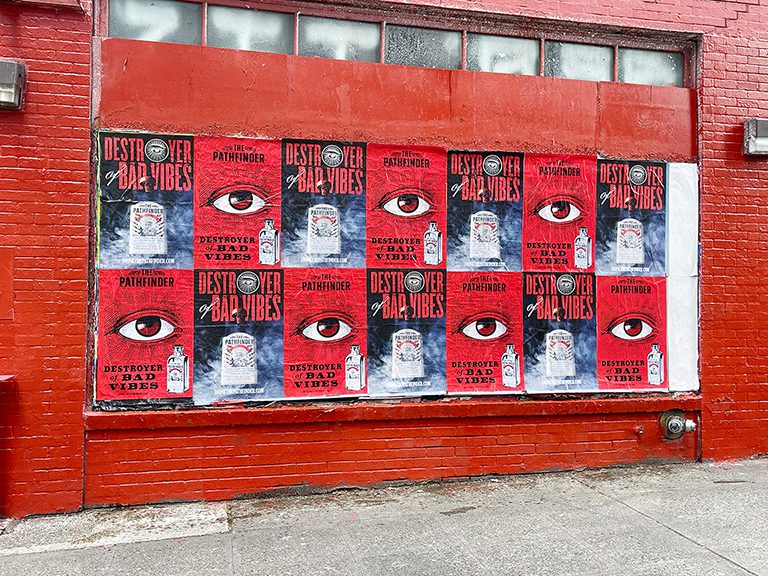
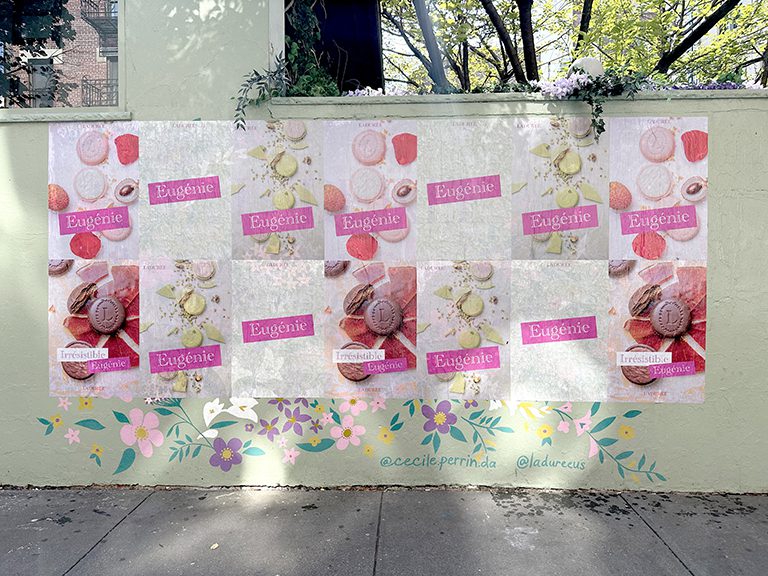
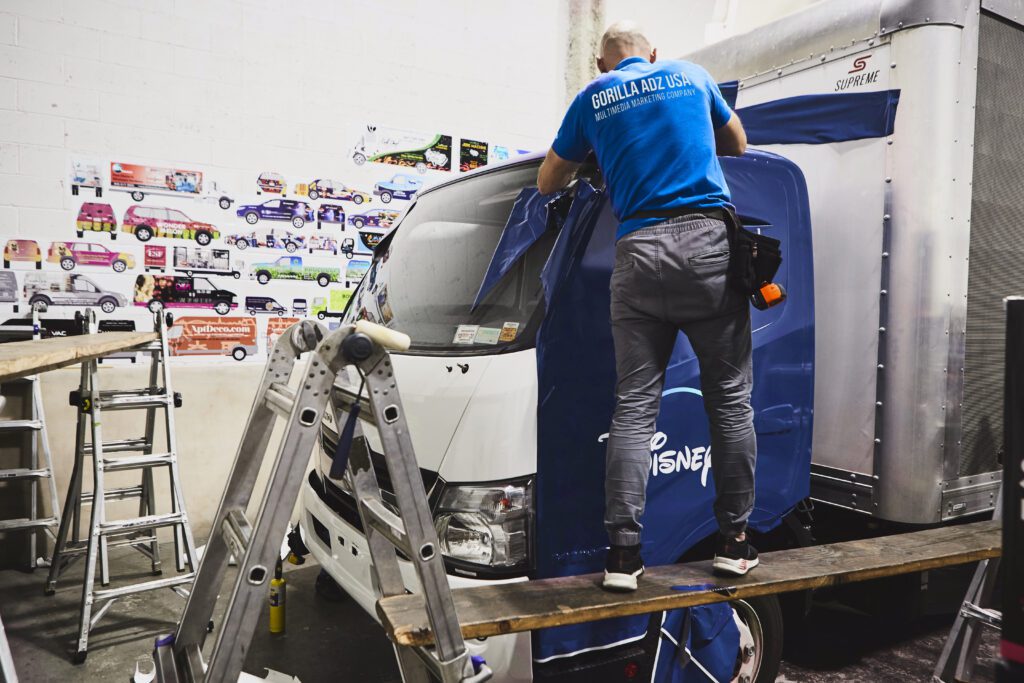
🚀 NEW WHEATPASTING MARKETS Discover our wheatpasting campaigns in : 🇬🇧 London • 🇨🇦 Canada • 🇲🇽 Mexico City

American Guerrilla Marketing

Nationwide Service

Media planning, media buying, billboard advertising, & guerrilla marketing

Fly Posting in Hartford, CT

Sidewalk Decals Advertising in Hartford, CT

Hartford’s Colt Gateway arts complex, UCONN commuter student population, and XL Center entertainment corridor make this state capital one of the most underrated street poster markets in New England — layered audiences, real arts infrastructure, consistent event-driven foot traffic.

Hartford’s Hidden Strength — Arts Infrastructure and a Commuter Student Market That Most Brands Miss

Hartford does not announce itself the way larger arts cities do, and that relative modesty is one of the primary reasons the market is so consistently underestimated by brands planning Northeast fly posting campaigns. What Hartford actually offers is a combination of audience assets that rarely coexist in a city of its size: a genuine arts district anchored by a landmark converted-factory complex, a large commuter student population cycling through downtown on daily academic schedules, an entertainment venue circuit that generates arena-scale foot traffic through the city center on a regular event calendar, and a working-class residential density in the Blue Hills and Albany Avenue corridor that conventional outdoor advertising has never figured out how to reach efficiently. When you map these four assets onto a compact, walkable downtown geography, you get a street poster market with exceptional reach across multiple distinct demographic segments — all accessible through a single coordinated fly posting campaign that routes through Hartford’s primary corridors.

The Colt Gateway complex on Huyshope Avenue is the structural anchor of Hartford’s creative professional community. The historic Colt firearms factory — a building that once defined Hartford’s industrial identity — has been converted into artist studios, residential lofts, restaurants, co-working spaces, and event venues, and the surrounding Colt Park grounds host regular programming that draws gallery-going audiences from across the Hartford region. The concentration of working artists, designers, architects, and creative-industry professionals within and around Colt Gateway makes this neighborhood one of the most authentically arts-engaged environments in all of New England. Fly posting campaigns targeting the creative professional demographic find in Colt Gateway exactly the kind of genuine arts-district anchor that makes street poster advertising land with cultural credibility rather than as interruptive commercial messaging — the distinction that determines whether a campaign builds brand affinity with an arts community or simply generates impressions without engagement.

UCONN Hartford and Trinity College together bring a substantial commuter student enrollment into the downtown and Asylum Hill corridor on regular weekday schedules throughout the academic year. Unlike a residential campus where the student population is concentrated on campus grounds, a commuter institution distributes its students through the surrounding city — through transit stops, coffee shops, restaurants, parking structures, and commercial corridors on their daily movement patterns between home, campus, and the city’s social spaces. That movement creates the kind of repeated-impression opportunity along specific pedestrian routes that makes fly posting campaigns compound in effectiveness over a campaign’s two-week run, because the same audience member encounters the same placement multiple times on multiple days rather than once in passing. Brands targeting 20–30 year-old students and recent graduates find Hartford’s commuter enrollment a consistently available and demographically ideal audience that the city’s scale alone wouldn’t suggest was accessible at this density.

The XL Center at 1 Civic Center Plaza is Hartford’s arena-scale venue — a facility that hosts concerts across every genre, American Hockey League games, college basketball tournaments, and major touring productions. The post-event foot traffic on Trumbull Street, Pearl Street, and Pratt Street when the XL Center lets out rivals what major concert venues generate in much larger markets, concentrated in a downtown grid that is walkable enough for street poster placements to reach essentially the entire post-event pedestrian flow within a few well-chosen block positions. For brands whose target audience includes live entertainment consumers in the 22–40 demographic, planning fly posting in Hartford, CT around the XL Center event calendar creates a reliable and repeating series of high-volume impression windows across the campaign’s duration.


Start Your Hartford Fly Posting Campaign

AGM runs the full Hartford build — in-house printing, direct crew installation across Colt Gateway, Asylum Hill, downtown, and Albany Avenue, and GPS-documented reporting on every placement. Hartford's layered audiences are reachable. Let's build the campaign that reaches yours.

Browse Cities in Connecticut

Select a city to explore Fly Posting Advertising opportunities.

Where To Run Fly Posting In Hartford — Neighborhoods And Active Corridors

Colt Gateway Complex — Huyshope Avenue, Colt Park, and Hartford’s Creative District

Colt Gateway is Hartford’s most compelling fly posting destination for brands targeting creative professionals, artists, designers, and the arts-going audience that has built its cultural community around one of New England’s most distinctive converted-industrial spaces. The complex at Huyshope Avenue houses working artist studios, a cinema, restaurants including the well-regarded Colt Armory dining room, and residential units occupied by the creative professionals who have made this neighborhood Hartford’s genuine arts anchor. Colt Park surrounds the complex, providing outdoor programming space that generates public audience traffic on evenings and weekends when gallery events and cultural programming are scheduled. The architecture of the complex — the blue onion dome of the original factory building, the brick industrial facades of the surrounding structures — creates a visual environment where fly posting campaigns register with particular impact because the surrounding surfaces already speak the aesthetic language of industrial-to-cultural conversion that arts communities respond to instinctively. Wheatpasting near Colt Gateway reaches the Hartford demographic that is most attuned to creative visual work and most likely to engage actively with a brand that enters their neighborhood through street-level media rather than conventional advertising. The Huyshope Avenue approach to the complex and the surrounding residential and commercial blocks on and around Van Dyke Avenue and Sequassen Street provide a natural cluster of posting positions that cover the primary pedestrian routes into and out of the arts district.

Asylum Hill — Asylum Street Corridor and the Professional Workforce Reaches

Asylum Hill takes its name from the historic asylum that once occupied the high ground west of downtown, but its contemporary identity is defined by the Asylum Street corridor — a commercial and mixed-use spine running from downtown Hartford toward the West Hartford Center border that carries a morning and lunchtime workforce moving between the city’s largest employment anchors. Hartford Hospital on Jefferson Street, one of the region’s largest medical employers, puts thousands of nurses, doctors, technicians, and administrative staff through the Asylum Hill corridor on daily commute patterns. Travelers, Aetna, and Hartford Financial — the insurance and financial services giants whose campuses define Hartford’s economic identity — maintain their primary Hartford operations in or adjacent to the Asylum Hill footprint, and the professional workforce these companies employ moves through Asylum Street on regular schedules that make the corridor reliably dense with pedestrian traffic during weekday hours. The corridor has independent restaurants, coffee shops, and service businesses that cater to this professional workforce, and the lunch-hour foot traffic from office workers filling these establishments creates sustained midday pedestrian density on a street that transitions from residential on its western end to fully commercial approaching downtown. Fly posting on Asylum Street reaches a professional demographic — primarily 25–45, college-educated, daily-commuting on foot — that is genuinely difficult to reach efficiently through conventional outdoor advertising at Hartford’s market scale.

Downtown Hartford — Trumbull Street, Pearl Street, Pratt Street, and the XL Center Corridor

Downtown Hartford’s entertainment and bar corridor runs through Trumbull Street, Pearl Street, and Pratt Street in a concentrated zone that functions as the city’s primary post-work and post-event social district. The XL Center at 1 Civic Center Plaza anchors the eastern end of this corridor, and its event programming — which runs multiple times per week across the full calendar year — consistently floods the surrounding blocks with post-event foot traffic from audiences in exactly the 22–40 entertainment demographic that fly posting campaigns most reliably reach. On non-event nights, the bar, restaurant, and entertainment businesses along Trumbull and Pratt maintain their own baseline of post-work foot traffic from state government employees, downtown office workers, and the urban professional population that uses this corridor as Hartford’s primary nightlife destination. Front Street development off Columbus Boulevard adds a newer dining and bar cluster that extends the entertainment district’s geographic footprint toward the riverfront. Main Street through the government district carries the weekday lunch density of state workers moving between capitol buildings and the restaurants and coffee shops serving them, and the Pearl Street block between Main and Trumbull is among the highest-foot-traffic short commercial stretches in all of downtown Hartford. Street poster advertising in downtown Hartford reaches the full range of the city’s entertainment and professional demographics within a walkable zone compact enough that a carefully targeted build covers the entire relevant geography without spreading placement inventory too thin.

Blue Hills / Albany Avenue — Residential Density and Authentic Community Reach

Albany Avenue runs from downtown Hartford north through the Blue Hills neighborhood in a long commercial and residential corridor that serves one of the city’s densest and most economically and culturally diverse communities. The Blue Hills neighborhood is primarily residential, with the commercial activity along Albany Avenue serving the daily needs of working-class families, young adults, and a large Black community that has deep roots in this part of Hartford. Community organizations, churches, barbershops, beauty salons, restaurants, and neighborhood service businesses line the avenue and the streets feeding into it, and the foot traffic on Albany Avenue is driven by genuine community life rather than entertainment or tourism — people moving through their neighborhood on errands, to work, and between the commercial establishments that serve their daily routines. This creates a different fly posting context than the downtown entertainment corridor or the Colt Gateway arts district, but not a less valuable one. Wheatpasting in the Blue Hills and Albany Avenue corridor gives brands authentic street-level presence in a community that is chronically underrepresented in the conventional outdoor advertising buys that dominate Hartford’s marketing landscape — a community where a well-executed fly posting campaign lands as a visible and meaningful brand statement precisely because the visual environment is not already saturated with commercial advertising at the density that downtown entertainment corridors typically produce. For brands seeking to build credibility with Hartford’s Black community and the broader working-class residential population that defines this part of the city, Albany Avenue fly posting is not a supplementary option but a primary strategic choice.


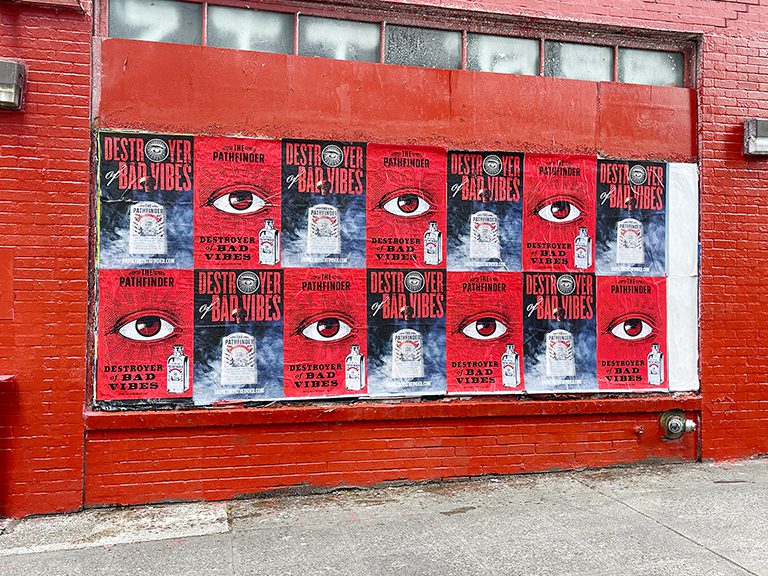
Sonic Temple, Shepard Fairey, And Why Hartford's Colt Gateway Is Exactly The Kind Of Market That Responds

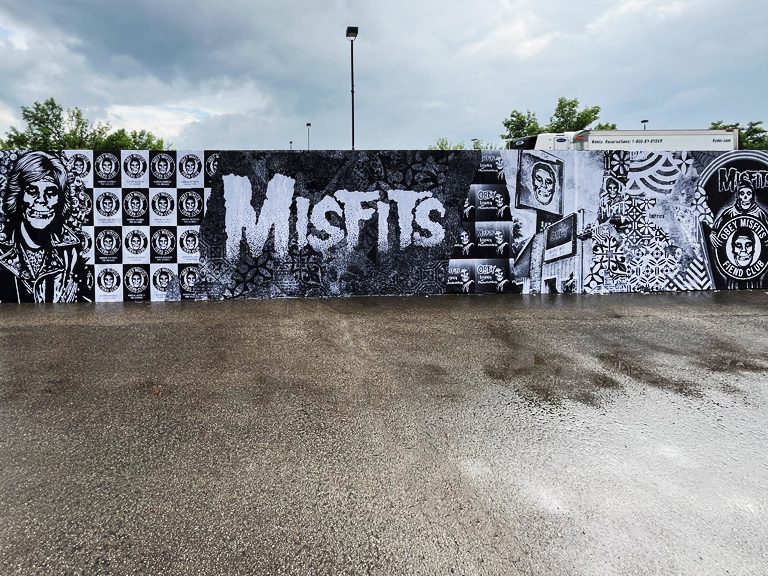
AGM’s work on the Shepard Fairey Sonic Temple Festival 2024 installations in Columbus, Ohio demonstrated a specific and replicable principle about how fly posting campaigns function in arts-district and music-festival environments: when a brand activates in the neighborhood where a creative community has chosen to build its professional and social life, and does so through the visual medium — street posters and large-format wheat paste installations — that those communities engage with as a native cultural form rather than a commercial intrusion, the campaign achieves a quality of engagement that no conventional advertising placement can replicate. Sonic Temple’s Columbus build targeted exactly the kind of arts-institution and festival-driven audience that gathers around major cultural events in mid-size American cities. The campaign worked because the medium matched the environment and the audience’s relationship to visual creative work.

Hartford’s Colt Gateway complex is that kind of environment. The artists, designers, gallery-goers, and creative professionals who have made Colt Gateway their professional and cultural home are the same profile of arts-engaged audience that makes Shepard Fairey’s street art installations land with cultural authority in an arts district context. They are not passive consumers of advertising — they are active participants in a visual culture that includes street-level creative work as a legitimate and respected medium. A fly posting campaign in the Colt Gateway neighborhood, executed with the design quality and installation commitment that those audiences recognize and respond to, doesn’t feel like an interruption of their cultural environment. It participates in it. Music and arts brands, cultural institutions, streaming platforms with arts programming, and fashion and lifestyle brands that have invested in creative visual identity will find Colt Gateway’s audience an active and engaged respondent to well-executed street poster campaigns in a way that general-market display advertising simply cannot achieve at any spend level.

The Sonic Temple case study also demonstrates the effectiveness of timing fly posting campaigns to specific cultural events — a principle that applies directly to Hartford’s regular programming calendar. The XL Center’s concert schedule, Colt Gateway’s gallery events, and the broader Hartford arts programming calendar create predictable windows of elevated audience concentration that a well-timed wheat paste campaign in Hartford can ride. Placing fly posting in the Colt Gateway corridor in the days before a major gallery opening or arts event ensures that the specific audience most likely to engage with creative brand messaging encounters the campaign at its highest attentiveness. AGM’s Hartford campaign planning incorporates local event calendars into the neighborhood targeting and installation timing strategy for every campaign build.

Build Your Fly Posting Campaign

    Award Winning Personalized Service

    You will get thoughtful, devoted, and individualized attention from our experienced, qualified, and professional personnel. Being one of the most illustrious agencies in Brooklyn, New York, American Guerrilla Marketing has been awarded the Best of Brooklyn title.

    Nationwide

    Industry City, Brooklyn, New York 11232

    American Guerrilla Marketing

    +1 (646) 776-2770

    [email protected]

    Telegram: @americanguerillamarketing

    Hours

    Mon - Fri: 9 AM - 5 PM

    Sat & Sun: Closed

    Automate your campaign with AGM’s Request for Proposal Builder.

    Automate your campaign with AGM’s Request for Proposal Builder. Simply answer a few quick questions about your campaign goals, markets, and timeline, and the system will generate a tailored presentation with recommended strategies, quantities, and pricing. Click the RFP Builder to instantly receive your customized proposal.

    Choosing The Right Poster Size For Hartford's Distinct Market Geography

    Hartford’s compact downtown geography and the distinct character of its four primary fly posting zones call for format selection that is calibrated to the specific corridor and audience rather than applied uniformly across the entire market. The 24″×36″ standard format is the right primary choice for the majority of Hartford fly posting campaigns because it fits the widest range of available surface positions across all four neighborhoods — Colt Gateway’s brick industrial facades, Asylum Street’s commercial building stock, downtown’s Trumbull and Pratt Street walls, and the commercial corridors along Albany Avenue — and allows campaigns to build sufficient placement density within each zone to create the repeated impressions that drive brand recall with daily commuters and regular neighborhood foot traffic.

    For campaigns that want a dominant visual presence in specific high-traffic positions, the 48″×72″ large format delivers the scale that makes certain Hartford locations work significantly better than smaller placements. The exterior walls of buildings adjacent to the XL Center on Trumbull Street are natural 48″×72″ positions — large enough surfaces, high enough foot traffic, and the right audience profile to justify the larger format’s higher production and installation cost. Similarly, a large-format placement on a prominent Huyshope Avenue building facing Colt Park gives arts district campaigns the landmark visibility that contributes to both direct impression impact and the earned media photography that amplifies campaigns through social channels when passersby photograph and share unusually well-executed street poster installations.

    A hybrid format strategy — 48″×72″ anchor placements at the XL Center corridor and Colt Gateway, combined with 24″×36″ coverage builds through Asylum Hill, downtown, and the Albany Avenue corridor — gives Hartford campaigns both visual dominance at the highest-traffic anchor locations and the breadth of neighborhood coverage that makes a campaign feel genuinely citywide rather than concentrated in a single zone. AGM’s Hartford campaign planning team can advise on the optimal format split for any campaign scope and budget.

    AGM's Hartford Campaign Process — Planning Through Reporting

    Hartford fly posting campaigns begin with a neighborhood targeting review that maps the campaign’s audience profile against the specific demographic concentrations across Hartford’s four primary corridors. A campaign targeting UCONN Hartford and Trinity College student demographics routes differently through the city than a campaign targeting the Colt Gateway arts community or the Asylum Hill professional workforce — the foot traffic patterns, posting surface availability, and optimal placement positions are distinct for each audience segment, and the targeting strategy reflects those distinctions rather than defaulting to a generic downtown-coverage approach that reaches everybody at low density and nobody at meaningful frequency.

    Printing is produced in-house at AGM’s own facilities, ensuring quality control and production timeline reliability without dependence on third-party vendors. Wheat-based adhesive — environmentally responsible, biodegradable, and removable with pressure washing — is applied during installation by direct AGM crews who execute all Hartford builds without subcontractors. The in-house production and installation model means AGM maintains complete control over the quality of every placement in the Hartford build, from the condition of the printed poster to the positioning and adhesion quality of the installation itself.

    Post-campaign reporting for Hartford fly posting delivers GPS-documented installation photography for every placement position in the build. Time-stamped photos confirm the date and location of each installation, and geographic data verifies that placements landed in the specific neighborhoods and corridor positions outlined in the campaign strategy. For brands running Hartford as part of a broader Connecticut campaign, Hartford reporting is integrated into the consolidated statewide deliverable — Colt Gateway placements documented alongside downtown Hartford, Asylum Hill, and Albany Avenue installations in a single organized package that covers the full Hartford geographic footprint.

    Brand Categories And Campaign Types That Activate Effectively In Hartford

    Hartford’s layered demographic structure — arts professionals, commuter students, state government workers, insurance and finance employees, and dense working-class residential communities — supports a broader range of brand categories for fly posting campaigns than the city’s size alone would suggest. Music and arts brands are the most natural fit for the Colt Gateway corridor, where the creative professional community’s deep engagement with art, music, and visual culture makes them the ideal audience for campaigns from record labels, streaming platforms with arts programming, cultural institutions, music festivals, and brands whose identity is built around creative culture. A brand that wants to build credibility with Hartford’s arts community should be at Colt Gateway, in the same visual environment where Colt Park programming and gallery events already concentrate that audience.

    Entertainment brands targeting the XL Center’s event-attending demographic — the 22–40 entertainment consumer who attends concerts, sports, and touring shows — find the downtown Hartford corridor a natural fly posting environment in the days surrounding venue events. Restaurants launching in Hartford, nightlife brands building downtown market presence, and hospitality brands targeting Hartford’s professional nightlife corridor will find the Trumbull Street, Pearl Street, and Pratt Street entertainment zone a high-value posting environment for the post-work and weekend audiences that define downtown Hartford’s evening foot traffic profile.

    Consumer brands and lifestyle companies targeting college students and recent graduates will find the commuter student population of UCONN Hartford and Trinity College an efficiently reachable demographic through fly posting on the pedestrian routes between campus locations, transit stops, and the downtown commercial blocks that students move through regularly. Academic publishers, software companies targeting younger professionals, consumer tech brands, and lifestyle products with strong 20–28 year-old appeal all have a natural audience in Hartford’s commuter student population — an audience that spends significantly less time on traditional broadcast media than on the street-level environments where fly posting campaigns build their most consistent impressions.

    Political campaigns and civic advocacy organizations have historically found Hartford an important fly posting market because its population includes multiple distinct communities — students, professional workers, arts communities, working-class and Black residents in the Blue Hills corridor — that don’t aggregate neatly into any single conventional media channel. Reaching all of these communities with a single coordinated fly posting campaign that routes through Colt Gateway, downtown, Asylum Hill, and Albany Avenue gives statewide campaigns the Hartford market coverage that their Connecticut activation requires, with neighborhood-level specificity that demonstrates genuine engagement rather than generic citywide coverage.

    Hartford Fly Posting Formats and Pricing

    24″ × 36″ — Standard Format

    100 posters: contact us for pricing
    200 posters: contact us for pricing
    Extra creative: contact us for pricing

    The recommended format for Hartford coverage campaigns across Colt Gateway, Asylum Hill, downtown, and the Albany Avenue corridor. Fits the full range of Hartford’s available surfaces and allows density across multiple neighborhoods in a single deployment. 72-hour rush production available up to 500 qty.

    48″ × 72″ — Large Format

    100 posters: contact us for pricing
    200 posters: contact us for pricing
    Extra creative: contact us for pricing

    Best for anchor placements at the XL Center corridor on Trumbull Street and landmark positions facing Colt Park at the Gateway complex. Delivers the dominant visual presence that makes major entertainment and arts campaigns register at scale in Hartford’s highest-traffic zones.

    Hartford fly posting campaigns typically run one to two weeks from installation, with duration influenced by weather conditions, surface competition from other posting activity in the downtown and arts district corridors, and the type of surface each placement uses. Multiple creative executions can be deployed within a single Hartford campaign, allowing brands to run different messaging for the arts district audience at Colt Gateway versus the student demographic on commuter routes versus the professional corridor on Asylum Street — all within a single campaign build and reporting package.

    Frequently Asked Questions — Street Poster Advertising in Hartford, CT

    Colt Gateway is Hartford’s most concentrated arts professional environment — a converted factory complex on Huyshope Avenue housing working artists, designers, and creative industry professionals alongside galleries, restaurants, and event programming that draws a regular and committed arts-going audience from across the region. Fly posting in the Colt Gateway neighborhood reaches a creative community that is specifically attuned to visual media, deeply engaged with the cultural environment of their district, and likely to respond to and amplify brand messaging that enters their neighborhood through the same street-level creative medium they engage with professionally. For music, arts, fashion, and creative-brand categories specifically, Colt Gateway is the most valuable posting zone in Hartford’s market.

    The XL Center at 1 Civic Center Plaza is an arena-scale venue that hosts concerts, American Hockey League games, college basketball, and major touring entertainment productions on a regular event calendar that runs throughout the year. When an XL Center event concludes, the post-event pedestrian flow through Trumbull Street, Pearl Street, and Pratt Street is substantial and concentrated — thousands of people moving through a compact block grid in the period immediately after the event. AGM’s downtown Hartford targeting strategy accounts for event schedules when planning the campaign’s posting positions, ensuring placements are concentrated at the highest foot traffic intersections during the post-event windows that produce the highest impression volumes for wheatpasting campaigns adjacent to the venue.

    Hartford’s primary commuter student populations come from UCONN Hartford and Trinity College, whose combined enrollment puts thousands of commuter students through the city’s downtown corridors on regular weekday schedules throughout the academic year. Because both institutions serve primarily commuter students rather than residential ones, the student population moves through Hartford’s commercial blocks, transit infrastructure, and food and service corridors on daily routes rather than staying within a defined campus footprint — which means fly posting placements on the pedestrian routes between transit stops, parking areas, campus buildings, and the downtown entertainment and food corridor reach the student demographic with repeated exposures across their regular daily movement patterns rather than in a single on-campus impression.

    Asylum Street runs from downtown Hartford toward the West Hartford Center border and carries substantial weekday foot traffic from the professional workforce employed at Hartford Hospital, Travelers, Aetna, Hartford Financial Services, and the smaller businesses and organizations concentrated throughout the Asylum Hill footprint. Fly posting on Asylum Street reaches a 25–45 year-old professional demographic on their daily commute routes — at coffee shops, lunch spots, and the commercial blocks between major employer campuses — that is difficult to access efficiently through conventional outdoor advertising at Hartford’s market scale. Breakfast and lunch-hour foot traffic on the primary Asylum Street commercial blocks generates consistent daytime impression windows on weekdays throughout the year, independent of the arena event and academic calendars that drive other Hartford corridors.

    Yes — the Albany Avenue corridor through the Blue Hills neighborhood is a strong fly posting target for brands specifically prioritizing reach into Hartford’s working-class and Black community demographics, which are chronically underrepresented in conventional outdoor advertising buys. The foot traffic along Albany Avenue is community-anchored — driven by residents going about daily routines rather than event or tourism traffic — and the lower advertising saturation in this corridor relative to downtown means that fly posting campaigns here land with greater visual attention per impression than equivalent placements in more heavily commercialized zones. For brands building cultural credibility with Hartford’s broader community rather than only its professional or arts-district population, Albany Avenue fly posting is an important component of a comprehensive Hartford market strategy.

    Hartford’s concentration of Travelers, Aetna, Hartford Financial Services, and other major insurance and financial services employers produces a large daily professional workforce of 25–45 year-old college-educated office workers who move through Asylum Hill and the broader downtown corridors on daily commute schedules. Brands targeting professional young adults in this income and lifestyle bracket — financial products, consumer technology, subscription services, lifestyle brands, dining and hospitality — find the Asylum Hill corridor and downtown Hartford’s professional lunch circuit a reliably affluent audience that is difficult to aggregate efficiently in a mid-size city through any other outdoor media format. The scale of Hartford’s professional class relative to the city’s overall population makes it an outsized opportunity for categories whose core customer is the 28–42 working professional.

    Hartford and New Haven serve distinct audience profiles that reflect the structural differences between a state capital and a university city. New Haven’s fly posting market is most powerful for brands targeting the Yale academic and arts community — a highly educated, creatively literate, and student-dominated demographic concentrated along Chapel Street and Whalley Avenue. Hartford’s strength lies in its layered adult demographics: arts professionals at Colt Gateway, working professionals in Asylum Hill, entertainment consumers in the downtown XL Center corridor, and dense residential communities along Albany Avenue. Brands that need to reach a specific arts or student audience will prioritize New Haven; brands that need to reach professional adults across a wider demographic spread will find Hartford’s multiple distinct corridors more useful. A full Connecticut fly posting strategy activates both.

    The 48″×72″ large format is the most impactful choice for placements in the XL Center’s immediate vicinity on Trumbull Street, where the scale of the arena justifies the scale of the poster and large-format installations read clearly to the large volumes of post-event pedestrians moving through the area. The 24″×36″ standard format works effectively on the Pearl Street and Pratt Street blocks extending away from the venue, where the pedestrian volume is high but the building scale doesn’t demand the visual dominance that large-format provides. A combined approach — 48″×72″ anchor at the highest-traffic venue adjacency, 24″×36″ coverage through the broader entertainment corridor — gives downtown Hartford campaigns both landmark visibility and neighborhood penetration.

    Yes — Hartford is one of the four Connecticut cities that AGM can include in a coordinated statewide campaign activation running through the full I-95 and Route 9 corridor. Hartford’s position as the northern terminus of Connecticut’s main urban corridor means it is typically the last market in a Stamford-to-Hartford build, and AGM’s installation crews can execute all four cities in a single coordinated deployment rather than returning to Hartford as a separate build. For brands planning statewide Connecticut coverage, Hartford contributes the state capital’s unique demographic combination — arts professionals, commuter students, insurance industry workforce, and residential community — to a statewide campaign reach that no other Connecticut city can replicate.

    Hartford is the only Connecticut city that combines a genuine arts complex anchored by a landmark converted-industrial building, a large commuter student population from multiple higher education institutions, a dominant entertainment venue in the XL Center, a dense professional workforce from the state’s largest insurance and finance employers, and a dense working-class residential community accessible through the Albany Avenue corridor — all within a walkable downtown geography that allows a single coordinated fly posting campaign to reach all of these audience segments without requiring the geographic spread that reduces density in larger or more dispersed markets. That combination of audience diversity within a compact geographic footprint makes Hartford uniquely effective for multi-demographic campaign strategies.

    AGM’s Shepard Fairey Sonic Temple Festival 2024 installation work in Columbus, Ohio demonstrated how arts-institution environments respond to street-level creative campaigns when the visual medium and the audience’s cultural sensibility are aligned — exactly the dynamic that defines the Colt Gateway arts complex in Hartford. Sonic Temple’s build worked because it activated in the visual and cultural register that an arts-festival audience expects and responds to, rather than imposing a generic advertising language that arts communities instinctively reject. Hartford’s Colt Gateway neighborhood is the same kind of environment: a creative community with developed aesthetic standards, genuine engagement with street-level visual work, and the critical eye that makes well-executed fly posting campaigns earn cultural credibility while poorly executed ones generate indifference. AGM brings the creative execution quality and arts-district experience that the Colt Gateway audience demands.

    A 100-poster 24″×36″ Hartford campaign distributed strategically across Colt Gateway, Asylum Hill, downtown, and the Albany Avenue corridor covers the primary pedestrian zones of all four neighborhoods with enough placement density to build meaningful impressions across each — typically 20–30 posters per corridor zone, which creates the repetition of impression on daily pedestrian routes that defines effective fly posting. Campaigns with higher poster counts or those focused on a single corridor rather than distributed across all four will achieve greater density in their target zone. AGM’s Hartford planning team recommends specific distribution strategies based on the campaign’s target audience and whether broad coverage or concentrated neighborhood presence better serves the campaign objectives.

    Browse All States

    Explore Fly Posting Advertising opportunities across the United States.

    No locations found

    American Guerrilla Marketing Blog Posts