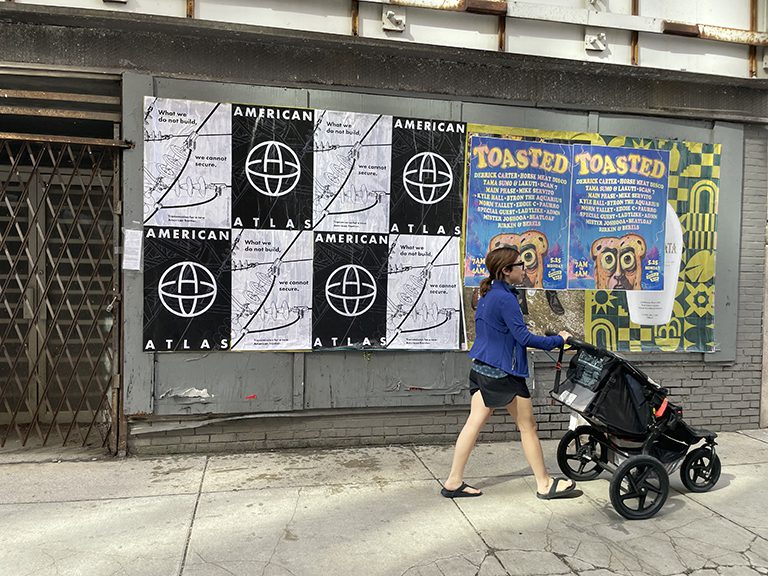
Dreamforce is not a typical tech conference. Salesforce’s annual gathering at San Francisco’s Moscone Center has grown into one of the largest B2B events on the planet, bringing 40,000 to 50,000 Salesforce network professionals, enterprise buyers, and technology decision-makers to San Francisco’s SoMa district each September. For B2B brands targeting the Salesforce network, Dreamforce marketing represents one of the highest-concentration targeting opportunities in the year: a defined, high-value audience in a compact geographic area for three days. At American Guerrilla Marketing, we execute street-level campaigns that reach this audience at every touchpoint outside the official Dreamforce perimeter.
The Dreamforce Opportunity for B2B Brands
Dreamforce draws a specific audience that B2B brands in the enterprise software, professional services, and technology sectors spend the rest of the year trying to reach through ABM campaigns, LinkedIn advertising, and trade media. At Dreamforce, that audience is physically present in a five-block radius in San Francisco for three days. The question is not whether to market at Dreamforce. It is how to do it in a way that actually reaches the audience rather than disappearing into the convention floor noise.
The Problem with Official Dreamforce Marketing
Official Dreamforce sponsorship tiers are expensive and heavily contested by the Salesforce partner network. The largest sponsors invest millions in official presence. For mid-size and smaller B2B brands, official participation often means a small booth in a secondary hall with limited traffic, or a marketing sponsorship package that delivers limited differentiation from the dozens of other brands running the same play.
Street-level Dreamforce marketing sidesteps these constraints entirely. The conference attendee spends roughly eight hours each day outside the official Dreamforce perimeter: at their hotel, commuting between venues, eating, drinking, and attending the dozens of unofficial partner events that run parallel to the main conference throughout the week. Our campaigns are built to reach this audience during those hours, in the moments when they are most receptive to brand contact.
The B2B Contact Quality Advantage
Dreamforce delivers contact quality that is unusual for street-level advertising. The attendee walking past a wheatpaste installation on Howard Street during Dreamforce week is not a generic consumer. They are a Salesforce administrator, a VP of Sales, a revenue operations director, or a technology procurement manager, exactly the audiences that B2B brands spend significant digital advertising budget trying to reach. Physical presence in the right Dreamforce zones reaches this audience with zero targeting waste.
Dreamforce Marketing Zones in San Francisco
San Francisco’s geography during Dreamforce week concentrates attendee activity in a manageable area. Building an effective campaign requires understanding which zones carry which audience segments at which times.
Moscone Center Campus and SoMa Core
The Moscone Center complex spans three buildings on the Howard-Mission Street corridor in SoMa. The immediate surroundings of all three buildings, including the pedestrian approaches on Howard, Third, and Fourth streets, carry the full Dreamforce attendee population during arrival, lunch, and departure windows. Wheatpaste installations on available SoMa building surfaces in this zone, brand ambassador programs at the pedestrian entry points, and LED truck routes through the campus perimeter reach attendees in the concentrated zone closest to the conference itself.
Mission Street Corridor
Mission Street runs the length of the SoMa district and connects the Moscone area to the Union Square hotel district. During Dreamforce, it functions as the primary surface street for attendees moving between their hotels and the conference on foot. Brand ambassador programs and ambient formats on Mission Street reach attendees during the high-frequency commute moments that bookend each conference day.
Union Square Hotel District
The majority of Dreamforce attendees stay in Union Square and the surrounding hotel cluster. The Grand Hyatt, Hilton, Marriott, and Westin St. Francis are among the properties that absorb conference housing demand. Hotel lobby areas, the blocks between major hotels and the conference shuttles, and the restaurant corridor on Post and Geary streets are high-value zones for ambassador programs during morning departure and evening return windows.
Partner Event Venues
Dreamforce week in San Francisco is saturated with partner-hosted events: cocktail parties, executive dinners, product demonstrations, and networking receptions running across venues throughout the city from Monday through Thursday. These events concentrate specific segments of the Dreamforce audience. Wheatpasting near confirmed partner event venues and ambient formats in surrounding blocks create brand contact at moments when the Dreamforce audience is in a social, engaged state.
Caltrain Station at 4th and King
The Caltrain station at 4th and King is the primary rail entry point for Dreamforce attendees commuting from Silicon Valley, the South Bay, and Peninsula locations. During Dreamforce week, the 4th and King station handles concentrated bursts of conference-goer traffic during morning arrival and evening departure windows. Wheatpaste installations near the station and ambassador programs at the commute peak capture the significant segment of Dreamforce attendees who are commuting rather than staying in San Francisco hotels.
Marketing Formats That Work at Dreamforce
Dreamforce’s B2B audience context shapes which formats perform best during conference week.
LED Billboard Trucks
LED billboard trucks running programmed routes through the SoMa corridor, the Union Square hotel district, and the partner event venue zones create mobile brand exposure that reaches the Dreamforce audience regardless of which specific hotel or venue they are working from. We program B2B-relevant creative for Dreamforce LED campaigns: clear value propositions, specific calls to action tied to conference-week demos or meetings, and messaging that speaks directly to the enterprise software and revenue operations context of the Dreamforce attendee.
Brand Ambassador Programs
Brand ambassador programs at Dreamforce are purpose-built for B2B conversion. Our ambassadors carry materials that create genuine value for the Dreamforce audience: conference guides to the best partner events, branded items useful during a conference week, QR codes that deliver content specifically relevant to Salesforce network professionals, or invitations to brand-hosted events where real conversations can happen.
The Dreamforce ambassador brief emphasizes relevance over volume. One high-quality interaction with the VP of Revenue Operations from a target account is worth more than fifty low-quality pass-bys with generic collateral. We train our Dreamforce ambassador teams on the brand’s positioning within the Salesforce network and on the specific audience segments they are targeting, so every interaction is productive rather than generic.
Wheatpasting in SoMa
Wheatpaste campaigns in SoMa during Dreamforce target the pedestrian corridors between the Moscone Center and the conference hotel cluster. SoMa’s industrial building stock provides large-format surfaces that can carry B2B brand messaging at a scale that stops pedestrians. Creative for Dreamforce wheatpaste should be direct: a clear brand statement, a specific offering, and a clear next step. B2B buyers walking between conference venues do not stop to read lengthy brand narratives.
Sidewalk Activations
Sidewalk stencils near the Moscone Center entrances and at key pedestrian intersections in SoMa create unavoidable brand touchpoints for every attendee making the walk on foot. As directional elements pointing toward a brand’s event or pop-up, sidewalk formats function as efficient, low-cost wayfinding tools during the conference week.
Dreamforce Marketing Strategy: Before, During, and After
Effective Dreamforce marketing extends beyond conference week itself. The audience prepares for Dreamforce weeks in advance and processes the conference experience for weeks afterward. A campaign that activates only during the three conference days leaves significant reach on the table.
Pre-Conference: Building Awareness and Meeting Interest
In the two to three weeks before Dreamforce opens, the conference audience is actively looking for content about what to see, which partners to visit, which events to attend, and which products to evaluate. Pre-conference content campaigns, digital advertising to verified Dreamforce attendee lists, and pre-event outreach to set up meetings during conference week all perform at elevated efficiency in this window. Street-level pre-conference campaigns near San Francisco office locations that concentrate Salesforce network companies create physical awareness before the conference begins.
During Conference: Maximum Physical Presence
Conference week itself is when physical marketing investment delivers the highest concentration of exposures. All street-level format deployments peak during the three conference days plus the travel days surrounding them. We concentrate LED truck routes during morning and evening commute windows, ambassador programs during lunch and afternoon break periods, and ambient activations throughout the full conference day.
Post-Conference: Follow-Through
The week after Dreamforce, the audience is processing what they saw and making buying decisions. Content follow-up, targeted digital campaigns reminding the conference audience of street-level touchpoints, and any lead follow-through from ambassador interactions all happen in this window. Brands that plan for post-conference follow-up extract significantly more value from their Dreamforce investment than those that stop when the badges come off.
Measuring Dreamforce Campaign Results
B2B marketing at Dreamforce benefits from cleaner measurement than many conference contexts because the audience is relatively defined and trackable. We combine street-level campaign documentation with digital signal tracking to build a full performance picture:
- GPS-tagged location photography for all wheatpaste and ambient installations
- Ambassador deployment logs including session locations, duration, and interaction counts
- LED truck route logs with timing and geographic coverage
- Campaign-period monitoring for branded search volume changes from San Francisco IP ranges
- Social content audit for organic Dreamforce campaign documentation
- Optional integration with the client’s CRM to track conference-sourced leads against campaign geography
Frequently Asked Questions About Dreamforce Marketing
What is Dreamforce marketing?
Dreamforce marketing refers to brand campaigns designed to reach the enterprise software buyers, Salesforce network professionals, and B2B decision-makers who attend Dreamforce in San Francisco each September. It includes street-level activations around the Moscone Center, hotel district campaigns, LED truck routes, and brand ambassador programs targeting the conference audience outside the official event perimeter.
How do brands market at Dreamforce without a booth?
Brands run street-level campaigns in SoMa around the Moscone Center, deploy ambassador teams at conference hotels, run LED billboard trucks on the Mission Street and Howard Street corridors, and execute wheatpaste campaigns on available surfaces throughout the downtown San Francisco conference zone.
What locations in San Francisco are best for Dreamforce marketing?
The Moscone Center campus, Mission Street and Howard Street corridors in SoMa, the Union Square hotel district, the Ferry Building area for evening events, and the Caltrain corridor at 4th and King for commuting attendees are the highest-value Dreamforce marketing zones.
How much does a Dreamforce marketing campaign cost?
A focused Dreamforce street marketing campaign typically runs $15,000 to $50,000 USD depending on format mix and conference-week duration. This compares favorably to official Dreamforce sponsorship tiers, which run significantly higher and require formal approval processes.
When should brands start planning Dreamforce marketing?
Dreamforce takes place in September. We recommend starting planning in June or July. San Francisco venues near the Moscone Center book out early during Dreamforce week. Eight to ten weeks of lead time is standard for a full street marketing campaign build.
What makes Dreamforce marketing different from other B2B conference campaigns?
Dreamforce draws 40,000 to 50,000 Salesforce network professionals to San Francisco over three days. The audience is dense, highly concentrated, and highly specific to enterprise software, CRM, and related B2B technology categories. This specificity makes street-level targeting unusually precise relative to other large conferences.
What types of brands benefit most from Dreamforce marketing?
Salesforce ISV partners, enterprise software companies, B2B SaaS platforms, professional services firms targeting enterprise sales teams, and any brand targeting C-suite and VP-level buyers in the Salesforce network benefit most from Dreamforce marketing campaigns.