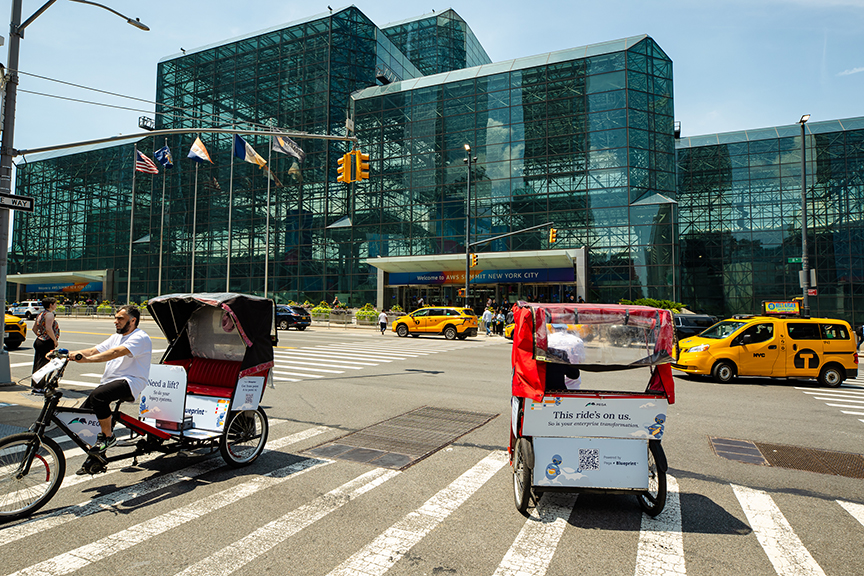
Advertisement for Bicycle | American Guerrilla Marketing
American Guerrilla Marketing — Field Notes
An advertisement for bicycle products, brands, or bicycle-mounted media requires a different strategic approach than advertising for most other product categories. Bicycle culture is specific, fiercely loyal, and deeply skeptical of corporate messaging that does not feel genuine. The community can spot a brand that does not belong in it, and the consequences of that mismatch are worse than not advertising at all.
We are American Guerrilla Marketing. We work in urban environments where cycling culture is woven into the fabric of the city. We have built bicycle-mounted advertising campaigns, planned activations at major cycling events, supported bike brands launching in new markets, and helped non-bicycle brands use the format to reach cycling-adjacent demographics. This guide covers both how to advertise for bicycle products and brands effectively and how to use bicycles as a medium to advertise for other brands.
Before anything else, it is worth distinguishing two different ways the phrase “advertisement for bicycle” gets used, because the strategic answers are very different depending on which situation applies.
Advertising a Bicycle Brand or Product
If you manufacture bicycles, bicycle components, cycling apparel, or cycling accessories and you want to advertise those products to cyclists, you are in a category that requires deep community fluency. The cycling community rewards authenticity and penalizes anything that smells like corporate imposition. Every channel, message, format, and tone choice needs to reflect genuine engagement with cycling culture rather than surface-level borrowing of its aesthetic.
Using Bicycles as an Advertising Medium
If you want to put your brand on a bike and ride it through a city to reach urban consumers, you are using the bicycle as a media vehicle rather than a product category. In this case, the strategic considerations center on route planning, creative design, format selection, and market deployment. The content of what is being advertised is secondary to the question of how to execute effective bicycle-mounted advertising.
We are expert at both. The rest of this guide covers both angles in depth.
AGM Field Note: The most common mistake brands make when advertising to cyclists is treating cycling as a lifestyle accessory rather than a core identity. For serious cyclists, the bike is not just a product they own. It is a primary lens through which they organize their values, their community, and their daily life. Advertising that treats cycling instrumentally gets filtered out quickly by this audience. Advertising that treats it as a genuine commitment gets taken seriously.
Advertising Bicycle Brands: Channels and Strategies
If you are a bicycle brand, here is how we think about building an effective advertising strategy in urban markets.
Presence in the Cycling Community
The most effective advertising for bicycle brands happens inside the cycling community itself. Group rides, cycling clubs, bike shops, and cycling events are where the credible conversations happen. A brand that is present in these contexts, as a sponsor, as a participant, as a contributor to community events, builds a reputation that advertising alone cannot manufacture. We plan activations specifically around these community entry points for bicycle brands that want to build genuine presence rather than just purchased visibility.
Event Activation
Major cycling events, races, gran fondos, community rides, and bike festivals are natural advertising environments for bicycle brands. Being present at these events, not just as a sponsor logo on a banner but as an active, engaging presence with product demos, expert staff, and genuine participation, is how bicycle brands build the kind of community standing that drives word-of-mouth and loyalty over time.
Urban Cycling Infrastructure Adjacency
Protected bike lanes, bike-share stations, cycling corridors, and the businesses that serve cyclists in urban neighborhoods are natural advertising environments for bicycle brands. A brand present in these physical spaces reaches cyclists in their native environment in a context that feels appropriate rather than intrusive.
Influencer Partnerships with Authentic Cyclists
The cycling community has a strong base of genuine enthusiasts who document their cycling lives online. A partnership with a rider who is genuinely enthusiastic about a product and communicates that enthusiasm to an engaged following is far more effective than a traditional paid placement. The community filters for authenticity. Genuine enthusiasm reads differently than paid messaging, and the community can tell the difference.
Using Bicycles as Advertising Media: How It Works
For brands that want to use bicycles as a media vehicle to reach urban audiences regardless of the product category, here is the operational framework we use.
Billboard Bikes for Broad Awareness
A large printed or LED display panel mounted to a bicycle, operated by a trained rider on planned routes through target areas. The bike carries the brand message through parks, greenways, markets, and campus environments that no vehicle-based format can reach. The format is mobile, flexible, and operates in premium access environments where the audience is relaxed and receptive.
Cargo Bikes for Combined Advertising and Sampling
A cargo bicycle outfitted with exterior brand panels and an interior product storage compartment. The rider both displays the brand and distributes product samples along the route. Best for CPG and food and beverage brands that need consumers to experience the product rather than just see the name.
Branded Rider Programs
A rider wearing branded cycling kit and riding a tastefully branded bicycle through target areas. This reads more like brand ambassadorship and less like traditional advertising. It is effective for premium brands that want presence in cycling communities without the overtness of a billboard-style panel.
Advertising Goal
Best Bicycle Format
Ideal Market Segment
Broad urban brand awareness
Billboard bike (printed panel)
All consumer demographics in target zones
Product launch attention
LED display bike
Dense urban, social media active
Direct product trial
Cargo bike with sampling
Food, beverage, CPG brands
Cycling community presence
Branded rider program
Active, lifestyle-oriented urban consumers
Event presence
Any format, event-specific planning
Event-specific demographic
Advertising for Bicycle Brands at Key Urban Events
Events are where bicycle advertising investments deliver the highest density of the right audience in the shortest time window. Here are the event types that matter most for bicycle brand advertising.
Urban Cycling Events
Organized group rides, cycling festivals, and charity cycling events draw active cyclists in concentrated numbers. These are not spectator events. The participants are the audience. A brand present at these events with genuine engagement, product demos, meaningful sponsorship benefits, and staff who can speak knowledgeably about cycling earns the community’s attention and respect in a way that distant sponsorship cannot.
Major Outdoor Fitness Events
Triathlons, running events, and multi-sport festivals draw active fitness consumers who overlap significantly with the cycling demographic. Many triathletes are cyclists. Many regular runners are occasional cyclists. Events that combine multiple fitness disciplines create advertising opportunities for bicycle brands that reach adjacent demographics as well as core cyclists.
Outdoor Markets and Festivals with Cycling Culture
Neighborhoods with strong cycling cultures, Williamsburg in Brooklyn, Wicker Park in Chicago, Los Feliz in Los Angeles, have regular outdoor markets and festivals that draw the cycling demographic in substantial numbers. Brand presence at these neighborhood-level events builds the local community recognition that is most valuable for bicycle brands competing for loyalty over time.
Campus and University Events
University campuses are some of the most cycling-dense environments in any American city. Campus cycling communities are active and organized. Campus cycling events, bike rodeos, and bicycle advocacy activities draw engaged participants who are at the beginning of their cycling process and most open to brand relationships that will stay with them for decades.
Key Creative Principles for Bicycle Advertising
Whether you are advertising a bicycle brand or using a bicycle as a media vehicle, the creative approach shapes the campaign’s effectiveness dramatically. Here are the principles we apply.
Authenticity Is Non-Negotiable
For bicycle brand advertising specifically, creative that feels inauthentic to cycling culture is not just ineffective. It generates active negative sentiment. The cycling community has seen brands try to appropriate its culture for commercial purposes many times, and it has developed a sharp filter for it. Creative for bicycle brands must come from genuine knowledge of cycling, not from surface aesthetic borrowing.
Simplicity Serves the Format
For bicycle-mounted advertising specifically, the creative must function in a two-to-five-second moving encounter. Bold visual, minimal copy, dominant logo. This is not a limitation. It is the creative challenge. A great bicycle-mounted ad communicates a complete brand idea in the time it takes someone to glance at a passing bike and look away.
Environment Informs Creative
A bike ad creative developed for deployment in Central Park should be different from one developed for a farmers market or a campus corridor. The visual context, the audience, and the viewing conditions are all different. We develop creative with the specific deployment environment in mind, not as a one-size-fits-all template.
AGM Field Note: For bicycle brand advertising specifically, we recommend that at least one person on the creative team be an active, serious cyclist. Not someone who rode a bike in college. Someone who rides regularly and can evaluate the work from the inside of the culture rather than the outside. Creative that passes that internal filter performs. Creative that does not, however polished it looks in a presentation, gets rejected by the community in the field.
Bicycle culture and bicycle advertising opportunities vary significantly by market. What works in Portland may not be the right approach in Miami. Here is how we think about key markets for bicycle advertising.
New York City
New York has experienced an enormous expansion of cycling culture over the past decade, driven by major bike lane infrastructure investment and the growth of Citi Bike. The cycling population spans demographics from young professionals to food delivery workers to recreational riders in the park system. Advertising for bicycle brands in New York needs to acknowledge the full range of the cycling community rather than targeting only the enthusiast segment. The commuter cyclist, the recreational rider, and the competitive cyclist all have different needs and respond to different messages.
Chicago
Chicago’s cycling season is constrained by winter but intense during spring, summer, and fall. The Lakefront Trail cycling community is active and organized. Wicker Park, Bucktown, and Logan Square have strong neighborhood cycling cultures. Advertising for bicycle brands in Chicago during the cycling season, April through October, reaches a concentrated and engaged audience. Off-season advertising is less productive for cycling-specific brands but can maintain presence through digital channels.
Los Angeles
LA has a strong cycling culture that is less constrained by weather and more constrained by geography. Mountain biking communities in the hills, road cycling communities in the beach cities, and urban commuter cycling communities in the denser eastside neighborhoods all represent distinct segments. Bicycle brand advertising in LA needs to identify which segment it is targeting before selecting channels and creative approaches. The road cycling community on the Strand is a different audience from the urban commuter in Silver Lake or the mountain biker in Griffith Park.
Portland and Seattle
Portland has the highest cycling commuter rate of any large American city. Cycling is not a lifestyle choice for much of Portland’s population. It is a primary transportation mode. Advertising for bicycle brands in Portland needs to respect that functional relationship to cycling, not treat it as aspirational. Seattle has a strong cycling community concentrated in areas like Capitol Hill, Ballard, and the Burke-Gilman Trail corridor.
Frequently Asked Questions About Bicycle Advertising
What is the best channel for advertising a new bicycle brand in a major city?
For a new bicycle brand entering a major city, we recommend starting with physical presence in the cycling community: sponsoring local rides, being present at cycling events, and partnering with bike shops that serve the target customer segment. This community-level presence builds authentic credibility faster than any paid advertising channel can. Paid advertising, whether outdoor, digital, or bicycle-mounted, amplifies credibility that already exists. It cannot create credibility from nothing in a community that is specifically skeptical of corporate intrusion.
Can a non-bicycle brand use bicycle advertising effectively?
Absolutely. Many of the most effective bike-mounted advertising campaigns we have executed have been for food and beverage brands, consumer apps, health and wellness products, and entertainment companies. The bicycle is a media vehicle that delivers brand messages in premium access environments. The brand being advertised does not need to be cycling-related for the format to work.
How do we measure the success of bicycle advertising?
For bicycle-mounted media, we use GPS route data, field documentation, QR code or URL tracking, and any observable interaction metrics from the field. For bicycle brand advertising more broadly, we use brand awareness surveys in target markets, sales data, and digital analytics that measure search and social behavior in the target demographic during and after campaign periods.
How should bicycle brand advertising communicate quality versus price?
That depends entirely on the brand’s market positioning. Premium bicycle brands should never lead with price. Cycling enthusiasts are comfortable spending significantly on quality equipment and are put off by advertising that reduces the conversation to cost. Brands targeting entry-level or commuter segments can address value more directly, but should still lead with functional benefit rather than price as the primary hook.
What role does social media play in bicycle brand advertising?
Social media, particularly Instagram and YouTube, is a critical channel for bicycle brands because the community uses it to document rides, review equipment, and build relationships with brands. Brands that are consistently present on these platforms with genuine content, not just advertising, build the kind of ongoing relationship with the cycling community that translates into purchasing preference over time.
Is guerrilla marketing effective for bicycle brands?
Yes, and it tends to perform particularly well for bicycle brands because the cycling community values creativity, unconventionality, and genuine engagement. A brand that shows up in the community in unexpected, creative ways earns more goodwill than a brand that simply purchases the most visible advertising placements. Guerrilla tactics aligned with cycling culture, not imposed on it, are among the most effective brand-building tools available in this category.
What events should bicycle brands prioritize for advertising and sponsorship?
Cycling-specific events are the highest priority: organized rides, races, gran fondos, bicycle festivals, and cycling advocacy events. Multi-sport fitness events that include cycling components are a second tier. Neighborhood events in cycling-dense communities are a third tier. Events that are adjacent to cycling culture, outdoor lifestyle events, environmental events, urban mobility events, can also be valuable depending on the brand’s specific target demographic.
How important is influencer marketing for bicycle brands?
It is important, but the quality of the influencer relationship matters far more than the follower count. A genuine cyclist with a smaller, highly engaged following of fellow cyclists who actually uses and rides the product delivers more credible brand impact than a large lifestyle influencer who treats the bicycle as a photo prop. Authenticity of use is everything in this category.
Can bicycle advertising work for B2B brands like fleet programs or bike infrastructure companies?
Yes, though the channel and message strategy shifts. B2B bicycle brands targeting fleet programs, corporate commuter benefits, or urban infrastructure decision-makers need to reach a different audience through different channels: city government events, transportation conferences, corporate wellness decision-maker networks, and direct outreach to fleet managers and HR directors. We can build programs targeting these audiences specifically.
Build Your Bicycle Advertising Campaign with AGM
Whether you are a bicycle brand looking to build community presence in a new city, a non-bicycle brand that wants to use the format to reach urban consumers in premium environments, or anything in between, we have executed campaigns in your category and can bring genuine strategic thinking to your situation.
We do not pretend all advertising problems are the same. Bicycle brand advertising to a cycling community is fundamentally different from deploying a billboard bike to reach a general urban consumer. We know the difference and we plan accordingly.
Building a Program That Delivers in the Real World
The gap between a field marketing program that delivers genuine results and one that generates an expensive activity report with nothing to show for it comes down to three variables: strategic clarity in the brief, professional quality in the execution, and honest accountability in the reporting. When all three are present, field marketing programs create meaningful, measurable brand outcomes. When any of the three is missing, the budget gets spent without proportional returns.
We start every program engagement with a strategic conversation, not a price negotiation. We need to understand the brand deeply enough to make genuinely useful strategic recommendations. That means understanding the product, the target consumer, the competitive environment the brand operates in, the specific market we are activating in, and the specific outcome the client needs the program to produce. Without that understanding, we can execute tactics competently but we cannot build a program that is strategically sound.
Professional execution is what we are known for and what we protect as the foundation of every client relationship we have. Our field teams are trained, briefed, supervised, and held to clear performance standards. We do not deploy teams without field management. We do not finalize programs without creative review. We do not accept sample quality that does not represent the brand accurately. We do not allow route drift without field supervisor intervention. These standards exist because field marketing quality is the only thing that determines whether a program generates genuine consumer impact or generates the appearance of activity.
Honest reporting is the accountability mechanism that makes the whole system function. We deliver reports that tell clients what actually happened: where the program was strong, where it was weak, what we did to address problems when they arose, and what we recommend for the next program cycle based on what we learned. We do not optimize our reports for optics. We optimize them for usefulness. A client who gets an honest, useful report from a program that underperformed in specific areas can make better decisions with that information than a client who gets a glowing report that conceals what went wrong.
Field Marketing Program Economics: Getting Value from Your Investment
Field marketing programs are an investment, and like any investment, they require a clear-eyed view of what they return relative to what they cost. Here is how we think about the economics of field marketing across the main program types we execute.
Street team programs generate a specific type of value: direct, human-scale brand encounters with the target consumer in the physical environments where they spend their time. The cost of a six-hour shift with a trained, briefed, supervised street team member running from $389.99 at the standard tier to $589.99 at the premium tier reflects the cost of a professional who represents your brand competently in every interaction they conduct during that shift. The return on that investment is the number and quality of direct brand encounters generated during the shift and the downstream brand recognition and purchase consideration that those encounters produce over time.
Sampling programs generate a different type of value: direct product trial among the target consumer in contextually appropriate environments. The cost of a sampling program includes specialist staffing, sample production and logistics, equipment, field management, and reporting. The return is measured in trial volume, purchase intent lift, retailer velocity data, and long-term brand adoption among the consumers who had a positive first product experience. For brands with genuinely strong products, the ROI on well-executed sampling programs is among the highest in the marketing mix.
Mobile advertising programs, including billboard bikes, LED display bikes, and vehicle-based advertising, generate the value of brand presence in premium access environments. The cost reflects the unique access value of the format: being in Central Park, on the Lakefront Trail, at a major outdoor market is not the same as being on a commercial street. The premium access environment is what the format delivers and what justifies the investment relative to static or vehicle-restricted formats.
Across all program types, the most reliable way to maximize return on investment is to be specific about the objective, design the program specifically to achieve that objective, execute at a professional standard, and measure against the specific outcome the program was designed to produce. Generic programs generate generic results. Specifically designed, professionally executed programs generate the specific outcomes they were built for.
Common Questions We Get from Brands Starting Field Marketing Programs
We have introductory conversations with brands evaluating field marketing programs every week. Here are the questions we hear most often and the honest answers we give.
“How much does a field marketing program cost?” It depends entirely on the scope. A two-person street team for one week in one market is a modest investment. A twenty-city sampling program with twenty specialists per market and full field management is a significant one. We size programs based on objectives and build budgets based on the specific scope required to achieve them. We do not have a standard package price because no two programs are the same.
“How do I know if field marketing will work for my brand?” We evaluate fit based on the brand, the product, the target consumer, and the specific objective. For consumer brands with genuinely strong products targeting specific urban demographics in environments where field marketing operates effectively, it almost always works when it is executed at quality. For brands where the fit is less clear, we say so and recommend whether a test program or a different approach makes more sense.
“How do you ensure the team represents our brand appropriately?” Through recruitment based on genuine product-audience fit, thorough pre-deployment training, active field management throughout every shift, and honest performance reporting that holds teams and supervisors accountable for quality. We have multiple layers of accountability built into every program precisely because brand representation quality is the non-negotiable foundation of field marketing value.
“What if we are not happy with the results?” We have a direct conversation about it. We review the program data together, assess what worked and what did not, and make a recommendation about how to adjust the next program cycle to address the shortcomings of the current one. We do not tell clients that disappointing results are an inherent limitation of the format. We assess whether the issue was strategic, creative, or executional and address it specifically in the next program design.
Next Steps: Building Your Program with AGM
Field marketing programs start with a conversation. Call us at (646) 776-2770 or email [email protected] and we will schedule a direct discussion about your brand, your target market, your campaign objectives, and your timeline. We will ask specific questions about the program you need and give you honest answers about what the right approach looks like for your situation.
From that initial conversation, we build a program recommendation that reflects genuine strategic thinking about how to achieve your specific objective in your specific market with your specific target consumer. We do not deliver a one-size-fits-all proposal and invite you to pick the package that is closest to what you need. We design programs from the ground up based on what each client’s situation actually requires.
Our production timelines are realistic. We tell you what we need from you at each stage of production and when we need it. We tell you what the program will cost before we begin. We execute to the plan we have agreed to and we communicate transparently when real-world conditions require any adjustment to that plan. We deliver the program report within five business days of the final deployment day.
We are a team of people who care about field marketing done right. Not because it is a job, but because we have seen what well-executed guerrilla and field marketing programs accomplish for the brands we represent and we take pride in being the team that delivers those results. We invite you to experience that difference directly. Call us today.