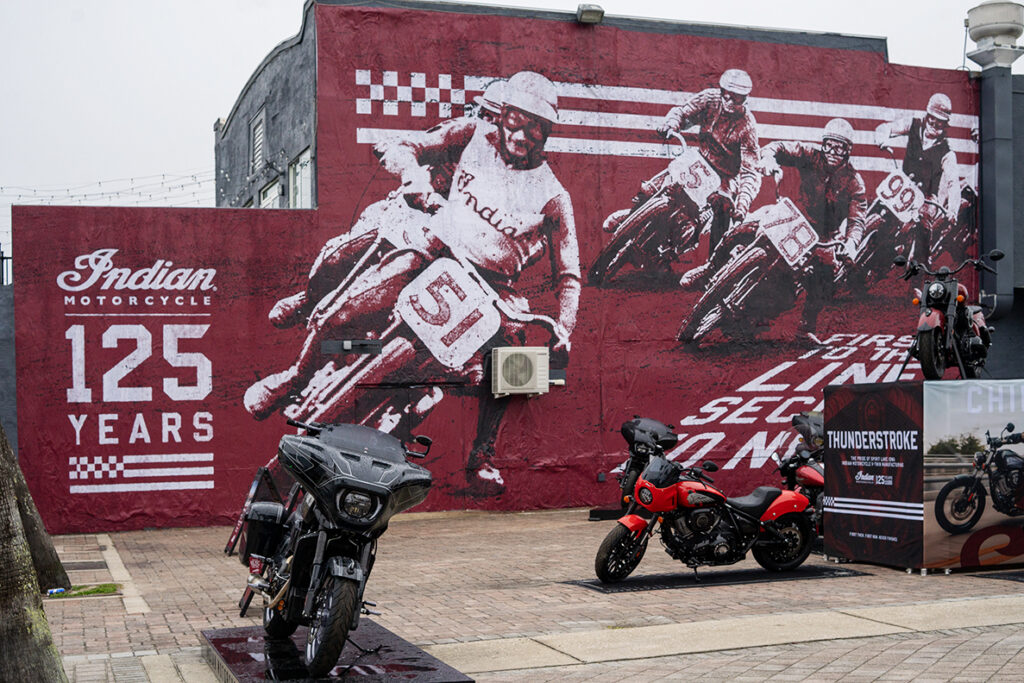
A hand-painted mural on the side of a building does something no digital ad can replicate. It exists in a real place. It does not disappear when someone closes a tab or swipes past a feed. It gets photographed by people who did not ask to see it, shared by people who have no relationship with the brand, and talked about in neighborhoods where the brand has no other presence. That organic reach is the core reason business murals have become a legitimate line item in marketing budgets across industries and company sizes.
The format is no longer limited to multinational brands running cultural moments. Regional consumer brands, fitness studios, hospitality groups, tech companies doing local launches, and restaurants opening second locations all commission murals regularly. The question is never whether murals work — the documentation on that is consistent. The question is how to do one correctly: the right format, the right wall, the right market, and the right process to protect the investment.
This guide covers what business murals actually cost, how each format performs, what the production process looks like from brief to completion, and how to think about murals as a strategic marketing asset rather than a one-time creative expense. The numbers are real. The advice is practical.
What Business Murals Are and What They Are Not
A business mural is any large-format visual element applied to or painted directly on a building exterior for brand or marketing purposes. That definition covers several distinct formats that behave very differently in practice.
Hand-Painted Murals
Artists apply paint directly to the building surface using conventional techniques scaled to architectural dimensions. The result is permanent — or near-permanent — and carries the visual credibility of original art. Hand-painted murals are the highest-cost format and the format that generates the most earned media. They read as cultural contribution rather than advertising, which changes how pedestrians and social media audiences engage with them.
Vinyl Wraps and Large-Format Prints
Digitally printed panels or rolls of vinyl are adhered to the building exterior. Production is faster, the image fidelity is higher (especially for photographic content), and the format is more easily updated or removed. Vinyl is appropriate for time-specific campaigns — product launches, seasonal promotions, event windows — where the mural needs to come down on a defined schedule.
Large-Format Wheatpaste
Printed panels are applied using a wheat-starch adhesive to walls, construction fencing, and other permitted surfaces. Wheatpaste is the fastest format to deploy across multiple locations simultaneously and is the primary vehicle for wheatpasting and poster campaigns at scale. The lifespan is shorter than paint or vinyl — typically 30 to 90 days depending on weather and surface — but the cost-per-impression is often the lowest of any format when deployed across a neighborhood grid.
Why Businesses Commission Murals
The decision to commission a mural is a media decision, not just a creative one. Each wall functions as an outdoor media placement with a specific reach, demographic profile, and impression frequency. Understanding why brands invest helps clarify what the format actually delivers.
Physical Presence in High-Traffic Zones
A mural at a major pedestrian intersection in Brooklyn or on a visible wall in Chicago’s Wicker Park is seen by thousands of people per day. Unlike a billboard on a highway, those impressions happen at walking speed — people have time to read, process, and photograph. Our outdoor advertising team tracks foot traffic data for every wall we source to ensure the placement delivers on audience volume.
Social Media Amplification Without Media Spend
A well-executed mural generates organic social content from people who happen to walk past. That user-generated content reaches audiences who never saw the physical installation. In high-foot-traffic creative neighborhoods — Wynwood in Miami, the Arts District in Los Angeles, Williamsburg in Brooklyn — mural documentation is a native social behavior. The mural becomes a photo destination, extending its reach far beyond the immediate geography.
Brand Credibility and Cultural Association
Street art and mural culture carry a set of associations — authenticity, local rootedness, creative credibility — that are difficult to manufacture through conventional advertising. A brand that commissions a high-quality mural in the right neighborhood signals cultural fluency. That signal matters particularly for consumer brands targeting younger demographics who are skeptical of traditional advertising formats.
Long-Duration Impressions at Low CPM
A mural that costs $25,000 to produce and lasts three years generates impressions at a CPM that is competitive with or lower than most digital channels over that time horizon. The initial investment is front-loaded, but the ongoing cost is essentially zero. That math changes significantly for brand managers who think in terms of lifetime cost rather than monthly budget allocation.
Business Mural Costs: What You Actually Pay
Mural pricing varies substantially by format, market, size, and scope. The numbers below reflect real project costs across the markets where we operate.
Hand-Painted Mural Pricing
Small murals (under 500 square feet) in mid-tier markets: $5,000 to $15,000. Large murals (1,000 to 3,000 square feet) in major metros like New York, Los Angeles, or Chicago: $20,000 to $80,000. The variables include artist rate, scaffold or lift rental for high walls, surface preparation, number of colors and complexity of the design, and whether the property owner charges a wall fee or provides access free of charge in exchange for the mural as a neighborhood amenity.
Vinyl Wrap Pricing
Vinyl production costs $8 to $20 per square foot for standard formats, including printing and material. Installation adds $2,000 to $8,000 depending on height and surface type. A 500-square-foot vinyl wrap all-in runs $8,000 to $18,000. Removal adds $1,500 to $4,000 at end of campaign. Vinyl is typically less expensive than hand-painted for large simple designs but more expensive for small installations where the production setup cost is proportionally high.
Large-Format Wheatpaste Pricing
A single large wheatpaste panel (8 to 16 feet tall) including print and installation runs $800 to $2,500 depending on market. Multi-location campaigns covering 10 to 30 walls across a city run $8,000 to $30,000 including production, location fees, and installation crews. Our wheatpasting campaigns include GPS documentation of every placement so brands have proof of performance at each location.
Which Businesses Use Murals Most Effectively
Murals are not universally appropriate for every brand or campaign objective. The format performs best in specific contexts.
Restaurants and Food Brands
Restaurants use murals to define neighborhoods, signal quality, and create a social content destination. A strong mural on the exterior wall of a new restaurant location generates pre-opening buzz, gives food bloggers a visual anchor, and continues producing organic content long after the opening. For regional food brands expanding into new markets, murals in the right neighborhoods establish presence before distribution catches up.
Retail and Direct-to-Consumer Brands
DTC brands launching physical retail or establishing brand awareness in new cities use murals as cost-effective alternatives to traditional outdoor advertising. A mural in a neighborhood where the target customer lives and shops creates geographic specificity that a Times Square billboard cannot replicate.
Entertainment and Media
Film releases, streaming shows, music albums, and gaming launches use murals to create physical cultural moments in cities where press coverage and social conversation are concentrated. A mural in the right neighborhood gets photographed by journalists, entertainment writers, and fans — generating press coverage with no additional media spend.
Real Estate and Hospitality
Development projects and hotel brands use murals to define the character of a location before the property opens. A mural on a construction fence or adjacent building announces the brand’s aesthetic and begins building neighborhood association while the physical space is still under construction.
How to Source the Right Wall
Wall sourcing is where most independent mural projects fail. Finding the right surface requires simultaneous evaluation of foot traffic, sight lines, surface condition, property owner accessibility, permit feasibility, and neighborhood context. An agency that operates in a market regularly maintains relationships with property owners who are open to mural commissions — those relationships are not available to a brand approaching the process cold.
What Makes a Wall High-Value
Visible from a pedestrian corridor with 5,000+ daily foot traffic. Unobstructed sight line from at least 50 feet. Sound surface condition — no significant cracking, water damage, or protrusions. Property owner who has permitted murals before or who can be negotiated with on reasonable terms. Appropriate neighborhood context for the brand’s positioning.
Construction Fencing as a Mural Surface
Construction fencing in urban cores is one of the most under-utilized mural surfaces. Projects in major cities often run 12 to 36 months, providing a long campaign window on a surface that requires no owner negotiation beyond the developer. Our team identifies active construction projects in target neighborhoods as part of every wall-sourcing brief.
Permitting for Business Murals
Permit requirements for business murals vary significantly by city, borough, and zoning district. In New York City, painted wall signs fall under the NYC Buildings Department’s sign regulations, which distinguish between advertising signs and non-advertising decorative murals. In Chicago, murals on private property require permits from the Department of Buildings and may require aldermanic sign-off depending on the ward. In Los Angeles, mural permits are processed through the Department of City Planning under the Mural Ordinance.
The permit process adds timeline and cost but provides protection — a permitted mural cannot be ordered removed by the city unless the permit terms are violated. Our team handles permit research, application preparation, and submission for every mural campaign we execute.
Working With a Mural Artist
The artist relationship is central to a successful mural commission. The right artist brings not just technical skill but neighborhood credibility — a known street artist working in a community they are part of carries more cultural weight than a studio artist dropped in from outside. For brands that care about the cultural signal the mural sends, the artist’s identity and community standing matter as much as the design itself.
Artist Rate Structures
Established muralists charge $50 to $200+ per square foot depending on market profile and demand. Emerging artists in local markets can produce high-quality work at $15 to $40 per square foot. Day rate models work better for projects where scope is uncertain. Project rate models provide cost certainty for well-defined designs. Production timelines range from three days for small simple pieces to three weeks for large complex murals.
Creative Collaboration vs. Brand Direction
Brands that give artists genuine creative latitude within a loose brief produce murals that the street art community engages with organically. Brands that push heavily prescriptive creative direction typically produce pieces that look like what they are — advertising — and generate less organic amplification. The brief should establish brand guardrails (colors, marks, messaging constraints) while leaving significant creative space for the artist.
Documentation and Proof of Performance
Every business mural should be documented at installation. Professional photography captures the final piece in context — pedestrians present, surrounding neighborhood visible, lighting conditions optimized. Video footage of the painting process, time-lapses, and installation documentation serve multiple purposes: social content for the brand, portfolio assets, and proof of placement for internal stakeholders who were not present during execution.
Our team delivers a comprehensive documentation package for every mural — geo-tagged photos, coverage video, and a placement report that confirms the wall specifications, installation date, and estimated daily impression volume. This documentation is standard on every guerrilla marketing campaign we execute.
Mural Longevity: How Long Do Business Murals Last?
One of the most significant economic advantages of hand-painted murals is longevity. A well-executed hand-painted mural on a properly prepared surface in a protected location can last 5 to 15 years with minimal maintenance. That duration transforms the CPM calculation dramatically: a $30,000 mural that generates 20,000 daily impressions over five years produces a CPM measured in cents, not dollars. No other outdoor format approaches that long-term efficiency.
Factors That Affect Mural Longevity
Surface preparation is the primary determinant of longevity. A mural painted on a properly primed, sealed, and prepared surface will outlast the same mural painted on an unprepared surface by two to three times. UV-resistant paints and varnish topcoats extend outdoor life significantly — exterior murals should use exterior-grade artist acrylics or house paints rated for outdoor use, with a UV-protective topcoat applied after completion. South-facing walls in high-sunlight markets (Miami, Los Angeles, Phoenix) fade faster than north-facing or shaded walls in the same markets.
Vinyl wraps have shorter functional longevity — typically 2 to 7 years before fading and edge lifting require replacement. Large-format wheatpaste is the shortest-duration format, typically lasting 30 to 90 days under normal urban conditions. For brands making a long-term investment in a location, hand-painted murals produce a better cost-per-year value than any other format despite their higher upfront cost.
Maintenance and Touch-Up
Hand-painted murals may require periodic touch-up for areas affected by graffiti, environmental wear, or surface damage. The artist who created the mural is typically the best source for touch-up work because they can match colors and technique precisely. Planning for one touch-up every two to three years — at a cost of 10 to 20% of the original production budget — extends mural life indefinitely and maintains the visual quality of the brand asset.
Mural Advertising vs. Traditional Outdoor Advertising
Brand managers evaluating murals against traditional out-of-home formats — billboards, transit advertising, bus shelters — are comparing two fundamentally different types of media placements. Understanding the difference helps clarify when murals are the right choice and when traditional OOH serves the campaign objective better.
What Murals Do That Billboards Cannot
Traditional billboard advertising delivers guaranteed, quantified impressions in a defined location for a defined period. Murals deliver those same impressions but add several dimensions that billboards cannot provide: cultural association with the neighborhood and its art culture, organic social sharing from pedestrians who photograph the mural for its own aesthetic value, earned media coverage as a newsworthy brand presence, and permanent visual equity that accumulates over years rather than disappearing when the lease term ends.
For brands where cultural association and organic amplification are strategic objectives — particularly for consumer brands targeting young, creative-adjacent demographics — those additional dimensions justify the premium over a traditional billboard placement of comparable impression volume. For brands whose primary need is guaranteed, audited impressions at scale for a specific campaign period, traditional OOH may be the more appropriate choice.
Integrating Murals Into a Broader Campaign
A standalone mural is a strong brand asset. A mural integrated into a broader street-level campaign is significantly more effective. We regularly combine murals with sidewalk stencils, brand ambassadors, and LED billboard trucks to create multi-touchpoint campaigns that dominate a neighborhood’s visual space during a launch window. The mural provides the anchor — a permanent or semi-permanent visual landmark — while the supporting formats drive daily impressions and conversational moments.
Projection advertising is another natural complement. A building-scale projection on the same or adjacent wall as a mural creates a nighttime activation that extends the campaign’s reach into evening hours when foot traffic profiles shift. Our projection advertising team works alongside our mural production team on campaigns that use both formats.
Frequently Asked Questions
How much do business murals cost?
Business murals range from $3,000 for a small vinyl wrap to $80,000+ for a large hand-painted mural in a major metro. Large-format wheatpaste runs $5,000 to $20,000 for a multi-location campaign. The main cost drivers are square footage, surface complexity, artist fees, permit costs, and whether the campaign is temporary or permanent.
Do I need a permit for a business mural?
In most U.S. cities, yes. Any signage painted on or applied to a building exterior typically requires a permit from the local planning or buildings department. Permit requirements vary by city, borough, and zoning district. Our team handles permitting research and submission for every campaign we manage.
What is the difference between a hand-painted mural and a vinyl wrap?
Hand-painted murals are painted directly onto the surface by an artist — they last years or decades, carry organic credibility, and generate more earned media. Vinyl wraps are printed panels adhered to a surface — they are faster to install, easier to update, and often cheaper for shorter campaigns. The right choice depends on your timeline, budget, and whether you want a permanent brand asset or a campaign-specific placement.
How long does it take to execute a business mural campaign?
From brief to completed mural, expect 4 to 8 weeks for a hand-painted piece in a major market. That timeline covers wall sourcing and owner negotiation (1-2 weeks), permitting (1-3 weeks depending on city), design finalization, and painting (3-10 days). Wheatpaste campaigns can move faster — sometimes 2 weeks from brief to installation.
Which cities are best for business mural advertising?
New York City, Los Angeles, Chicago, Miami, and Austin are the top markets for mural advertising due to pedestrian density, cultural appetite for street art, and high social media documentation from residents and tourists. Brooklyn’s Williamsburg, the Wynwood Arts District in Miami, and the Arts District in Los Angeles are particularly high-performance neighborhoods.
Can American Guerrilla Marketing source walls and handle the entire mural process?
Yes. We handle the full scope — wall scouting, property owner negotiations, permit applications, artist sourcing or coordination with your preferred artist, production oversight, and post-installation photo and video documentation. Our team operates across 50+ U.S. markets.
Are wheatpaste murals legal for businesses?
Wheatpaste on private property with documented owner permission is legal in every major U.S. market. Wheatpaste on public property without permission is illegal and subject to fines. We work exclusively with permitted placements and documented owner agreements, which protects the brand and ensures longevity.