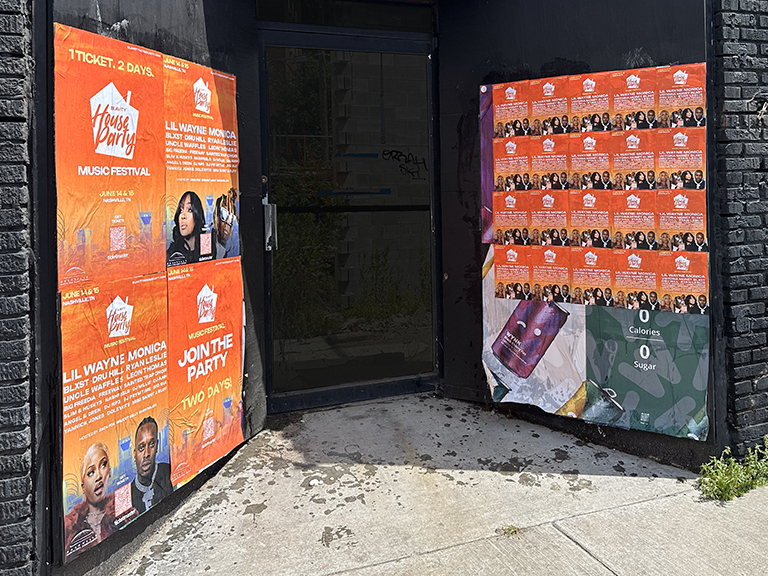
Sticker bombing advertising is one of those tactics that sounds scrappy and underground — and that’s exactly why major brands keep coming back to it. When executed correctly, a sticker campaign builds the kind of street-level brand presence that money can’t buy through traditional media: the sense that a brand is everywhere, that it lives in the city rather than advertising to it.
The challenge is execution. The term “sticker bombing” has roots in unauthorized street art culture, where stickers were slapped on any available surface without regard for property law or local ordinances. Brands that approach sticker advertising with that same recklessness invite fines, forced cleanup orders, and the kind of press coverage that hurts rather than helps. The brands that do it right operate with a clear legal framework, thoughtful distribution strategy, and designs strong enough to make people want to keep the stickers rather than peel them off.
This guide covers what sticker bombing advertising actually is, how brands run legitimate sticker campaigns, what design choices drive street impact, and how to measure results from a format that operates in the physical world but amplifies online.
What Sticker Bombing Advertising Means for Brands
In a brand context, sticker bombing advertising describes the strategic deployment of large quantities of branded stickers across targeted urban environments and audience touchpoints. The goal is saturation: creating the impression that a brand is embedded in the city’s visual fabric rather than renting space within it.
The Difference Between Street Art Sticker Bombing and Brand Sticker Campaigns
The original sticker bombing tradition involved artists covering surfaces — mailboxes, traffic signals, electrical panels — with stickers as a form of visual expression and territory marking. It was unauthorized by definition. Brand sticker advertising draws on the visual language and cultural cachet of that tradition while operating through legal channels: permitted surfaces, event distribution, private property partnerships, and sticker-forward activations where distribution itself becomes part of the experience.
Why Sticker Advertising Still Works in 2026
Digital advertising fatigue is real. Banner blindness, ad blockers, and social feed saturation mean that physical, tangible brand touchpoints cut through in ways that screen-based ads often can’t. A well-designed sticker placed in the right context creates a sensory moment — it’s physical, permanent (or semi-permanent), and passes through hands. For brands targeting young urban consumers, sticker advertising operates in the same cultural register as the music, art, and subcultures those consumers engage with daily. Our guerrilla marketing services frequently incorporate sticker campaigns as a high-efficiency awareness layer alongside other street-level formats.
Sticker Advertising vs. Flyposting
Both sticker advertising and wheatpasting and poster campaigns create dense visual presence in urban environments. Posters offer larger format and stronger visual impact at distance. Stickers operate at eye level and hand level, creating intimate contact points. Stickers also have a distribution function that posters lack: you can hand a sticker to someone and they become a carrier of your brand, placing it wherever they want — on their laptop, water bottle, guitar case, or notebook.
Legal Framework: How to Run a Compliant Sticker Campaign
The legal risk in sticker advertising is real and worth taking seriously. Cities with aggressive anti-graffiti ordinances — New York, Los Angeles, Chicago — have pursued brands for unauthorized sticker placements, resulting in cleanup costs, fines, and negative press. Here’s how to avoid those outcomes.
Permitted vs. Unauthorized Surfaces
The clearest legal line in sticker advertising is between surfaces where you have permission and surfaces where you don’t. Permitted surfaces include private property with landlord consent (retail storefronts, galleries, event venues), sticker kiosk programs in permitted locations, event handout zones, and brand-owned assets (vending machines, branded vehicles, pop-up structures). Unauthorized surfaces — city infrastructure, utility boxes, public property — are off limits for brand campaigns regardless of what other stickers are already there.
Removable vs. Permanent Adhesives
Some markets draw a distinction between stickers applied with permanent adhesive and those using removable or semi-removable adhesive. Using removable adhesive reduces legal risk in marginal placements and signals good faith if a placement is questioned. For high-traffic retail and event distribution, permanence matters less because the sticker is going on personal property (the consumer’s possession) where they control what happens to it.
Event and Venue Partnerships
The cleanest sticker distribution channel is events and venues where your brand is a sponsor or where you have a formal presence. Music venues, skate parks, coffee shops, and retail partners with brand alignment create natural, legal distribution points where stickers are welcomed rather than removed. Pairing sticker distribution with a brand ambassador deployment makes the handout more engaging and trackable.
Sticker Design That Drives Street Impact
Design is the difference between a sticker that lives on a laptop lid for two years and one that gets peeled off within a week. The strategic goal is to create a sticker that people want — one they’ll choose to display on their own property because it says something they want to communicate about themselves.
Shape and Die-Cutting
Rectangular stickers are generic. Die-cut stickers — cut to the shape of the design — signal quality and intention. A sticker cut to the shape of a mascot, logo mark, or illustrated character is visually distinctive and feels more like a collectible than a promotional item. Die-cutting adds modest cost to the print run but significantly increases keep rate and display rate.
Design Principles for Sticker Virality
Stickers that go viral on social media share common design characteristics: they’re visually bold at small size, they have clear brand identity without feeling like advertising, and they carry cultural meaning beyond the brand itself. The worst sticker designs are logos with taglines — they advertise rather than communicate. The best designs function as art that happens to carry brand identity, or humor that happens to involve the brand. Think of the sticker as something someone would pay for, not something they’d accept for free.
Collectible Series and Limited Editions
Brands that create collectible sticker series — different designs released over time, city-specific versions, limited-run artist collaborations — dramatically increase engagement and organic social amplification. Collectibility turns a distribution exercise into a loyalty program. Consumers seek out new designs, trade with each other, and post their collections online, extending the campaign’s reach at no additional media cost.
QR Codes and Digital Integration
QR codes embedded in sticker design bridge offline distribution to online engagement. The code should lead somewhere worth visiting — a product landing page, an exclusive piece of content, a limited offer, or an experiential activation. Generic homepage redirects waste the attribution opportunity. Design the QR code into the sticker’s visual as a feature rather than an afterthought.
Distribution Strategy: Getting Stickers Where They Matter
Great stickers in the wrong hands or the wrong locations don’t build brand presence. Distribution strategy is as important as design in determining campaign effectiveness.
Street Team Handout Campaigns
The most direct sticker distribution channel is a street team deployment in high-traffic pedestrian zones. Street teams can distribute stickers with context — engaging passersby, explaining the brand, creating a memorable interaction that increases sticker retention and display rate. A passerby who receives a sticker from a friendly brand representative with a story is far more likely to use it than someone who picks one up from a bowl by a register.
Retail and Venue Seeding
Placing stickers at retail partners, coffee shops, record stores, barbershops, and other culturally aligned venues creates ambient distribution that feels organic rather than promotional. The venue partnership signals brand taste and cultural alignment. Stickers placed at a skateboard shop read differently to that audience than the same sticker handed out at a corporate event.
Event Activation Distribution
Events with high target audience concentration — music festivals, sneaker conventions, art fairs, sporting events — create ideal sticker distribution environments. A sticker pack included with event merchandise, distributed at a brand booth, or handed out at an experiential marketing activation reaches a self-selected audience with strong brand affinity. The sticker then travels with that consumer into their everyday life, distributing the brand wherever they go.
Influencer and Creator Seeding
Sending curated sticker packs to creators and influencers who align with your brand generates organic content without paid placement fees. Creators who genuinely like the stickers — designers, photographers, musicians, athletes — will use them on their gear and share them online. The authenticity of organic creator use outperforms sponsored sticker posts because it reads as genuine endorsement rather than advertisement.
Measuring Sticker Campaign Performance
Sticker campaigns are sometimes dismissed as immeasurable, but with the right tracking mechanisms, they produce concrete performance data that informs future spend.
Distribution Volume and Location Documentation
Basic campaign documentation should include: total stickers distributed, distribution locations (mapped), and distribution timeline. Our team provides GPS-verified distribution reports and photo documentation of all handout activations and approved placements. This data demonstrates reach and geographic coverage to stakeholders who need proof of activity.
QR Code Scan Tracking
QR codes integrated into sticker designs provide direct attribution data: scan volumes, geographic distribution of scans, time-of-day patterns, and downstream conversion events. This is the most direct measurement available for sticker campaigns and should be built into any campaign where downstream action is an objective.
Social Listening for UGC
Social monitoring for sticker-specific hashtags, location tags, and visual brand mentions captures organic content generated by sticker recipients. This content represents earned media with real audience reach. Tracking UGC volume and engagement over the campaign period shows the organic amplification generated by distribution investment.
Retail and Partner Feedback
Retail and venue partners who receive sticker packs can provide qualitative feedback on consumer reception and request volume. If a partner asks for more stickers within two weeks of initial seeding, that’s a strong indicator of audience demand. This feedback loop also strengthens the partner relationship and creates opportunities for follow-on activations.
Sticker Bombing as Part of a Layered Street Campaign
Sticker advertising delivers maximum impact when layered with complementary street-level tactics rather than deployed in isolation. The goal is omnipresence: the feeling that a brand has saturated a neighborhood across multiple formats and touchpoints.
Stickers + Sidewalk Stencils
Combining sticker distribution with sidewalk stencil campaigns creates dual touchpoints at different heights and contexts. Stencils work at the ground level of pedestrian traffic; stickers work at the hand and eye level of personal possession. Together they create the impression of a campaign that’s everywhere without feeling corporate.
Stickers + Mural Anchor
A brand mural provides a visual anchor for a neighborhood campaign. Stickers distributed in the surrounding blocks extend the mural’s visual language into a portable format. Consumers who photograph the mural and then receive a sticker from a nearby street team have two branded touchpoints in one neighborhood visit. The sticker becomes a memento of the mural experience.
Stickers + LED Billboard Trucks
Pairing a sticker handout activation with an LED billboard truck presence creates a multi-sensory campaign moment. The truck drives the neighborhood with your creative while street teams distribute stickers to pedestrians. The combination creates a campaign event rather than a passive media placement.
Stickers + Mobile Billboards
For multi-market campaigns, mobile billboards carrying the same creative language as the sticker campaign create visual consistency across formats and scales. The sticker is the intimate, personal-scale version of the campaign; the mobile billboard is the broadcast version.
Frequently Asked Questions
What is sticker bombing advertising?
American Guerrilla Marketing provides sticker bombing advertising services across 50+ U.S. markets. Every campaign is planned, scouted, executed, and GPS-documented by our field teams. We work with regional brands and Fortune 500 companies on campaigns that require real street-level execution and documented proof of performance.
How does AGM approach bombing advertising?
Our process starts with a market consultation to understand your goals, target audience, and budget. We then scout locations, handle any required permissions or permits, coordinate production and installation with our local crews, and provide a full GPS-tagged photo report after the campaign runs.
What markets does American Guerrilla Marketing cover for bombing advertising?
We operate in 50+ U.S. markets including New York, Los Angeles, Chicago, Miami, Houston, Atlanta, Seattle, Denver, Boston, and dozens of secondary markets. Contact us to confirm availability and pricing for your specific market.
How much does a bombing advertising campaign cost?
Campaign pricing depends on market, format, quantity, and duration. We work with budgets ranging from targeted single-market runs to national rollouts across multiple cities. Use our RFP Builder or contact us directly for a custom quote based on your specific campaign requirements.
How do I get started with bombing advertising through AGM?
The fastest way to get started is to submit your campaign details through our RFP Builder at americanguerrillamarketing.com, or contact us directly at [email protected] or (646) 776-2770. Our team typically responds within one business day with availability and initial pricing.