Mexico City is having a moment that is not going away. The combination of an enormous and increasingly wealthy middle class, an influx of international tech workers and digital nomads, a thriving creative and cultural scene, and a physical urban environment that is one of the most visually rich in the Western Hemisphere has made CDMX a priority market for international brands that previously considered Mexico only as a secondary or afterthought target.
For brands looking to establish street-level presence in Mexico City, the neighborhood geography matters enormously. The city’s 22 million metropolitan area residents are spread across a geography that includes everything from hyperurban, walkable creative neighborhoods with the character of Brooklyn or the Plateau Mont-Royal in Montreal, to sprawling residential areas where outdoor advertising takes the form of painted building walls and traditional billboard formats rather than the wheat paste and guerrilla formats that work in the walkable districts.
This guide covers where OOH advertising works at the street level in Mexico City, which formats perform best in each zone, and what brands need to understand about the market before planning a CDMX campaign. American Guerrilla Marketing operates from Industry City, Brooklyn, NY. For Mexico City campaigns, we connect clients with vetted Mexican marketing partners. Contact us at (646) 776-2770 for more information.
Mexico City’s Neighborhood Geography: Understanding the Alcaldias
Mexico City is divided into 16 delegaciones (now called alcaldias), within which hundreds of colonias (neighborhoods) with wildly different characters and audience profiles are concentrated. Understanding CDMX for campaign purposes means understanding which colonias deliver which audiences, not simply identifying the city as a target market.
The Central Creative Belt
The most productive zone for street-level brand campaigns in Mexico City is the central belt of colonias running through Miguel Hidalgo, Cuauhtémoc, and Benito Juárez delegaciones: Roma Norte, Roma Sur, Condesa, Polanco, Juarez, Nápoles, and the southern arts districts of Coyoacan. These neighborhoods concentrate the upper-middle and upper-income creative, professional, and international community that is the primary target for most international brand campaigns.
The “Mexico City Moment” and Its Campaign Implications
The influx of digital nomads, tech workers, and international remote workers that accelerated dramatically after 2020 has transformed Roma Norte and Condesa into neighborhoods with a significant international population that moves fluidly between Mexico City and cities like New York, Miami, Austin, and Los Angeles. For brands that are already active in these markets, CDMX now serves as a geographic extension of their target demographic rather than an entirely new and unfamiliar audience. Campaigns that work in SoHo or Silver Lake often resonate in Roma Norte for this reason.
Roma Norte and Roma Sur: The Creative Campaign Core
Roma Norte is the colonia that most closely mirrors the character of creative neighborhoods like Brooklyn’s Williamsburg or Condesa’s equivalent in Buenos Aires. The streets around Álvaro Obregón, Orizaba, and the Glorieta de los Insurgentes are dense with independent coffee shops, galleries, restaurants, design studios, and the sidewalk café culture that characterizes Latin American urban creative life at its best.
Who Roma Norte Delivers
Roma Norte concentrates creative professionals, architects, designers, artists, food and beverage industry workers, the tech startup community, and the international nomad population in a walkable neighborhood with genuine street-level culture. The demographic skews 25 to 42 with significant international component and above-average purchasing power by Mexico City standards. Organic social documentation from Roma Norte reaches audiences in multiple countries, not just within CDMX.
Outdoor Creative in Roma Norte
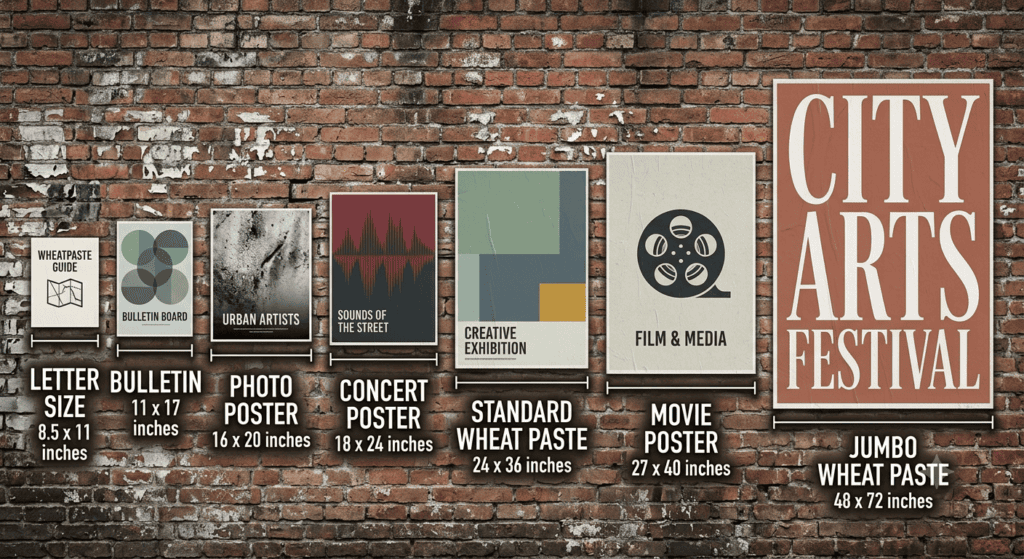
The building walls of Roma Norte, particularly the facades of the Porfiriato-era mansions that have been converted to commercial use, provide distinctive surfaces for wheat paste and larger-format creative. The visual culture of the neighborhood is sophisticated and engages with outdoor creative as part of the street experience rather than as intrusion. International brands have used Roma Norte wheat paste campaigns to signal market entry and cultural alignment with the CDMX creative community.
Condesa: Affluent Leisure and the Dining Circuit
Condesa is Rome Norte’s affluent neighbor, characterized by art deco architecture, tree-lined boulevards, and the highest concentration of upscale restaurants and bars in Mexico City. Avenida Ámsterdam, the circular boulevard that defines the heart of Condesa, creates a unique walkable loop that concentrates foot traffic from the neighborhood’s resident upper-income population and its significant restaurant visitor base.
Campaign Categories That Work in Condesa
Premium food and beverage, luxury lifestyle, fashion, wellness, travel, and financial services brands perform well in Condesa. The demographic skews affluent (upper-middle to upper class by Mexican standards) with significant international visitor component from the restaurant and hotel cluster. Campaigns here reach the highest-income accessible consumer segment in Mexico City.
Polanco: Mexico City’s Premium Consumer District
Polanco is Mexico City’s equivalent of the Upper East Side or Beverly Hills: the neighborhood where luxury retail, private banking, five-star hotels, and exclusive residential concentrations create the city’s highest-income consumer environment. Presidente Masaryk is Mexico City’s luxury retail boulevard, home to Gucci, Louis Vuitton, Hermès, and the Mexican counterparts to international luxury brands.
OOH Formats in Polanco
Polanco’s premium character means that street-level campaign execution requires the highest production standards. Wheat paste campaigns need to use premium materials and installation quality that matches the visual standards of the neighborhood. Street teams and brand ambassador programs at specific event and venue locations are effective for luxury brand sampling and premium product introduction. Large-format wall installations on approved surfaces create the visual scale that commands attention in this market’s visual environment.
Juarez: Creative and LGBTQ-Inclusive Neighborhood
Colonia Juarez, adjacent to Roma Norte and Condesa, has developed a strong independent creative, food, and LGBTQ-inclusive cultural scene. The neighborhood around Genova Street and the surrounding blocks concentrates an arts-adjacent, progressive, and internationally oriented community that overlaps demographically with Roma Norte but has its own distinct character.
Zona Rosa and the Adjacent Creative Scene
The Zona Rosa within Juarez has historically been Mexico City’s center for LGBTQ culture and nightlife. Its adjacent blocks have developed an independent restaurant and arts scene that is increasingly integrated into the Roma Norte and Condesa cultural orbit. Campaigns in this zone reach a specifically LGBTQ-inclusive and progressive consumer audience that is distinct from both Polanco’s luxury market and Roma Norte’s pure creative market.
Coyoacan: Heritage Arts and Academic Community
Coyoacan, south of the historic center, is one of Mexico City’s oldest and most culturally significant colonias. Home to Frida Kahlo’s Casa Azul, León Trotsky’s house-museum, and the Universidad Nacional Autónoma de México (UNAM) campus nearby, Coyoacan attracts a specific combination of arts heritage tourists, academic community members, and the creative and intellectual professionals who live in this historically distinctive neighborhood.
Campaign Timing in Coyoacan
Coyoacan’s central market and the streets around the parroquia deliver peak foot traffic on weekends when tourists, UNAM community members, and families from across Mexico City visit the neighborhood’s cultural attractions. Campaign installations timed before major weekend and holiday periods deliver the strongest impression returns from this zone. Dia de Muertos creates an extraordinary campaign window in Coyoacan when the neighborhood’s altars, decorations, and cultural programming draw massive foot traffic.
The Dia de Muertos Campaign Window
Dia de Muertos from late October through November 2 is one of the most significant OOH campaign windows in Mexico City. The cultural moment concentrates massive foot traffic across the city, generates international media coverage that gives outdoor brand presence global reach through earned media, and creates an emotional and visual context that engages consumers at a level that standard campaign periods cannot achieve. Brands that activate during Dia de Muertos with creative that respects and engages with the cultural tradition earn significant goodwill and organic social amplification. Brands that use the visual language of the holiday without genuine cultural engagement face backlash.
Language and Creative Considerations
Spanish-language creative is essential for any campaign reaching beyond the international community and bilingual upper-income segments. For campaigns in Roma Norte and Condesa where the international resident population is significant, bilingual Spanish/English creative can be appropriate. For campaigns targeting broader Mexico City consumer reach including Coyoacan, Centro Historico, and the larger metropolitan area, Spanish-primary or Spanish-only creative is the appropriate approach.
Frequently Asked Questions
What are the best neighborhoods for OOH advertising in Mexico City?
Roma Norte and Roma Sur are the flagship creative and arts-facing OOH campaign zones in CDMX, with the highest concentration of design-aware, internationally connected consumers. Condesa delivers the affluent leisure and dining audience. Polanco is the premium consumer and luxury retail district. Juarez is the creative and LGBTQ-inclusive neighborhood adjacent to Roma. Coyoacan serves the academic and arts heritage community. Centro Historico offers mass foot traffic coverage across all demographics.
What OOH advertising formats work in Mexico City?
Wheat paste and poster campaigns are effective in Roma Norte, Condesa, and Juarez where the visual culture is receptive. Large-format wall murals and painted building advertisements are deeply embedded in Mexico City’s visual tradition. Street team and brand ambassador distribution works in the high-foot-traffic corridors of Polanco, Condesa, and Roma. Spectacle-format installations and event-adjacent campaigns work during Mexico City’s significant event calendar including Dia de Muertos, Formula 1, and major music festivals.
Is Mexico City a growing market for international brand campaigns?
Yes, significantly. The digital nomad influx, tech industry investment, and Mexico City’s position as one of Latin America’s leading cultural capitals has made CDMX a priority market for international brands across entertainment, fashion, tech, and food and beverage. The city’s 22 million metropolitan population and concentration of above-average-income consumers in specific neighborhoods creates a compelling targeting opportunity that brands with a Latin American strategy cannot ignore.
What language should Mexico City OOH campaigns use?
Spanish-language creative is essential for any campaign reaching beyond the international community and bilingual upper-income segments. English-only creative limits reach to the international community and digital nomad population concentrated in Polanco and Roma Norte. For mass consumer reach, Spanish-primary or Spanish-only creative is appropriate. Bilingual creative works well in Roma Norte and Condesa where the international resident population is significant.
How much does OOH advertising in Mexico City cost?
OOH advertising costs in Mexico City are significantly lower than comparable U.S. markets. Street poster and wheat paste campaigns that would cost $8,000 to $15,000 in NYC or LA may be executed in comparable Mexico City neighborhoods for $3,000 to $7,000 USD depending on scale, neighborhood mix, and campaign duration. Contact American Guerrilla Marketing to discuss how we can connect you with vetted Mexican campaign partners for your CDMX brief.
What events create campaign opportunities in Mexico City?
Dia de Muertos from late October through November 2 creates one of the world’s most visually rich cultural moments with massive concentrated foot traffic. Fashion Week Mexico, the Mexico City Formula 1 Grand Prix, and the Vive Latino music festival are high-value campaign windows for brands targeting premium consumer and entertainment audiences. The digital nomad community creates year-round campaign demand in Roma Norte and Condesa independent of the festival calendar.
Does American Guerrilla Marketing run campaigns in Mexico City?
American Guerrilla Marketing’s direct operational network focuses on 50+ U.S. markets. For Mexico City campaigns, we connect clients with vetted Mexican marketing partners who share our documentation and quality standards and have in-market crew networks across CDMX’s key campaign neighborhoods. Contact us at (646) 776-2770 or through americanguerrillamarketing.com/contact-us/ to discuss your Mexico City campaign requirements.