American Guerrilla Marketing
Nationwide Service
Media planning, media buying, billboard advertising, & guerrilla marketing
Case Study:
Underdog College Football Wheatpasting Campaign: Seattle, Austin, Houston, Oxford, Dallas, Athens, Tampa, Inglewood & Atlanta
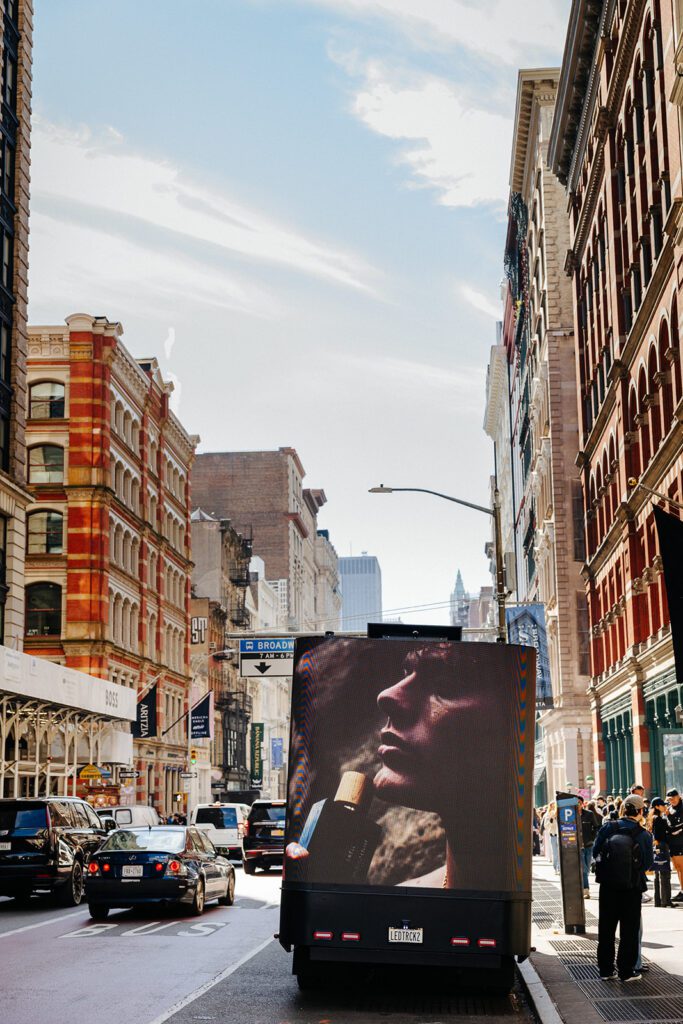
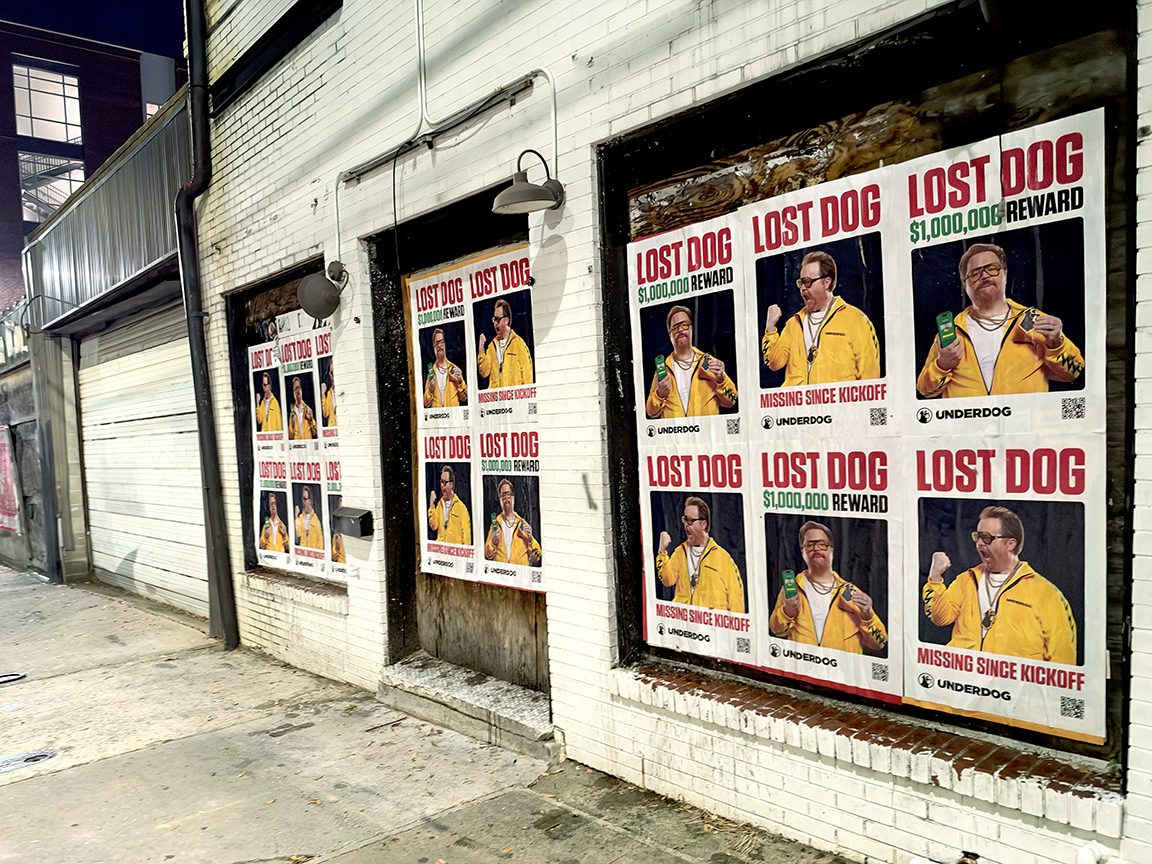
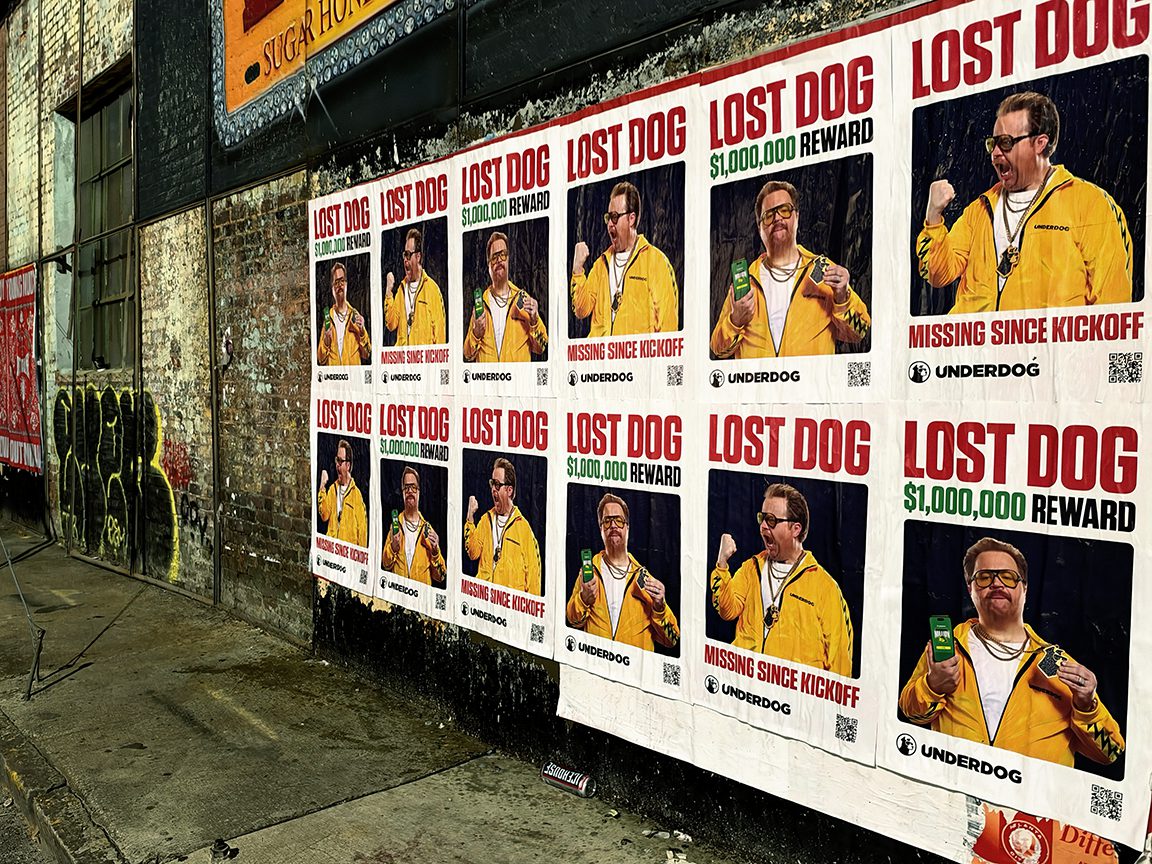
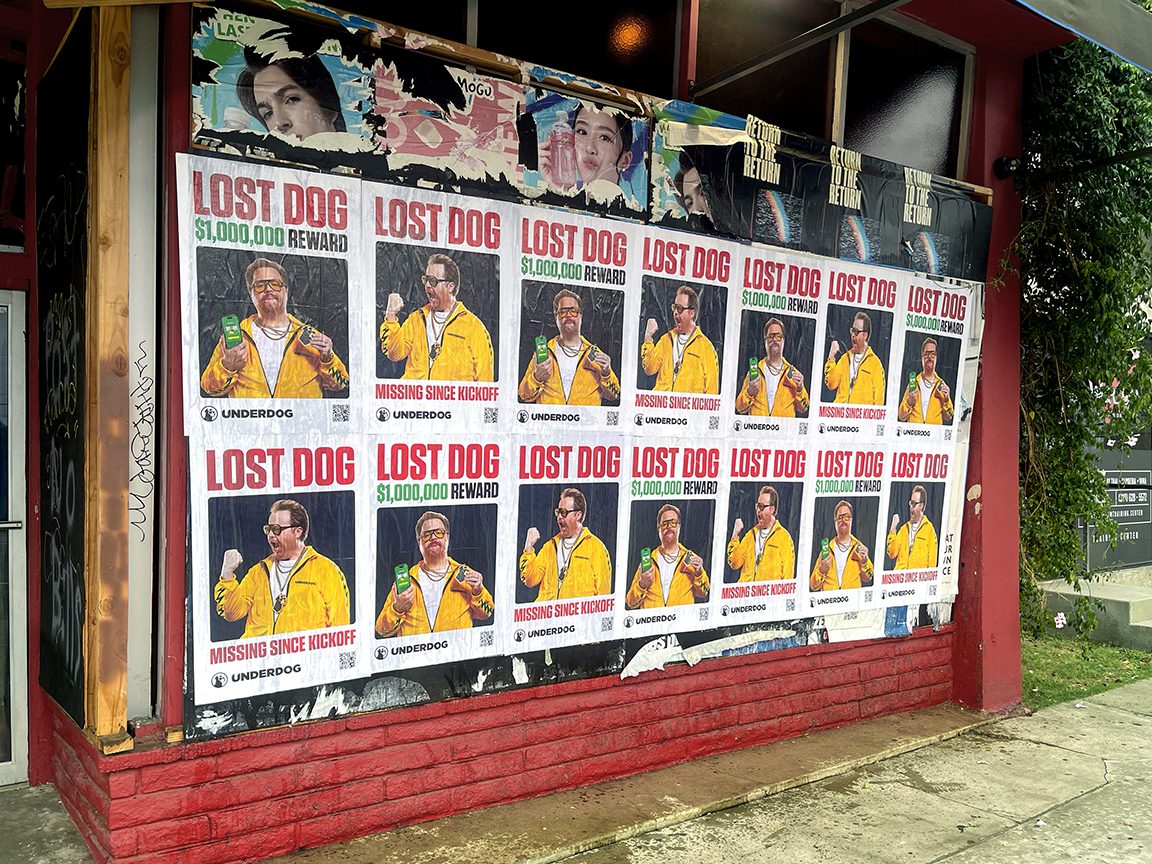
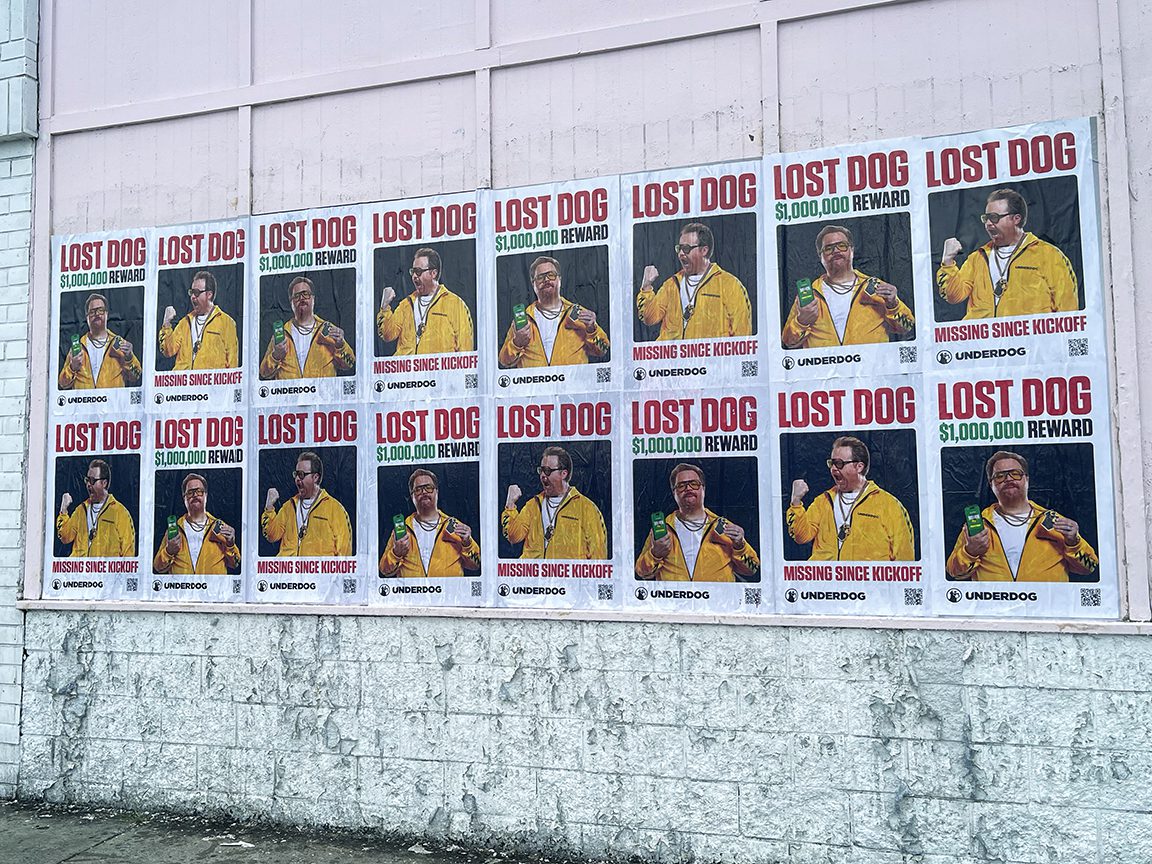
Fifteen activations across nine cities, all built around the college football calendar. That was the assignment when American Guerrilla Marketing began working with Slyworks on Underdog’s nationwide college football marketing campaign in 2026. Unlike a typical street advertising campaign, where we can recommend installation dates based on the market, this schedule was dictated by football weekends. The audience was going to be in town on specific dates, and our job was to build the advertising program around those opportunities.
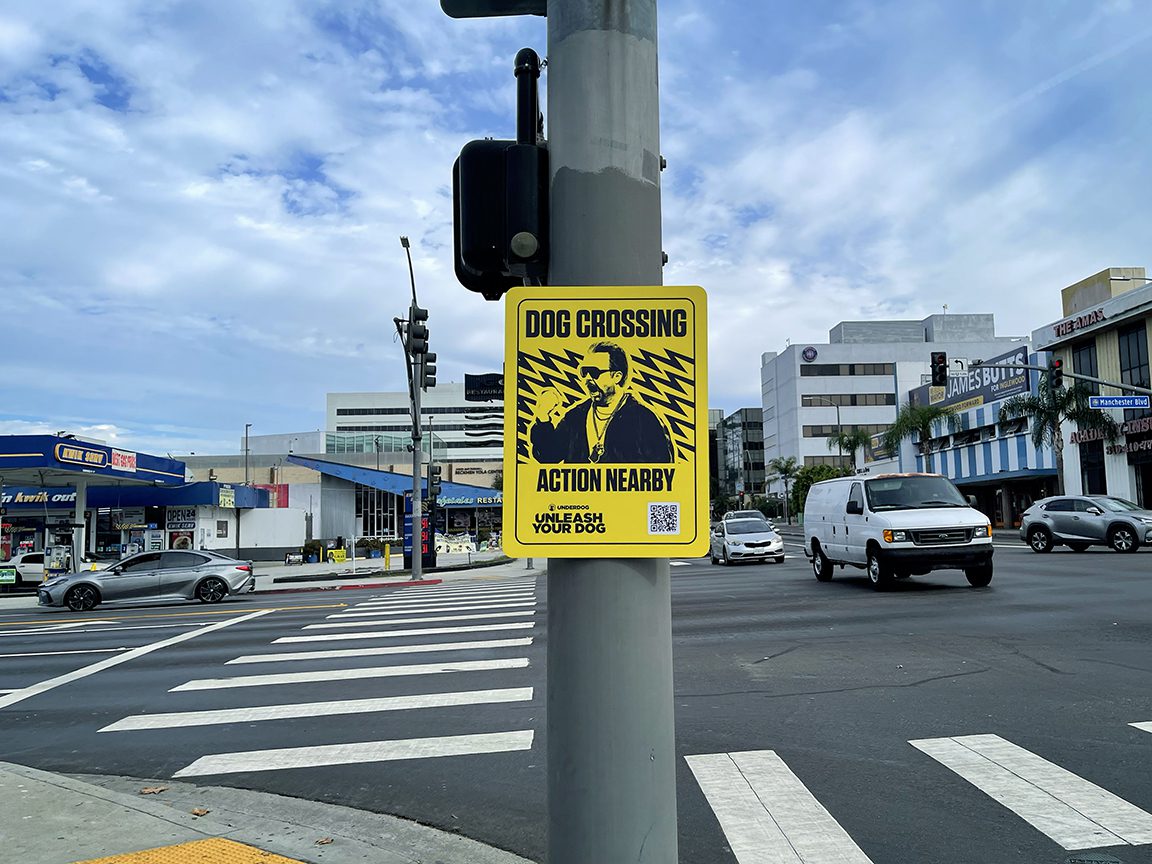
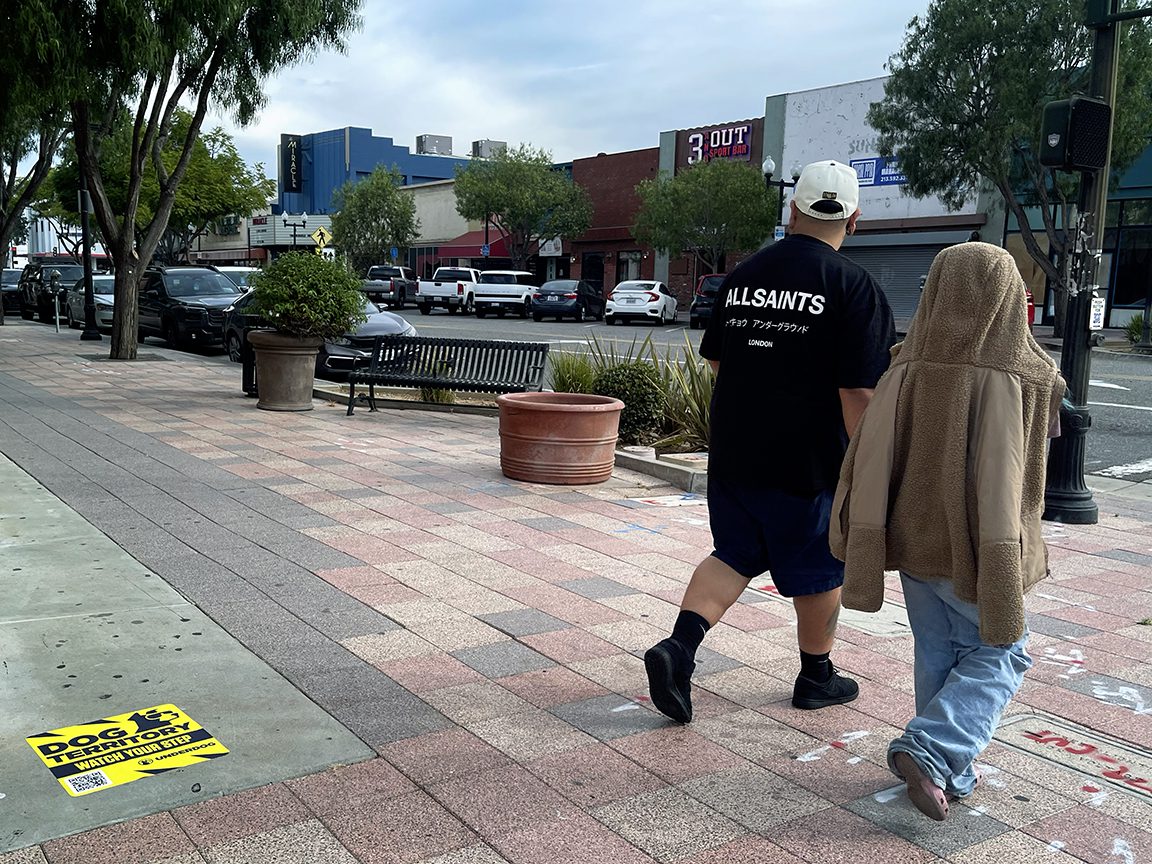
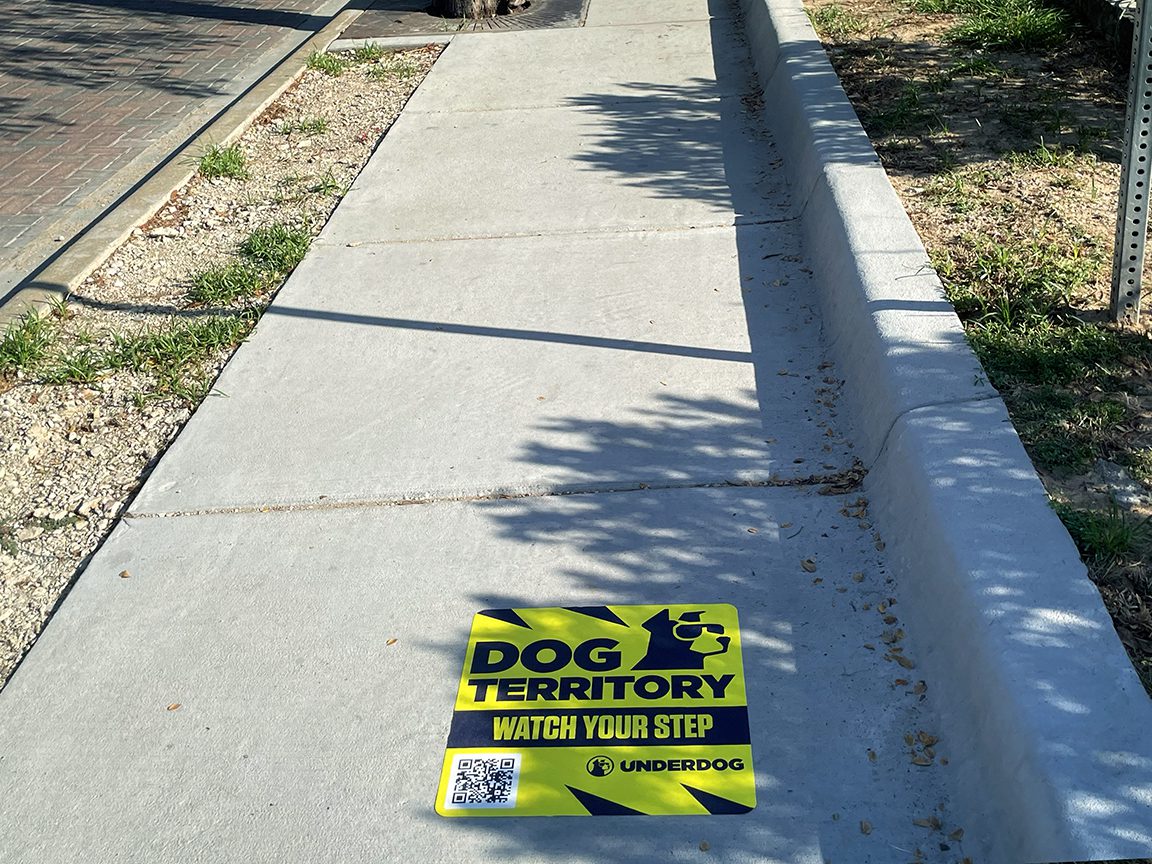
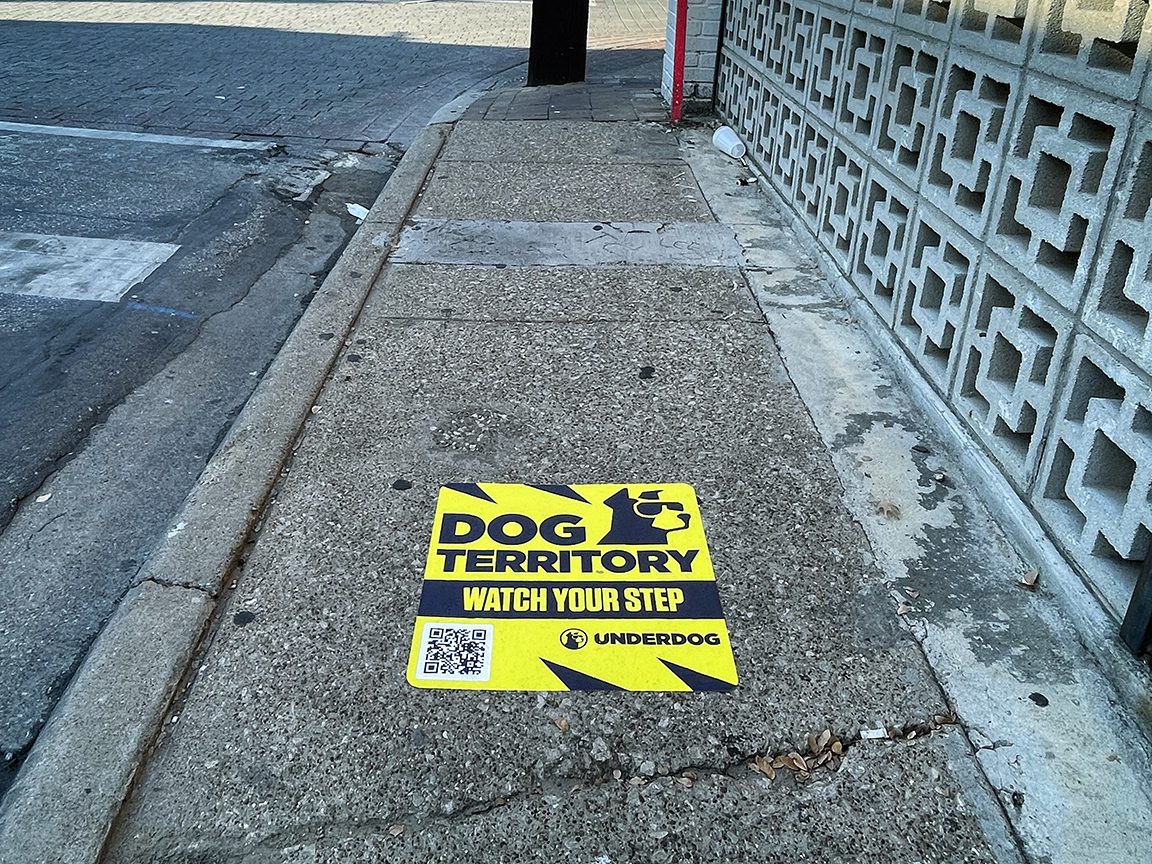
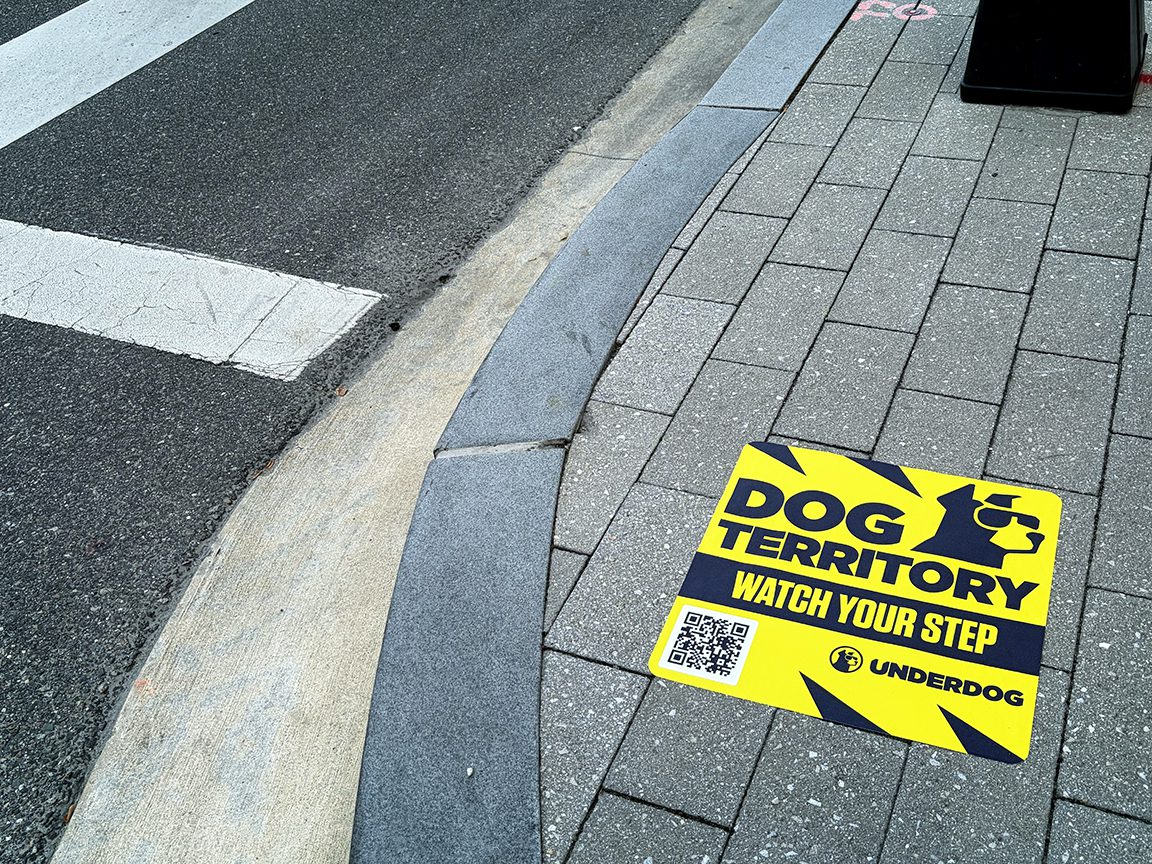
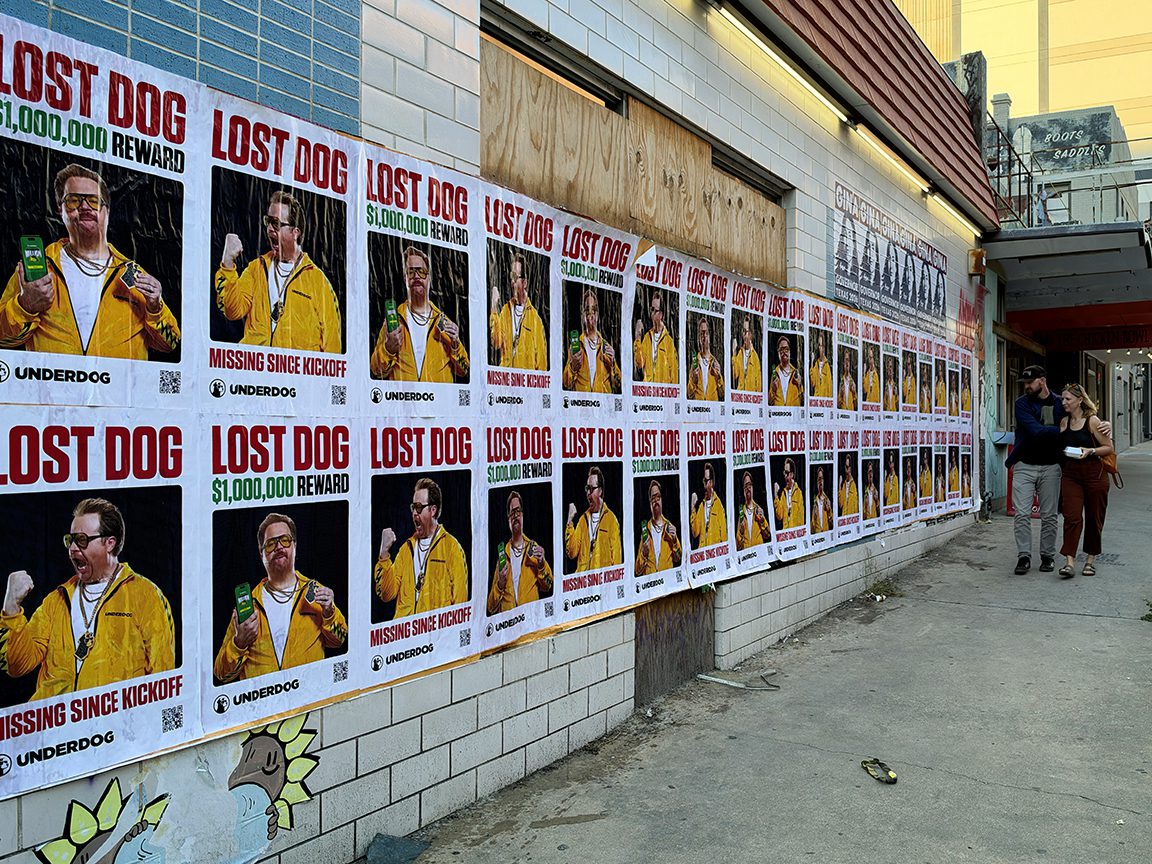
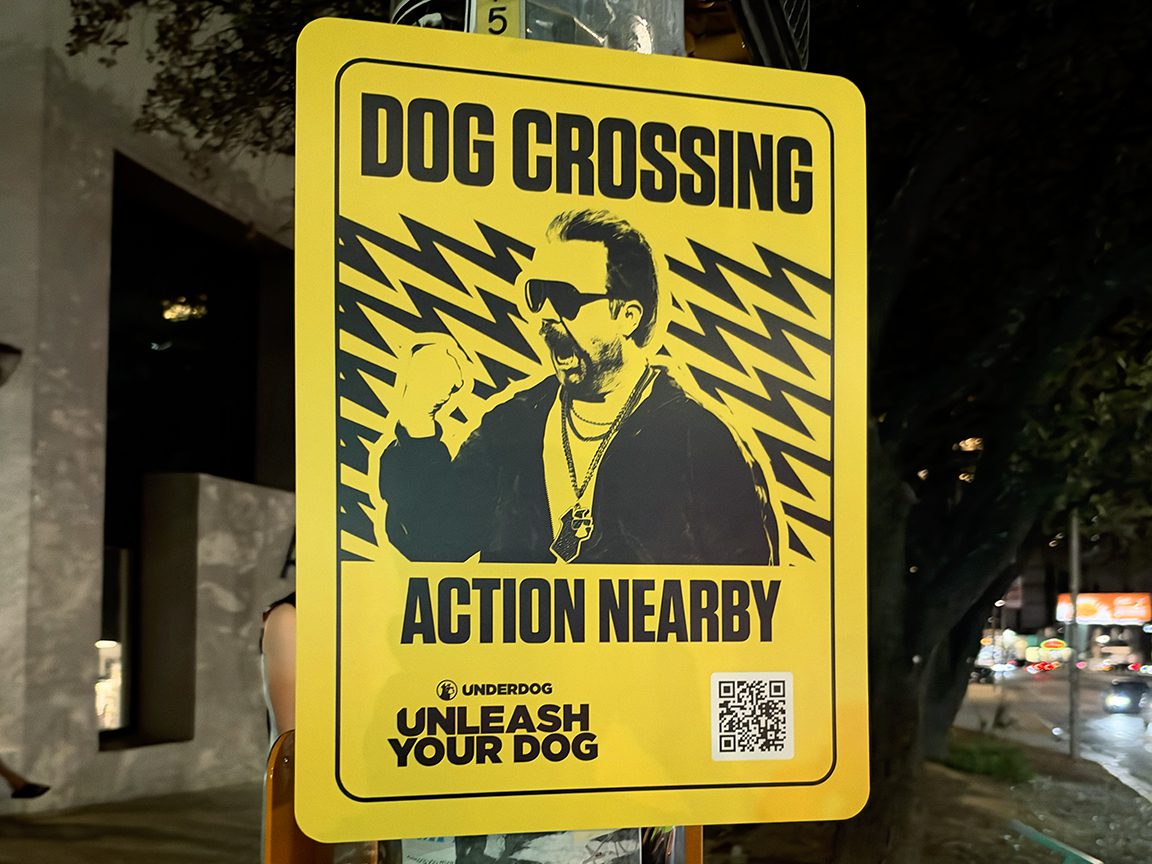
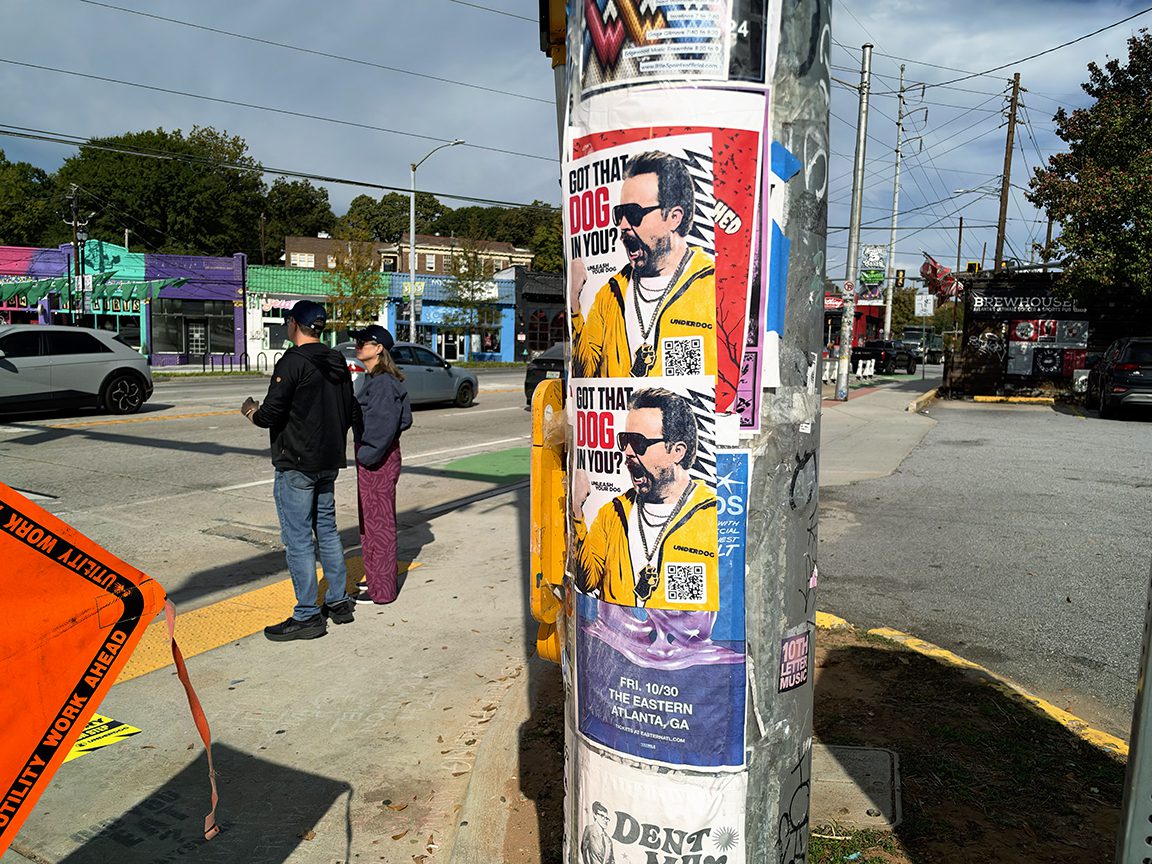
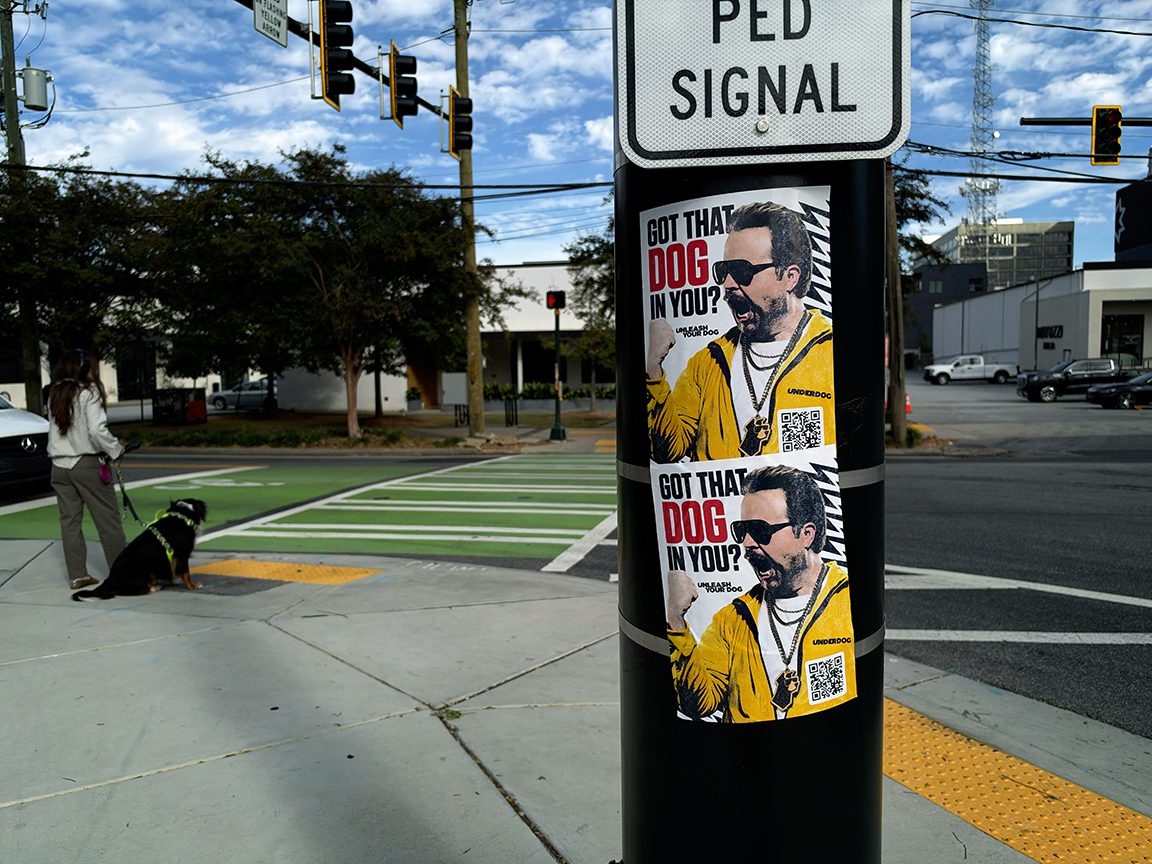
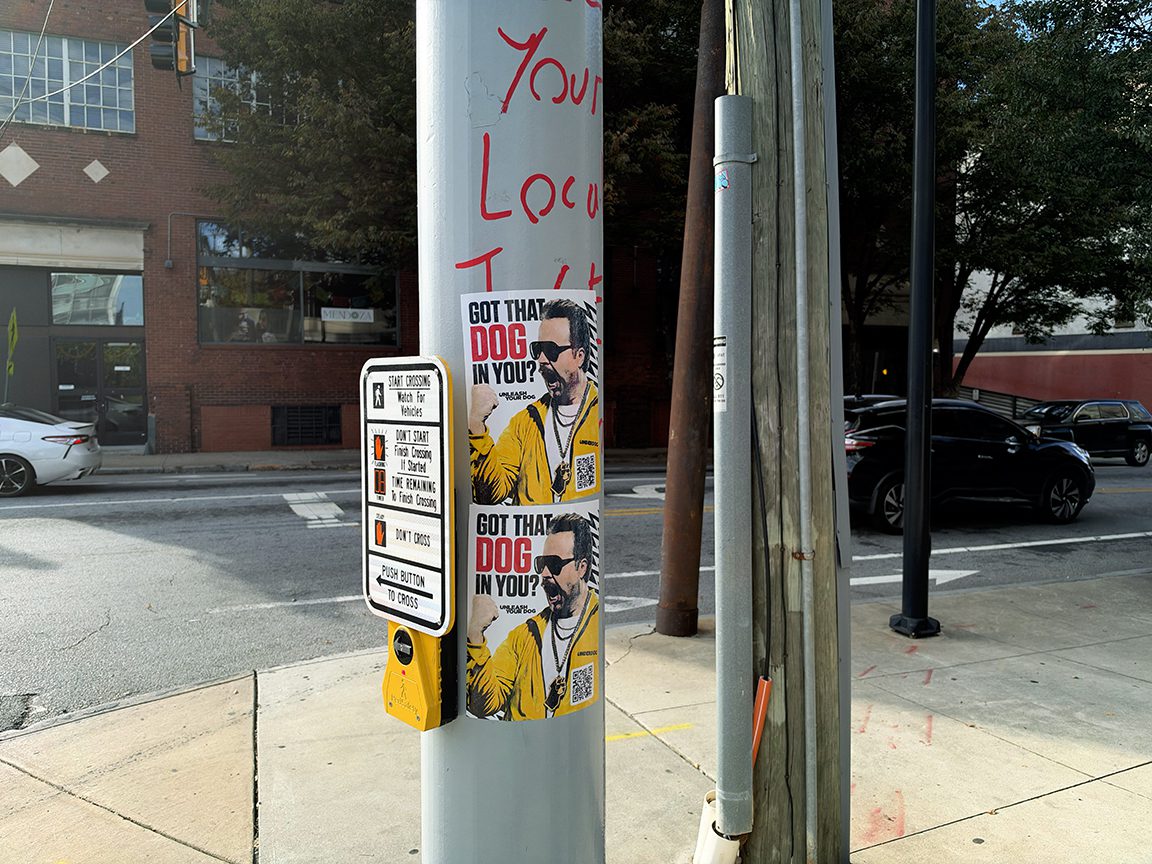
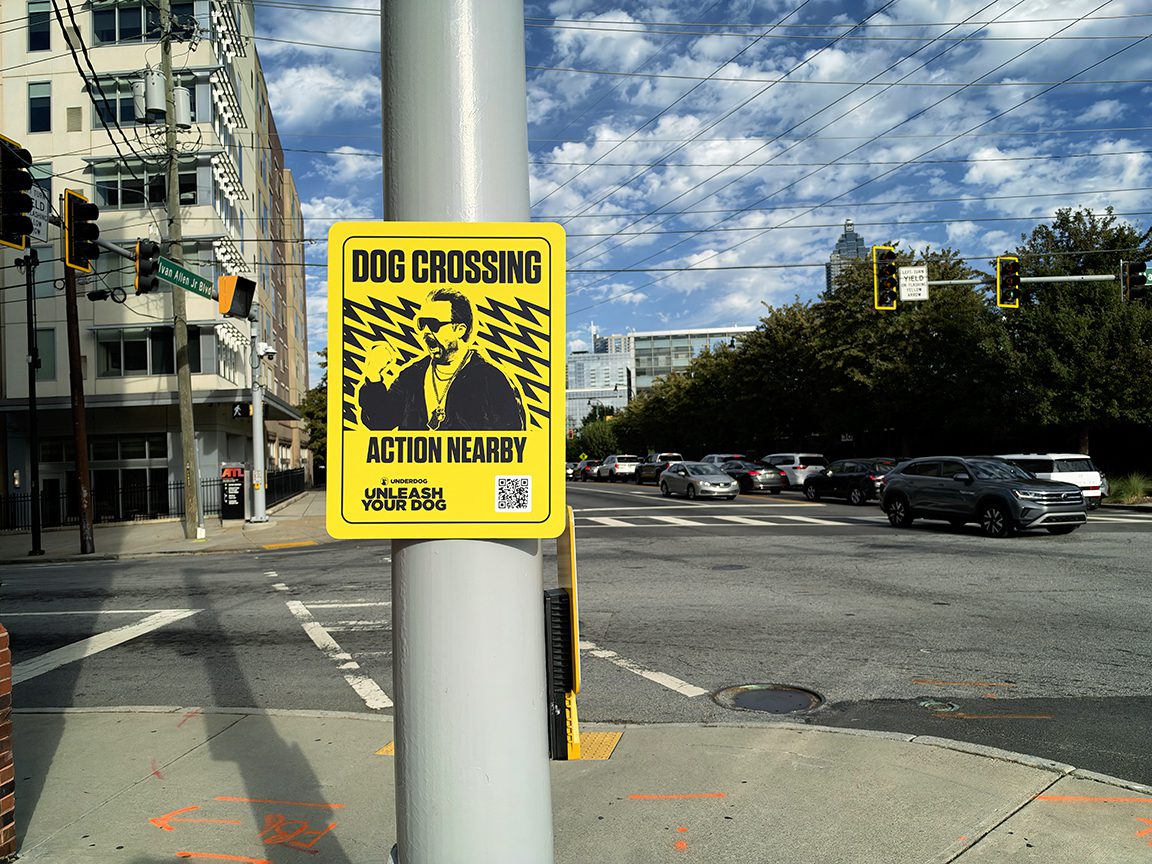
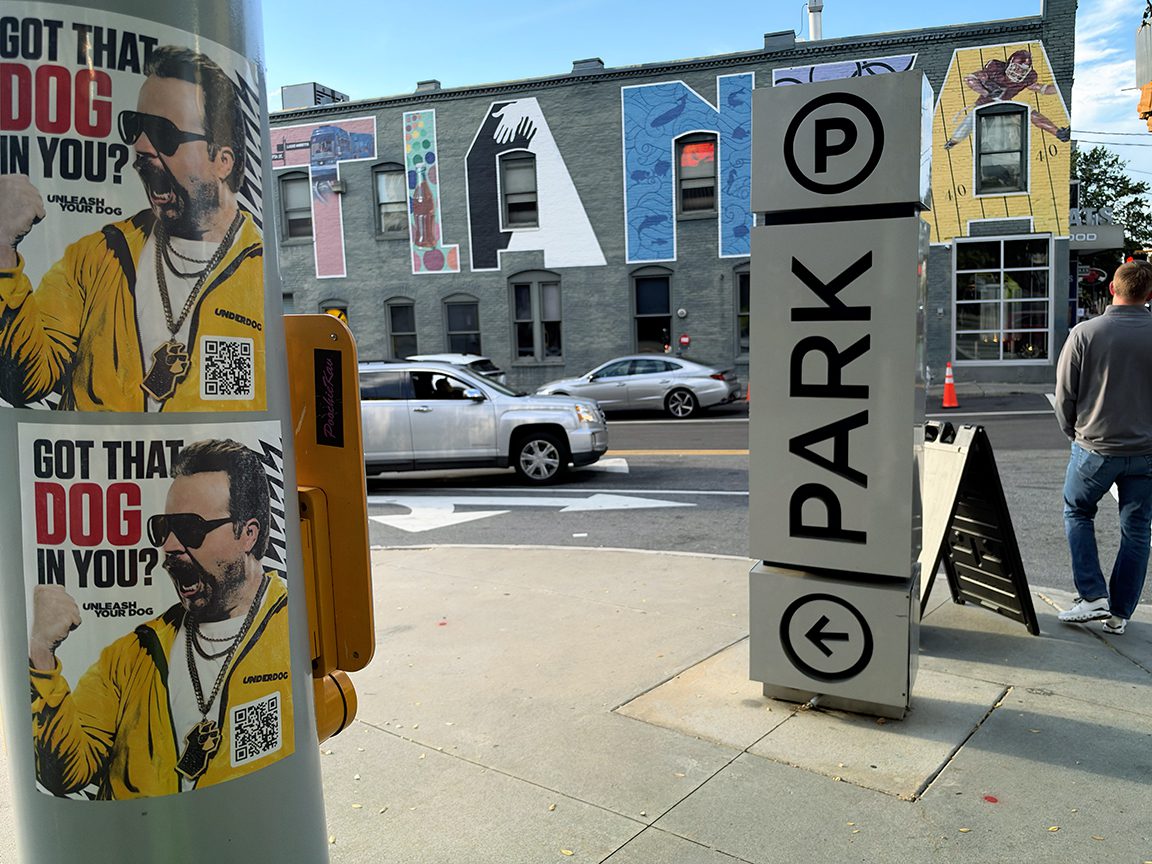
The campaign ran from September 9 through October 31, covering Seattle, Austin, Houston, Oxford, Dallas, Athens, Tampa, Inglewood, and Atlanta. The contracted scope included 2,500 wheatpaste posters measuring 24 by 36 inches, 500 large-format 48-by-72-inch posters, 6,000 street snipes, 1,200 sidewalk decals, and 225 Sintra crossing signs. Altogether, that was 10,425 printed pieces and signs across 15 scheduled activations. Coordinating that volume across the country required a different approach in every market.
Why These Nine Cities
College football has a way of changing the personality of a city for an entire weekend. In Athens, Georgia, the downtown streets around Broad and Lumpkin become part of the game-day experience, with students, alumni, and visiting fans moving toward Sanford Stadium. Oxford, Mississippi, has a similar atmosphere around the Square and the University of Mississippi. These aren’t enormous metropolitan areas, but that’s part of their appeal. The audience is concentrated, and a well-planned street advertising campaign can focus on the neighborhoods where people naturally gather.
Texas was a different story. Austin required us to consider the Guadalupe corridor, downtown entertainment districts, and the approaches toward campus. Dallas presented opportunities around Deep Ellum, Victory Park, and other high-activity areas, while Houston required a broader look at downtown and stadium-oriented corridors. In markets that large, simply choosing a stadium on a map doesn’t give you a complete advertising strategy. You have to understand where people spend time before and after events.
Seattle opened the campaign, with Pioneer Square and SoDo among the areas considered for their connection to the stadium district. Tampa brought Ybor City and the Channel District into the conversation. Atlanta offered downtown, the stadium district, and the Edgewood corridor. Inglewood, California, required its own approach because of the scale of the stadium environment and the way visitors travel through Los Angeles.
Athens and Austin each had three scheduled activations, Dallas and Houston had two apiece, and the remaining five cities had one each. The idea was to reach football audiences across multiple markets without pretending every city worked the same way.
| Market | Activations | Primary ground |
|---|---|---|
| Athens, GA | 3 | Downtown walk up, tight footprint |
| Austin, TX | 3 | Guadalupe corridor and downtown |
| Dallas, TX | 2 | Deep Ellum and stadium approaches |
| Houston, TX | 2 | Downtown and stadium district hoarding |
| Seattle, Atlanta, Tampa, Oxford, Inglewood | 1 each | Downtown core and stadium walk routes |
Five Formats Doing Five Different Jobs
One thing we appreciated about this campaign was that it wasn’t built around a single advertising format. Underdog’s creative was being adapted for several different types of street-level exposure, and each had a purpose.
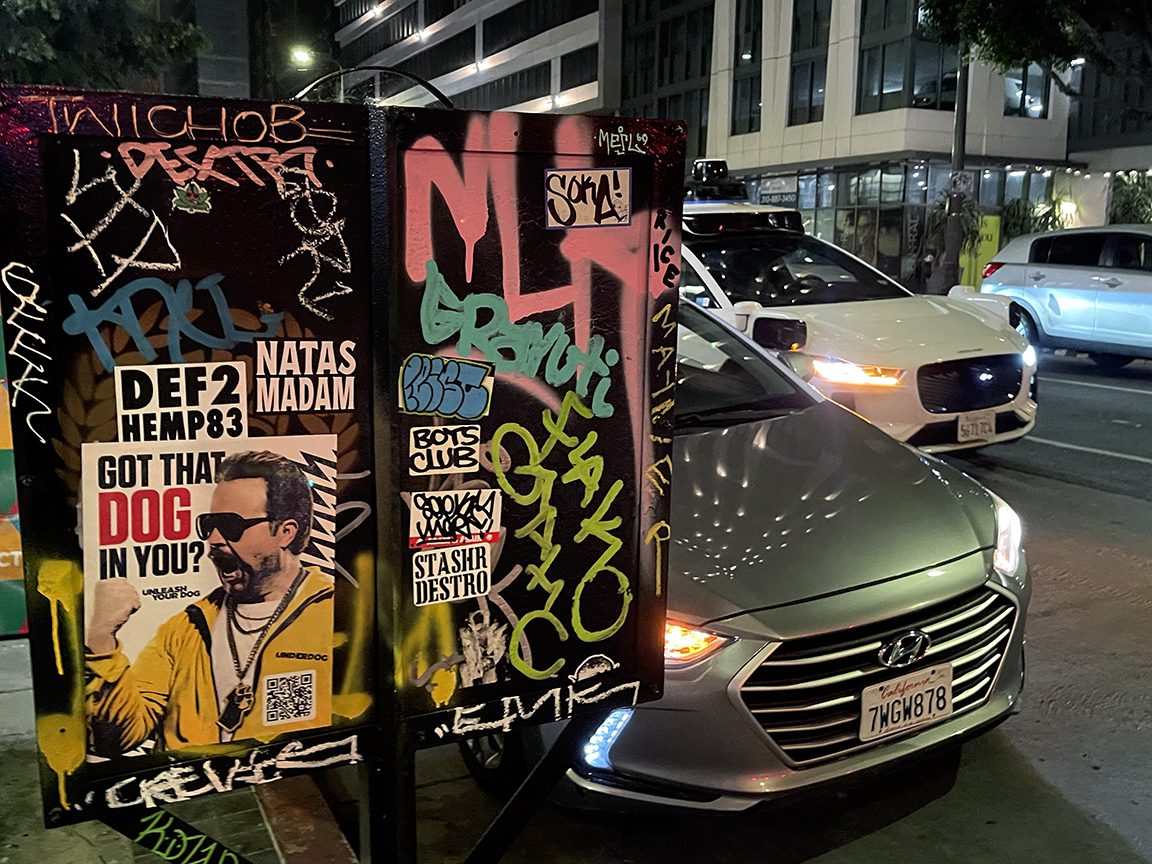
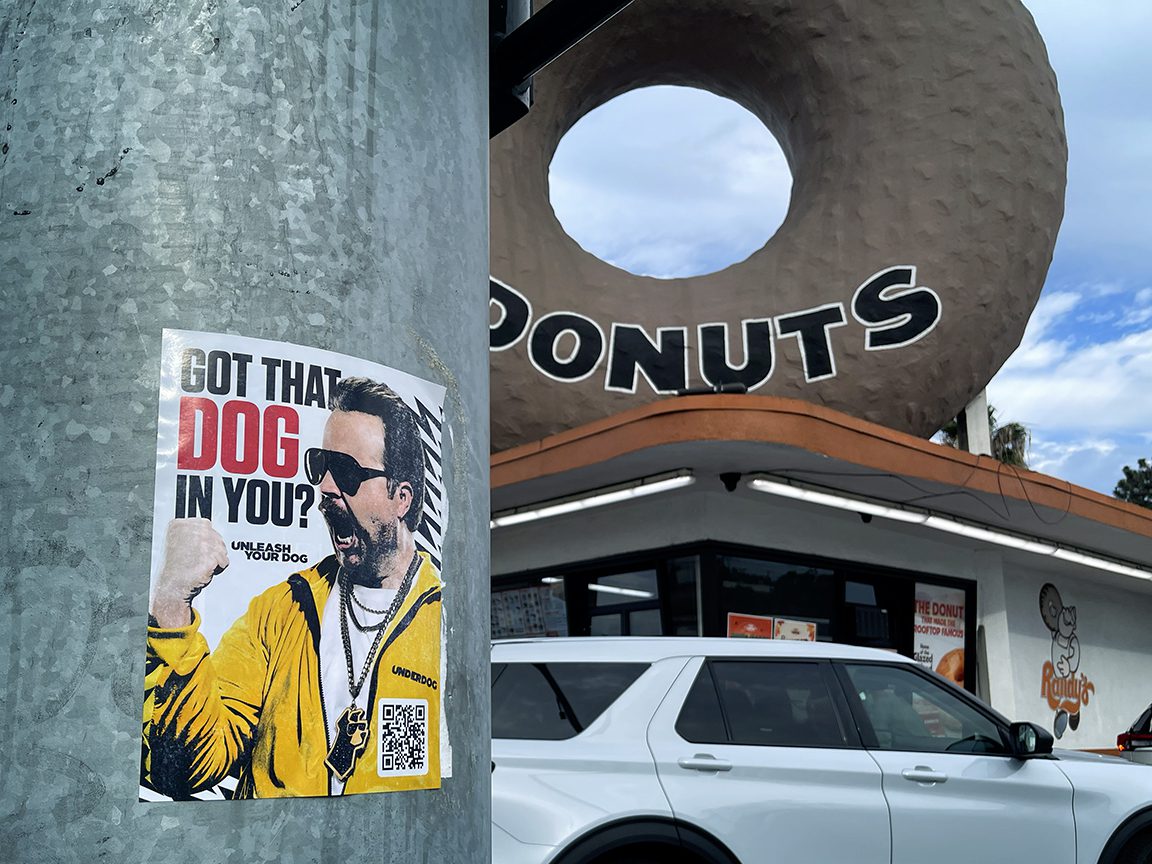
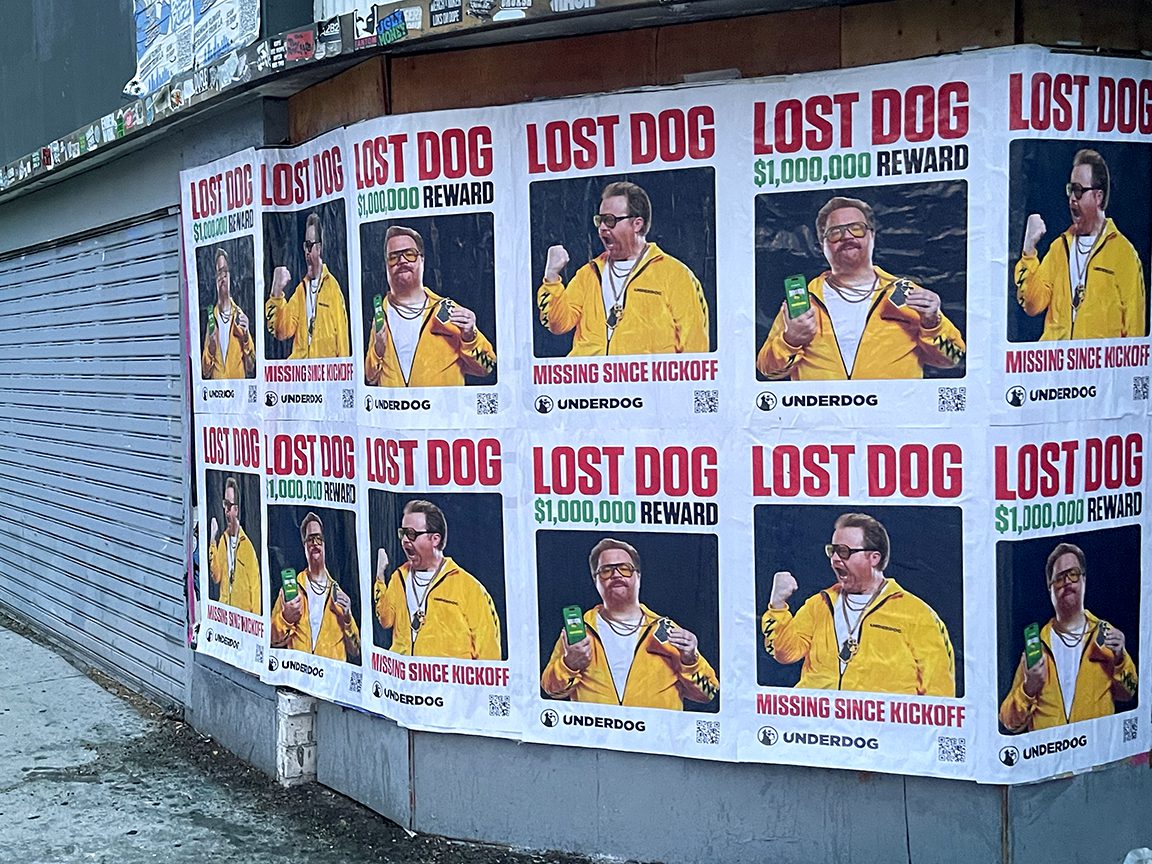
The 24-by-36-inch wheatpaste posters formed the backbone of the campaign. They’re a practical format for building repetition throughout a neighborhood, particularly when you’re trying to establish brand recognition across multiple pedestrian routes. The 48-by-72-inch large-format posters provided something different. At four feet wide and six feet tall, they gave the creative considerably more presence, especially in locations where people could view the imagery from farther away.
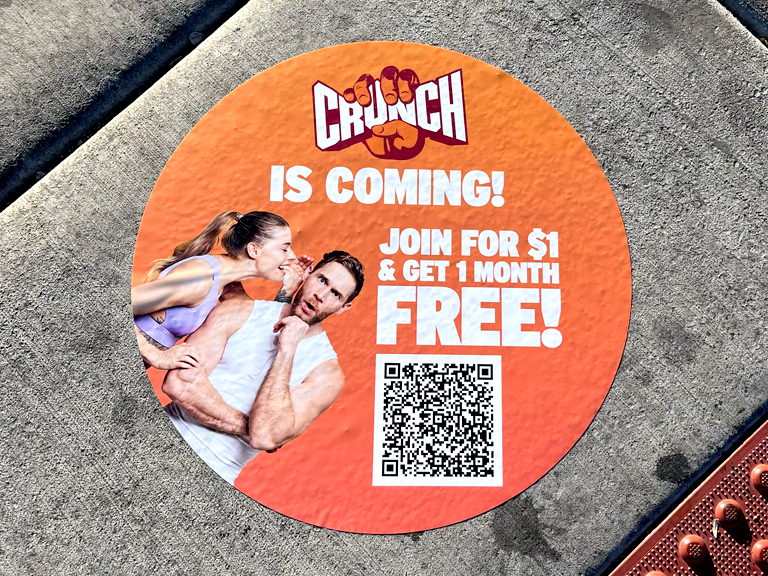
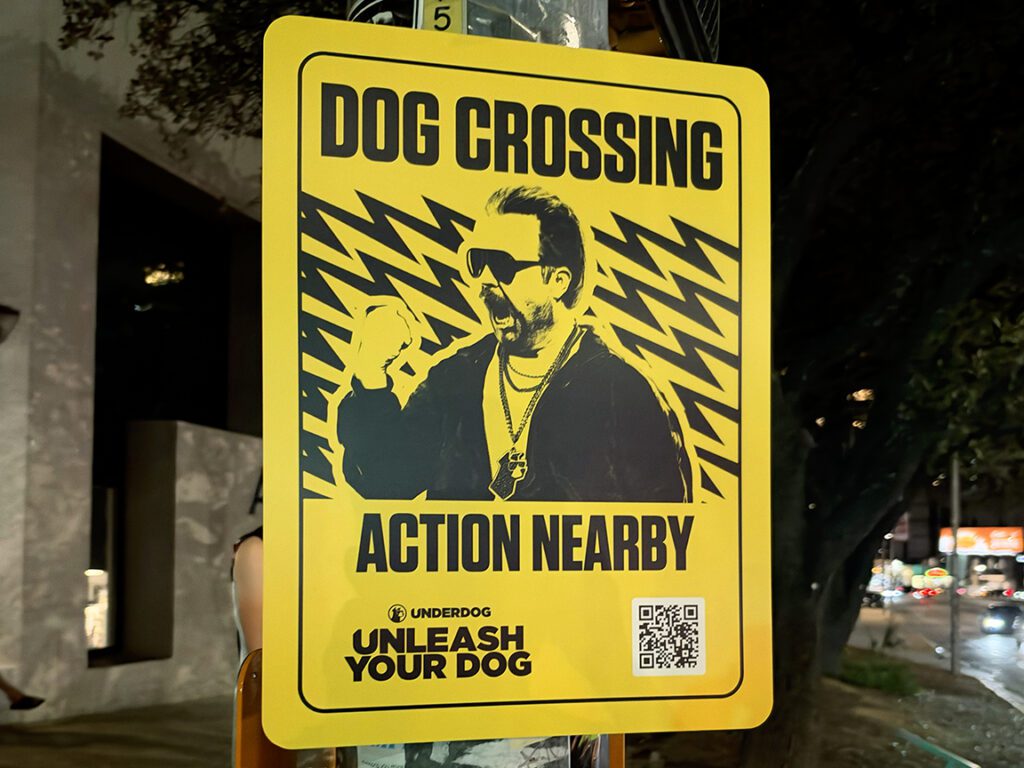
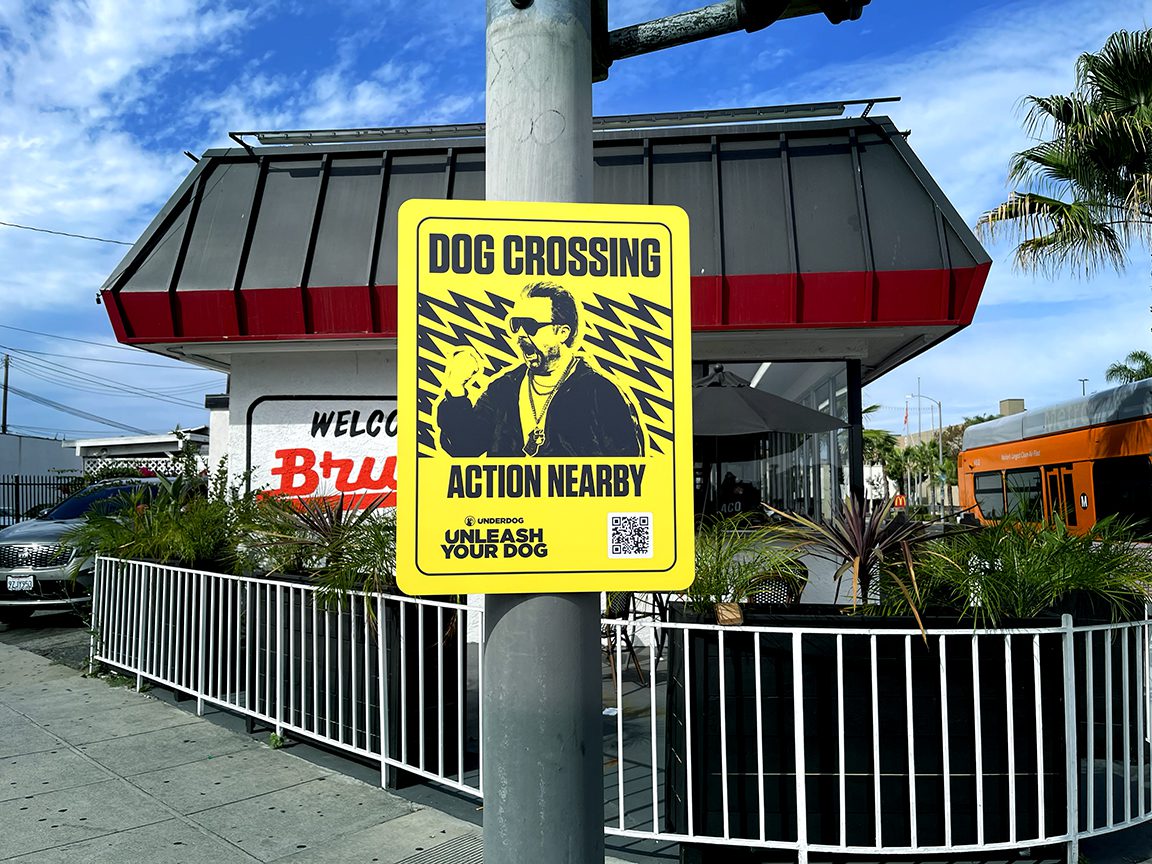
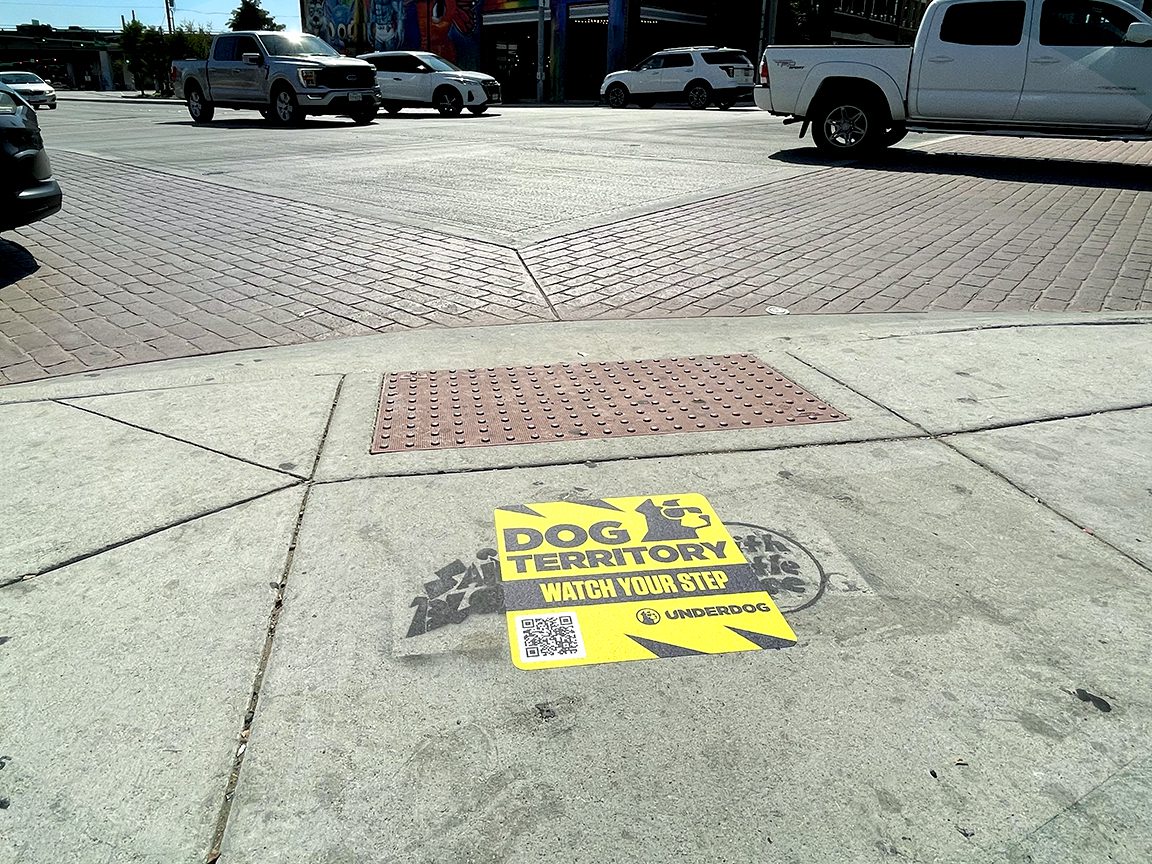
The 9-by-12-inch snipes helped extend the campaign into smaller display opportunities that wouldn’t accommodate the larger formats. Sidewalk decals, measuring 17 by 17 inches, introduced another way to reach pedestrians, while the rigid Sintra crossing signs added a separate format to the game-day advertising mix.
The challenge wasn’t producing five different materials. It was planning how they would complement one another. A large poster might provide the strongest individual impression, while smaller posters and snipes could reinforce the same creative across a wider area. Sidewalk decals and crossing signs required their own location considerations. With nine cities involved, we wanted the campaign to feel consistent without forcing the same placement strategy onto every neighborhood.
Campaign Photos



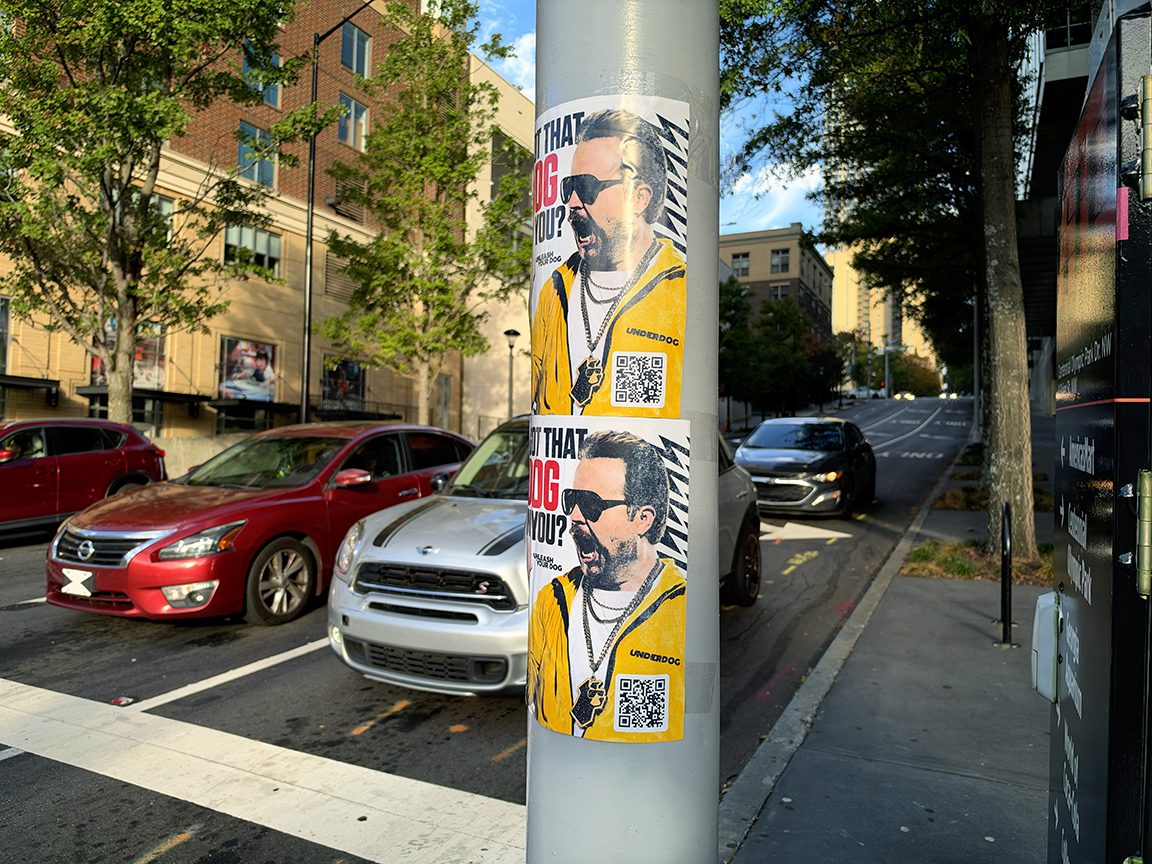
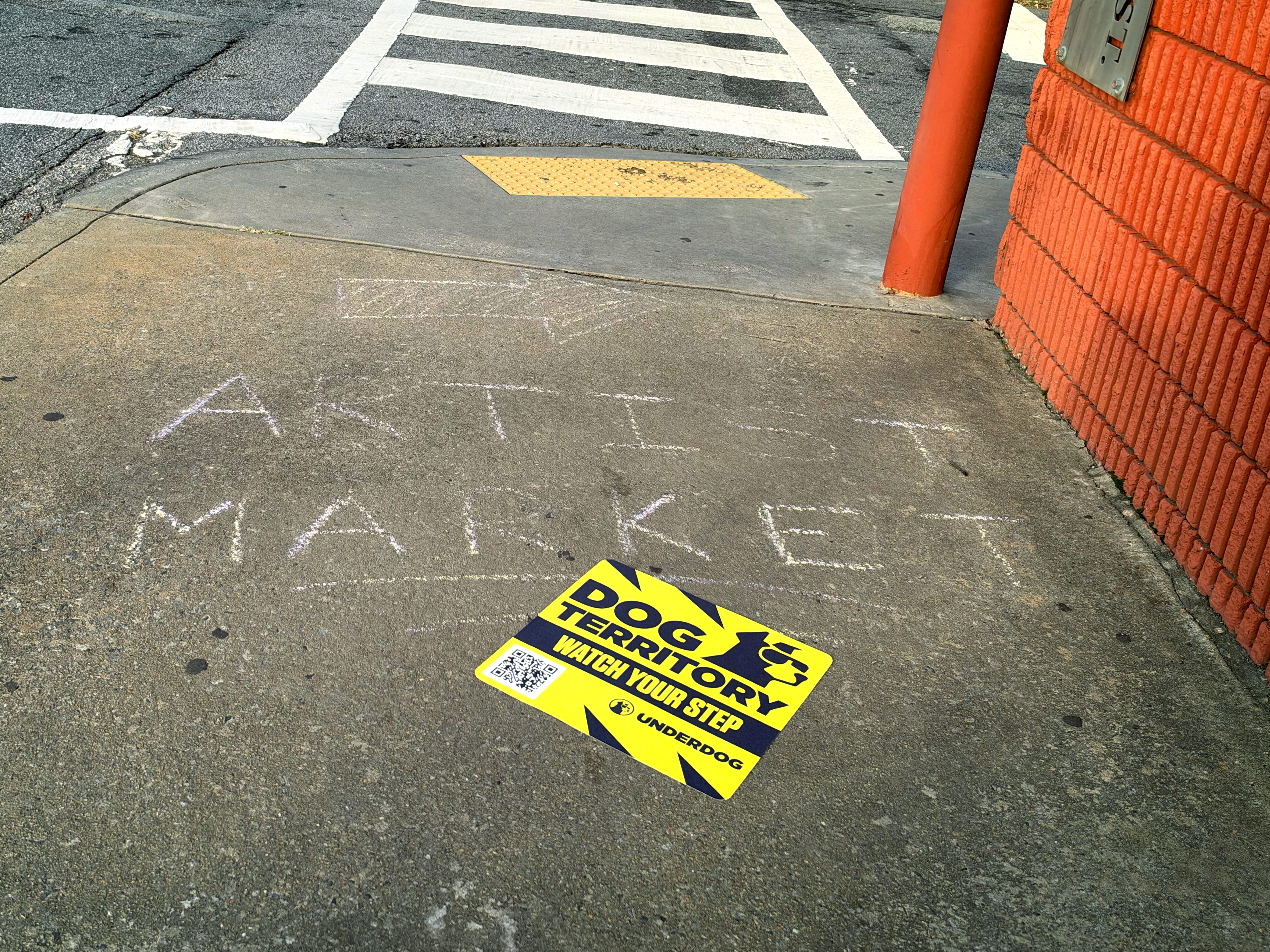
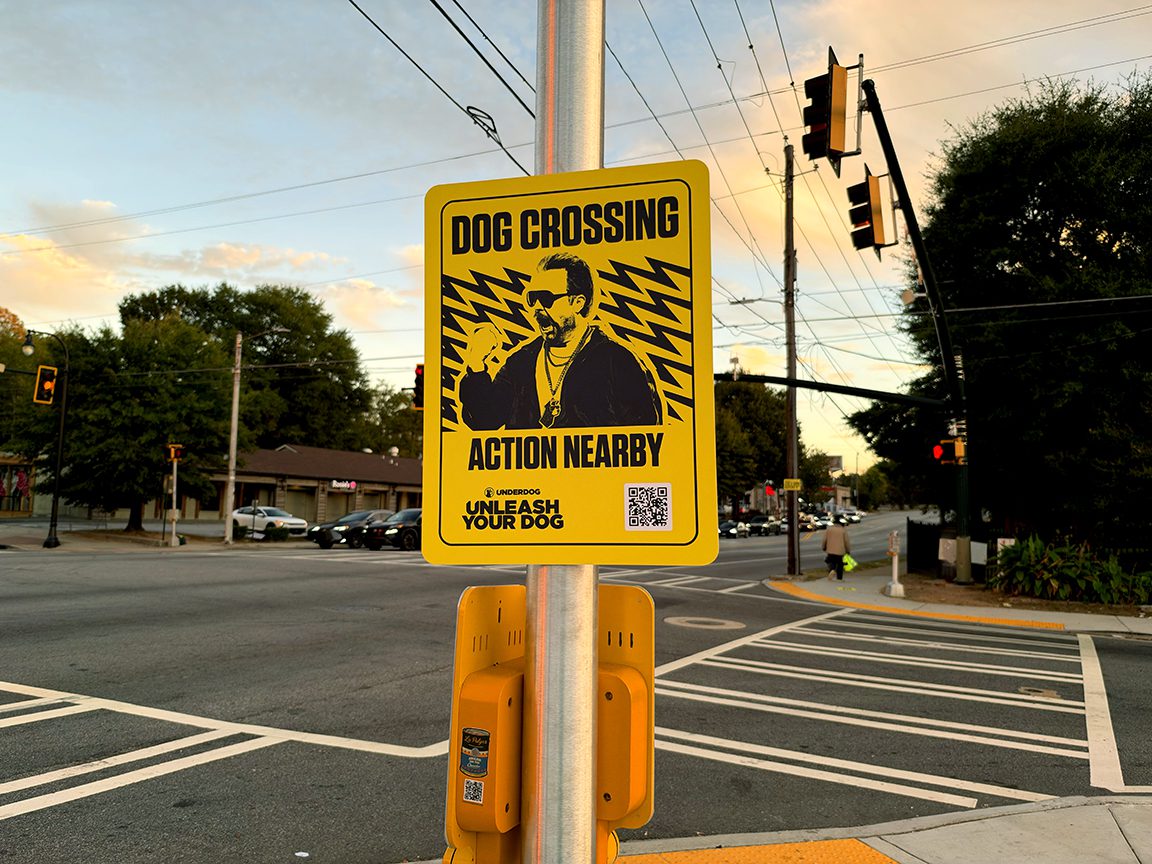
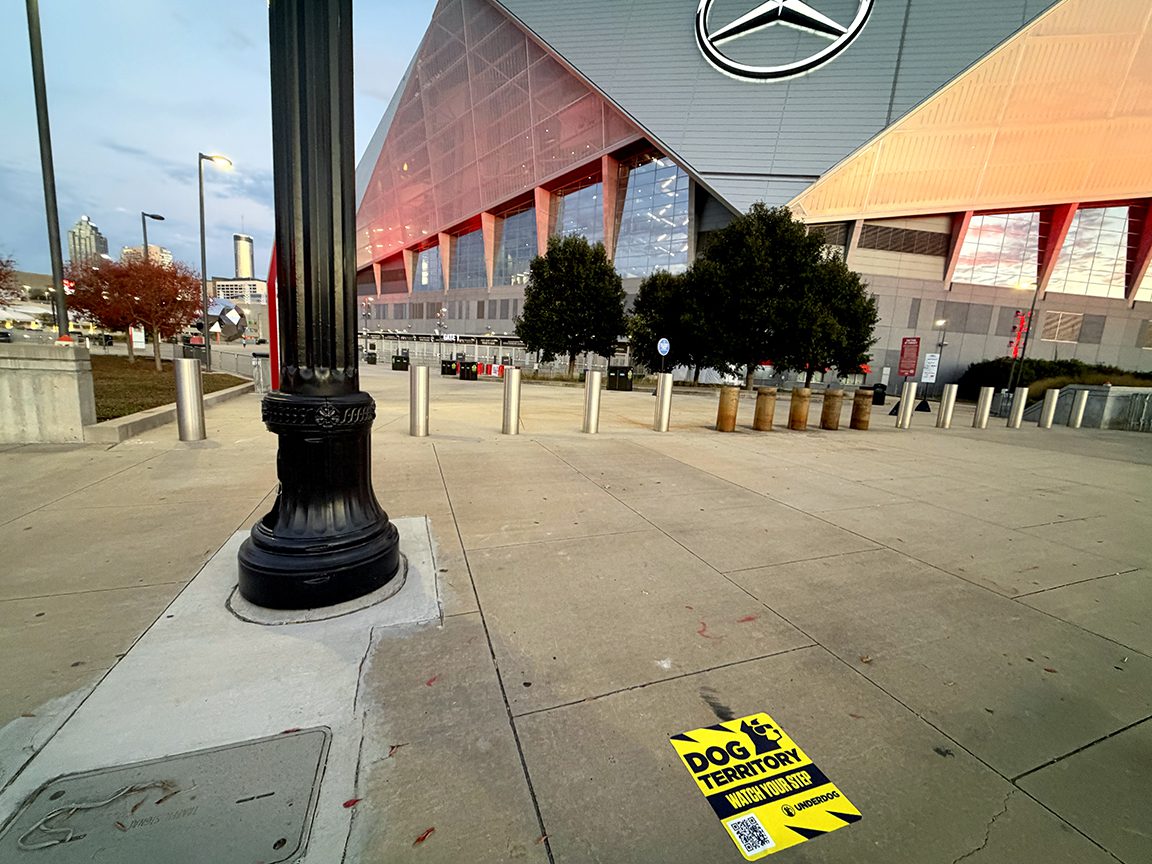


Ready To Put Your Artist Or Brand On The Streets Of America's Top Markets?
Award Winning Personalized Service
You will get thoughtful, devoted, and individualized attention from our experienced, qualified, and professional personnel. Being one of the most illustrious agencies in Brooklyn, New York, American Guerrilla Marketing has been awarded the Best of Brooklyn title.
Nationwide
Industry City, Brooklyn, New York 11232
American Guerrilla Marketing
Hours
Mon - Fri: 9 AM - 5 PM
Sat & Sun: Closed
Automate your campaign with AGM’s Request for Proposal Builder.
Automate your campaign with AGM’s Request for Proposal Builder. Simply answer a few quick questions about your campaign goals, markets, and timeline, and the system will generate a tailored presentation with recommended strategies, quantities, and pricing. Click the RFP Builder to instantly receive your customized proposal.
Installing Against A Saturday Deadline
The schedule was probably the most demanding part of the entire assignment. College football doesn’t leave much room for casually shifting an activation from one weekend to another. If you’re targeting fans around a particular game, the production schedule, shipping, local preparation, and installation planning all need to support that date.
We began with Seattle on September 9 and worked through the calendar toward Atlanta on October 31. Some weekends involved more than one city. September 26 included Austin and Athens, while October 10 included Athens and Dallas. Those dates required separate local operations to be coordinated at the same time, with each market receiving its own materials and instructions.
The work started long before anyone reached an installation location. Artwork had to be organized, production quantities confirmed, materials prepared, and local teams briefed on their target areas. We also had to account for the differences between compact college towns and sprawling metropolitan markets.
A campaign around downtown Oxford is nothing like one in Houston or Inglewood. The geography, pedestrian activity, and travel patterns are different. Our responsibility was to keep the national schedule organized while allowing the local planning to reflect those differences. That’s where experience with multi-city sports marketing becomes especially important.
Weather and the September problem
Weather was another consideration, particularly because the campaign moved through such different parts of the country during September and October. Seattle’s cooler, wetter conditions present different challenges from the late-summer heat and humidity common in Austin, Houston, and Tampa. By October, the weather in Georgia and Mississippi can change considerably from one weekend to the next.
For wheatpasting, surface conditions matter. Moisture, temperature, and drying time can influence how an installation is planned. Sidewalk decals require particular attention because the application surface needs to be suitable for the material. These aren’t details you can ignore when you’re coordinating outdoor advertising around fixed event dates.
We approached the campaign with those regional differences in mind. Local teams were important because they understood their neighborhoods, the typical weather patterns, and the practical considerations involved in working outdoors. The planning couldn’t be identical in Seattle and Houston simply because both markets were part of the same national campaign.
That was the real challenge of September. We were working with one national calendar, but nine different local environments. Weather was part of the preparation, along with production, transportation, and neighborhood selection. It reinforced why each activation needed its own field plan rather than a generic set of instructions.
What The Repeat Markets Taught Us
Returning to Athens, Austin, Dallas, and Houston gave the campaign an advantage that the single-activation markets didn’t have: the opportunity to build on experience in the same city.
Athens has a relatively compact downtown and campus environment, making concentrated geographic coverage especially relevant. Austin is more spread out, with activity around Guadalupe Street, downtown, and surrounding entertainment areas. Dallas and Houston require a broader understanding of neighborhoods and how people travel between them.
The first time you’re planning a campaign in a market, you’re evaluating several things at once. Where are the strongest pedestrian corridors? Which neighborhoods make sense for the audience? What types of advertising formats suit the surrounding environment? Returning to that city gives you a chance to approach those questions with greater familiarity.
That was useful throughout the Underdog schedule. We weren’t treating each activation as an isolated assignment. We were coordinating a series of campaigns, some in cities we would revisit only a few weeks later. The experience reinforced how valuable local knowledge becomes when you’re working across multiple college football weekends.
The tradeoff we accepted
There are different ways to structure a national guerrilla marketing campaign. You can concentrate your budget in a handful of cities and build a deeper presence, or you can spread the activity across more markets to reach audiences in different regions. Underdog’s campaign was built around the second approach.
Fifteen activations across nine cities meant managing several geographic strategies at once. Oxford and Athens offered compact college-town environments, while Dallas, Houston, Atlanta, and Inglewood required a different understanding of scale and movement. The advertising formats remained consistent, but the location planning had to change.
That was the tradeoff: broad national coverage with local execution tailored to each market. The campaign also included location reporting and photography, which were important for organizing information across such a large schedule.
For us, the project illustrated something we’ve learned from coordinating multi-market campaigns. National consistency doesn’t mean making every city look identical. It means maintaining the same creative identity and operational standards while recognizing that each market has its own audience, streets, and logistical requirements.