American Guerrilla Marketing
Nationwide Service
Media planning, media buying, billboard advertising, & guerrilla marketing
Case Study:
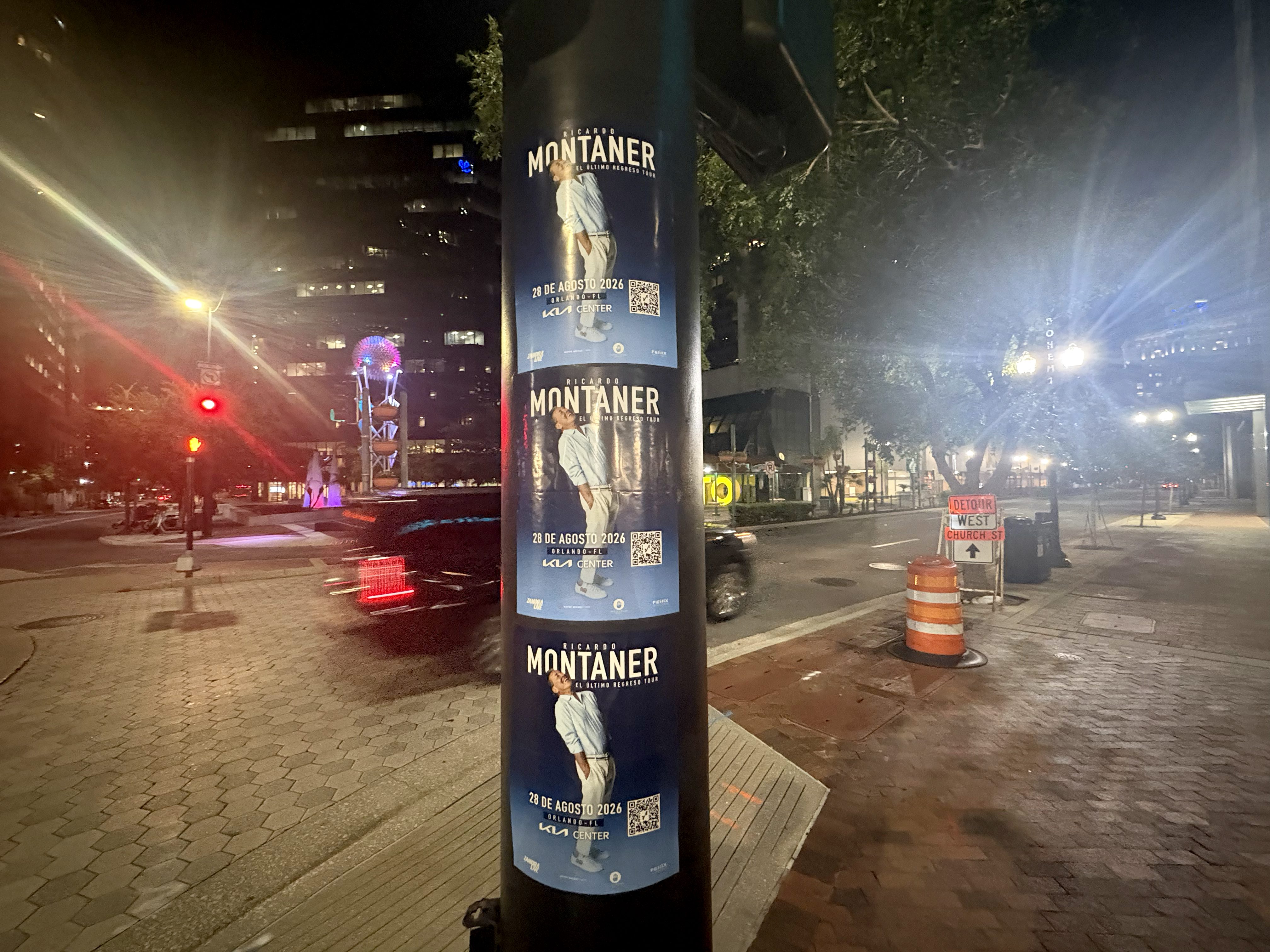
Ricardo Montaner’s audience already knows his music. Across eight North American markets, his fans, many of them adults 35 and older, have followed his career for years. The goal of the campaign wasn’t to introduce people to Montaner. It was to encourage existing fans to buy tickets for his upcoming shows. To reach them, the campaign focused on places where Latino communities regularly gather, including restaurants, grocery stores, bars, nightclubs, and neighborhood businesses.
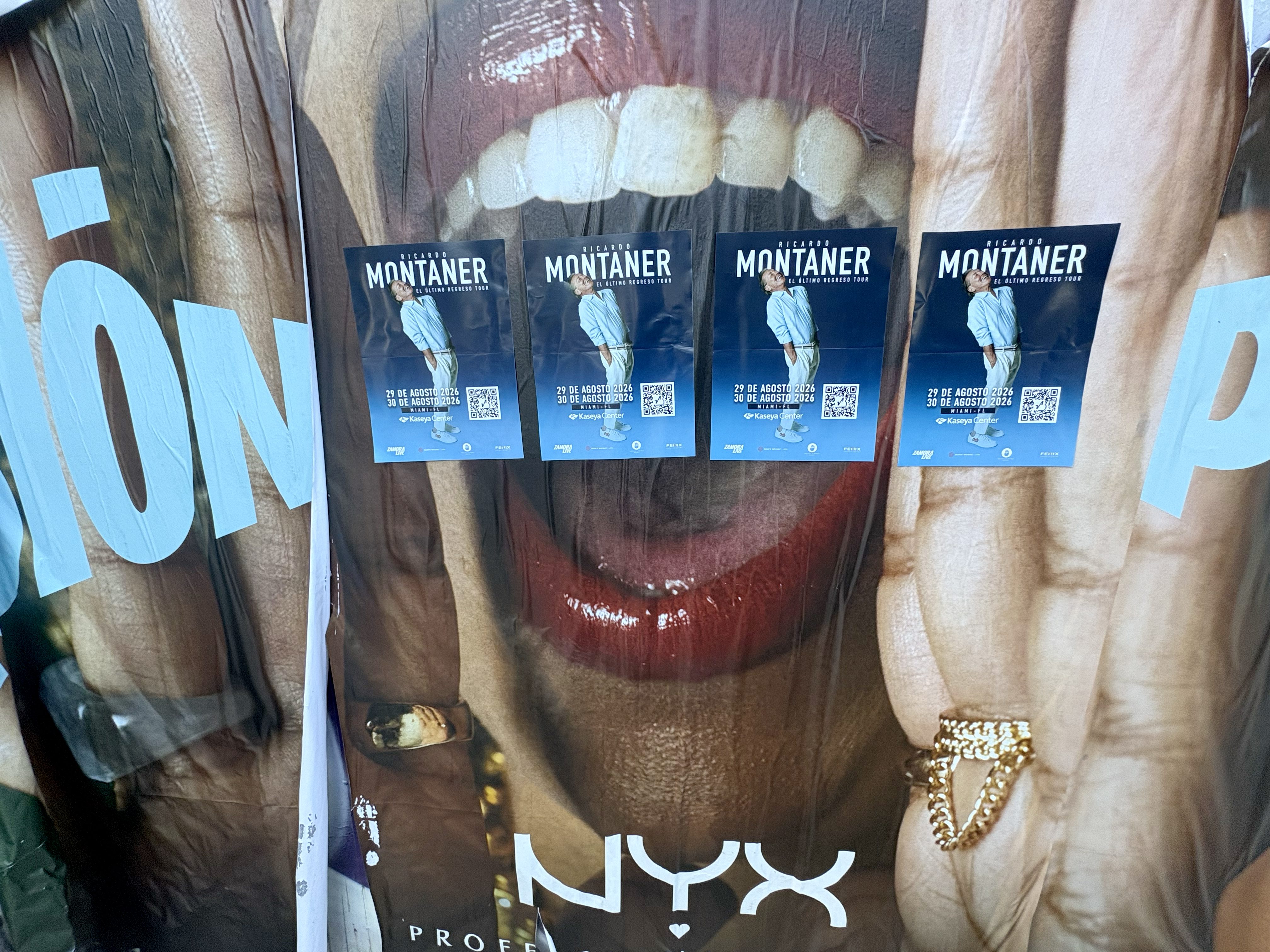
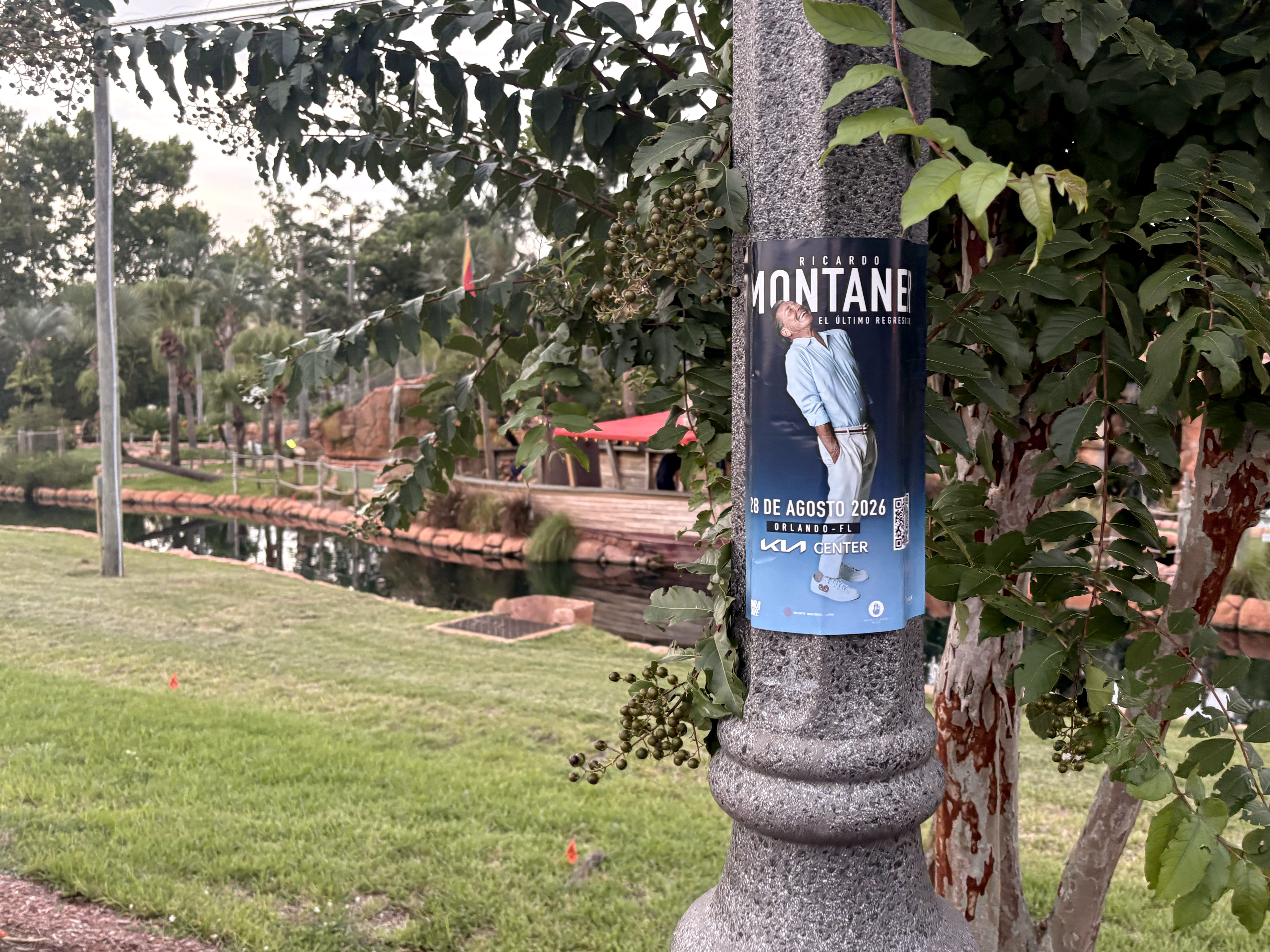
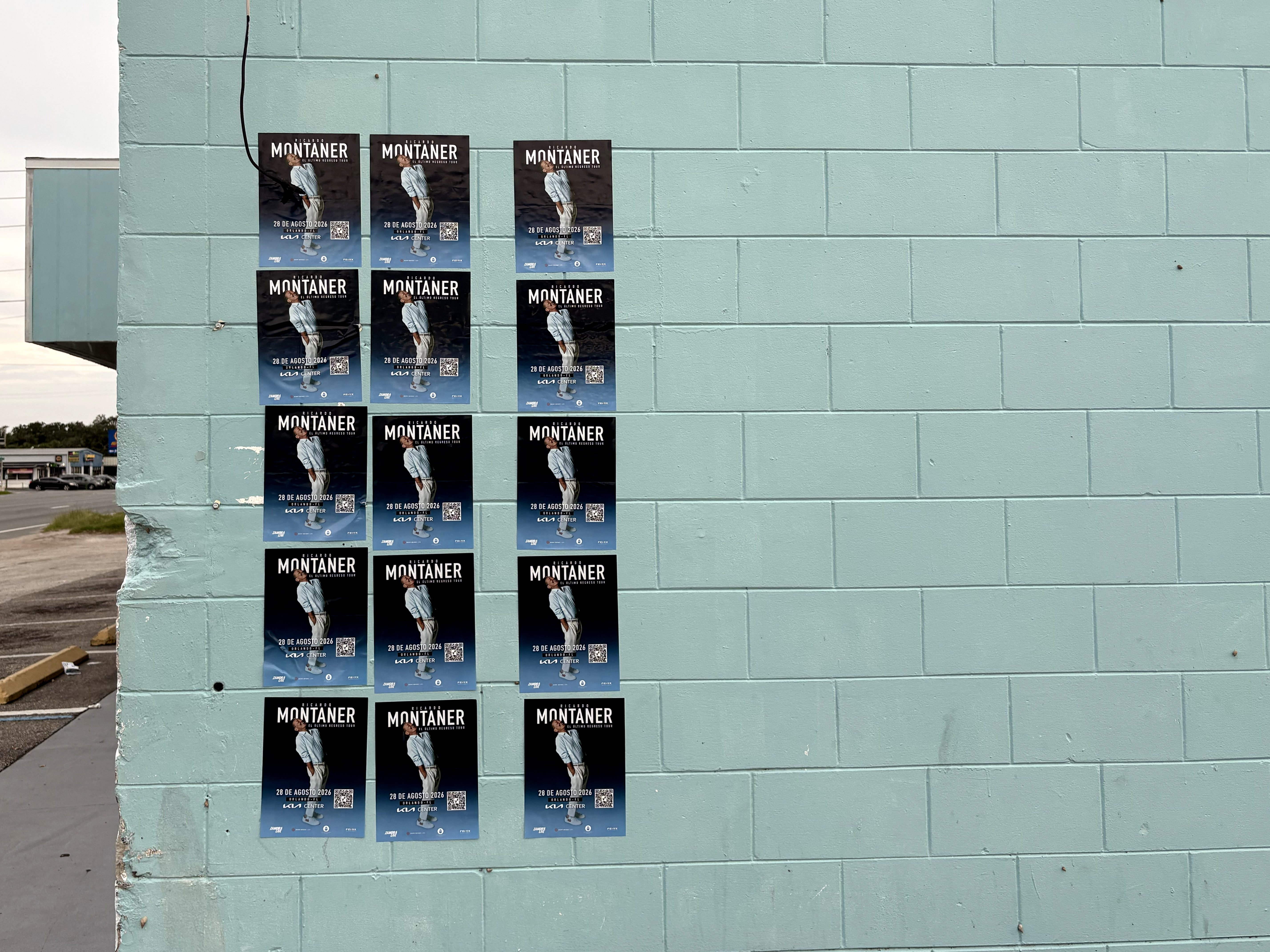
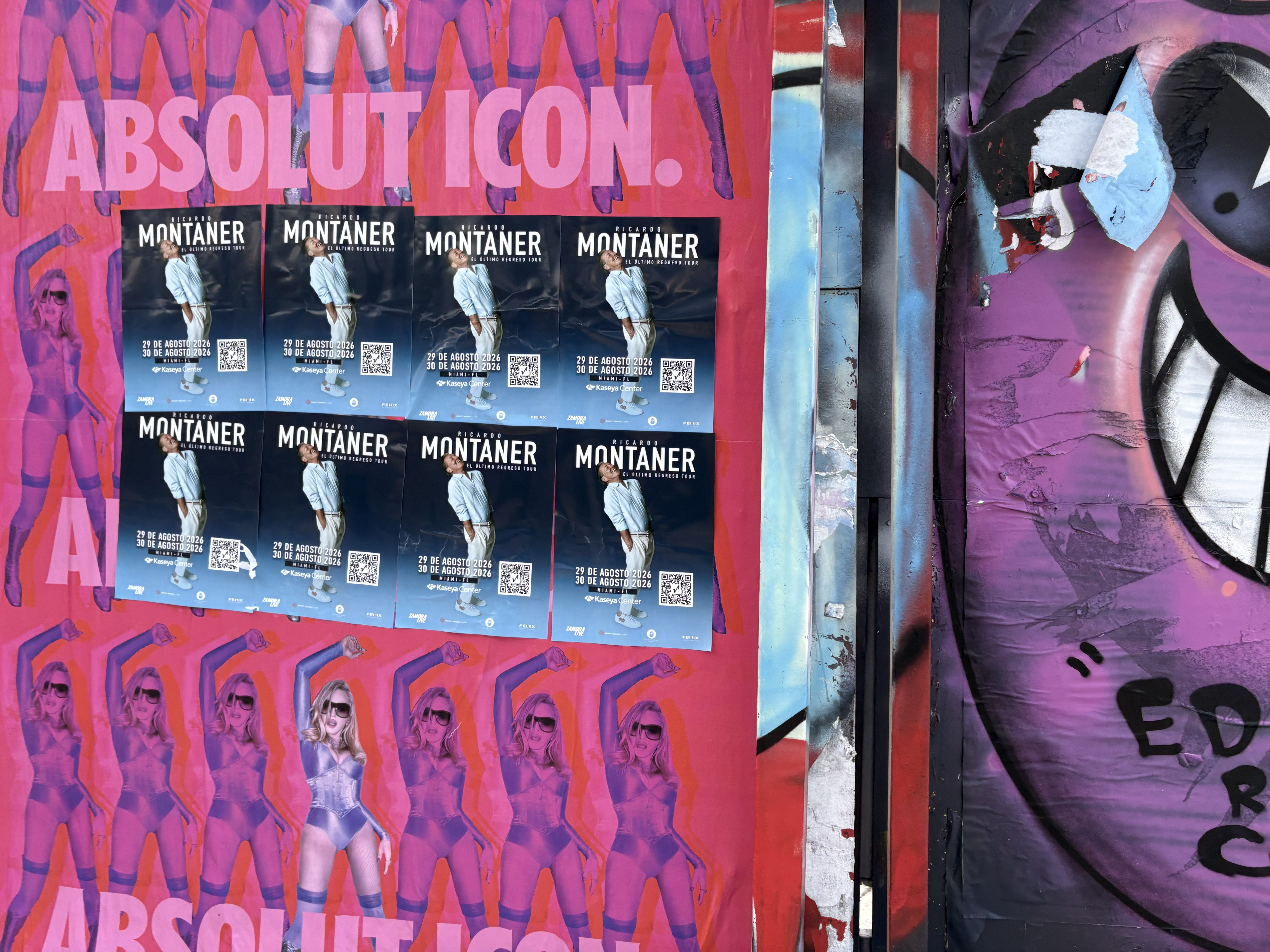
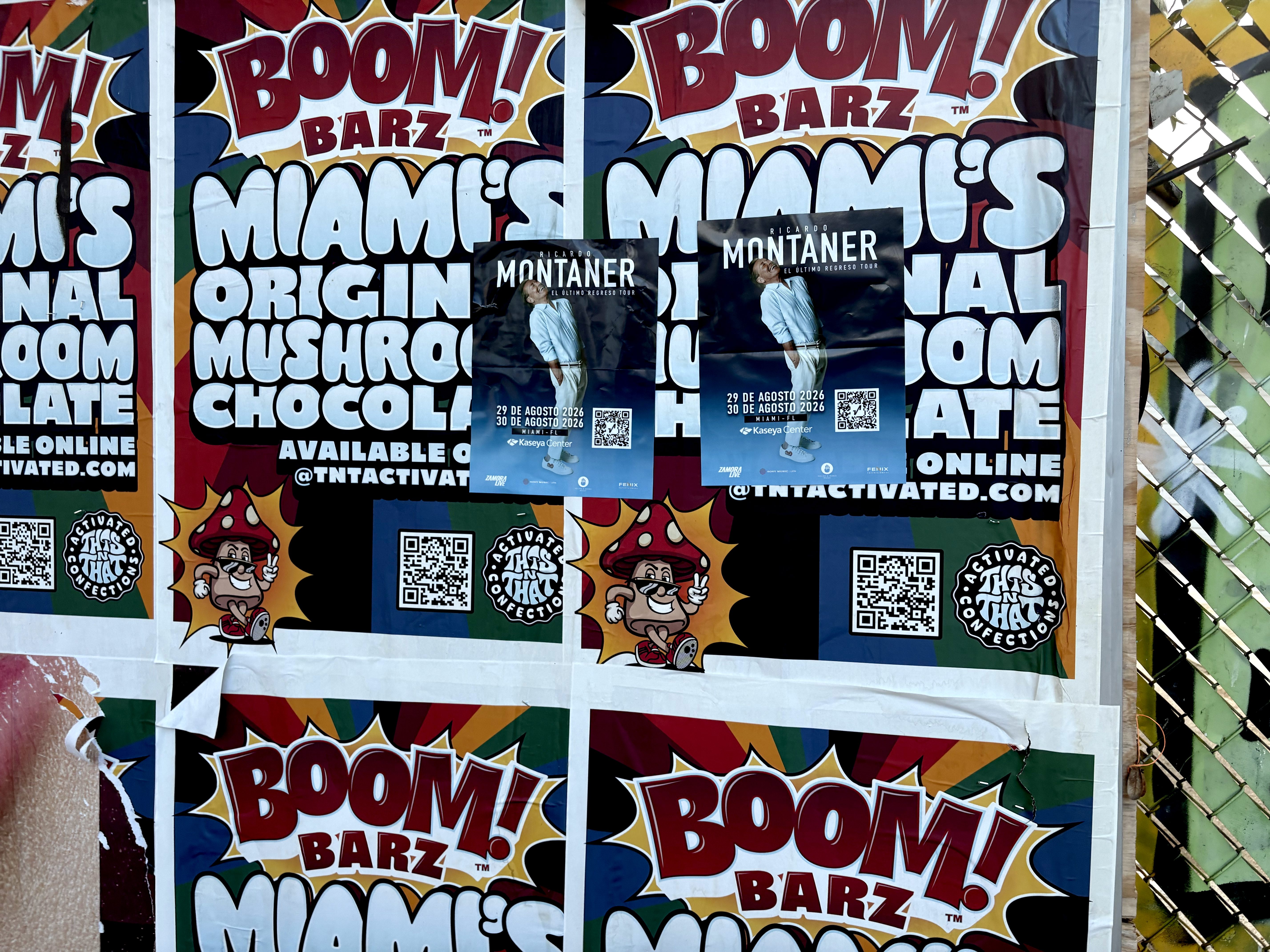
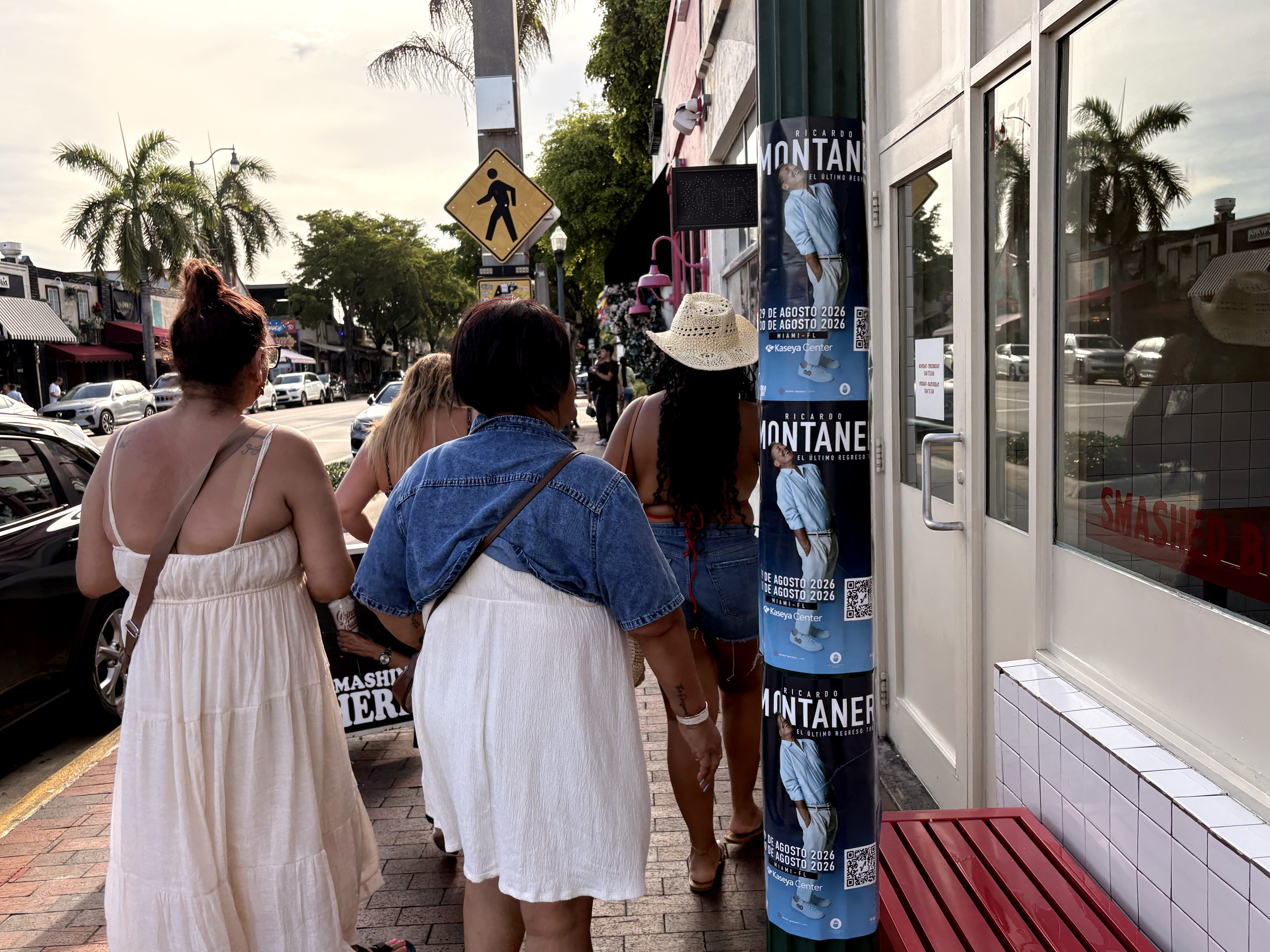
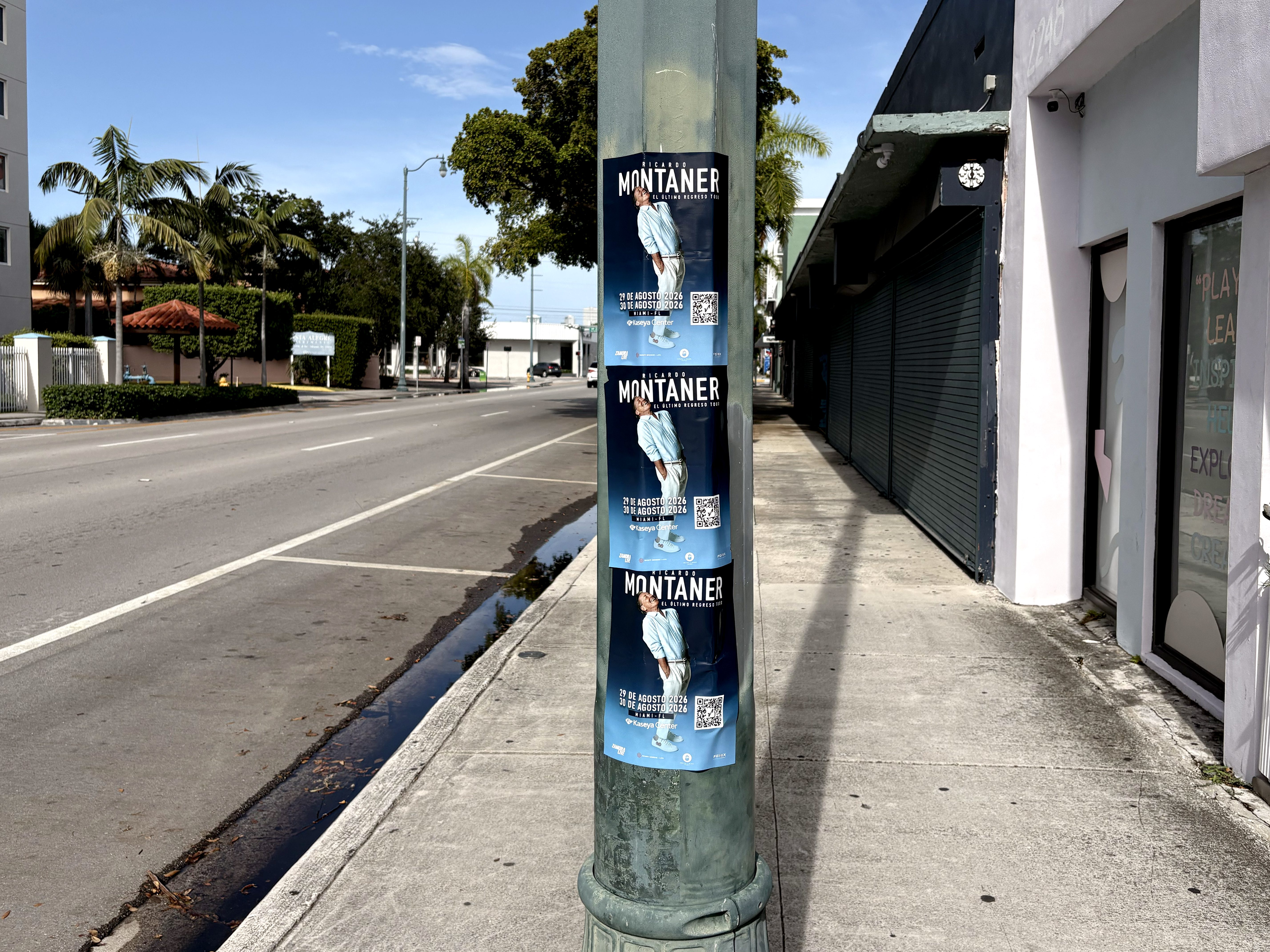
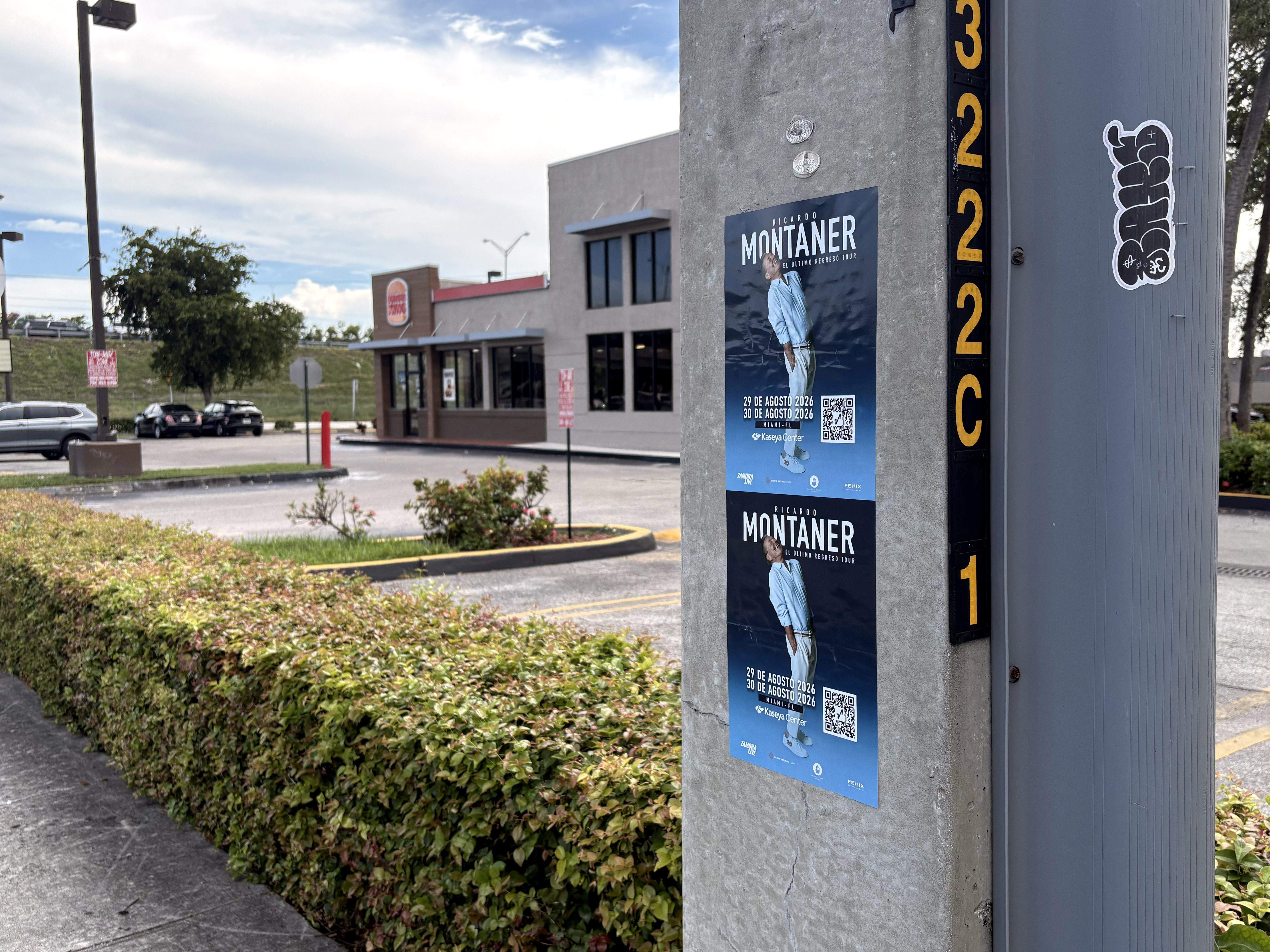
American Guerrilla Marketing executed an eight-market street team snipe campaign for Zamora Entertainment ahead of the Ricardo Montaner 2026 North American Tour. The campaign included 400 9×12-inch posters across more than 10 locations per market in the weeks leading up to each show. In every city, AGM targeted Latino restaurants, grocery stores, bars, nightclubs, and busy community businesses in neighborhoods with strong concentrations of Montaner’s core audience, particularly near the concert venues.
Posters were placed outside businesses on storefronts, windows, and community boards, as well as inside near counters, waiting areas, and checkout areas. Indoor placements were made with approval from business owners during each visit.
The campaign focused on reaching Montaner’s existing fans in the neighborhoods and businesses they already visit. Eight cities, eight shows, and a targeted street advertising campaign built around the Latino communities most likely to attend.
The Ricardo Montaner 2026 street team campaign ran across eight markets from July 13 through August 10, 2026. Installations were scheduled two to four weeks before each concert to give the posters time to reach local audiences ahead of the shows. The campaign included 400 total 9×12-inch snipe posters distributed across more than 10 locations per market, using one creative design throughout the tour.
The eight markets and concert venues included:
AGM used zip-code-level targeting to identify neighborhoods with established Latino communities near each concert venue. Placement locations were researched before installation and confirmed by street teams during their visits. Posters were distributed both outside and inside local businesses, including storefronts, windows, community boards, counters, and waiting areas. All placements were coordinated with business owners and completed based on the available space and approval at each location.
Concert street team marketing has been part of the live music industry for decades because it reaches fans in the neighborhoods and businesses they already visit. An artist’s audience is rarely spread evenly across an entire city. For Ricardo Montaner, whose core fans include Latino adults 35 and older, the campaign focused on communities where his music already has a strong following. These included the Buford Highway corridor in Gwinnett County outside Atlanta, West Valley City near the Maverik Center in Salt Lake City, Little Havana and Wynwood in Miami, Roosevelt Avenue in Jackson Heights, Queens, East Boston and Chelsea, and the Armenia Avenue Latin nightlife corridor in Tampa.
Each city on the 2026 tour had neighborhoods with established Latino communities that were relevant to Montaner’s audience. American Guerrilla Marketing used zip-code-level targeting to identify these areas, then researched local restaurants, grocery stores, bars, nightclubs, and other businesses where potential concertgoers regularly spend time. Rather than placing posters randomly throughout each city, AGM focused on businesses and commercial corridors where Montaner’s existing fans were more likely to see them.
The campaign used both exterior and interior poster placements. Outside, 9×12-inch snipes were placed on storefronts, windows, and community boards. Inside participating businesses, posters were positioned near checkout counters, waiting areas, and other visible locations with permission from the owners. These indoor placements gave customers more time to notice the concert information while shopping, eating, or waiting for service. Latino-owned businesses were especially valuable to the campaign because they served the same communities the tour was trying to reach. Interior placement approval rates were estimated at approximately 70% to 80%, making business outreach an important part of the distribution strategy.
Timing was another important part of the campaign. AGM scheduled installations two to four weeks before each concert, giving fans time to see the posters and make plans to purchase tickets. Installing too early could mean posters were worn or overlooked by the time the show arrived, while installing too close to the concert could leave little time for ticket purchases. By staggering the installations across all eight markets, AGM kept the advertising closer to each city’s show date and maintained a consistent promotional schedule throughout the tour.
Award Winning Personalized Service
You will get thoughtful, devoted, and individualized attention from our experienced, qualified, and professional personnel. Being one of the most illustrious agencies in Brooklyn, New York, American Guerrilla Marketing has been awarded the Best of Brooklyn title.
Nationwide
Industry City, Brooklyn, New York 11232
American Guerrilla Marketing
Hours
Mon - Fri: 9 AM - 5 PM
Sat & Sun: Closed
Automate your campaign with AGM’s Request for Proposal Builder. Simply answer a few quick questions about your campaign goals, markets, and timeline, and the system will generate a tailored presentation with recommended strategies, quantities, and pricing. Click the RFP Builder to instantly receive your customized proposal.
The 9×12 snipe format is a proximity format — it is encountered up close, in environments where the viewer has stopped or is moving slowly. A grocery checkout line, a restaurant entrance, a bar wall at eye level. At that distance and in that context, the creative does not need to communicate from across the street. It needs to communicate to someone who is already there, in a familiar environment, with enough time and proximity to register what they are seeing.
For a Montaner concert poster in those environments, the creative hierarchy is straightforward: artist recognition, date, venue, and where to get tickets. Montaner’s audience does not need to be sold on who he is. They need the information that converts awareness into action — and they need it clearly, in the visual language appropriate to the tour and the community. The 9×12 format at counter height in a Latino restaurant or grocery store is not a passive impression. It is an active moment of engagement between the community and the tour announcement, at exactly the kind of location where the decision to buy a ticket might actually happen.
In each of the eight markets, AGM’s placement strategy was organized around two geographic priorities: proximity to the show venue and concentration within the community corridors where Montaner’s audience gathers.
In Atlanta, the campaign concentrated in Gwinnett County’s Buford Highway corridor — Duluth, Buford, and Norcross — the densest Latino community corridor in the Atlanta metro and the area most proximate to the Gas South Arena in Duluth. In Salt Lake City, the campaign focused on West Valley City and Kearns — the Latino community centers of the Salt Lake metro, directly adjacent to the Maverik Center — hitting Latin grocery markets, Mexican restaurants, and the nightlife venues that serve as community anchors in those zip codes. In Miami, the campaign deployed across Wynwood, Little Havana, and Hialeah — the geographic core of Miami’s Latin community — with placements at music venues, bars, and restaurants on the corridors most traveled by Montaner’s audience. In Orlando, the campaign covered the International Drive corridor and Kissimmee’s Latino zones, targeting the nightclubs and community restaurants most active with the demographic in that market.
For Atlantic City, the campaign extended beyond the immediate boardwalk market to reach the broader Latin community audience that drives in for AC shows — targeting Washington Heights in Manhattan, Trenton in New Jersey, and the Hazleton, PA corridor alongside the Atlantic City placements themselves. In New York, the campaign hit the full spectrum of the city’s Latin nightlife and community geography: Jackson Heights and the Roosevelt Avenue corridor in Queens, the Bronx’s University Avenue and Southern Boulevard Latino strips, Midtown Manhattan’s Latin clubs, and Brooklyn’s Williamsburg and Crown Heights Latin community anchors. In Boston, the campaign concentrated in East Boston, Chelsea, Revere, and Lawrence — the four communities that represent Boston’s highest-density Latino population and Montaner’s core metro audience. In Tampa, the campaign covered the Armenia Avenue Latin nightclub corridor in North Tampa, Ybor City’s venue strip, and the Northwest Tampa Latino community zones.
The Ricardo Montaner 2026 street team campaign placed tour announcements inside the physical spaces where Montaner’s audience spends its time — not in front of a general city population and not in a digital ad unit, but on the walls, counters, and windows of the Latino restaurants, grocery markets, bars, and nightclubs that serve as the community anchors for his core demographic in eight North American markets. Every placement was within the cultural geography of the audience the campaign was trying to reach. Every market was timed to hit the purchasing window ahead of its show date.
The dual placement model — exterior plus interior, secured on-site by street teams — extended reach beyond what a wall-only approach delivers. Interior placements at Latino-owned businesses in West Valley City, East Boston, Jackson Heights, and the Buford Highway corridor reached Montaner’s audience in dwell-time environments where poster exposure is sustained rather than fleeting. The 70–80% interior approval rate at Latino-owned businesses made that element reliable across all eight markets.
Eight markets. Eight shows. One tour. A street team campaign that went where the audience is rather than waiting for the audience to come to it.
Digital advertising reaches a broad audience filtered by demographic and behavioral data. Street team placement at Latino community businesses reaches the same demographic in the physical environments where they already gather — restaurants, grocery stores, nightclubs — with a poster that is encountered in a context relevant to that community. For Ricardo Montaner, whose core audience is Latino adults 35 and older, a poster at a Latino restaurant near the show venue reaches the exact person who is already predisposed to buy a ticket, in the environment where they are most receptive to a culturally relevant message. Digital advertising and street team placement are not competing tactics — but for a Latin touring artist, the street team approach reaches the community in a way digital cannot replicate.
Each market was mapped using zip-code-level data identifying the Latino community concentrations most proximate to the show venue. Within those zip codes, AGM identified the specific types of venues — Latino restaurants, grocery markets, bars, nightclubs, and high-traffic community businesses — where the target demographic is most reliably present. The venue list for each market was built around Montaner’s core audience profile: adults 35 and older in established Latino community corridors, not the broader nightlife demographic. The result in each city was a placement footprint concentrated in the neighborhoods and venues most relevant to the people the campaign was trying to reach.
The dual placement model places posters both on exterior surfaces — storefronts, windows, community boards — and on interior surfaces — counter displays, waiting areas, near checkout — based on venue owner approval secured during each street team visit. Exterior placements reach pedestrian foot traffic. Interior placements reach customers already inside the venue, in environments where they dwell rather than pass through. A poster near the checkout counter at a Latino grocery store generates sustained exposure during the time a customer spends waiting in line — a fundamentally different engagement than a sidewalk-level impression. Interior approval rates at Latino-owned businesses run approximately 70–80%, making interior placement a consistent and reliable part of the campaign rather than a secondary outcome.
A street team campaign installed too early loses visual relevance by show week — posters age, get covered, and fall out of the active cultural moment of the upcoming show. Installed too close to the date, it misses the purchasing window when most ticket decisions are made. The two-to-four week installation lead ahead of each show date was selected to maximize the overlap between active campaign visibility and the period when the campaign’s target audience is most likely to act on what they see. With eight markets and eight show dates spread across two months, the staggered installation schedule kept each market in its optimal window from Atlanta in July through Tampa in September.
The 9×12 snipe is a proximity format designed for environments where it is encountered at close range — restaurant counters, storefront windows, community bulletin boards, bar walls. At that scale and distance, the creative communicates the essential information — artist, date, venue, ticket source — in the visual register appropriate to a viewer who is already in the right environment and already predisposed to be interested. For a concert street team campaign targeting a specific community, the snipe’s compact format is an asset: it fits the placement surfaces available inside and outside Latino businesses, it can be deployed at volume across many locations by a small team, and it reaches the right person in the right place rather than broadcasting to a general audience from a large-format surface.
Ricardo Montaner’s audience is concentrated in specific community geographies in every city on the 2026 tour — the Buford Highway corridor in Atlanta, West Valley City in Salt Lake City, Little Havana and Wynwood in Miami, Roosevelt Avenue in Queens, East Boston and Chelsea in the Boston metro, Armenia Avenue in Tampa. Those communities gather at Latino restaurants, shop at Latino grocery markets, and socialize at the bars and nightclubs that serve as anchors for those neighborhoods. Placing a Montaner tour poster at those businesses is not guerrilla advertising in the traditional sense — it is putting a concert announcement where the concert’s audience is, in the businesses those community members trust and frequent. The business itself becomes part of the distribution channel, and the interior approval rate at Latino-owned businesses reflects that alignment.