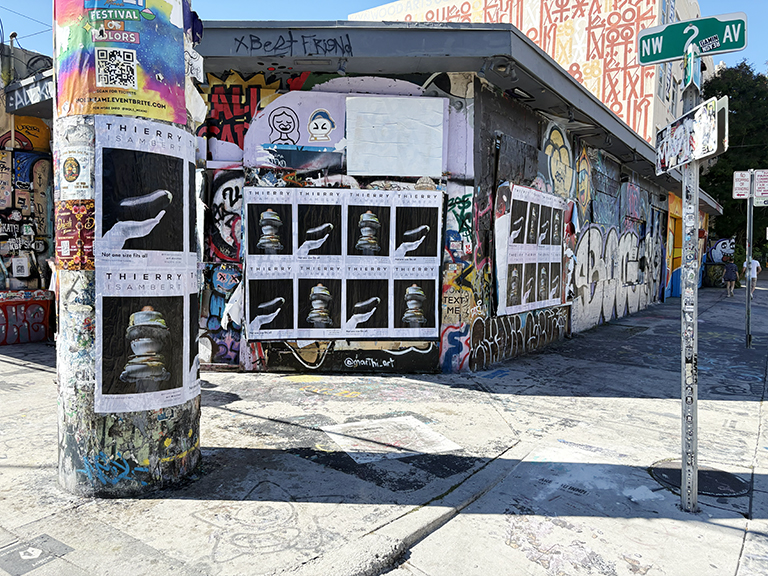
Wheatpasting is one of the oldest and most effective forms of street advertising. Before digital billboards, before bus shelters, before programmatic anything, brands and movements used paste and paper to take over walls. The technique has not changed much in 200 years. The results it delivers in a world saturated with digital advertising have actually gotten better.
This guide covers everything you need to know about wheatpasting — what it is, how it works, where it is legal, what it costs, and how brands execute successful campaigns in major U.S. markets. If you are considering street poster advertising for a launch, campaign, or ongoing brand presence, you are in the right place.
American Guerrilla Marketing has run wheatpaste poster campaigns in New York, Los Angeles, Miami, Chicago, and dozens of other U.S. markets. Our team is based in Industry City, Brooklyn, NY, and operates nationwide with GPS-tracked execution and full documentation.
What Is Wheatpasting, Exactly?
Wheatpasting is the practice of adhering large paper posters to urban surfaces — walls, construction fencing, plywood barriers, doorways, and any flat vertical surface that accepts paste — using a water-based adhesive. The paste was historically made from wheat flour and water (hence the name), though modern campaigns use commercial adhesives that bond more strongly and dry faster.
The poster is brushed with paste on the back, pressed against the surface, then coated with another layer of paste on top to seal and protect the print. When dry, the poster adheres tightly to the surface and can withstand rain and wind for weeks.
Why Paper and Paste Work Better Than You Think
The simplicity is deceptive. A properly applied wheatpaste poster on a high-foot-traffic wall in SoHo will generate more daily impressions than a digital ad served to a carefully targeted audience — and the impression is richer. The viewer is physically present, not scrolling past. The format interrupts the visual environment without competing for attention with 50 other ads on the same screen.
The Difference Between Wheatpasting and Other Street Poster Formats
Wheatpasting differs from traditional OOH poster buys in a few important ways. Standard poster panels (bus shelters, phone kiosks, transit placements) are bought through media companies and placed in fixed locations at regulated sizes. Wheatpaste campaigns can go almost anywhere, at almost any scale, with much faster turnaround and lower cost. The trade-off is that placement permanence depends on property relationships and local enforcement rather than a long-term media contract.
How a Professional Wheatpaste Campaign Works
Understanding the execution process helps you evaluate vendors and set realistic expectations for your campaign.
Location Scouting and Permitting
The first step is identifying locations. Professional campaigns use a combination of permitted locations (walls and fences where the property owner has agreed to accept advertising) and construction site partnerships. In many cities, construction hoarding — the temporary plywood barriers around building sites — is one of the best wheatpaste surfaces available, highly visible, structurally solid, and refreshed regularly as projects progress.
Our team scouts locations for each market, evaluating foot traffic counts, sight lines, demographic match, and compliance status before any installation begins. This is not a random process. Every location is selected with the client’s target audience and geography in mind.
Print Production
Poster production is a critical variable in campaign quality. Thin paper tears during application. Cheap inks fade within days. Professional campaigns use 80-100 lb matte paper or heavier stock, printed with UV-resistant inks. For large-format installations, tiled prints are produced with overlapping edges to create seamless multi-panel images.
Installation
Installation is a skilled trade. Experienced installers know how to mix paste consistency for different surface types, how to align tiled panels without visible seams, how to work quickly in high-foot-traffic areas, and how to handle weather complications. Our crews are trained and full-time — not day laborers hired off Craigslist.
Documentation and Reporting
Every location gets timestamped photography before and after installation. GPS coordinates are logged. Our clients receive a full documentation package showing exactly where posters were placed, when, and what the finished installation looked like. This documentation is the proof of performance.
Where Wheatpasting Works Best
Wheatpasting is not equally effective everywhere. The format excels in specific environments and underperforms in others. Here is how to think about location quality.
High-Foot-Traffic Urban Corridors
The best wheatpaste locations are in areas where people walk. Dense urban neighborhoods, entertainment districts, university campuses, transit station surroundings, and retail corridors are ideal. A wheatpaste poster on a wall that 10,000 people walk past each day delivers far more value than the same poster in a low-foot-traffic location.
Construction Sites and Vacant Properties
Construction site hoarding is the premium wheatpaste real estate in most cities. The surfaces are large, smooth, and properly vertical. Property managers often allow advertising in exchange for modest fees or reciprocal value. Our team maintains relationships with construction site owners and property managers across dozens of markets.
Arts and Cultural Districts
Neighborhoods with active street art scenes — SoHo and Williamsburg in New York, Wynwood in Miami, the Arts District in Los Angeles, Wicker Park in Chicago — are ideal for wheatpasting because the format fits the visual culture. Posters in these areas are more likely to be left intact, more likely to be photographed, and more likely to generate organic social sharing.
The Legal Landscape for Wheatpaste Advertising
This is where many brands get tripped up. Wheatpasting on surfaces without permission is illegal in most U.S. cities, and fines for unauthorized posting can be significant. The enforcement intensity varies by city and neighborhood, but the legal exposure is real.
What Makes a Wheatpaste Campaign Legal
A legal wheatpaste campaign either (1) obtains explicit written permission from each property owner, (2) uses locations where the property manager has established an ongoing advertising program, or (3) works in municipalities where temporary paper posting is permitted on specific surface types. Our campaigns are 100% permitted. We provide clients with documentation of location agreements for every placement in the campaign.
What to Avoid
Unauthorized posting on public infrastructure (utility poles, traffic signal boxes, government buildings) is illegal in virtually every U.S. jurisdiction. Posting on private property without permission creates civil and criminal liability. Any vendor offering below-market wheatpaste rates without location documentation should be treated as a risk — if the campaign is unauthorized, the brand is exposed.
Wheatpasting Formats and Sizes
Not all wheatpaste campaigns look the same. Here is a breakdown of the most common formats our team executes.
Single-Sheet Poster Campaigns
The classic format: a single 24×36 or 27×40-inch poster placed at eye level on permitted surfaces. These are fast to produce, fast to install, and work well for event promotion, album releases, and product launches. A campaign of 100-500 posters across a single market is a standard single-sheet engagement.
Multi-Panel Mosaic Installations
For maximum visual impact, multi-panel installations tile multiple posters together to create a large-format image spanning an entire wall or construction hoarding section. These can run 10, 20, or even 50+ panels depending on the scale of the wall. The result is a mural-scale installation that commands attention from blocks away.
Sequential Campaign Posting
Some campaigns use sequential or teaser poster series posted across weeks, building a visual narrative that generates curiosity and repeat viewership. This approach works well for film or album releases where the campaign has a natural buildup arc.
Wheatpasting vs. Other Street Advertising Formats
Understanding how wheatpasting compares to other guerrilla marketing formats helps you build the right campaign mix.
Wheatpasting vs. Sidewalk Stencils
Sidewalk stencils create horizontal impressions at ground level, reaching pedestrians looking down. Sidewalk stencil campaigns work best as directional or reinforcement elements. Wheatpasting creates vertical impressions at eye level, working as a standalone awareness format. The two are often used together.
Wheatpasting vs. LED Billboard Trucks
LED billboard trucks are mobile and high-impact but time-bound — they reach people only while the truck is on the route. Wheatpaste posters are stationary and continuous, delivering impressions 24 hours a day for weeks. The formats serve different purposes and work well together in integrated campaigns.
Wheatpasting vs. Brand Ambassador Campaigns
Brand ambassador programs deliver personal, interactive brand experiences. Wheatpasting delivers passive, high-frequency impressions. Combined, they create campaigns where the brand is both seen (posters) and experienced (ambassadors) in the same geography.
Industries That Use Wheatpaste Advertising
Wheatpasting is versatile enough to work across a wide range of industries. Here are the sectors where our team deploys it most frequently.
Entertainment and Media
Film studios, music labels, streaming platforms, and game publishers are among the heaviest users of wheatpaste advertising. Album release poster campaigns are a decades-long tradition. Film posters in arts districts generate significant organic social coverage. A new show launch on a streaming platform benefits enormously from the physical credibility that street posters carry in the cultural conversation.
Fashion and Streetwear
Fashion brands — particularly in the streetwear and contemporary segments — use wheatpasting to establish authenticity and cultural presence in core markets. A campaign in Williamsburg, the Fairfax District, or Wicker Park positions a brand as genuinely embedded in street culture rather than observing it from outside.
Tech Startups and App Launches
Consumer tech brands and app companies use wheatpasting in key markets to build name recognition ahead of paid digital campaigns. Poster saturation in a specific neighborhood creates the impression of ubiquity — if the target audience sees the brand everywhere they walk, it registers as established rather than new.
Consumer Packaged Goods
CPG brands use wheatpaste campaigns around retail activations, sampling campaigns, and new distribution launches. Proximity to retail locations is a key consideration — posters placed within the walking radius of a key retail account reinforce awareness at exactly the right moment in the purchase funnel.
Frequently Asked Questions About Wheatpasting
What is wheatpasting?
Wheatpasting is a street advertising technique in which large paper posters are affixed to walls, construction fencing, and other urban surfaces using a water-based adhesive paste — traditionally made with wheat flour. The result is a large-format print that adheres tightly to the surface and weathers slowly, giving it meaningful outdoor staying power.
Is wheatpasting legal?
Wheatpasting on private surfaces requires property owner permission. On public surfaces it is generally regulated, and unauthorized posting can result in fines. Legal wheatpaste campaigns use permitted locations, private property agreements, or construction site partnerships. American Guerrilla Marketing handles all permissions and location sourcing for legal campaigns.
How long do wheatpasted posters last?
In typical urban conditions, properly applied wheatpasted posters last 2-6 weeks. Durability depends on weather exposure, surface texture, paper quality, and whether new posters are layered over them. Laminated prints can extend the lifespan significantly.
What size are wheatpaste posters?
Wheatpaste posters range from small single-sheet prints (roughly 24×36 inches) to large-format mosaic installations that can cover an entire building wall. Most street advertising campaigns use posters in the 24×36, 27×40, or multi-panel 48×72-inch range.
How much does a wheatpaste advertising campaign cost?
A professional wheatpaste campaign typically costs between $2,500 and $15,000 depending on market, quantity, poster size, and location quality. Print production, installation labor, location sourcing, and documentation are the primary cost components.
What brands use wheatpaste advertising?
Wheatpaste advertising has been used by entertainment companies (film studios, music labels, streaming platforms), fashion brands, consumer packaged goods companies, tech startups, and political campaigns. It is especially common for album releases, film premieres, and product launches in urban markets.
Frequently Asked Questions
What is what is wheatpasting?
American Guerrilla Marketing provides what is wheatpasting services across 50+ U.S. markets. Every campaign is planned, scouted, executed, and GPS-documented by our field teams. We work with regional brands and Fortune 500 companies on campaigns that require real street-level execution and documented proof of performance.
How does AGM approach is wheatpasting?
Our process starts with a market consultation to understand your goals, target audience, and budget. We then scout locations, handle any required permissions or permits, coordinate production and installation with our local crews, and provide a full GPS-tagged photo report after the campaign runs.
What markets does American Guerrilla Marketing cover for is wheatpasting?
We operate in 50+ U.S. markets including New York, Los Angeles, Chicago, Miami, Houston, Atlanta, Seattle, Denver, Boston, and dozens of secondary markets. Contact us to confirm availability and pricing for your specific market.
How much does a is wheatpasting campaign cost?
Campaign pricing depends on market, format, quantity, and duration. We work with budgets ranging from targeted single-market runs to national rollouts across multiple cities. Use our RFP Builder or contact us directly for a custom quote based on your specific campaign requirements.
How do I get started with is wheatpasting through AGM?
The fastest way to get started is to submit your campaign details through our RFP Builder at americanguerrillamarketing.com, or contact us directly at [email protected] or (646) 776-2770. Our team typically responds within one business day with availability and initial pricing.