
September 7, 2026
What Is Marketing Activation? A Complete Guide
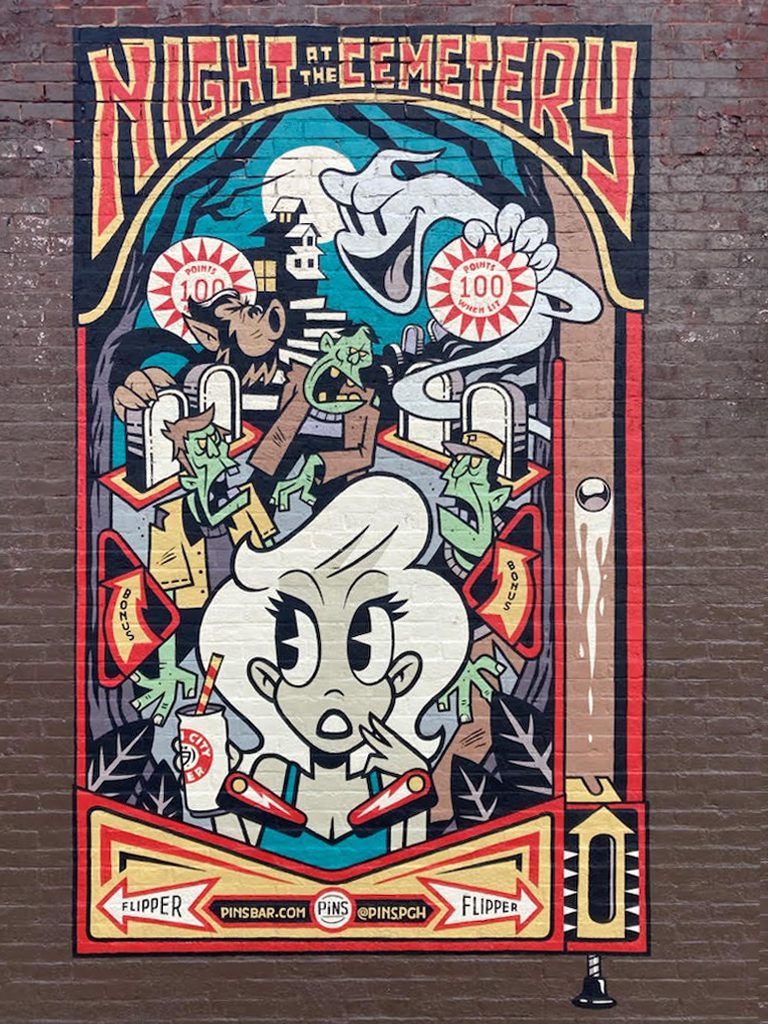
Marketing activation is one of those terms that sounds more technical than it is. In practice, it refers to the specific activities and experiences that turn a brand strategy into real consumer action. It is the live, participatory dimension of marketing where strategy stops being a plan and becomes something a real person can touch, taste, experience, and remember.
We specialize in marketing activation. We run campaigns in New York, Los Angeles, Chicago, Miami, and cities across the country. Here is everything you need to know about what marketing activation is, how it works, and why it matters.
The Definition of Marketing Activation
Marketing activation is the process of bringing a brand, product, or campaign to life through direct consumer experiences. It includes any marketing tactic that creates an interactive or participatory moment between the brand and a specific audience segment.
The key word is direct. Marketing activation is not about reaching audiences through media. It is about reaching them in person, in real time, in the places they already are. A product sampling event is marketing activation. A branded pop-up is marketing activation. A street team campaign, a festival booth, a roadshow, and a retail takeover are all forms of marketing activation.
What differentiates marketing activation from traditional advertising is the interaction requirement. Traditional ads ask the audience to receive information. Marketing activation asks them to participate. That participation is what makes activations memorable and what makes them effective at driving trial, loyalty, and word-of-mouth in ways that passive media cannot.
Why Marketing Activation Matters
The case for marketing activation starts with a simple insight about human memory. Experiences are remembered more vividly and more durably than information. You might forget an ad you saw last week. You will probably remember a product sample you tried, a brand event you attended, or an unexpected street experience that made you stop and engage. The difference is the experiential dimension.
That memory advantage translates directly into business outcomes. Consumers who have participated in a brand activation are consistently more likely to purchase, more likely to recommend, and more likely to remain loyal than consumers who have only seen advertising. Marketing activation creates the kind of brand relationship that advertising can describe but not replicate.
Marketing activation also generates content. In the social media era, every activation creates opportunities for organic content creation. Participants photograph the experience and share it. That sharing multiplies the effective reach of the activation far beyond the number of people who participated directly. In our markets, a well-executed activation in New York can generate social exposures that reach hundreds of thousands of people who were nowhere near the event.
Types of Marketing Activation
Marketing activation covers a wide range of tactics. Here is a breakdown of the most common forms.
| Activation Type | Consumer Action | Primary Benefit | Best Industries |
|---|---|---|---|
| Product sampling | Try the product | Drives trial and purchase intent | CPG, food, beverage, beauty |
| Pop-up experience | Visit and explore | Creates brand immersion and urgency | Fashion, DTC, entertainment |
| Festival activation | Interact at events | Builds brand association with positive experiences | All consumer-facing brands |
| Street team | Engage in conversation | Creates personal brand connections | Event promotion, new brands |
| Retail activation | Discover in store | Drives in-store trial and purchase | CPG, health, beauty |
| Roadshow | Visit in multiple markets | Builds presence nationally or regionally | National brands, touring |
| Branded installation | Experience a space | Creates shareable, memorable moments | Entertainment, tech, fashion |
Marketing Activation vs. Brand Advertising
Marketing activation and brand advertising are not competing approaches. They are complementary. Understanding how they work together helps you build more effective overall campaigns.
Brand advertising builds awareness. It reaches large audiences through media and communicates the brand’s message at scale. Its strength is breadth. Its limitation is depth. You can see a thousand ads and still not have a strong feeling about the brand.
Marketing activation builds connection. It reaches smaller audiences directly and creates genuine, personal brand experiences. Its strength is depth. Its limitation is scale. You can run the best activation in the world and only reach a few hundred people directly.
The combination is where the real power lies. Advertising creates the awareness. Activation deepens it into genuine preference and loyalty. People who are aware of a brand through advertising and then encounter it through activation are far more likely to become long-term customers than people who have experienced only one form of marketing.
Advertising Creates Awareness. Activation Creates Loyalty.
Both are necessary. Neither is sufficient on its own. The brands that build the strongest market positions over time are the ones that invest in both consistently and make them work together.
How Marketing Activation Fits Into a Campaign
Marketing activation is typically one element of a larger campaign. Understanding where it fits helps you design campaigns that make the most of the format.
In most effective campaigns, the sequence goes like this. Advertising creates initial awareness in the weeks before the activation. The activation creates direct consumer contact and generates content during the event period. Post-activation, the content from the event fuels ongoing digital advertising and social campaigns. The people who participated in the activation become a retargeting audience for follow-up messaging.
This sequence treats the activation as the centerpiece of the campaign, with advertising and content serving it. That is a different approach from treating the activation as an afterthought to a media campaign. When the activation is the centerpiece, every other element is designed to bring people to it and then amplify what comes out of it.
Planning a Marketing Activation
Here is how we approach the planning process for a marketing activation from start to finish.
Define the Objective
What does this activation need to accomplish? Product trial. Brand awareness in a new market. Social content generation. Lead capture. Event attendance. The objective shapes every subsequent decision, from format and location to staffing and measurement.
Identify the Audience
Who are we trying to reach? Where do they live, commute, and spend time? What events do they attend? What neighborhoods define their daily life? The answers to these questions determine where the activation goes and how it is designed.
Design the Experience
What will participants do? What will they receive? What visual centerpiece will they photograph? What will they tell their friends about afterward? The experience design is the heart of the activation. It needs to create genuine value for the audience and a genuine brand connection that lasts beyond the moment of the activation.
Choose the Location
The activation must happen where the target audience already is. We identify specific locations based on foot traffic data, neighborhood demographics, event calendars, and our own observation in the markets we work in. A great activation in the wrong location produces weak results. The right location makes every other element of the activation more effective.
Staff It Correctly
The people running the activation are the brand in that moment. We cast brand ambassadors based on their fit with the brand, their ability to create genuine connections with strangers, and their knowledge of and enthusiasm for the product. Training covers product knowledge, conversation scripts, and the specific mechanics of the activation. We brief every team member before every activation.
Build the Measurement Framework
Before the activation launches, we define what success looks like. How many samples will be distributed? How many social posts do we expect to generate? What is the lead capture target? Defining these metrics in advance makes the post-activation report genuinely informative rather than a backward rationalization of whatever happened.
The Best Activations Are Specific
Vague activation briefs produce generic activation experiences. “Create brand awareness” is not an activation brief. “Drive 2,000 product trials among 21 to 35 year olds in Williamsburg on Saturday, June 14” is. Specificity is what makes activations executable, measurable, and genuinely effective.
Marketing Activation Examples Across Industries
Here are the kinds of marketing activations we plan and execute across different industry categories.
Food and Beverage
A beverage brand launching a new flavor needs trial to drive purchase. We place sampling teams in the high-foot-traffic neighborhoods where the target demographic spends time on weekdays and weekends. Ambassadors carry branded coolers, offer cold product, and engage people in a brief conversation about the flavor. A thousand samples in a day is achievable in a market like New York. Each sample is a direct first-hand encounter with the brand that no advertising can replicate.
Music Industry
An artist releasing a major album needs street-level presence in key markets. We build a multi-element activation that includes postering in target neighborhoods, a pop-up listening experience in a branded space, and ambassador teams near relevant venues and music retail locations. The activation generates both direct fan engagement and significant social content that extends the campaign’s reach far beyond the live event.
Fashion and Retail
A streetwear brand dropping a limited collection creates a pop-up in a location associated with the brand’s cultural world. The pop-up carries exclusive inventory, includes a visual centerpiece that people want to photograph, and generates the sense of scarcity and cultural relevance that drives both immediate purchase and long-term brand desire. The activation is as much a cultural statement as it is a retail event.
Tech and Apps
A consumer app launching in a new city needs to create awareness and drive downloads among a specific demographic. We deploy street teams in the neighborhoods where that demographic concentrates, with iPads for live demos and a sign-up incentive for immediate app installation. The activation generates high-quality user acquisition at a cost-per-install that typically beats any digital channel we have tested it against.
Measuring Marketing Activation Results
Marketing activation is measurable. Here are the metrics we track most commonly across different activation types.
Samples distributed or interactions completed: The fundamental volume metric for product trial and street team activations. Every sample or interaction represents a direct brand encounter.
Conversion rate from trial to purchase: For CPG and product categories, we track how many trial participants purchased within a defined period. This is the most direct measure of activation ROI.
Social exposures generated: The organic social content created by activation participants is tracked through branded hashtags, location tags, and brand mentions. This metric quantifies the earned media value of the activation.
Leads captured: For activations that include a data capture component, we track the number of qualified contacts collected and the downstream conversion rate from those contacts.
Sales lift in activation markets: Where sales data is available, we compare sales velocity in markets where activations ran to control markets during the same period. This direct comparison shows the sales impact of the activation investment.
Frequently Asked Questions
What is the difference between marketing activation and experiential marketing?
The terms overlap significantly. Experiential marketing is the broader discipline of creating brand experiences. Marketing activation often refers specifically to the live, interactive component of a campaign, which may or may not be experiential in the full sense. In practice, most professionals use the terms interchangeably.
What is campaign activation?
Campaign activation refers to the live, experiential elements of a broader marketing campaign. It is the component where the brand interacts directly with consumers through events, sampling, pop-ups, or street teams, rather than reaching them through media channels.
How long does a marketing activation last?
Activations range from a single afternoon to several weeks or even months. A street team activation might run for one day. A pop-up shop might run for two weeks. A festival activation runs for the duration of the event. The right duration depends on the objective and the format.
How much does marketing activation cost?
Costs vary widely based on format, market, duration, and complexity. Simple sampling activations can start in the thousands. Immersive brand experiences in major markets scale significantly higher. We build custom budgets for every activation based on scope and objectives.
What is an activation in marketing strategy?
In marketing strategy, an activation is the live, direct-consumer component of a campaign. It is where the strategy becomes real and tangible for the audience. Most comprehensive campaign strategies include an activation element alongside advertising and content.
Who runs marketing activations?
Brands run activations themselves, through internal teams, or by working with specialized marketing activation agencies like American Guerrilla Marketing. Agency partnerships make sense when the activation requires specialized execution expertise, geographic coverage, staffing networks, or creative development capabilities that the brand does not have in-house.
Can marketing activation work for small brands?
Absolutely. Some of the most effective activations we have run were for small brands with tight budgets. Concentration is the key. A small, focused activation in the right neighborhood reaches the right audience more effectively than a broad, underfunded one. Scale and effectiveness are not the same thing.

Ready to Run Your Campaign?
Call us or email us. We’ll tell you exactly what we can do in your market and what it costs.
Related Services
Explore similar advertising solutions offered by American Guerrilla Marketing.
American Guerrilla Marketing — Los Angeles
Street-level campaigns in Los Angeles and nationwide. Wheatpasting, LED trucks, street teams, and more.
(646) 776-2770
Related Articles
-
Street Poster Advertising Ottawa: A Complete Campaign Guide
September 17, 2026
-
Activation Marketing: How Brands Win at Street Level
September 13, 2026
-
Experiential Marketing Firms Chicago | American Guerrilla Marketing
September 12, 2026
-
Pop Up Experiential
September 12, 2026
-
Mobile Pop Up
September 12, 2026