What Is in Energy Drinks: Ingredients, Location Marketing, and Google Maps Strategy
Two questions come up constantly around energy drinks. One is about what is actually inside them. The other is about how energy drink brands find and reach consumers in specific locations. Both questions matter if you are a consumer, a marketer, or a brand trying to compete in one of the fastest-growing beverage categories in the world.
We work with beverage brands including energy drinks and functional beverages on street-level and location-based campaigns. We know both sides of this question. We understand what goes into energy drinks because we need to know what we are marketing. And we understand location-based marketing through tools like Google Maps because geo-targeting and local discovery are central to how energy drink brands build their consumer base in new markets.
This guide covers both: what energy drinks actually contain and how energy drink brands use location-based strategy to reach consumers where they are already looking.
Energy drink brands compete on two fronts: the ingredients that deliver the functional benefit and the marketing that puts the product in front of the right person at the right moment in the right location.
Energy drinks derive their stimulant effects from a combination of ingredients. The specific formulation varies by brand, but most mainstream energy drinks share a common core ingredient set.
Caffeine
Caffeine is the primary functional ingredient in virtually every energy drink on the market. It is the ingredient responsible for the alertness, focus, and reduction of perceived fatigue that consumers seek from energy drinks. Most mainstream energy drinks contain between 80 and 300 milligrams of caffeine per serving. A standard 16-ounce energy drink typically contains around 160 milligrams, which is roughly equivalent to one to two cups of brewed coffee depending on the coffee’s strength.
Caffeine works by blocking adenosine receptors in the brain. Adenosine is a neurotransmitter that promotes sleep and relaxation. When caffeine blocks its receptors, alertness increases and fatigue is temporarily suppressed. The effect typically onset within 15 to 45 minutes and lasts between three and six hours for most people.
Taurine
Taurine is an amino acid that appears in most energy drink formulations. Red Bull pioneered the inclusion of taurine in the modern energy drink formula. Taurine occurs naturally in meat, fish, and dairy, and is also synthesized by the human body. It plays roles in cardiovascular function, nervous system development, and electrolyte balance.
The marketing around taurine often claims that it enhances the effects of caffeine, though the scientific evidence for this synergistic effect is not conclusive. Its inclusion in energy drinks is partly functional and partly traditional, given how running it became as a standard ingredient in the category after Red Bull popularized it.
B Vitamins
B vitamins, particularly B3 (niacin), B6, and B12, appear in high doses in most mainstream energy drinks. B vitamins play roles in energy metabolism, converting food into usable cellular energy. The inclusion of B vitamins in energy drinks is designed to support the metabolic processes involved in producing energy from food.
The doses of B vitamins in energy drinks are often significantly higher than the recommended daily allowance. This creates the marketing claim of “energy support” through nutritional supplementation rather than stimulant pharmacology alone.
Sugar and Carbohydrates
Many traditional energy drinks contain significant amounts of sugar. Red Bull Original, for example, contains 27 grams of sugar per 8.4-ounce can. Monster Energy contains about 27 grams per 8-ounce serving. Sugar provides rapid-onset caloric energy and contributes to the flavor profile that made these drinks successful.
The growth of sugar-free and zero-calorie energy drink variants reflects consumer demand for the functional benefits without the caloric and glycemic load of sugar. Most major brands now offer sugar-free versions using artificial sweeteners or natural alternatives like stevia.
Other Common Ingredients
Beyond the core formula, energy drinks often contain additional functional or marketing ingredients. Ginseng is a traditional herbal supplement associated with cognitive performance and energy. Guarana is a natural caffeine source from South America that some brands use as an additional caffeine delivery mechanism or as a natural-positioning ingredient. L-carnitine is an amino acid associated with fat metabolism. Inositol is a sugar alcohol that some research associates with mood regulation. Glucuronolactone is a naturally occurring compound in connective tissue that some energy drink formulations include for claimed endurance benefits.
Energy Drink Ingredient Comparison Table
Ingredient
Typical Amount Per Can
Primary Function
Common Brands Using It
Caffeine
80-300mg
Alertness, focus
All major brands
Taurine
1000-2000mg
Metabolic support, cardiovascular
Red Bull, Monster, Rockstar
B3 (Niacin)
20-100% DV
Energy metabolism
Most mainstream brands
B6 (Pyridoxine)
100-400% DV
Protein and glucose metabolism
Most mainstream brands
B12
100-2500% DV
Neurological function, red blood cell formation
Most mainstream brands
Sugar
0-30g
Rapid energy, flavor
Traditional formulas
Ginseng
25-200mg
Cognitive performance
AMP, many specialty brands
Guarana
Variable
Additional caffeine source
Rockstar, some specialty brands
How Energy Drink Brands Use Google Maps for Location-Based Marketing
When consumers search for energy drinks on Google Maps, they are doing something very specific. They are looking for a place near them where they can buy a particular product right now. This is high-intent local search behavior. Someone looking for an energy drink on a map is not browsing. They are ready to buy. They just need to know where to go.
Energy drink brands and their retail partners optimize for this behavior through several tools and strategies.
Google Business Profile Optimization
Retailers that carry specific energy drink brands benefit from having those products listed in their Google Business Profile product catalogs. When a consumer searches Google Maps for “energy drink near me,” the search engine surfaces retailers whose profiles include energy drink inventory signals.
Major chains like 7-Eleven, Wawa, Speedway, and major grocery chains all appear prominently in energy drink map searches because their Google Business Profiles are strong and their inventory is indexed through Google’s retail data partnerships.
Google Maps Ads for Beverage Brands
Energy drink brands and their distributor partners can run local search ads on Google Maps that surface their brand when consumers search relevant terms nearby. A user searching “energy drink” while near a gas station that carries the brand might see a promoted pin on their map showing the brand’s product and the nearby retail location.
These location-based ads work because they intercept consumers at the exact moment of intent, when the consumer is looking for a nearby place to make the specific type of purchase the brand wants to influence.
Geo-Targeted Digital Campaigns Around Retail Locations
Beyond Google Maps specifically, energy drink brands run geo-targeted digital ad campaigns that concentrate exposures on consumers who are physically near retail locations that carry their product. These campaigns use location data to serve ads to people within a specific radius of a convenience store, gym, gas station, or grocery store during the hours when those consumers are most likely to be in buying mode.
Local search is the final moment before the purchase decision. Energy drink brands that win on Google Maps and location-based search win the consumer at the highest-intent point in their process.
Digital location marketing and physical street-level marketing work together for energy drink brands. The best campaigns use both in the same geographic area to create the sensation of brand omnipresence for the target consumer.
Physical street-level campaigns for energy drinks typically involve sampling at high-traffic outdoor locations. A sampling team at the entrance of a gym at 6 AM reaches a perfect target demographic of fitness-oriented consumers in exactly the mindset where an energy drink is most relevant. A sampling station at a music festival reaches a young adult demographic at the moment they need sustained energy for a long day of outdoor activity.
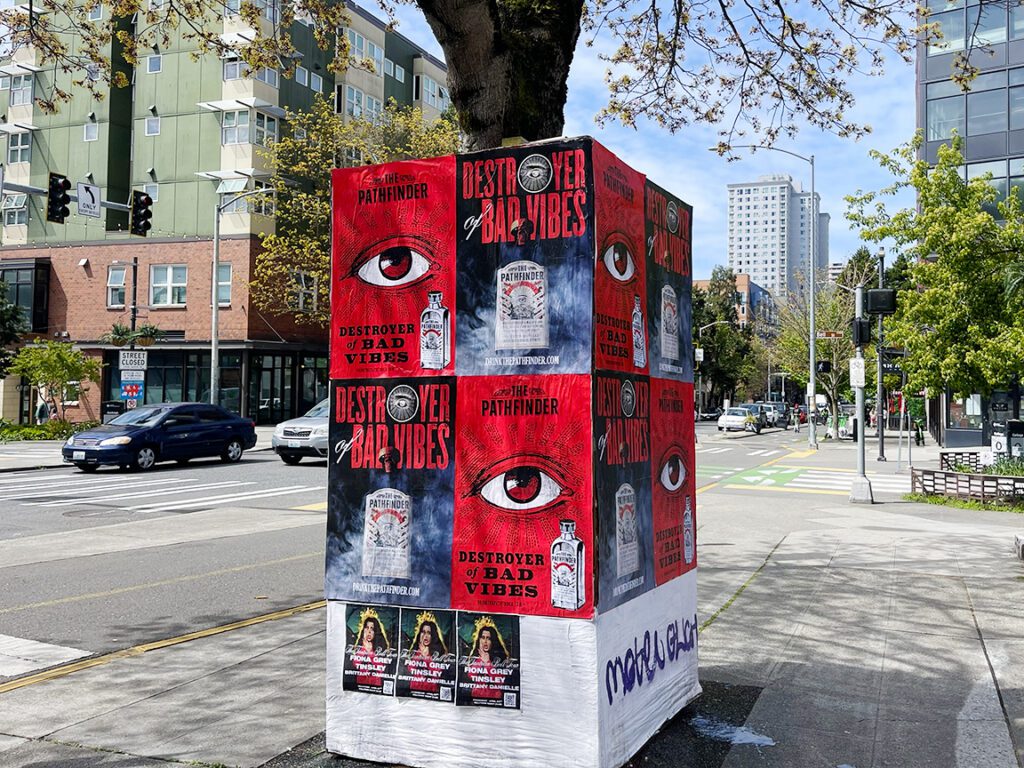
Poster and street-level advertising around retail locations reinforces brand awareness for consumers moving through the neighborhoods where they buy. A poster campaign within a few blocks of every convenience store in a target neighborhood keeps the brand visible in the consumer’s mental category every time they walk past.
We have run energy drink campaigns in neighborhoods like the Wicker Park area of Chicago, along the food truck corridors of Austin, and at major university campuses where the young adult energy drink demographic is most concentrated. Physical presence in those specific locations, combined with geo-targeted digital follow-through, creates layered consumer contact that builds awareness faster than either channel alone.
Energy Drinks and Event Marketing Strategy
Events are one of the most powerful marketing channels for energy drink brands. The combination of physical activity, long hours, high energy requirements, and large concentrations of the target demographic makes events an ideal environment for both sampling and brand building.
Music festivals are a primary event category for energy drink marketing. Coachella, Bonnaroo, Lollapalooza, and hundreds of smaller regional music festivals draw the 18-to-34 demographic that energy drinks target most aggressively. Sampling at music festivals reaches consumers at peak consumption moments. They are outdoors in the heat, they are active for many hours, and they want energy to sustain the experience through the day and into the night.
Sports events are equally important. The energy drink category built its early cultural credibility through association with extreme sports, motorsports, and action sports. Red Bull’s strategy of sponsoring athletes in snowboarding, skateboarding, cliff diving, and Formula 1 racing built brand identity through genuine cultural integration rather than traditional advertising. That strategy turned Red Bull into one of the most valuable brand entities in the world.
Esports and gaming events have become a major growth frontier for energy drink brands targeting the Gen Z market. Brands like Gamersupps, Ghost, and G Fuel have built their entire brand identities around gaming culture and the specific performance demands of competitive gaming: sustained focus, reaction speed, and cognitive endurance during long sessions. Their marketing is concentrated on streaming platforms like Twitch and at live esports events where their audience is physically present.
College campuses are perennial event marketing targets for energy drink brands because of the concentration of the core demographic, the culture of high-demand performance occasions like finals week, and the power of peer influence in campus communities. Campus sampling programs that target library entrances, gym lobbies, and student union spaces during peak study periods reach students at exactly the moments when they are most receptive to an energy product message.
The Energy Drink Market and Competitive Positioning
The US energy drink market is one of the most competitive beverage categories in the country. Red Bull and Monster hold dominant market share. But the category has fragmented significantly as functional beverage trends have driven growth for brands like Celsius, Ghost, PRIME, Reign, and dozens of smaller specialty brands.
The marketing battleground for energy drinks has shifted from mass broadcast to highly targeted channel and location-specific strategy. The biggest brands can still run national TV campaigns. Smaller brands compete effectively through precise location-based marketing, community-level sampling, and social media channels where authentic content from real users carries more weight than polished production.
Location strategy is particularly important for new energy drink brands entering distribution in specific markets. The first goal is getting on shelf. The second goal is getting off shelf. That second goal requires consumer awareness and trial in the specific geographic market where the product is available. Street-level sampling, Google Maps optimization for retail partners, and neighborhood-level digital targeting work together to drive trial in the exact locations where the product is actually purchasable.
Natural and Better-for-You Energy Drink Ingredients
A growing segment of the energy drink category is oriented around natural ingredients and cleaner formulations. These brands respond to consumer demand for functional energy without the synthetic ingredients and high sugar content of traditional formulas.
Clean caffeine brands source their caffeine from green tea extract or organic coffee rather than synthetic caffeine anhydrous. They often use natural sweeteners like monk fruit or stevia instead of high fructose corn syrup or artificial sweeteners. They highlight natural amino acids, adaptogens like ashwagandha, and herbal ingredients like rhodiola in their formulations.
The marketing of these brands leans heavily into lifestyle and wellness positioning. They target the same health-conscious, active consumer who shops at Whole Foods, practices yoga, and reads food ingredient labels carefully. Their location-based marketing targets the gyms, yoga studios, natural grocery stores, and fitness-oriented neighborhoods where that consumer lives and shops.
Building an Energy Drink Sampling Program That Converts
Sampling is the most direct path from brand awareness to product trial in the energy drink category. When someone tastes a product they have never tried, and they enjoy the experience, the likelihood of a first purchase increases dramatically. But sampling programs fail when the execution is lazy. Handing a can to someone walking past a table is not a sampling program. It is a distribution exercise.
Effective sampling starts with location targeting. The right location concentrates the right consumer at the right moment. A sampling station outside a 24 Hour Fitness at 6:30 AM catches gym-goers who are already thinking about energy and performance. A sampling station at a 5K finish line catches runners who just depleted their energy and want to recover. A sampling station at a college library entrance during finals week catches students who are running on empty and need to focus. Each of these contexts creates a moment where the product’s benefit is immediately relevant and the consumer is in the ideal state of receptivity.
Staff quality is the second variable. The brand ambassador running the sample station needs to be more than a person holding cans. They need to know the product. They need to understand the ingredients and be able to explain what the drink actually does without sounding like they are reading from a script. They need to be able to identify the consumer who is skeptical and engage them differently than the one who is already a fan of the category. A trained brand ambassador who genuinely believes in the product converts at two to three times the rate of an untrained one just filling a shift.
Data capture during sampling matters more than most brands realize. A sampling event where no contact information is collected produces trial but no follow-through. The consumer tries the product and either buys it or doesn’t. If they don’t, the relationship ends there. But if sampling includes a simple data capture mechanism, a QR code for a discount on the next purchase, a social follow incentive, a sign-up for a community newsletter, that trial moment becomes the beginning of an ongoing relationship. The long-term value of a sampled consumer who converted to an opt-in contact is many times higher than a sampled consumer who walked away without any follow-through mechanism.
How important is retail location to energy drink sales?
Retail location is critical. Energy drinks are impulse and occasion-based purchases. Distribution in the right retail channels, specifically convenience stores, gyms, gas stations, and entertainment venues, determines whether a brand has access to consumers at the moments of highest purchase intent. Distribution strategy is as important as marketing strategy in this category.
Frequently Asked Questions
What are the main ingredients in energy drinks?
The core ingredients in most energy drinks are caffeine, taurine, B vitamins (especially B3, B6, and B12), sugar or artificial sweeteners, and water. Many brands also include guarana, ginseng, L-carnitine, inositol, and other herbal or amino acid ingredients that vary by brand and formulation.
How much caffeine is in a typical energy drink?
A typical 16-ounce energy drink contains around 160 milligrams of caffeine. Some brands are higher, with some products containing 200-300 milligrams per can. Sugar-free and performance-oriented brands sometimes contain more caffeine than traditional formulas. The FDA considers 400 milligrams of caffeine per day safe for healthy adults.
How do energy drink brands use Google Maps for marketing?
Energy drink brands and their retail partners optimize Google Business Profiles to appear in local product searches. They run location-based ads on Google Maps that surface when consumers search for energy drinks nearby. They also use geo-targeted digital advertising to reach consumers who are physically near retail locations that carry their product.
What is geo-targeted marketing for energy drinks?
Geo-targeted marketing concentrates digital ad exposures on consumers who are physically near specific locations, like retail stores, gyms, or events where the energy drink is available or the target consumer is present. It matches the right product message to the right person at the right location at the right time.
What are natural energy drink ingredients?
Natural energy drink brands commonly use green tea extract or organic coffee for caffeine, monk fruit or stevia for sweetness, adaptogenic herbs like ashwagandha and rhodiola, and natural amino acids. They avoid synthetic caffeine, artificial sweeteners, and artificial colors found in many traditional energy drink formulas.
How do new energy drink brands build local market awareness?
New energy drink brands build local market awareness through targeted sampling campaigns at gyms, music events, and food festivals; location-optimized digital advertising around retail locations; Google Maps optimization through retail partner profiles; and street-level presence in neighborhoods where the target demographic concentrates.
What is the fastest-growing segment of the energy drink market?
Better-for-you and natural energy drinks are among the fastest-growing segments. Brands like Celsius, which positions around fitness and calorie-burning claims, have grown rapidly by capturing health-conscious consumers who want functional energy without the sugar and artificial ingredients of traditional formulas.