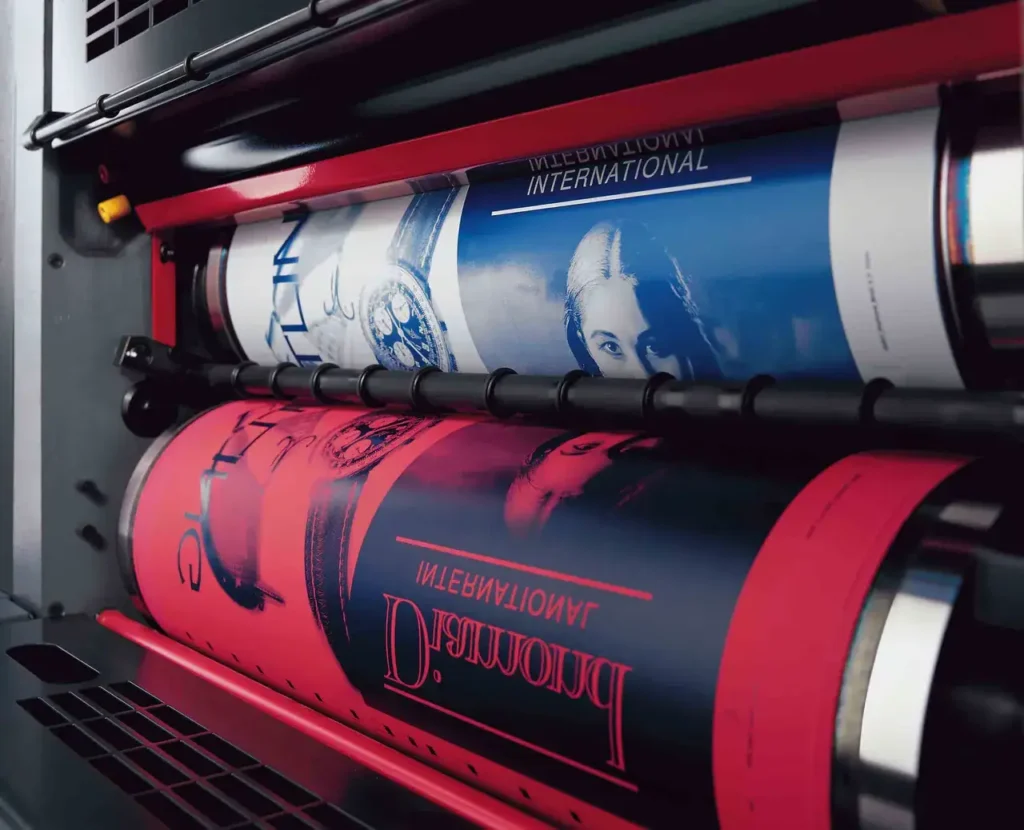
Media production is the input layer of advertising, the creative work that determines whether a campaign’s strategy ever reaches the audience with any impact. Every media channel has different production requirements, and the brands that misallocate production budget (spending television money on social content or under-investing in production for high-cost media placements) get predictably poor returns. In 2026, the production space has been fundamentally reshaped by three forces: AI-assisted production tools that reduce cost and accelerate timelines, the explosive growth of short-form vertical video as a primary advertising format, and the continuing divergence of channel-specific requirements that make one-size-fits-all production economically unworkable. This guide covers what effective media production looks like across every major channel, what it costs, and where AI helps versus where it doesn’t.
Why Media Production Decisions Determine Campaign Outcomes
The most expensive media buy in the world delivers zero return if the creative doesn’t work. A $50,000 Times Square digital billboard placement filled with a poorly produced asset, bad resolution, unreadable text, weak visual hierarchy, is $50,000 wasted. A $4,500 street poster campaign deployed with low-resolution printed posters that don’t read from sidewalk distance is $4,500 wasted. The production investment determines whether the media investment does anything at all.
Production quality requirements are channel-specific and non-negotiable. What “quality” means for a TikTok ad is completely different from what it means for a 4K digital billboard or a cinema pre-show spot. Brands that treat production as a single line item, “we have X budget for creative”, without differentiating production requirements per channel consistently underperform. The channel-aware production strategy, understanding exactly what quality threshold is required for each channel and allocating production spend accordingly, is the foundation of efficient advertising investment.
Video Production for Digital Channels: The 2026 Landscape
Short-Form Vertical Video (TikTok, Reels, YouTube Shorts)
Short-form vertical video is the dominant advertising format for reaching audiences under 40 in 2026. TikTok, Instagram Reels, and YouTube Shorts collectively reach billions of users daily. The production requirements for this format are counterintuitive to brands accustomed to broadcast production standards: high production value is not only unnecessary but can actively reduce performance.
The format rewards what Envato’s 2026 video marketing trends analysis calls “lo-fi authentic storytelling”, content that looks like it was shot on a phone by a real person, with natural lighting, real locations, and imperfect audio. Over-produced video creative in short-form feeds signals “this is an ad” immediately, triggering the skip response or scroll. The brands that consistently outperform in TikTok and Reels advertising use creator-style production: vertical orientation, authentic voice-over or on-camera presentation, user-generated aesthetic, and creative that would feel native in the feed without the brand logo.
Production cost for effective short-form vertical video advertising: $500–$5,000 per deliverable when produced by a creator or creator-style production team. This is dramatically lower than traditional broadcast video production, but it requires a different creative approach, not just a smaller crew. Putting a brand’s existing TV spot into a TikTok wrapper produces the worst of both worlds: the high production value that signals “ad,” without the storytelling mechanics that drive TV advertising effectiveness.
Connected TV and Pre-Roll Video
CTV and online video pre-roll advertising require broadcast-quality production, but the creative mechanics differ significantly from traditional television. CTV audiences can’t skip ads in the same way they can ignore cable TV commercials, but they are increasingly sophisticated about advertising quality. A CTV ad that looks like it was produced on a $2,000 budget in a market where the viewer is seeing high-quality Netflix production immediately before it creates a brand quality signal problem.
CTV spots typically run 15 or 30 seconds, with the first 3–5 seconds being the critical hook window. Audience is committed (no skip), but attention is primed toward the program content they’re waiting to resume. Production requirement: high visual quality, strong opening hook, clear and memorable brand identification, and a creative format that works for a lean-back television viewing context rather than the phone-in-hand mobile context.
Production cost for a broadcast-quality 30-second CTV spot: $15,000–$75,000 depending on production complexity (live action vs. animation, talent requirements, location and set needs). AI production tools are reducing some of these costs, AI-assisted motion graphics, AI-generated voiceover, and AI video editing tools can reduce post-production labor costs by 30–50% on simpler productions.
AI-Assisted Video Production in 2026
The 2026 video production environment is defined by AI-assisted workflows that accelerate execution without replacing strategic creative direction. Tools like Adobe Firefly, RunwayML, Sora, and Google’s Veo are being used to generate background environments, produce creative variations at scale, create motion-graphic elements, and assist with editing workflows.
The practical application that’s generating the most advertising value: creative adaptation at scale. A brand that produces one hero video concept can use AI tools to adapt that concept across 50+ format and size variations, different aspect ratios, different duration cuts, different language dubbing, different background variations, in hours rather than weeks. The strategic and directorial work remains human; the production labor of format adaptation is increasingly automated.
What AI cannot currently do reliably: produce original live-action footage, cast and direct real talent, create genuinely novel creative concepts, or manage the complex logistical production of location-based shoots. AI is a production accelerator and adaptation tool, not a creative replacement.
Print and Physical OOH Production: Where Quality Is Non-Negotiable
Billboard and DOOH Creative
Outdoor advertising creative, for static billboards, digital DOOH screens, transit shelter panels, and street poster campaigns, has specific production requirements that differ from all digital channels. The viewer is further away, has less time, and has less ability to re-engage with the content. The 7-word rule for billboards is a production constraint, not just a creative preference: more than 7 words on a billboard produces a message that most drivers and pedestrians won’t read in the available viewing window.
Digital DOOH creative has additional technical requirements: specific pixel dimensions per screen (each vendor provides these), file format specifications (usually MP4 or MOV for animation, PNG or PDF for static), maximum file size for network transmission, and frame rate requirements. A billboard creative that’s produced to general specs without reference to the specific screen’s technical requirements will be rasterized or reformatted in ways that reduce quality. Always get the technical spec sheet from the vendor before producing creative for digital OOH.
Street poster advertising and Wheat Paste Print Production
Print production for street poster campaigns, the posters that AGM installs in markets across the country, requires a specific understanding of how paper posters appear in outdoor environments. Resolution requirement: minimum 100 DPI at final print dimensions for wheat paste posters (the viewing distance and environmental conditions are more forgiving than indoor display printing). Recommended: 150 DPI for large-format posters (40×60 and above).
Color management is critical. CMYK print color profiles produce different results than RGB screen color. Bright reds that look vibrant on a screen can appear dull in print with standard CMYK profiles. Request printer color profiles from your print vendor and convert all artwork to those profiles before sending final files. Brands that skip this step get posters that don’t match their brand color standards, a meaningful quality problem when 100 posters go up overnight in a target neighborhood.
Paper stock affects both visual quality and paste adhesion. Uncoated paper (100# text weight is AGM standard) accepts wheat paste adhesive well and has a matte, tactile quality that reads as authentic street art. Coated or glossy stock resists paste adhesion and can look inauthentic in street contexts, avoid it for wheat paste campaigns even if the brand’s standard print materials use coated stocks.
Audio Production for Radio and Podcast Advertising
Audio-only advertising, radio spots, podcast mid-roll ads, streaming audio, requires production discipline that video-focused creative teams often underestimate. Without visual context, audio advertising carries the full persuasive load through voice, sound design, and script alone. A poorly cast voice actor, a generic music bed, or a script that buries the key message under filler language produces a radio spot that listeners tune out within 5 seconds.
The highest-performing radio creative leads with the listener’s problem, not with the brand’s name. The brand name comes after the hook has established relevance. Sound design differentiates: a distinctive sonic identity (a specific music sting, a memorable sound effect, an unexpected audio environment) creates brand recognition at the ear level equivalent to a distinctive visual identity at the eye level. Production budget for a quality radio spot: $1,500–$5,000 for script, voice talent, music licensing, and studio recording.
Allocating Production Budget Across a Multi-Channel Campaign
A practical production budget allocation framework for a multi-channel campaign:
Hero creative (CTV/video): 40–50% of production budget. This is the most expensive and most impactful format. The hero video concept is the brand’s primary expression and will be adapted for other channels.
Adaptation and format variations: 20–30% of production budget. AI tools are reducing this percentage by automating format adaptation, but human quality control of adapted assets is still required. This covers social variations, digital display sizes, OOH adaptations, and audio adaptations for radio.
Physical OOH and print production: 10–15% of production budget. Covers final print production, color management, and format-specific adaptations for billboard, transit, and street poster advertising formats.
Reserve for in-campaign creative optimization: 10–15% of production budget. A/B testing requires creative variations. Reserve production budget for producing winning variations identified through testing rather than committing the entire budget to pre-approved creative before any performance data exists.
Modern Media Production Is a Versioning Problem as Much as a Creative One
Digital channels multiplied the number of assets brands need, but the harder challenge in 2026 is not simply making more content. It is building a production system that can version one idea across formats, lengths, platforms, and markets without losing coherence. Teams now need a hero cut, vertical edits, social stills, short hooks, caption-safe graphics, and often localized variants for paid and organic distribution. Production is no longer a single deliverable. It is an operating model.
That shift is why collaborative workflows and rights management matter so much. Current media-production commentary keeps pointing to faster iteration, remote review, and better decision-making through digital tools. Those gains are real, but only when a team knows what assets exist, what rights attach to them, and how quickly they can be reworked for the next placement. Sloppy file management creates expensive rework, legal risk, and avoidable launch delays.
Production Has to Start Closer to Distribution
The old sequence was concept first and channel adaptation later. In the digital age, production planning should start with distribution reality. A wall poster, a six-second cutdown, a TikTok hook, and an LED truck loop all impose different creative constraints. If the content is designed without those endpoints in mind, the brand ends up forcing one asset into channels it was never made to fit.
That is where production partners become strategic. They help brands shoot modular footage, capture extra product detail, plan for silent viewing, and create enough coverage to support paid testing. Great production in 2026 is not just beautiful. It is adaptable, rights-cleared, and engineered to travel across the full campaign mix.
Production Discipline Protects Media Efficiency
Every wasted shoot day, missing cutdown, or unclear usage right eventually shows up as higher media costs because the team has fewer viable assets to test and deploy. That is why production should be scoped with media performance in mind from day one. Modular shoots, clean metadata, clear approvals, and channel-specific export planning are not boring back-office tasks. They are the infrastructure that lets a campaign move fast once distribution begins.
If your team needs field-ready creative built for posters, activations, mobile screens, and local rollouts, AGM can help shape a production plan that travels across the campaign mix. Start here: americanguerrillamarketing.com/contact.
Frequently Asked Questions About Media Production in Advertising
What’s the most important production investment for a brand in 2026?
A strong short-form vertical video library for digital channels (TikTok, Reels, YouTube Shorts), because this is where audience attention is most concentrated for under-40 demographics and where the production cost-to-reach ratio is most favorable. A brand without native vertical video content is invisible in the most-watched advertising format of the current era.
How has AI changed advertising production?
AI has materially reduced the cost and time required for: format adaptation, creative variation generation, background and environment generation, post-production motion graphics, and voice synthesis for simple voiceover work. It has not replaced: strategic creative direction, live-action production, talent casting and performance direction, brand strategy, or the human judgment required to evaluate whether creative will actually resonate with a target audience.
What production mistakes most often waste media budget?
Repurposing television creative for digital and OOH channels without format-native adaptation. Under-investing in production for high-cost media placements (a $50,000 OOH buy with $500 creative production is a poor allocation). Over-investing in production for low-CPM digital channels where lo-fi authentic content outperforms high production value. And producing too little creative to sustain campaigns without fatigue, a single video asset will exhaust its effective reach faster than most brands plan for.
How much does street poster advertising print production cost?
Print production for 100 24×36 inch posters (AGM standard campaign size) runs $200–$600 depending on quantity, paper stock, and print vendor. 40×60 inch large format prints run $8–$15 per sheet. Design adaptation from existing brand assets for proper OOH dimensions runs $200–$500 for a competent designer. Full artwork-from-scratch design for a poster campaign: $500–$2,000.
Contact American Guerrilla Marketing at americanguerrillamarketing.com/contact for print production coordination and OOH creative guidance for physical campaign formats.
Production Scheduling: Why Turnaround Speed Matters
In 2026, the production advantage is not just quality. It is velocity. The brands that win are able to concept, produce, adapt, test, and relaunch creative faster than the market shifts around them. That doesn’t mean rushing everything. It means structuring production so versioning and iteration are expected from the start rather than treated like exceptions.
We see this clearly in OOH adaptation. A brand that produces one hero idea and plans the poster, social cutdowns, LED truck loop, and transit adaptation together gets to market faster and with better consistency. A brand that treats each channel as a separate production afterthought ends up with mismatched creative and slower launches.
Extra FAQ
What part of production should never be underfunded?
Concept clarity. A weak idea shot beautifully is still a weak ad. Production value can enhance strategy, but it cannot rescue a message that was never clear or compelling in the first place.
How should brands budget for revisions?
Assume revisions are part of the process, not a failure of planning. Reserve budget for resizes, alternate cuts, headline swaps, and performance-based updates. Campaigns that spend every dollar before testing leave themselves no room to improve.
Channel Adaptation Is a Production Skill
Great media production is not just making one master asset. It is adapting the idea for the environments where it will live. A 16:9 hero video may anchor the campaign, but that same concept needs vertical cuts for Reels, short loops for LED trucks, high-contrast stills for posters, and maybe silent captioned edits for feed placement. Brands that plan this adaptation at concept stage produce more coherent campaigns and waste less money in post.
Production teams should also plan for documentation from the beginning. If a campaign includes live events, OOH, or street work, assign someone to capture stills, crowd reaction, and behind-the-scenes material. Those assets usually become some of the most useful downstream marketing content.
Budget Table
| Production Item |
Typical Cost |
| Simple social shoot day |
$2,000-$7,500 |
| Commercial crew day |
$10,000-$50,000+ |
| Post-production edit package |
$2,500-$15,000 |
| Versioning / cutdowns |
$1,000-$5,000 |
FAQ Additions
Why do some high-budget productions still fail?
Because polish cannot replace strategic clarity. If the audience, message, or offer is off, the footage quality won’t save it.
Should brands build internal production capability?
Often yes for recurring content needs, but specialized external crews still make sense for major campaign moments and technically demanding shoots.
Frequently Asked Questions
The Role of Media Production in the Digital Age: What Brands Must Get Right in 2026 generates better results when placement, timing, creative, and local execution all work together. These questions cover the details brands usually need before launch, during rollout, and while evaluating performance.
Why is media production more important now than before?
Brands now need a steady flow of visual, audio, and written assets across more channels than ever. Production quality affects how credible, watchable, and shareable those assets feel.
What counts as media production today?
It includes video, photography, audio, design, editing, motion graphics, live capture, and the systems used to turn raw ideas into published campaign assets.
Does every brand need high end production?
No. The right production level depends on the audience, platform, and goal. Some campaigns need polished assets, while others work better with faster and more natural content.
How do you decide where to invest in production?
Invest where the asset has the most use. Hero videos, product demos, campaign photos, and reusable brand visuals often justify more effort than disposable content.
What is the biggest production mistake brands make?
Creating assets without a distribution plan is a common mistake. Good production should serve a real campaign need, not just look impressive in isolation.
How can smaller teams improve media production?
Use better planning, tighter shot lists, clear templates, and repurposing systems. Strong process often improves output more than expensive gear alone.
Why does speed matter in digital media production?
Because timing shapes relevance. Brands that can produce useful content quickly are better positioned to support launches, trends, and campaign changes without losing momentum.
How do you balance quality and volume?
Set different standards for different asset types. Hero content can take longer, while support content should move faster with simpler approval and editing steps.
Can media production affect conversions?
Yes. Better visuals, clearer demonstrations, and more polished storytelling often increase trust and make calls to action easier to believe.
How do you measure media production success?
Measure the performance of the assets it creates, including watch time, engagement, click through, lead quality, sales impact, and how efficiently the team can reuse content.
Related Pages and Articles