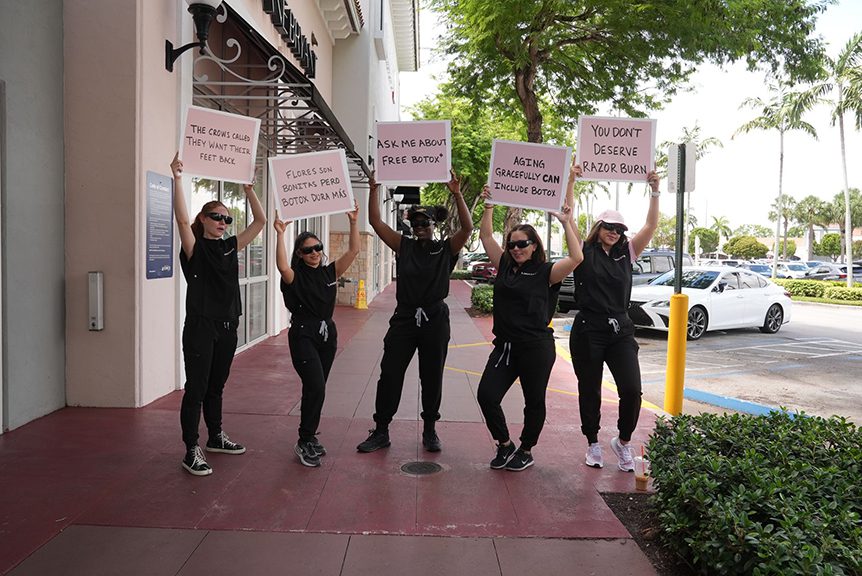
College students know the difference between a brand that belongs in their world and one that paid its way in. The programs that work are the ones designed around student culture from the inside, not the outside.
Building brand presence in college markets requires a fundamentally different approach than building brand presence in general consumer markets. College students are not simply a younger version of the broader consumer audience — they represent a distinct cultural context with its own communication norms, influence structures, brand relationship dynamics, and skepticism filters. Applying generic consumer marketing approaches to the college audience produces predictably mediocre results.
Student-centered brand activation services are specifically designed around how college students actually discover, evaluate, and adopt brands — through peer recommendation and community membership more than through advertising, through genuine product experience more than marketing claims, and through brands that demonstrate real understanding of and respect for student culture more than brands that perform cultural relevance through surface-level execution.
The brands that have built genuine strength in college markets over time — Red Bull as the iconic example, but also many newer direct-to-consumer brands in food, beverage, beauty, and lifestyle categories — have done so by investing in authentic community relationships over sustained periods, not by running single-campaign activations and moving on.
The fundamental difference between student-centered brand activation and standard campus activation is the inside-out versus outside-in design orientation. Standard campus activation sends an external team to where students are and tries to engage them. Student-centered activation builds programs from within the student community, using embedded student representatives and cultural insight to create brand encounters that feel natural rather than imposed.
This distinction has practical implications for every element of the program design.
Ambassador Selection: Genuine Affinity Over Demographic Match
Student-centered activation programs use enrolled students as the primary brand representatives. The selection criterion that matters most is not demographic alignment (the ambassador is a college student, which is the minimum requirement, not a qualification) but genuine affinity with the brand. A student who actually uses the product, believes in its quality, and would tell their friends about it regardless of any brand relationship is the right ambassador. A student who signed up for the job because it pays and the free product is a nice perk is not.
This selection distinction sounds simple but requires genuine commitment in the recruitment process. Screening for actual brand users, for students who express genuine enthusiasm about the product category, and for individuals whose personal social identity and community standing align with the brand’s intended positioning in the campus market — these are more demanding criteria than availability and appearance standards. They are also the criteria that determine whether the ambassador program generates authentic cultural presence or merely creates another source of inauthentic brand content.
Activation Design: Events Students Would Choose Anyway
The best student activation events are ones that students would want to attend regardless of the brand’s presence — the brand just makes them better or makes them possible. A brand that sponsors a student music showcase, a study break event during finals, a campus cultural celebration, or an athletic competition provides genuine value to the student community in a way that is inseparable from the brand association. Students attend because the event is good, and the brand benefits from the authentic positive association that creates.
Compare this to a brand that shows up with a folding table and branded merchandise and asks students to stop and listen to a product pitch. The first approach creates a memory associated with a positive experience. The second creates a vague awareness of having been marketed to. The experiential quality difference is stark, and it directly determines the brand affinity outcome.
Content Strategy: Student-Native Social Formats
College students communicate primarily through platforms and formats that are native to their demographic. The content strategy for a student-centered activation program needs to be built around the platforms and content types that the target student demographic actually uses — not the platforms the brand’s general marketing team is most comfortable managing.
This requires cultural humility: understanding that what works on a brand’s main social channels may not be what works in college social culture, and being willing to create content that feels authentic to the student context even if it departs from the brand’s standard creative approach. Student ambassadors who produce content in their own voice, for their own audiences, with the brand as a natural presence in their world, consistently outperform polished brand-produced content targeted at the student demographic from the outside.
The most effective student brand programs are the ones where, if you asked students about the brand, they would say “yeah, they’re around, they do a lot for students, I use them” rather than “yeah, I saw them advertising on campus.” The second is awareness. The first is community presence.
Building a Student Ambassador Network
The ambassador network is the operational core of a student-centered brand activation program. Building it requires the same kind of systematic approach as any other marketing capability investment.
Recruitment: Campus-specific recruitment targeting students who are active in relevant communities — fitness clubs, food and beverage culture, creative organizations, academic programs aligned with the brand’s category. Application processes that screen for genuine brand affinity alongside communication capability and social presence.
Training: Brand training that gives ambassadors the product knowledge, brand story, and positioning context they need to represent the brand credibly to their peers. Training that covers not just what to say but how to integrate brand representation naturally into their social life without making their peer relationships feel transactional.
Activation framework: A defined set of activities ambassadors are responsible for over the semester — specific events, specific social posting commitments, specific campus presence requirements — alongside the flexibility to create organic brand encounters as opportunities arise in their natural social environments.
Quality management: Regular check-ins with ambassadors, content review to ensure brand standards while allowing authentic voice, performance assessment against activity commitments, and a feedback loop that lets ambassadors share what is resonating with their peers and what is not.
Campus Access and Event Programming
Accessing campus environments for brand activation requires advance coordination with university administration. Most universities have developed formal processes for brand partner access that vary from relatively open to quite restrictive. Understanding each campus’s specific access environment is part of the operational planning for any student activation program.
Universities that have formalized corporate partner programs often provide the most predictable and well-supported access. These programs typically include defined activation areas, promotional support through university communications, and clear timelines for planning and approval. The trade-off is often exclusivity restrictions — a brand may need to be the only approved partner in its category to participate.
Event-anchored activation — building the brand presence around a specific student event that the brand is sponsoring or co-producing — is often the most effective access strategy for brands that want meaningful campus presence without the constraints of a formal corporate partnership program. An event that adds genuine value to the student community opens doors that straight commercial activation requests do not.
Student activation programs are typically longer-term investments than single-campaign activations, which requires a measurement framework that captures both immediate and longitudinal outcomes.
Immediate measures include: activation event attendance, product samples distributed, CRM captures (app downloads, email sign-ups, social follows), social content generated from ambassador and event activity and its engagement rates, and any direct sales generated at activations.
Longitudinal measures include: purchase frequency among students acquired through the program, brand awareness and consideration tracking at the university over time, ambassador social audience growth, and the brand’s reputation in the student community as assessed through periodic surveys or anecdotal qualitative research.
Brands that commit to multi-year student activation programs typically see compounding returns: the brand presence builds in the campus community over time, new cohorts of incoming students encounter the brand through existing student community members who are already fans, and the ambassador alumni who graduate take their brand preference into the broader consumer market.
Digital-Physical Integration in Student Programs
Student-centered brand activation programs are inherently well-suited for digital-physical integration because the student demographic is among the most fluent digital native audiences in the consumer market. Campus-based physical activations create the most valuable digital content precisely because the audience is predisposed to capture and share it, and the campus environment — with its distinctive visual character, its sense of community and belonging, and its strong social media culture — provides a natural amplification mechanism for content created at student activation events.
The integration architecture for student programs typically connects physical activation touchpoints to three digital channels: the brand’s owned social content platforms (Instagram, TikTok), the student ambassador network’s social channels (which reach authentic peer communities), and the brand’s CRM (which captures and continues the consumer relationship created at the physical activation). Each channel plays a different role in the overall program.
The brand’s owned social channels document the activation program from the brand’s perspective, creating content that demonstrates the brand’s presence in student culture and builds platform following among the student demographic. The ambassador network’s channels distribute authentic peer-to-peer content that reaches student audiences through relationships of trust rather than brand broadcast. The CRM captures the consumer contact information that converts a one-time student encounter into a continuing brand relationship.
Student Ambassador Social Content Standards
One of the most important design decisions in a student ambassador program is the balance between creative freedom and brand standards in social content. Ambassador content that is too controlled — required to follow a specific script or template — loses the authenticity that makes peer-to-peer content valuable. Ambassador content that is completely unguided produces inconsistent quality and occasional brand standard violations that require after-the-fact correction.
The most effective approach is establishing clear brand standards for what ambassadors cannot do (mention competitor products, make unsubstantiated claims, use prohibited language), combined with creative encouragement within those constraints. Ambassadors who understand the brand’s values and positioning, and who genuinely share those values, produce content that is authentically theirs while being brand-consistent — because the alignment between their values and the brand’s is genuine rather than performed.
Measuring Student Program Effectiveness Over Time
Student activation programs require a longer measurement horizon than single-campaign activations because their primary value is in building brand loyalty during a formation period that generates long-term returns. This longitudinal value makes student programs inherently harder to justify on short-term ROI frameworks and requires more patient measurement approaches.
The most rigorous measurement framework for student programs tracks a cohort of students from first brand contact through multiple subsequent purchase cycles. A student who encounters the brand at a move-in activation in September, makes a first purchase in October, and continues purchasing through junior and senior year and into the post-graduation professional market represents an individual lifetime value trajectory that justifies the initial activation investment by an order of magnitude. Building the CRM infrastructure to track these cohort trajectories — connecting the activation encounter at the beginning of the student process to purchase behavior over subsequent years — is the measurement investment that proves the student program’s business case most rigorously.
Brands that make this measurement investment consistently find that student-acquired consumers outperform other acquisition channels on lifetime purchase value in categories with strong consumption habits (beverage, personal care, food), on referral behavior within peer networks, and on brand advocacy and social sharing rates. These downstream performance advantages are the business case for student activation investment, and they require the measurement patience to observe and document rather than the short-cycle ROI frameworks that measure immediate purchase response.
Working with University Partners and Student Organizations
The most sustainable access model for on-campus brand activation is through genuine partnerships with the university itself and with specific student organizations whose members are the brand’s target audience. These partnerships create access that is more reliable, more co-promoted, and more culturally aligned than anonymous commercial activation in public spaces.
University institutional partnerships through the student services, career development, or programming offices provide formalized access to campus activation spaces, events, and communications channels. These partnerships often involve a commercial arrangement (a sponsorship fee or product donation) alongside the access arrangement, and they create a platform for the brand’s on-campus presence that is officially endorsed by the institution. That endorsement carries meaning with a student audience that is looking for brands that are genuinely invested in the campus community rather than just trying to sell to it.
Student organization partnerships provide access to specific, pre-qualified audience segments within the broader student population. A fitness-focused brand that partners with the university’s running club, CrossFit club, and intramural sports league reaches exactly the active student consumer segment it needs without the noise of a broader campus activation. These partnerships are typically built on product provision (giving the organization product to use and share) combined with event activation access at the organization’s events. They are often more cost-effective and more audience-targeted than general campus activation, and the authenticity of the endorsement by student organization members creates peer credibility that general brand presence cannot generate.
Agency Selection and Program Management
The agency that manages your brand activation program is one of the most consequential choices in the entire program lifecycle. The difference between an agency that brings genuine strategic thinking and operational discipline to the work versus one that focuses primarily on winning the pitch and delivering adequate execution is the difference between a program that generates measurable business results and one that generates activity metrics and beautiful photos but limited commercial impact.
When evaluating agencies for any activation program, the critical questions are not about creative portfolio quality — it is relatively easy to find agencies with impressive portfolios. The critical questions are about operational infrastructure and measurement rigor. What does their field execution look like in practice? How do they recruit and train staff? What does their reporting cover, and does it include honest performance assessment alongside positive highlights? What is their track record on programs comparable in scope and category to yours?
The answers to these questions reveal the operational reality behind the portfolio. Agencies with genuine field execution infrastructure answer operational questions specifically, with reference to actual processes and actual program experiences. Agencies that are primarily creative shops become vague when the conversation moves from concept to execution, from pitch to delivery, from what the activation will look like to how it will actually be staffed, routed, and measured in the field.
Building the Right Program Budget
Budget allocation across a brand activation program involves decisions about where to concentrate investment for maximum impact. The common mistake is over-allocating to visual production and under-allocating to the elements that actually determine consumer encounter quality: staff recruitment and training, location scouting and research, data capture infrastructure, and measurement design.
A rough budget allocation framework for well-performing activation programs looks something like this: 25 to 35 percent on staffing (recruitment, training, daily rates, field management), 20 to 30 percent on production (vehicle or installation, branded materials, equipment), 15 to 20 percent on logistics (routing, permits, inventory, transportation), 10 to 15 percent on agency management fees, and 5 to 10 percent on measurement and reporting. Programs that allocate significantly differently from this framework — particularly those that allocate most of the budget to production and little to staffing and measurement — consistently underperform relative to their investment level.
The Consumer Psychology Behind Effective Activations
Understanding why activations work requires a basic familiarity with the consumer psychology principles that explain why direct physical encounters create different and more durable brand relationships than media exposure. These principles are not speculative — they are grounded in well-established research on human memory, decision-making, and trust formation.
Physical experience creates episodic memory. Episodic memory — memories of specific events and experiences — encodes differently and more durably than semantic memory — memory of facts and information. When a consumer samples a product from a branded truck and has a positive experience, they form an episodic memory of that event: the place, the time, the sensory experience, the conversation with the brand ambassador. That episodic memory is more likely to surface when the consumer is in a purchase context than the semantic memory of having seen an advertisement for the same product.
Direct experience creates product certainty. For most consumer products, the primary barrier to initial purchase is uncertainty about whether the product will meet expectations. Advertising reduces this uncertainty by providing information and social proof, but it cannot eliminate it entirely because the consumer has not personally experienced the product. Direct trial eliminates the uncertainty by providing the experience itself. A consumer who has tasted a food product and liked it has eliminated the primary barrier to purchase for that product. That elimination of uncertainty is the most direct and most effective conversion mechanism available in consumer marketing.
Human interaction creates trust. Consumers are naturally more skeptical of brand communication — which they correctly understand as self-interested — than of human-to-human communication. A brand ambassador who makes a genuine recommendation, answers questions honestly (including honest answers about what the product is not best suited for), and engages as a person rather than as a corporate voice creates a trust relationship that advertising cannot replicate. The interpersonal trust created through a high-quality activation encounter is one of the most valuable outcomes the activation generates.
The Role of the Environment in Activation Effectiveness
The physical environment where an activation takes place is not a neutral backdrop — it actively shapes how consumers perceive and respond to the brand encounter. A brand activation in a context that feels culturally aligned with the brand’s identity creates a positive amplification effect: the environment endorses the brand’s positioning by association. A brand activation in a context that feels culturally misaligned creates a dissonance that reduces the effectiveness of even excellent execution.
Environmental effects operate at multiple levels. At the market level, some cities have cultures that are more receptive to brand activations in general — more comfortable with street-level consumer engagement, more oriented toward discovery of new brands, more attuned to the aesthetic quality that distinguishes a well-executed activation from a generic one. At the neighborhood level, different areas within a city have distinct cultural characters that resonate differently with different brands. At the specific location level, the particular qualities of a specific spot — its sight lines, its traffic patterns, its relationship to surrounding retail and amenities — determine its performance as an activation venue.
Investing in location intelligence — building the knowledge of which specific environments resonate with which specific brands for which specific campaign objectives — is one of the most consistently impactful investments a brand can make in its activation program quality. This knowledge is built primarily through field experience: running programs in different locations and measuring the performance differences. It is also built through systematic pre-scouting and analysis before programs launch. Both approaches contribute to the location intelligence that enables brands to place their activation programs in environments that amplify rather than undermine their brand encounters.
Working with AGM on Your Activation Program
American Guerrilla Marketing designs, produces, and manages brand activation programs across all major U.S. markets. Our work spans pop-up events, mobile truck programs, retail activation campaigns, roadshow tours, sponsorship activations, and custom experiential installations. We have operated in New York City since the company’s founding and have built the field infrastructure, retailer relationships, and staff networks that make activation programs work reliably across the markets our clients need to reach.
Our process starts with understanding the specific business objective the activation program needs to achieve. We do not accept generic objectives. We ask: what specifically needs to happen in the consumer’s mind or behavior as a result of this program? Who is the specific consumer? Where are they? When are they most receptive? What encounter design will create the behavior change the brand needs? Those answers determine the program design, not the other way around.
Our production approach prioritizes execution quality over visual elaborateness. We have consistently found that a well-positioned activation with excellent staff and a quality consumer interaction delivers more commercial value than an elaborate production with mediocre execution. We invest the budget where it generates the most value in the consumer encounter, not where it photographs best in a portfolio.
Our reporting tells clients what actually happened in the field: interaction counts, product distributed, data captured, content generated, and an honest assessment of what worked and what would be done differently. We do not produce reports designed to justify the agency’s continued engagement. We produce reports designed to help clients make better decisions about how to invest in subsequent programs.
Every activation program we manage is covered by comprehensive field documentation: daily field reports during the program, photo documentation from every activation stop, and a post-program analysis that covers performance by location and market, staff observations, and specific recommendations for subsequent program cycles. Clients who engage with this reporting seriously run consistently better programs over time because the learning compounds.
We work with brands across food, beverage, beauty, personal care, technology, and lifestyle categories. We work with emerging brands that are building their consumer base from scratch and with established brands that are defending market position or expanding into new geographies. The strategic challenges are different at each stage, but the core operational principles — field execution quality, location intelligence, staff investment, measurement rigor — apply at every scale.
If you have a specific activation objective and you are trying to determine whether there is a program format and approach that can help you achieve it effectively and efficiently, we are worth a conversation. We will tell you honestly what we think will work and what we think will not, and we will give you a specific program recommendation that reflects our genuine assessment of what will produce the results you need.
Frequently Asked Questions
What makes a brand activation student-centered?
A student-centered brand activation is designed around how students actually make brand decisions — through peer influence, cultural authenticity, and genuine experiences rather than traditional advertising messaging. It uses channels, formats, and communication styles that feel natural in student culture: peer ambassador networks, social-first content design, and experiences that students would choose to be part of even without a marketing incentive.
Why is cultural authenticity particularly important in student brand activations?
College students are acutely sensitive to inauthenticity in brand communication. They have grown up with advertising and developed sophisticated skepticism toward brands that are performing coolness or relevance rather than embodying it genuinely. Activations that feel like marketing trying to be student culture consistently underperform with college audiences. Programs that are genuinely embedded in student culture perform dramatically better.
How does a student-centered activation program differ from a standard sampling program on campus?
A standard campus sampling program delivers product trial through external brand ambassadors at a table. A student-centered activation program uses enrolled student ambassadors with genuine brand affinity, designs activation experiences around student cultural moments, integrates with student social media behavior, and treats the program as a long-term community investment rather than a one-time promotional event.
What is the typical timeline for building a student-centered brand activation program?
A semester-based student activation program requires 6-8 weeks of setup before the semester begins: recruiting and training student ambassadors, establishing campus access and event calendar alignment, building the content strategy, and preparing activation materials. Programs that run for multiple academic years compound in effectiveness as brand presence in the campus community becomes established.