Student activation marketing is the category of college marketing that does not wait for students to come to the brand. It brings the brand to students, in the physical spaces they actually inhabit, through the peer-level interactions they actually trust, and with genuine value that earns their attention rather than interrupting it.
At American Guerrilla Marketing, based at Industry City in Brooklyn, our team has built student activation programs for brands that understood this fundamental distinction. We deploy student brand ambassadors into campus environments, run product sampling at the locations and times students are most receptive, place guerrilla marketing installations in campus neighborhoods, and operate LED billboard trucks on campus-adjacent streets. The result is brand activations that meet students where they are rather than hoping students will come find the brand somewhere else.
Why Activation Marketing Outperforms Passive Advertising With Students
Passive advertising shows students a brand message and hopes they care. Activation marketing puts the brand in front of students in a way that requires genuine engagement. The difference in resulting brand memory is profound.
When a student tries a product for the first time at a well-run activation event, that brand encounter involves multiple sensory and social dimensions simultaneously: the physical taste or use of the product, the interaction with the person who gave it to them, the social context of other students around them, the positive emotional association of receiving something for free, and any conversation that occurs during the interaction. All of these dimensions encode together into a brand memory that is orders of magnitude stronger than an ad impression.
This is why brands that invest in student activation marketing consistently report higher brand loyalty among the student demographic than brands that rely on digital advertising alone. The quality of the brand relationship being built is simply different.
The Student Activation Marketing Toolkit
Our team deploys a specific set of tactics in student activation programs:
Product Trial Events: Structured sampling activations at the highest-traffic campus locations during peak student movement windows. Our team handles all logistics from staffing through supply management. The goal is to put the product directly in students’ hands in a context that makes the trial experience positive and memorable.
Campus Ambassador Activations: Ongoing ambassador programs where enrolled students represent the brand within their peer networks throughout the academic semester. These sustained peer-to-peer programs build brand relationships at the depth that one-time event activations cannot achieve.
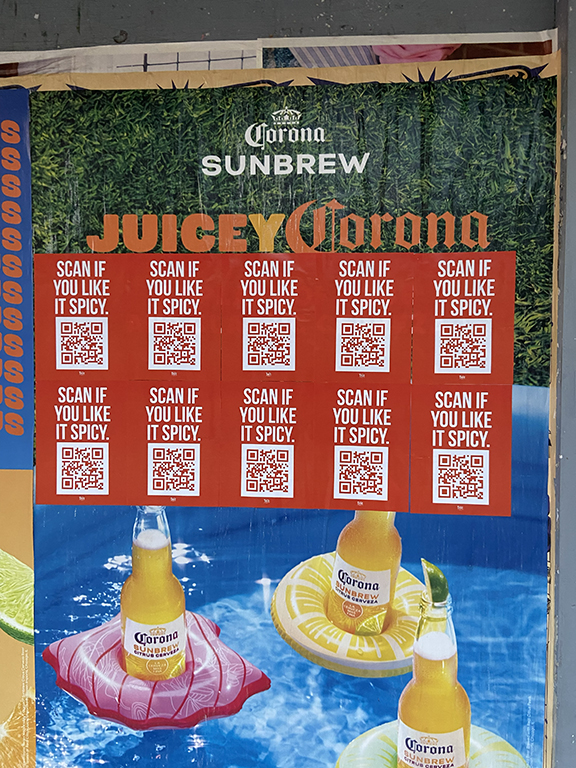
Campus Neighborhood Guerrilla Marketing: Wheatpasted art in campus residential and commercial neighborhoods, sidewalk stencils at key pedestrian locations, and branded environmental elements that students encounter in their daily movement. These create ambient activation moments that do not require students to attend or participate in anything; they simply need to walk past.
Event-Based Activations: Presence at campus events where students are concentrated, emotionally engaged, and socially active. Our team designs event activations that integrate naturally with the event experience rather than feeling like a commercial interruption. The best event activations are ones students are glad to encounter rather than ones they tolerate.
Digital Activation Bridges: Opt-in collection and QR code integrations that connect physical campus activations to digital follow-up sequences. The physical encounter creates the relationship; the digital bridge maintains and develops it after the activation ends.
Designing Student Activations for Social Amplification
College students are the most active social media documenters of any demographic. Every element of a student activation should be designed with the question: what does this look like when a student holds up their phone to capture it?
Visually compelling sampling setups that look interesting in a photo. Ambassador interactions that generate genuine smiles and warmth visible in a candid shot. Campus installations that are photographically beautiful and worth sharing. Brand moments that feel authentic rather than promotional in the social documentary aesthetic that students use to share their college experience.
When these design considerations are integrated from the beginning, student activation marketing generates organic social reach that multiplies direct exposures significantly. A campus installation that gets photographed and shared by 200 students reaches those 200 students’ combined follower networks, delivering exponential reach from a finite physical footprint.
Academic Calendar Strategy for Student Activations
The academic calendar is the most important timing variable in student activation marketing. Here is how we frame the annual calendar for activation planning:
Back to School (late August through September) is the gold standard activation window. Every subsequent window in the year is measured against it. Spring semester launch (January) is a strong secondary window. Major campus event periods throughout the year create concentrated activation opportunities. Everything else is context-dependent based on specific campus cultures and events.
We recommend that brands new to student activation marketing focus their initial investment in the Back to School window rather than distributing it evenly throughout the year. The return per dollar in this window is demonstrably higher than in any other period, and the brand habits formed at Back to School create the baseline that sustains brand relationships through the rest of the year.
What is student activation marketing?
Student activation marketing is any live, in-person marketing effort designed to create direct brand contact with the college student demographic. Activations are distinguished from passive advertising by their participatory nature: students engage with the brand actively rather than receiving a message passively. This includes sampling events, ambassador interactions, pop-up experiences, and event integrations that put students in direct contact with the brand.
How is student activation marketing different from traditional college advertising?
Traditional college advertising creates exposures from a distance through digital ads, campus publications, or static signage. Student activation marketing creates brand encounters up close, through product trial, peer interaction, and physical brand experiences. The resulting brand connection is qualitatively different and far more durable.
What makes a student activation successful?
Successful student activations are peer-driven (staffed by actual students or genuine peers), physically present in campus spaces students actually use, offer something of genuine value (real product trial, useful branded items, or genuinely interesting experiences), and are designed for the social sharing behaviors of the student demographic. They feel like a peer recommendation, not a brand promotion.
What products and brand categories work best for student activation marketing?
Consumer food and beverage brands, technology and app products, fitness and wellness brands, financial services targeting first-time customers, personal care products, entertainment and media products, and fashion and lifestyle brands all perform well with student activation. The key is that the product has genuine relevance to the student lifestyle.
When is student activation marketing most effective?
Back to School (late August through September) is the single most effective activation window. Students are in their most brand-receptive moment, new students are forming first-time brand relationships, and campus social energy is at its annual peak. Spring semester and major campus event periods are strong secondary windows. Avoid finals periods.
Can student activation marketing work for apps and digital products?
Yes. Digital products can use ambassador-driven word-of-mouth, demonstration events, and QR-code-enabled campus activations to drive student downloads and sign-ups. A student ambassador who demonstrates an app to a peer and helps them get set up in the moment creates a conversion that no digital ad sequence can match.
How do we track the ROI of student activation marketing?
Standard metrics include direct engagement counts, samples or items distributed, opt-ins and sign-ups collected, social amplification from student sharing, and for digital products, app downloads or account activations correlated with activation timing and location. We build a measurement framework for each activation before launch and deliver a complete post-campaign performance report.
Campaign Architect – American Guerrilla Marketing
Frequently Asked Questions
What is student activation marketing?
Student activation marketing is any live, in-person marketing effort designed to create direct brand contact with the college student demographic. Activations are distinguished from passive advertising by their participatory nature: students engage with the brand actively rather than receiving a message passively. This includes sampling events, ambassador interactions, pop-up experiences, and event integrations that put students in direct contact with the brand.
How is student activation marketing different from traditional college advertising?
Traditional college advertising creates exposures from a distance through digital ads, campus publications, or static signage. Student activation marketing creates brand encounters up close, through product trial, peer interaction, and physical brand experiences. The resulting brand connection is qualitatively different and far more durable.
What makes a student activation successful?
Successful student activations are peer-driven (staffed by actual students or genuine peers), physically present in campus spaces students actually use, offer something of genuine value (real product trial, useful branded items, or genuinely interesting experiences), and are designed for the social sharing behaviors of the student demographic. They feel like a peer recommendation, not a brand promotion.
What products and brand categories work best for student activation marketing?
Consumer food and beverage brands, technology and app products, fitness and wellness brands, financial services targeting first-time customers, personal care products, entertainment and media products, and fashion and lifestyle brands all perform well with student activation. The key is that the product has genuine relevance to the student lifestyle.
When is student activation marketing most effective?
Back to School (late August through September) is the single most effective activation window. Students are in their most brand-receptive moment, new students are forming first-time brand relationships, and campus social energy is at its annual peak. Spring semester and major campus event periods are strong secondary windows. Avoid finals periods.
Can student activation marketing work for apps and digital products?
Yes. Digital products can use ambassador-driven word-of-mouth, demonstration events, and QR-code-enabled campus activations to drive student downloads and sign-ups. A student ambassador who demonstrates an app to a peer and helps them get set up in the moment creates a conversion that no digital ad sequence can match.
How do we track the ROI of student activation marketing?
Standard metrics include direct engagement counts, samples or items distributed, opt-ins and sign-ups collected, social amplification from student sharing, and for digital products, app downloads or account activations correlated with activation timing and location. We build a measurement framework for each activation before launch and deliver a complete post-campaign performance report.
How early should a brand start planning?
For most campaigns, the smart move is to start planning at least two to four weeks before the launch window so production, routing, staffing, and reporting are all lined up.
What makes one market perform better than another?
Market fit depends on audience density, neighborhood behavior, route efficiency, and whether the creative belongs in that setting. The busiest city is not always the best city.
Can AGM bundle this with other services?
Yes. AGM often combines this work with supporting formats so the campaign has stronger repetition and cleaner reporting across the whole run.
How does AGM quote pages like this?
We quote from official rate cards where they apply, then scope the remaining production, staffing, and routing details to the actual job.