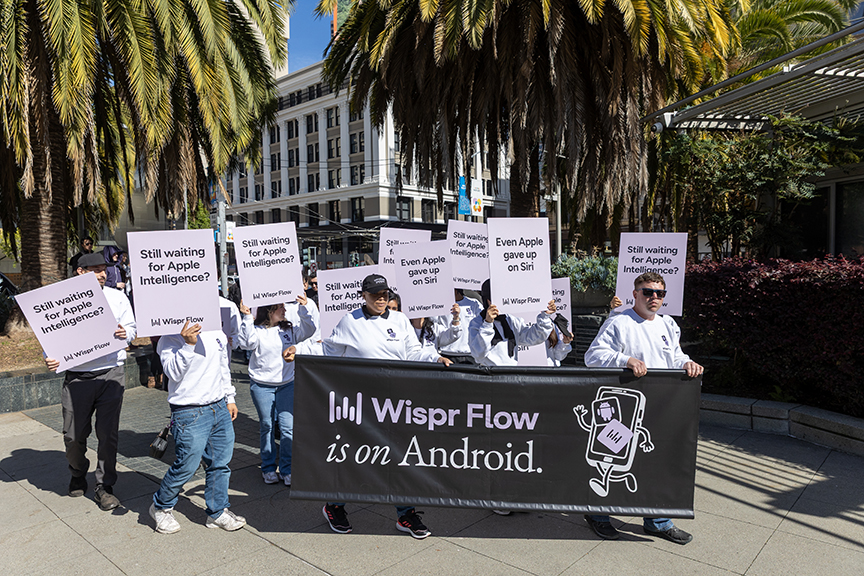
Managing a street team well is harder than it looks from the outside. The part that’s visible — well-presented people engaging the public confidently in the right locations — is the output of a significant amount of operational infrastructure that happens before the first ambassador reaches their deployment position.
This guide covers street team management from the inside: how professional operations structure recruiting, briefing, deployment, supervision, and measurement to produce consistent field performance across every campaign day. Whether you’re building an internal capability or evaluating brand ambassador agency options, understanding how the management stack works helps you identify what separates campaigns that execute well from those that don’t.
Our team at American Guerrilla Marketing has run field campaigns across 50+ U.S. markets from our base in Industry City, Brooklyn. The frameworks here reflect what actually works in practice at scale.
Recruiting: Building the Roster Before You Need It
The most reliable street team programs don’t recruit for individual campaigns. They maintain standing rosters of vetted, categorized field talent in each active market, continuously sourced and assessed so that when a campaign brief arrives, the question isn’t “where do we find people?” but “which people from our roster fit this brief?”
Sourcing Channels That Work
Quality field ambassadors come from a relatively narrow set of sourcing channels at the professional level: referrals from performing staff members, direct outreach to performing arts communities, entertainment industry networks, fitness and wellness communities, and other professional social circles where public presence and communication skills are developed as part of regular activity.
Generic job board postings produce high volume but low quality signal. The application-to-hire ratio from general postings is often 50:1 or worse, whereas referral-sourced candidates convert at much higher rates because the referring staff member has already done an informal quality screen.
The Screening Process
Effective screening has three stages. Initial screening filters on the basics: reliable communication, professional presentation, availability that matches campaign windows. The second stage — a video or in-person conversation — assesses the intangibles: natural warmth, genuine curiosity, conversational ease, and the ability to represent a brand without sounding scripted. The third stage is a supervised trial deployment on a live campaign where supervisors can assess actual field performance before the person is assigned to client-facing work.
Many candidates who perform well in the first two stages underperform in the third. Screening failure is not a failure of the process — it’s the process working correctly by keeping underperformers off client campaigns.
Briefing: Where Campaign Quality Is Determined
The pre-deployment brief is the single most important management input to field performance. Staff who walk into a deployment without a thorough brief will underperform every time, regardless of their individual talent level. The brief is where the campaign comes to life for the people who are going to execute it.
What Every Brief Must Cover
A complete pre-campaign brief covers seven areas without exception: the brand story (not just the talking points, but who the brand is and why it matters); the specific campaign objective (what the deployment is trying to accomplish in measurable terms); the audience profile (who they’re approaching, how to identify them, and what tone is appropriate for that audience); the messaging hierarchy (what to lead with, what to develop if the conversation continues, and what to leave behind on materials); operations logistics (exact positions, timing, materials handling, GPS check-in procedure); documentation requirements (what photos are needed, how interaction counts are logged); and escalation procedures (how to handle hostile interactions, media inquiries, or operational issues).
Staff who can’t accurately answer basic questions about the brand and campaign before deployment aren’t ready to deploy. A pre-deployment check-in that tests for this readiness is worth the ten minutes it takes.
Brief Consistency Across Large Teams
For campaigns with large crews, brief consistency is a real challenge. A brief delivered to ten people in a single session is more consistent than one delivered to individuals as they arrive at the deployment location. Written brief materials — short, clear, and formatted for quick review rather than comprehensive reading — reinforce verbal briefing and give staff something to reference during the campaign day if questions arise.
Deployment: Zone Architecture and Real-Time Management
Deployment planning converts the campaign brief into an operational structure that field staff can execute. The key outputs are a zone map that specifies positions and timing, a materials distribution plan, a supervision structure, and a communication protocol for real-time adjustments.
Zone Mapping from Field Scouting
Zone maps should be developed from actual field scouting, not assumptions about where target audiences are based on general market knowledge. For each primary deployment location, scouting identifies peak traffic windows, sightline quality, surface availability for any concurrent poster placements, permit requirements, and backup positions in case primary locations are unavailable on deployment day.
Scouting also surfaces opportunities that desk-based planning misses: a corner that attracts higher traffic than the map suggests, a venue whose patron schedule aligns perfectly with campaign timing, or a competitor’s presence that changes positioning assumptions.
The Supervisor’s Role in Real-Time Management
Field supervisors are the management backbone of every live deployment. Their responsibilities include verifying initial position compliance, circulating through the deployment area to assess engagement quality, making position adjustments when foot traffic shifts or a location proves unproductive, managing materials resupply, handling any operational issues that arise, and maintaining documentation standards throughout the shift.
A supervisor who sits in a coffee shop and communicates by text is not supervising. Active presence in the field, with direct observation of ambassador performance, is what makes supervision valuable. Our campaign management model requires supervisors to physically circulate through the zone map at regular intervals throughout each deployment day.
Adapting to Real-World Conditions
Real-world conditions diverge from plan in every campaign. Weather changes audience routing. Events draw crowds to unexpected locations. Venues that seemed ideal prove to have hostile management. Primary positions get blocked by construction or competing activity. The ability to adapt in real time — reassigning positions, shifting timing, adjusting the materials mix — is what separates professional campaign management from rigid adherence to a plan that no longer fits conditions on the ground.
Supervision: Maintaining Quality Through the Campaign Day
Supervision quality degrades predictably over the course of a campaign day without active management. Energy levels drop after the first few hours, the novelty of the engagement wears off, and environmental factors like heat, cold, or crowd density wear on even strong performers.
Managing Energy and Consistency
Shift structure, break rotation, and position variety all help maintain performance quality through full campaign days. Ambassadors who’ve been standing on the same corner for four hours without a break are less effective than those who’ve had rotation and recovery built into their schedule. Supervisors who recognize the signs of flagging performance and intervene before it affects the audience experience — a position rotation, a five-minute reset, a brief motivational check-in — protect campaign quality through the full deployment day.
Post-Shift Debriefs
A structured end-of-shift debrief collects performance data from field staff while the experience is fresh and creates institutional memory that improves subsequent campaign days. What locations produced the most engagement? What messaging resonated most strongly with the target audience? What logistical challenges came up that need to be resolved before tomorrow? A fifteen-minute debrief at the end of each campaign day is worth significantly more than it costs in time.
Measurement: Connecting Field Activity to Campaign Value
Measurement frameworks need to be defined before the campaign launches, not assembled post-hoc from whatever data happened to be collected. The measurement framework specifies what metrics matter, how they’ll be tracked in the field, and what baseline data will be used to contextualize results.
Quantitative Metrics
Standard quantitative metrics for street team campaigns include interaction counts by zone and time window, materials distribution volumes, QR code scans or other digital touchpoint activations driven by field encounters, opt-in counts for any data collection component, and GPS coverage verification showing deployment compliance against the zone map.
Qualitative Documentation
Qualitative documentation — field photography, supervisor observation notes, audience response assessments — adds context to quantitative metrics and provides the brand with evidence of execution quality that numbers alone don’t capture. Photography should document: deployment positions at peak activity, ambassador-audience interactions, creative condition for any concurrent stencil or poster placements, and any notable moments that reflect campaign impact.
Post-Campaign Reporting
The post-campaign report should answer three questions clearly: Did we deploy as planned? What did the deployment produce against the defined metrics? What should we do differently in the next campaign? A report that answers only the first question provides accountability but not learning. Reports that answer all three build the institutional knowledge that makes subsequent campaigns progressively more effective.
Frequently Asked Questions About Street Team Management
What is street team management?
Street team management is the operational process of recruiting, briefing, deploying, supervising, and measuring field staff who represent brands in public environments. It includes all logistics from campaign brief development through post-campaign reporting and performance analysis.
What makes street team management difficult?
The core challenges are consistent execution quality across multiple staff members in unpredictable environments, real-time logistics management when conditions change, maintaining briefing currency across extended campaigns, and producing documentation that proves performance against defined objectives.
How do you maintain quality across a large street team?
Quality consistency requires structured pre-deployment briefing, active field supervision with regular position checks, clear escalation protocols, standardized documentation requirements, and post-shift debriefs that identify and address performance gaps before the next deployment day.
What should a street team field supervisor do?
A field supervisor is responsible for verifying that all staff are in their assigned positions, monitoring engagement quality, making real-time position adjustments based on foot traffic, managing materials resupply, handling any conflicts or issues that arise during deployment, and ensuring documentation standards are met throughout the shift.
How do you measure street team performance?
Measurement includes GPS coverage verification, interaction count logs, materials distribution tracking, photo documentation of field positions and audience engagement, and correlation with any digital metrics (QR scans, app installs, social follows) that the campaign was designed to drive.
Should I manage my street team in-house or hire an agency?
In-house management makes sense for brands with standing field teams and existing operational infrastructure. For most brands running campaigns in markets where they don’t have a local team, a professional agency provides better results at lower total cost when you factor in recruiting, vetting, training, supervision, and documentation overhead.
Frequently Asked Questions
What is street team management?
American Guerrilla Marketing provides street team management services across 50+ U.S. markets. Every campaign is planned, scouted, executed, and GPS-documented by our field teams. We work with regional brands and Fortune 500 companies on campaigns that require real street-level execution and documented proof of performance.
How does AGM approach team management?
Our process starts with a market consultation to understand your goals, target audience, and budget. We then scout locations, handle any required permissions or permits, coordinate production and installation with our local crews, and provide a full GPS-tagged photo report after the campaign runs.
What markets does American Guerrilla Marketing cover for team management?
We operate in 50+ U.S. markets including New York, Los Angeles, Chicago, Miami, Houston, Atlanta, Seattle, Denver, Boston, and dozens of secondary markets. Contact us to confirm availability and pricing for your specific market.
How much does a team management campaign cost?
Campaign pricing depends on market, format, quantity, and duration. We work with budgets ranging from targeted single-market runs to national rollouts across multiple cities. Use our RFP Builder or contact us directly for a custom quote based on your specific campaign requirements.
How do I get started with team management through AGM?
The fastest way to get started is to submit your campaign details through our RFP Builder at americanguerrillamarketing.com, or contact us directly at [email protected] or (646) 776-2770. Our team typically responds within one business day with availability and initial pricing.