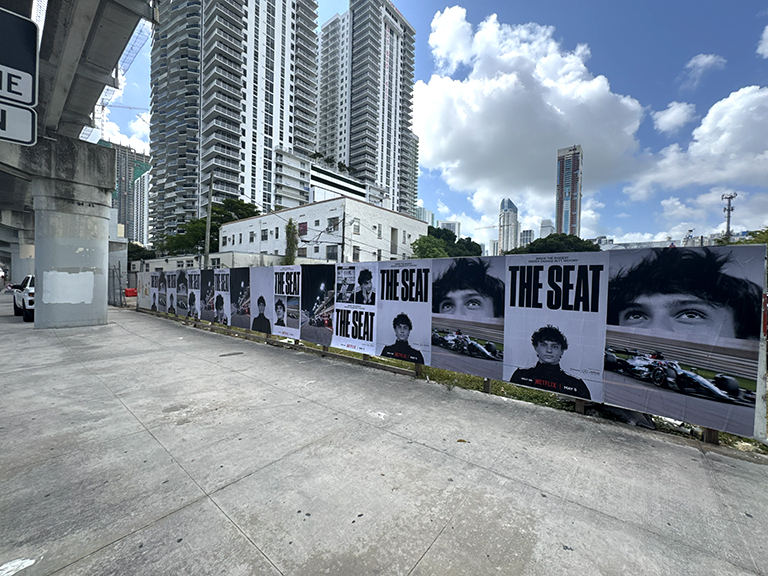
Street poster advertising covers a wide range of formats — from hand-pasted wheatpaste campaigns to transit shelter networks to vinyl installations on curated wall networks — and the pricing variation between these formats is substantial. A brand that asks “how much does street poster advertising cost?” without specifying format, market, and campaign scope will get answers ranging from $3,000 to $300,000, and both ends of that range can be accurate.
The challenge for brand managers and media buyers is that street poster advertising pricing is not standardized the way television CPMs or programmatic digital CPMs are. There’s no public rate card for a wheatpaste placement in Williamsburg. Transit poster pricing varies by operator, market, and specific location. Guerrilla poster networks price according to wall quality, neighborhood demand, and campaign duration. Understanding what drives cost in each format is the prerequisite for building a realistic budget.
This guide provides real pricing data for the major categories of street poster advertising in 2026 — broken down by format, market tier, and campaign scope — along with practical guidance on how to structure campaigns for maximum efficiency at each budget level.
The Street Poster Advertising Landscape in 2026
Street poster advertising in 2026 encompasses a broader ecosystem than many brand marketers realize. The category includes everything from hand-pasted guerrilla campaigns to programmatic digital transit networks, with several distinct format categories in between.
Guerrilla Wheatpaste Campaigns
Wheatpasted poster campaigns — large-format paper posters applied with paste to permitted wall surfaces — are the original street poster format and remain one of the most cost-efficient for concentrated neighborhood penetration. Our wheatpasting campaigns deploy on curated, permitted wall networks in high-foot-traffic neighborhoods across 50+ U.S. markets. This is the format most associated with entertainment industry marketing, fashion brand launches, and cultural campaign activations.
Transit and Bus Shelter Poster Networks
Transit poster networks — including bus shelter 8-sheet displays, transit station posters, and urban street furniture advertising — are sold through media companies (Outfront, Clear Channel, Lamar, Intersection) on standardized four-week posting periods. This is a more conventional media buy than guerrilla wheatpasting, with published rates, CPM metrics, and standardized creative specifications.
Vinyl and Semi-Permanent Street Installations
Some street poster campaigns use vinyl substrates — either free-standing installations on permitted structures or vinyl overlays on wall surfaces — for longer-term campaigns where paper’s 2–4 week durability is insufficient. Vinyl costs more to produce but lasts 4–12 weeks depending on weather and location conditions.
Digital Street-Level Displays
Digital out-of-home (DOOH) at pedestrian scale — digital transit panels, urban digital kiosks, and LED street-level displays — represents the growing digital segment of the street poster category. Pricing for digital pedestrian-scale displays follows CPM-based models closer to traditional media, with the added flexibility of content updates without production costs.
Guerrilla Wheatpaste Campaign Pricing: The Complete Breakdown
Wheatpaste campaign pricing is the most opaque segment of street poster advertising because it’s not sold on rate cards and varies significantly by operator, market, and specific wall quality. Here’s what’s actually included and what drives the cost.
Cost Components of a Guerrilla Poster Campaign
A professionally executed wheatpaste campaign includes the following cost components:
Wall network licensing: The fee paid to property owners for the right to post on their walls for the campaign duration. In premium wall networks in NYC, LA, and Chicago, this typically runs $50–$200 per location per campaign cycle. In secondary markets, licensing costs are lower — $25–$100 per location is common. The best wall networks carry premium because of their traffic quality and visual prominence.
Print production: Standard 24″x36″ paper poster printing at quantity (100 units) runs $1–$3 per unit at commercial print shops. Large-format posters (48″x96″) run $5–$15 per unit at standard quantities. Most guerrilla poster campaigns use between 50 and 200 prints per market, with duplication to allow for multiple layers and replacements during the campaign run. Vinyl poster printing costs 3–5x more than paper for equivalent size but lasts significantly longer.
Installation labor: Installation crews for wheatpaste campaigns typically work in two-person teams, pasting at a rate of 8–15 locations per crew per shift. Labor costs vary by market — NYC and LA have higher labor rates than secondary markets. Budget $500–$2,000 for installation labor per market for a 20–40 location campaign.
Campaign management and documentation: Professional campaign management includes route planning, crew briefing, GPS documentation of each placement, timestamped photo deliverables, and post-campaign reporting. This adds $500–$2,000 to campaign cost but is essential for brands that need documented proof of performance for internal stakeholders.
All-In Pricing by Market Tier
Tier 1 markets (NYC, LA, Miami, Chicago, San Francisco): A curated 20–30 location wheatpaste campaign in a single high-value neighborhood typically runs $6,000–$15,000 all-in. A broader 40–60 location campaign spanning multiple neighborhoods in the same city runs $12,000–$25,000. Premium wall networks in the best locations (Williamsburg, SoHo, Wynwood, Silver Lake) command 30–50% premiums over standard network pricing.
Tier 2 markets (Austin, Nashville, Atlanta, Denver, Portland, Seattle, Boston): Comparable campaigns run 20–40% less than Tier 1. A 20–30 location campaign in a single Austin or Nashville neighborhood runs $4,000–$10,000. Multi-neighborhood campaigns run $8,000–$18,000 in most Tier 2 markets.
Tier 3 markets (secondary and tertiary cities): Street poster campaigns in smaller markets — Raleigh, Richmond, Kansas City, Louisville — run $3,000–$8,000 for equivalent network coverage. Wall licensing costs are lower, print quantities are smaller, and labor rates reflect local market conditions. These markets often offer exceptional value for brands with regional rather than national targeting objectives.
Multi-Market Campaign Economics
Multi-market campaigns achieve economies of scale in print production (higher quantities reduce per-unit print cost) and creative development (a single creative serves all markets without additional design cost). However, installation labor, wall licensing, and management costs are essentially per-market fixed costs that don’t scale linearly with volume. A 5-city campaign costs roughly 4–5x the cost of a single-city campaign at equivalent per-market scope, with modest savings from centralized management and consolidated print runs.
Transit Poster Campaign Pricing
Transit poster campaigns through formal media companies operate on more standardized pricing than guerrilla campaigns, though rates still vary considerably by market, location, and operator.
8-Sheet Bus Shelter Pricing
Standard 8-sheet bus shelter poster campaigns run on four-week posting periods. Individual location costs in major markets:
- NYC metro: $300–$800 per location per four-week period for standard analog placements. Digital 8-sheet units in premium locations run $800–$2,500+.
- LA metro: $200–$600 per location for standard placements. Digital units $600–$2,000.
- Chicago metro: $150–$500 per standard location. Digital units $500–$1,500.
- Mid-size markets: $75–$300 per standard location. Digital availability varies.
Full network buys covering 50–100+ locations in a single market achieve volume discounts of 15–25% off individual location rates in most markets.
Print Production for Transit Campaigns
Transit poster print production at professional quality for 8-sheet formats (60″x132″) typically runs $75–$200 per printed unit for standard vinyl production. Paper substrates cost less but are not suitable for outdoor transit applications requiring 4-week durability. Most transit campaigns require 10–30% overage beyond the posted unit count to account for damaged prints and installation replacements.
Transit vs. Guerrilla: The Cost Efficiency Comparison
Transit poster campaigns offer standardized reach measurement and predictable placement quality. Guerrilla wheatpaste campaigns offer greater neighborhood specificity, stronger cultural resonance in creative-adjacent audiences, and typically lower CPM in the specific neighborhoods that matter to brand-forward campaigns. For a brand choosing between the two:
- Transit networks win on measurement predictability and compliance simplicity
- Guerrilla networks win on cultural relevance, CPM in target neighborhoods, and earned media potential
- The strongest campaigns use both: guerrilla for the target neighborhoods, transit for broader market coverage
What Affects Street Poster Campaign Pricing
Several factors drive street poster campaign pricing above or below baseline market rates. Understanding these variables helps brands build realistic budgets and evaluate proposals from multiple vendors.
Location Quality and Traffic Volume
The best locations — highest foot traffic, best photography angles, most prominent wall faces — command premium pricing. A wall on the corner of a high-traffic intersection in Williamsburg is worth more than a wall two blocks back on a quieter residential block. Networks that charge a flat rate for all locations are typically using lower-quality placements to subsidize the premium ones; premium networks price premium locations at premium rates with corresponding quality guarantees.
Campaign Duration
Longer campaigns generate more impressions per location but also require multiple print runs and potential installation visits as posters age or get covered. A 4-week wheatpaste campaign produces roughly twice the impression count of a 2-week campaign at the same locations, but at less than twice the cost (because wall licensing is often priced for a campaign period rather than per-week).
Creative Size and Format
Larger creative formats cost more to print and install but generate more impressions per location. A 48″x96″ poster commands more visual attention than a 24″x36″ poster at the same location; the print cost difference is $10–$50 per unit but the impression quality difference can be significant. Most professional guerrilla campaigns use 24″x36″ as the standard minimum size, with 48″x96″ or larger for premium placements on high-quality walls.
Market Entry vs. Established Relationships
Agencies with established wall networks and long-term relationships with property owners typically command lower licensing costs than agencies entering a market fresh and negotiating each wall individually. The established relationship advantage flows through to client pricing — a reason why working with agencies that have genuine operational depth in target markets saves money, not just time. Our guerrilla marketing services leverage established relationships in every market we operate in.
Building a Budget: Street Poster Campaigns at Every Scale
Here’s how to think about street poster advertising budgets at different investment levels:
Under $10,000: Single Neighborhood Focus
At $5,000–$10,000, a brand can execute a meaningful wheatpaste campaign in a single neighborhood in most U.S. markets. This budget covers 15–30 locations with professional installation and documentation. The strategic priority at this budget level is concentration: one neighborhood, well executed, outperforms five neighborhoods with thin, low-quality coverage. Pair this with a street team activation on the campaign’s strongest day to add a human engagement layer to the passive visual coverage.
$10,000–$30,000: Full Neighborhood Saturation in One Market
At $10,000–$30,000, a brand can achieve genuine saturation in one to three neighborhoods within a single major market. This might cover 30–60 locations with high-quality wall placements, professional documentation, and integration with complementary formats like sidewalk stencils or a single-day street team deployment. This is the budget range where campaigns begin to create the “everywhere” perception within a defined geographic zone.
$30,000–$75,000: Multi-Neighborhood or Multi-Market
At this range, brands can execute full-market campaigns covering multiple neighborhoods in a Tier 1 city, or simultaneous campaigns in two to four secondary markets. This is the budget range for product launches, album drops, and film releases that need meaningful street presence in multiple cities simultaneously. Coordinated print runs and centralized management create efficiency across markets.
$75,000+: National Campaign Footprint
At $75,000 and above, street poster advertising campaigns can achieve national scale — 8–15 markets simultaneously with substantial location counts in each. This level of investment produces the kind of national visual saturation associated with major entertainment releases and national brand launches. Multi-format integration — wheatpasting plus LED trucks plus brand ambassadors — at this budget scale creates campaigns with both breadth and depth of market presence.
Getting Accurate Quotes: What to Ask
When soliciting quotes for street poster advertising, the specificity of your request directly determines the quality and comparability of the proposals you receive. Vague briefs produce vague quotes that can’t be compared accurately. Ask specifically for:
- Number and specific locations of proposed placements (mapped, not just counted)
- Wall quality documentation for each proposed location (photos of the wall, foot traffic estimate)
- Print specifications included (substrate, size, finish)
- Documentation deliverables (GPS verification, timestamped photos, post-campaign report)
- Campaign duration and what constitutes “complete” delivery
- What’s not included (design services, production overage, travel for installation crews)
Proposals that don’t address all of these points require follow-up before they can be evaluated fairly against alternatives. Our team provides detailed scope documentation on all campaign proposals so clients know exactly what they’re buying before they commit.
Frequently Asked Questions About Street Poster Advertising Costs
How much does street poster advertising cost?
Street poster advertising costs vary significantly by format and market. Guerrilla wheatpaste campaigns in a single major U.S. market typically run $5,000–$20,000 for a curated network of 20–60 locations. Transit poster campaigns (bus shelters, 8-sheet) run $10,000–$40,000 for a four-week market run. Multi-market and multi-format campaigns scale accordingly, with 5-city campaigns typically running 4–5x single-city cost.
What is the cost per location for a street poster campaign?
Guerrilla wheatpaste poster placements typically run $100–$350 per location all-in (wall licensing, print, installation) for a 2–4 week run. Transit and bus shelter poster locations run $200–$600 per four-week period for standard 8-sheet formats. Premium locations in Tier 1 markets command higher rates; secondary markets run lower.
What does the cost of a street poster campaign include?
A professionally managed street poster campaign should include: wall network licensing, print production (poster printing, substrate, ink), installation labor, campaign documentation (GPS-verified photos with timestamps), and a post-campaign delivery report. Some agencies charge separately for design services; always confirm what’s included before signing.
How many poster locations should I buy in a city?
For meaningful brand presence in a single major market, 20–30 guerrilla poster locations concentrated in 2–3 target neighborhoods creates visual saturation. Campaigns covering 40–60 locations across multiple neighborhoods achieve broader market awareness. Spreading the same budget thinly across 100+ locations in a metro area typically underperforms concentrated neighborhood saturation.
How long do street posters last?
Wheatpasted paper posters in high-traffic areas typically last 2–4 weeks before weather or competing placements reduce their impact. Vinyl substrates last 4–8 weeks in most conditions. Transit poster campaigns run in standardized four-week posting periods. Most street poster campaigns are planned for 2–6 week runs aligned to campaign timing and budget.
What’s the most cost-efficient way to run a street poster campaign?
Concentrate locations in one high-value neighborhood rather than spreading thin across a metro. Use standard paper rather than vinyl for shorter campaigns (under 3 weeks). Print at volume to reduce per-unit production cost. Work with agencies that have established wall relationships in your target market — they secure better locations at lower licensing cost than first-time market entrants. Call us at (646) 776-2770 for a market-specific quote.
Frequently Asked Questions
What is street poster advertising cost guide?
American Guerrilla Marketing provides street poster advertising cost guide services across 50+ U.S. markets. Every campaign is planned, scouted, executed, and GPS-documented by our field teams. We work with regional brands and Fortune 500 companies on campaigns that require real street-level execution and documented proof of performance.
How does AGM approach cost guide?
Our process starts with a market consultation to understand your goals, target audience, and budget. We then scout locations, handle any required permissions or permits, coordinate production and installation with our local crews, and provide a full GPS-tagged photo report after the campaign runs.
What markets does American Guerrilla Marketing cover for cost guide?
We operate in 50+ U.S. markets including New York, Los Angeles, Chicago, Miami, Houston, Atlanta, Seattle, Denver, Boston, and dozens of secondary markets. Contact us to confirm availability and pricing for your specific market.
How much does a cost guide campaign cost?
Campaign pricing depends on market, format, quantity, and duration. We work with budgets ranging from targeted single-market runs to national rollouts across multiple cities. Use our RFP Builder or contact us directly for a custom quote based on your specific campaign requirements.
How do I get started with cost guide through AGM?
The fastest way to get started is to submit your campaign details through our RFP Builder at americanguerrillamarketing.com, or contact us directly at [email protected] or (646) 776-2770. Our team typically responds within one business day with availability and initial pricing.