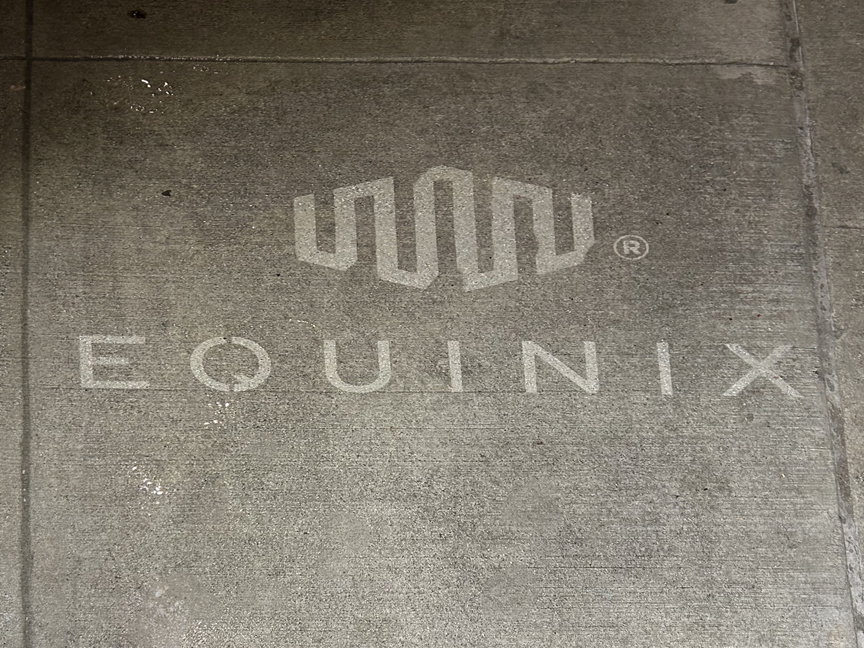
Sidewalk stencil advertising is exactly what it sounds like. You cut a stencil of your brand mark or message, then apply it to the sidewalk surface at foot level using chalk or paint. The result is a brand impression directly in the path of pedestrian traffic. People look down. They see your message. At high foot traffic intersections, that impression repeats thousands of times per day.
The format is simple. The execution requires knowing the legal parameters, choosing the right surfaces, and designing creative that reads at 2 feet from the ground at walking pace. Here’s how it works and what it costs.
How Sidewalk Stencil Campaigns Work
The process starts with stencil design. AGM’s production team creates custom stencils based on the campaign creative. Brand marks, logos, simple messages, and directional graphics all work well at the sidewalk scale. Complex imagery with thin lines or fine detail does not survive the spray application process at street scale. We will flag design issues before production starts.
Location selection focuses on high-pedestrian-count surfaces in the target zone. The approach to a transit station entrance. The crosswalk at a major retail intersection. The block in front of a music venue on show night. The sidewalk grid around a festival footprint. These are the locations where a stencil at ground level gets the most impression frequency from the right audience.
Application happens during off-hours to minimize foot traffic interference. Chalk campaigns go down overnight or early morning. Paint campaigns require surface preparation and cure time before the zone opens to foot traffic. Our crews handle the application efficiently and leave no mess behind after the campaign is installed.
Documentation follows. Every stencil location gets photographed with GPS coordinates. You receive a placement report with the full coverage map and photo documentation of every installation.
Who Uses Sidewalk Stencil Advertising
Events and festivals are the most common sidewalk stencil clients. A music festival, street fair, or sporting event uses chalk stencils around the venue footprint to create ground-level brand presence that every attendee walks over on the way in and out. The temporary nature of chalk stencils is an advantage in this context: the campaign runs for the event window and disappears after without any cleanup required.
Retail brands and consumer companies use stencils around their store locations and launch events to create a visual presence at pedestrian level that supplements standard outdoor advertising. A new store opening uses directional stencils pointing toward the entrance in the 2-block radius around the location. A product launch uses branded stencils in the neighborhoods where the target consumer walks daily.
Tech companies and startups use sidewalk stencils around conference and convention venues. The ground-level presence differentiates from the standard pole banners and building wraps that other brands buy around the same event. Stencils at pedestrian scale get attention precisely because they are unexpected at that level.
Political campaigns and advocacy organizations use chalk stencils for voter registration drives, event promotion, and ballot measure awareness campaigns.
AGM has run sidewalk stencil campaigns in New York, Los Angeles, Chicago, Miami, and other major markets for brands across entertainment, consumer goods, and technology categories. The format works best as part of a multi-format campaign rather than as a standalone medium.
Sidewalk Stencil Campaigns in Key Cities
New York City chalk stencil campaigns work well around Madison Square Garden events, in SoHo and the Lower East Side around major launch activations, and in Williamsburg and Bushwick around music events and album launches. The highest foot traffic sidewalks in NYC are also the most frequently cleaned, which means chalk stencils in these zones typically have a 24 to 48 hour effective window before cleaning. Time-of-activation campaigns (goes down the morning of the event) maximize freshness and impact.
Los Angeles sidewalk stencil campaigns work well in Silver Lake around the Sunset Blvd commercial strip, in DTLA’s Arts District along Traction Ave, and in Venice along Abbot Kinney Blvd on weekend afternoons. LA’s lower ambient humidity means chalk stencils hold longer than in New York or Miami. A Thursday night installation in Silver Lake can hold through the weekend event if street cleaning schedules align.
Chicago stencil campaigns work well during summer months (Lollapalooza, Chicago Marathon footprint, outdoor festival season) and around the Milwaukee Ave corridor in Wicker Park during event windows. Winter stencil campaigns are limited by weather conditions, but early fall and late spring are strong windows for Chicago sidewalk activations.
Frequently Asked Questions
Is sidewalk stencil advertising legal?
Chalk stencils on public sidewalks are generally tolerated in most U.S. cities because they’re temporary. AGM navigates the legal parameters in each market before running stencil campaigns.
How long does a chalk stencil campaign last?
24 to 72 hours in most urban environments depending on foot traffic and weather. Rain accelerates wear. Heavy pedestrian traffic wears through chalk faster than light traffic areas. Plan the stencil window around your target event or peak period.
Can sidewalk stencils be combined with other formats?
Yes. A common combination is street posters on the walls above the stencil placements. The poster catches the eye at head level. The stencil catches it at foot level. Combined, they create omnidirectional brand presence in the target zone.
What cities does AGM run stencil campaigns in?
We run stencil campaigns in NYC, LA, Miami, Chicago, Austin, Atlanta, and other major markets. Call us with your target city and campaign window and we’ll confirm logistics.
How long does chalk last on NYC sidewalks?
24 to 72 hours depending on location, weather, and street cleaning schedules. High-traffic commercial zones and tourist areas get cleaned more frequently. Residential side streets hold longer. For maximum impact, time the application to within 24 to 48 hours of the event or activation.
How many stencil locations can AGM cover in a campaign?
A standard sidewalk stencil team can cover 50 to 100 locations in an 8-hour window depending on travel distance between locations and application complexity. Larger coverage areas use multiple teams working simultaneously in different zones.
Can stencils include QR codes?
Yes. Simple QR code stencils work well at sidewalk scale when the code is large enough to scan (minimum 6×6 inches for reliable scanning at arm’s length). We test scan rates before deployment to confirm the code works at the intended application size.