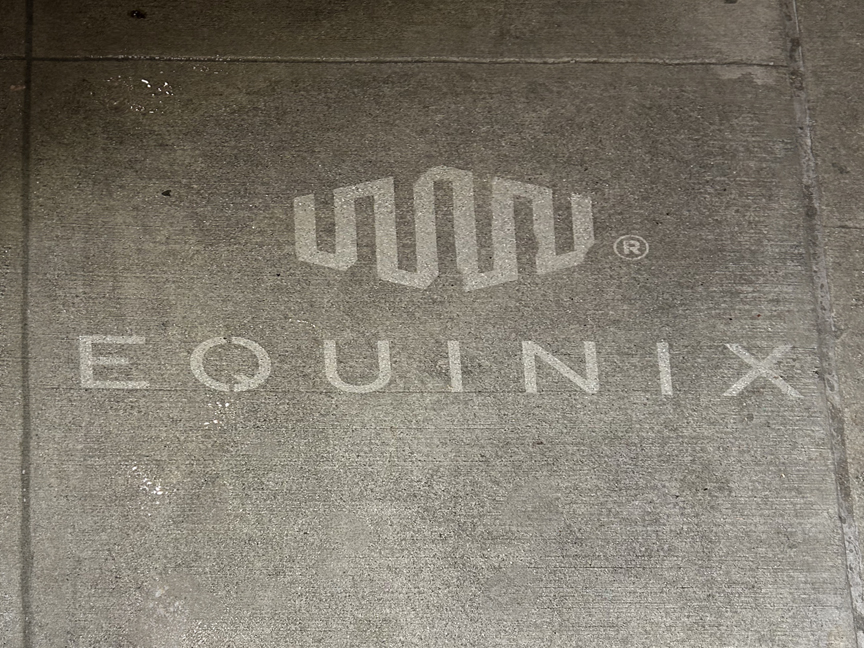
The city is already dirty. Every sidewalk, every underpass, every concrete wall that faces traffic has been accumulating grime, soot, and foot traffic residue for years. Reverse graffiti advertising turns that accumulated surface into your canvas. Not by adding anything to it, but by selectively cleaning it. The result is a brand message or image that appears in the contrast between the cleaned area and the dirty background surrounding it.
We deploy reverse graffiti programs at American Guerrilla Marketing as part of broader street-level campaigns. Based in Industry City, Brooklyn, NY, our team has scouted, planned, and executed clean graffiti activations in cities across the country. The technique earns attention in a way that most out-of-home advertising does not, because it is unexpected. Passersby do not immediately understand what they are looking at, and that moment of cognitive engagement is exactly the kind of attention that translates into memory.
This guide covers the technique in detail, the legal landscape, where it works best, and how a professionally run program produces results. Call (646) 776-2770 to discuss your program.
How Reverse Graffiti Actually Works
The technique is straightforward in concept and requires skill in execution. A stencil cut to the desired design is placed on the dirty surface. A pressure washer, wire brush, or cleaning solution is then applied through the stencil cutouts. When the stencil is removed, the cleaned areas form the image or text against the dirty background.
The quality of the result depends on several variables. The contrast ratio between the cleaned and uncleaned surface determines visibility. A surface with heavy, consistent grime accumulation produces a sharp, high-contrast image. A surface that is relatively clean to begin with produces little visible contrast and therefore little visible message.
Surface texture also matters. Smooth concrete sidewalks and tunnel walls hold fine detail well. Rough or heavily textured surfaces break up fine lines and reduce the legibility of complex designs. We assess every proposed surface before committing to a reverse graffiti placement. Not every dirty wall is a good canvas.
The Stencil
Stencil quality drives design quality. For street-scale applications, stencils are typically cut from heavy mylar, vinyl, or thin steel to withstand pressure washing without losing shape. The design needs to be translated into a stencil-compatible format, which means eliminating floating elements that would fall out of the stencil and converting fine detail into bold, readable form at the intended viewing distance.
We work with designers who understand stencil constraints from the start. A design that is beautiful on screen may not work at 15 feet on a concrete surface when translated to a stencil. The translation from concept to stencil to surface requires experience that comes from doing it, not from looking at reference images.
Application Methods
Pressure washing produces the cleanest, highest-contrast results but requires water access and generates runoff that needs to be managed. For some locations, a scrub brush and cleaning solution approach is more practical, particularly for smaller designs or locations where water access is limited. The cleaning method affects the sharpness of the result. Pressure washing produces crisp edges. Manual scrubbing can soften edges slightly, which reads as a more organic, hand-crafted look that some campaigns prefer.
Where Reverse Graffiti Works Best
Not every location works for reverse graffiti. The ideal location combines three things: consistent, heavy surface grime; high foot traffic from the target audience; and physical characteristics that allow the design to be viewed at the intended distance and angle.
Sidewalks in High-Foot-Traffic Corridors
Sidewalks in busy commercial districts accumulate consistent grime and are viewed at close range by foot traffic moving at a slow enough pace to engage with the message. Areas near transit entrances, retail corridors, and entertainment districts are particularly effective. The viewing distance is 2-5 feet, which allows for more detail than a surface viewed from across the street.
Our sidewalk stencils service connects directly to reverse graffiti programs. Sidewalk stencils work on clean surfaces where reverse graffiti would not show contrast. Together, the two techniques cover a wider range of surface conditions.
Underpasses and Tunnel Walls
Underpasses are some of the best reverse graffiti canvases in any major city. The ceiling and wall surfaces accumulate heavy diesel and exhaust soot over years, creating ideal contrast conditions. Pedestrian and vehicle traffic passes through the same space repeatedly, creating repeated impressions for commuters. And the visual context of a tunnel, slightly dramatic, slightly unexpected, amplifies the visual impact of the clean design against the dark, grimy background.
New York’s underpasses along high-foot-traffic corridors in Lower Manhattan, Brooklyn, and the Bronx are regularly scouted for clean graffiti potential. So are the underpasses serving pedestrian routes near major transit hubs.
Parking Garage Interiors and Ramps
Parking garages accumulate consistent grime from exhaust and tire residue. The interior walls and floors of heavily used garages are strong candidates for reverse graffiti placements that target drivers and commuters. The captive nature of the environment, people walking to and from their cars, creates dwell time that street foot traffic does not always allow.
The Legal Landscape: What You Need to Know
The legal status of reverse graffiti advertising is genuinely ambiguous, and that ambiguity cuts in both directions. Because the technique removes material rather than applying it, many jurisdictions have found it difficult to prosecute under conventional graffiti statutes. The argument that cleaning is not vandalism has persuasive force. However, some cities have taken enforcement action by framing the activity as creating an unauthorized advertisement on a public surface, which is a different legal theory.
The legal risk profile varies by city, by surface ownership (public vs. private), and by whether the campaign is commercial. A commercial campaign using a public sidewalk without a permit is higher risk than a campaign on a private wall with property owner consent.
Permitting and Permission
For any professional program, we recommend three steps before execution. First, identify who owns or controls the surface and obtain permission or a permit where possible. Second, notify the relevant city department, typically the parks department or street advertising coordinator, of the planned activation. Third, carry documentation of the permission and the temporary, removable nature of the activation on the day of execution.
This approach does not guarantee freedom from regulatory friction in all markets. But it demonstrates good faith, protects the brand from negative press, and in most cases resolves any on-site questions before they escalate.
Brand Perception Risk
Beyond the legal question is the brand perception question. Reverse graffiti that appears unauthorized can generate both positive press attention and negative attention from urban advocacy groups concerned about advertising encroachment in public space. The balance depends on how the campaign is positioned and communicated. A campaign tied to a cleaning or sustainability message has a natural alignment. A pure advertising play in a contested urban space may attract more criticism.
We assess this risk with every client before recommending a reverse graffiti program. Some brands benefit from the edginess of the format. Others are better served by cleaner, more clearly permitted formats like our wheatpasting and poster campaigns or traditional outdoor placements.
Press and Social Media Value
One of the consistent advantages of reverse graffiti advertising is its shareability. People encounter it, find it visually unusual or clever, and photograph it. That photograph gets shared. The organic social reach generated by a well-placed, well-designed reverse graffiti installation can multiply the campaign’s actual reach by a factor of five to ten compared to what the foot traffic alone would generate.
This dynamic has led some campaigns to strategically alert local press and photo bloggers before execution, turning the installation itself into a media event. Brands that have gone this route have seen significant earned media from a relatively modest investment in the physical execution.
The key to earning that press is design quality and contextual relevance. A reverse graffiti message that is clever, visually striking, and contextually appropriate to the location earns attention. A generic brand logo cleaned into a sidewalk does not. The concept has to work as content, not just as placement.
Combining Reverse Graffiti with Other Street Tactics
Reverse graffiti is rarely the only element in a campaign. At American Guerrilla Marketing, we typically combine it with supporting tactics that extend its reach and reinforce the message across multiple touchpoints.
Brand ambassador teams stationed near key reverse graffiti installations extend the reach of each placement by engaging passersby who might otherwise walk over or past the design without fully registering it. An ambassador pointing out the installation and connecting it to the campaign narrative transforms a passive impression into an active one.
Our LED billboard trucks running routes that pass the reverse graffiti locations create a multi-format surrounding effect. An attendee who sees the same message as a clean graffiti installation on the sidewalk and then as a moving LED display later in the day has had two distinct impressions in two different formats. That redundancy drives recall in a way that a single format cannot.
For campaigns targeting specific neighborhoods, sidewalk stencils on clean pavement adjacent to reverse graffiti installations on dirty walls create visual continuity across surface types. The stencil says the same thing on a clean surface that the clean graffiti says on a dirty one. Together they cover the full spectrum of available surfaces in a given block.
Execution: What a Professional Program Looks Like
The gap between a DIY reverse graffiti attempt and a professionally run program is significant. Professional execution starts with scouting, which means physically walking proposed locations to assess surface condition, contrast potential, visibility angles, foot traffic patterns, and any operational challenges like water access or permit complexity.
After scouting, design is adapted specifically to the scouted surfaces. What works on a smooth concrete underpass ceiling needs to be different from what works on a rough sidewalk. Then comes permitting coordination, which varies by location. Then fabrication of production-quality stencils. Then installation, typically at off-peak hours to avoid foot traffic interference. Then documentation, GPS-tagged photos and video of each completed installation for client review and archive.
Our documentation is comprehensive enough that clients can see exactly where each installation was placed, what condition it was in at installation, and what it looked like at peak exposure. This is the standard of proof we deliver on every guerrilla format we run.
Frequently Asked Questions
What is reverse graffiti advertising?
Reverse graffiti advertising, also called clean graffiti or clean advertising, creates images or messages by selectively cleaning dirty surfaces rather than applying ink or paint. The result is a brand message revealed in the clean area against a dirty background. It is temporary and leaves no permanent mark.
Is reverse graffiti legal?
The legal status of reverse graffiti varies by city and context. Because it does not add material to a surface but rather removes dirt, many jurisdictions treat it differently from conventional graffiti. However, some municipalities have pursued enforcement. Permitting, property owner consent, and city notification are recommended for any professional program.
How long does reverse graffiti last?
Depending on foot traffic, weather, and surface material, reverse graffiti images typically last 2-6 weeks before the surrounding surface cleans naturally or the image fades from wear. High-traffic surfaces in rainy climates fade faster; sheltered or lower-traffic surfaces can last longer.
What surfaces work best for reverse graffiti?
Sidewalks, concrete walls, underpasses, and tunnel ceilings with consistent dirt accumulation produce the best contrast. Surfaces that are too clean show little contrast. Surfaces that are uneven or textured may not hold fine detail. The best results come from flat, heavily trafficked concrete that has been accumulating grime for some time.
How does reverse graffiti compare to sidewalk stencils?
Sidewalk stencils apply material (chalk or paint) to a clean surface. Reverse graffiti removes material from a dirty surface. Both create temporary pavement messaging. Reverse graffiti tends to have a higher novelty factor and earns more press attention. Sidewalk stencils are more widely applicable because they do not depend on a dirty surface.
What is the typical cost of a reverse graffiti campaign?
A single-city reverse graffiti program covering 10-20 locations typically runs $3,000-$8,000 including scouting, design, permitting coordination, and execution. Multi-city programs scale with additional location fees and logistics.