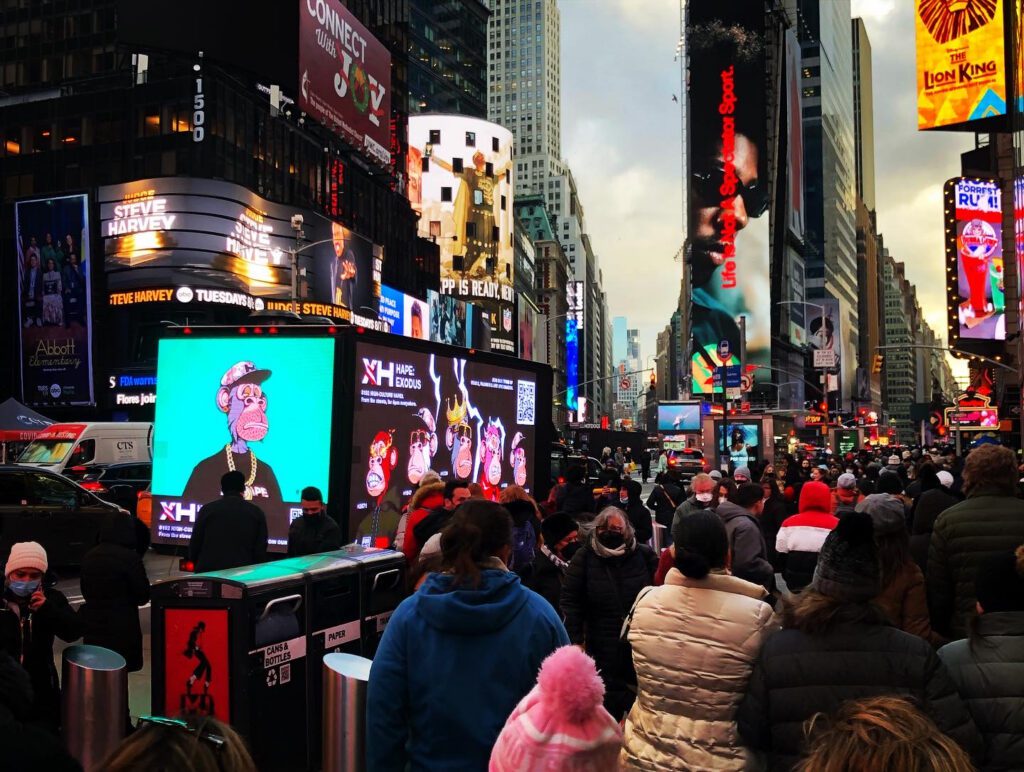
Pop Up Trucks for Brand Activation: Formats, Costs & How They Work (2026)
Pop-up trucks close the distance between brand and consumer — bringing the product, the message, and the experience directly to the places where people actually spend time.
Pop-up trucks work because they solve a problem that fixed-location marketing cannot: how do you reach the right audience in the right place at the right time without committing to permanent infrastructure? A retail lease locks a brand into one location. An event sponsorship puts the brand where the event is, not necessarily where the audience is most receptive. A pop-up truck goes where the strategy says to go — to the park on Saturday morning, the festival entrance on Friday afternoon, the office district at noon on a Tuesday.
We have built, branded, staffed, and operated pop-up truck programs for consumer brands across the country. We know what the inside of a step van looks like after three weeks on the road. We know which neighborhoods in New York, Los Angeles, Chicago, Miami, and Austin reliably deliver the audience density and demographic alignment that makes a mobile stop worth the operational investment. This article covers the full picture of how pop-up truck programs work and what it takes to run them well.
The fundamental appeal of a pop-up truck is directness. The brand does not wait for the consumer to come to a store or click on an ad. It goes to where the consumer already is and creates an encounter that is physical, memorable, and personal in a way that digital marketing simply cannot replicate.
A consumer who tries a product directly from a branded truck, engages with brand staff, and walks away with a sample and a positive experience has had a qualitatively different interaction than someone who saw a digital ad. That difference shows up in purchase conversion rates, in brand recall scores, and in the social sharing behavior that extends the reach of the physical activation into digital channels.
The other core value is flexibility. A pop-up truck can be in Chicago one week and Nashville the next. It can be in Midtown Manhattan during the workweek and in Brooklyn on the weekend. It can respond to opportunities — a major event, a competitor absence in a market, a seasonal peak — that fixed infrastructure cannot. That responsiveness is worth real money for brands operating in competitive, fast-moving categories.
The third value point is efficiency. A well-routed pop-up truck delivers a meaningful number of direct consumer interactions per dollar at a cost that compares favorably against most alternatives at equivalent reach levels. The comparison changes depending on category and market, but in most cases where a brand needs direct physical engagement with consumers, the pop-up truck is one of the most cost-effective tools available.
How Pop-Up Truck Programs Are Structured
Most pop-up truck campaigns follow one of three structural models, each suited to different campaign objectives and budget parameters.
Single-Market Intensive Programs
A single-market intensive program deploys one or more trucks within a single city or metropolitan area for an extended period — typically two to six weeks. The truck works through the market systematically, covering different neighborhoods, different consumer segments, and different times of day across the campaign period. This model works well for product launches in a priority market, for brands testing mobile activation before expanding nationally, and for campaigns where depth of penetration in one market is more valuable than broad national coverage.
In New York City, for example, a six-week single-market program can cover SoHo, Williamsburg, Astoria, the Upper West Side, Midtown, the Financial District, and Harlem — each as distinct audience segments with different product relationships and different cultural contexts. The brand learns a great deal about its product-market fit in different consumer segments from a program structured this way.
Multi-City Tour Programs
A multi-city tour sends one or more trucks across a predetermined route covering multiple markets over a period of weeks or months. This is the classic pop-up truck format — the vehicle travels, makes stops in each city, and the campaign builds momentum as it moves across the country. The routing strategy is the core intellectual work in a multi-city program: which cities, in which order, during which time windows, hitting which specific neighborhoods in each market.
Multi-city tours generate national coverage and build a story arc across the campaign period. Each city stop creates content. Each stop builds anticipation for the next one. Social media posts from one city reach audiences in the next city who then plan to attend when the truck arrives. The tour format creates its own narrative momentum that single-market campaigns do not generate in the same way.
Event-Anchor Programs
Event-anchor programs build a pop-up truck route around a calendar of events — music festivals, sporting events, cultural celebrations, trade conferences — where large concentrations of the target audience gather. The truck appears at or near these events as a brand presence alongside the event’s other marketing activity. Event-anchor programs work well for brands whose target audience has strong event attendance patterns. A fitness brand that knows its consumers attend half-marathons, triathlons, and fitness expos can build an event-anchor program that reaches a highly qualified audience across an entire season.
Building the Right Vehicle for the Campaign
The vehicle choice is the most significant up-front decision in any pop-up truck program. It determines the operational flexibility of the campaign, the brand experience the consumer encounters, and the logistics requirements for every stop on the route.
Sprinter vans and cargo vans are the most operationally flexible vehicles. They are easy to drive without a commercial license, easy to park in tight urban environments, and can access loading zones, residential streets, and event parking areas that larger vehicles cannot. The trade-off is interior space and visual presence. A sprinter van is relatively subtle in most urban environments. It works for sampling programs where the priority is frequency and mobility over spectacle.
Step vans offer the best combination of visual presence, interior workspace, and urban maneuverability for most pop-up truck campaigns. The tall, boxy shape provides an excellent canvas for full-coverage vinyl graphics. The interior space supports a staffed work area alongside product storage and consumer-facing interaction zones. Step vans are substantial enough to create a real presence on the street without being so large that they create operational challenges in dense urban environments.
Box trucks and converted trailers are for campaigns where the brand experience itself requires significant space. A product demonstration that needs a walk-in environment, a beauty service experience that requires treatment stations, a tech demo that needs multiple interactive stations — these justify a larger vehicle footprint. The operational complexity is higher. The visual impact and experiential quality are also higher. The right choice depends on what the campaign is trying to deliver to the consumer who walks up.
The vehicle you choose sets the ceiling for what the activation can be. Size up if the brand experience requires it. Do not size up just for visual scale if the activation does not use the extra space effectively.
Staffing a Pop-Up Truck Program
Staffing is consistently the factor that most directly determines whether a pop-up truck program achieves its objectives. A well-built truck with poorly selected or undertrained staff underperforms. A modest vehicle with genuinely excellent brand ambassadors consistently outperforms expectations.
The core staffing structure for most pop-up truck programs is two to four brand ambassadors per vehicle plus a field manager responsible for operations oversight, reporting, and problem resolution. High-volume event stops or activations with complex interactive elements may require larger teams. The field manager role is particularly important on multi-city tours where the same team travels together for extended periods — the quality of the field manager’s leadership directly affects staff morale, execution consistency, and campaign performance over time.
Brand ambassadors need to know the product genuinely, not just recite talking points. Consumers can tell the difference between someone who actually uses and believes in a product and someone who is reading from a script. Enthusiasm based on genuine familiarity is different from performed enthusiasm, and it drives meaningfully different engagement and conversion outcomes. We run product training sessions for every campaign before the truck starts moving and conduct spot checks throughout the tour to ensure consistency.
Staff turnover is a real risk on multi-week tours. We build backup staffing plans for every program and maintain a network of trained brand ambassadors in each major market who can step in on short notice. A program that cannot handle a staff absence without disrupting the tour schedule has not been properly planned.
Routing and Location Strategy
Where the truck parks is a strategic decision with significant consequences for campaign performance. Location strategy is not just about finding a space that works operationally. It is about finding the specific locations where the target audience concentrates at the times when they are most receptive to brand engagement.
Effective location strategy requires several inputs. Foot traffic data — ideally location-specific and time-segmented — tells you how many people pass a given location at a given time of day. Demographic data about the areas the route covers tells you whether those are the right people. Local knowledge about neighborhood character, cultural context, and the types of brands and experiences that resonate in each area adds qualitative depth that raw data cannot provide. Event calendars in each market identify opportunities to amplify reach by being near large gatherings of aligned audiences.
The routing order matters as much as the individual stop selections. In a multi-city tour, the sequence of markets affects travel efficiency, staffing continuity, and the narrative momentum of the campaign. A tour that routes efficiently from city to city without backtracking minimizes transit costs and keeps the team fresher over a long campaign period. Routing logic is part of the campaign planning deliverable we provide for every multi-market program.
Key Markets for Pop-Up Truck Campaigns
Market
Best Neighborhoods / Areas
Audience Strength
Operational Notes
New York City
SoHo, Williamsburg, Midtown, Union Square, Astoria
Very High Density
Complex parking logistics; strong enforcement
Los Angeles
Silver Lake, Venice, Melrose, Downtown, Culver City
High, Spread Out
Car-centric; parking more accessible than NYC
Chicago
Wicker Park, River North, Lincoln Park, Pilsen
High Density Core
Seasonal weather planning required
Miami
Wynwood, Brickell, South Beach, Design District
Strong Lifestyle Audience
Year-round outdoor activation viable
Austin
South Congress, East Austin, 6th Street, Mueller
High Engagement Culture
Festival calendar creates strong event-anchor opportunities
Social Content and Pop-Up Trucks
Pop-up trucks are inherently visual. A well-branded vehicle on a city street is photogenic by nature. Consumers photograph and share mobile activations at rates that most other marketing formats do not achieve. The vehicle provides a clear, recognizable background for photos. The brand interaction provides context that makes the sharing feel purposeful rather than random.
Maximizing the social content value of a pop-up truck program requires a deliberate content strategy, not just hoping attendees pull out their phones. The strategy covers which social platforms matter most for the target audience, what content types to produce (real-time location announcements, behind-the-scenes truck setup content, attendee interaction captures, product close-ups), what hashtags to establish and push, and how to incentivize attendee sharing without making it feel forced.
The pre-stop location reveal is one of the most consistently effective content formats in pop-up truck campaigns. Announcing where the truck will be the following morning — with a compelling reason to show up early — drives intentional attendance and generates engagement on the announcement post itself before the event happens. That engagement builds the audience for subsequent announcements throughout the tour.
Brands that treat every truck stop as a content shoot — not just a sampling event — consistently get more overall value from their mobile programs. The physical reach of the truck is real. The content reach that extends from it can be ten times larger.
Documentation and Reporting
Pop-up truck campaigns produce measurable results across multiple dimensions. Capturing and reporting those results is an essential part of evaluating the program and justifying continued investment. It is also the input for improving the program in subsequent cycles.
Every stop on every tour we manage produces a field report covering attendance counts (actual person interactions, not estimates), product distributed or sold, data captures (opt-ins, sign-ups, social follows), content assets captured that day, and any operational notes relevant to future planning in that location. These daily reports are compiled into a comprehensive post-campaign analysis at tour close.
Photo documentation from each stop serves multiple purposes. It provides visual evidence of the activation for internal decision-makers who were not in the field. It creates content assets for future marketing use. And it documents the locations, setups, and crowd conditions in a way that informs routing decisions for future campaigns in the same markets. We provide organized photo documentation from every stop as part of the standard campaign deliverables.
Integration with Broader Marketing Programs
Pop-up trucks work best when they are integrated components of a broader marketing program rather than standalone initiatives. The physical activation generates reach, engagement, and content. Those outputs flow into and amplify the rest of the marketing program when the integration is designed thoughtfully.
CRM integration ensures that contacts captured at the truck flow directly into the brand’s marketing automation system and receive follow-up communication that continues the relationship. Without this integration, the data captured at the truck sits in a spreadsheet and the consumer who interacted positively with the brand gets no follow-through. That is a significant missed opportunity.
Retail integration connects the truck directly to distribution. Sending truck attendees to specific retail partners with a coupon or digital incentive drives in-store traffic and creates a traceable connection between mobile activation and retail sales lift. This is particularly valuable for brands that need to demonstrate incremental retail impact to retail partners considering distribution expansion.
Paid digital amplification of earned organic content from the truck creates a media efficiency multiplier. The content that performs best organically in the first 24 hours after posting becomes the creative for targeted paid campaigns reaching lookalike audiences. The truck generates authentic creative. Paid distribution extends its reach to qualified audiences the organic content never would have reached on its own.
Building Long-Term Program Value
The full value of a well-executed activation program is not captured in the metrics from a single campaign. The most valuable activation programs are the ones that improve and compound over time — where each iteration generates learning that makes the next iteration more effective, where retailer and venue relationships deepen over multiple program cycles, where staff quality improves as the best ambassadors gain experience with the brand, and where consumer community presence builds as repeated encounters create familiarity and recognition.
Building this long-term program value requires treating activation investment as an ongoing commitment rather than a series of independent campaigns. Each campaign generates information: which locations performed best, which interaction approaches converted most reliably, what staff qualities made the biggest difference, how the consumer responded to the brand story and product. That information is only valuable if it is captured, analyzed, and applied to improve the subsequent program. Programs that do not close this learning loop repeat the same mistakes and miss the same opportunities cycle after cycle.
The organizational infrastructure for long-term activation programs includes: a consistent measurement framework that captures comparable data across all program cycles, a performance analysis process that extracts actionable insights from each cycle’s data, a program management structure with continuity across cycles rather than re-starting with a new team for each campaign, and a budget commitment that reflects the compounding value of sustained investment over episodic campaign spending.
Staff Development and Retention
The brand ambassadors who represent a brand in the field over multiple program cycles develop a depth of product knowledge, brand understanding, and consumer engagement skill that new hires cannot match. A brand ambassador who has been running a brand’s sampling program for two years knows how different consumer types respond to different engagement approaches, has answers to every question they are likely to encounter, and can adapt their interaction style based on years of field experience with the brand. That accumulated competence is genuinely valuable and difficult to replace when it leaves.
Investing in staff retention for high-performing brand ambassadors is one of the most cost-effective investments in activation program quality available. The combination of competitive compensation, genuine recognition of contribution, opportunities to advance within the program (from ambassador to field supervisor, for example), and a working environment that is genuinely positive and well-managed retains the people whose performance makes the program excellent. The cost of this investment is consistently less than the cost of recruiting, training, and developing the next generation of ambassadors to replace those who leave.
Consumer process Integration
Activation programs reach their full potential only when they are designed as components of an integrated consumer process rather than as standalone marketing events. The consumer who encounters a brand at an activation and has a positive experience needs a clear, frictionless path from that encounter to first purchase, and from first purchase to repeat purchase, for the activation investment to fully realize its commercial value.
The first transition — from activation encounter to first purchase — is supported by: a first-purchase incentive delivered at the activation event (a digital coupon, a loyalty program sign-up with a welcome discount, a QR code that provides a direct path to online or retail purchase), a follow-up CRM communication within 48 to 72 hours that reinforces the positive encounter and re-delivers the purchase incentive, and a retail distribution point that is accessible from the activation location so consumers can act on their purchase intent while it is fresh.
The second transition — from first purchase to repeat purchase — is supported by: a post-purchase CRM sequence that provides additional value (usage tips, recipe ideas, additional product information) rather than just promotional offers, a loyalty program that rewards repeat purchase with increasing value, and ongoing activation presence in the markets where the brand is building its consumer base. Brands that manage all of these transitions deliberately consistently achieve higher lifetime value from activation-acquired customers than those that focus exclusively on the activation event itself.
The measurement of this full consumer process — from first activation encounter through CRM capture, first purchase, repeat purchase, and eventually brand advocacy — requires data infrastructure that most brands have not fully built. The investment in this measurement infrastructure is justified by the strategic clarity it provides: knowing which activation formats, which market contexts, and which interaction designs create the highest-value long-term consumer relationships is the most important knowledge input for making activation investment decisions well.
Working with AGM on Your Activation Program
American Guerrilla Marketing designs, produces, and manages brand activation programs across all major U.S. markets. Our work spans pop-up events, mobile truck programs, retail activation campaigns, roadshow tours, sponsorship activations, and custom experiential installations. We have operated in New York City since the company’s founding and have built the field infrastructure, retailer relationships, and staff networks that make activation programs work reliably across the markets our clients need to reach.
Our process starts with understanding the specific business objective the activation program needs to achieve. We do not accept generic objectives. We ask: what specifically needs to happen in the consumer’s mind or behavior as a result of this program? Who is the specific consumer? Where are they? When are they most receptive? What encounter design will create the behavior change the brand needs? Those answers determine the program design, not the other way around.
Our production approach prioritizes execution quality over visual elaborateness. We have consistently found that a well-positioned activation with excellent staff and a quality consumer interaction delivers more commercial value than an elaborate production with mediocre execution. We invest the budget where it generates the most value in the consumer encounter, not where it photographs best in a portfolio.
Our reporting tells clients what actually happened in the field: interaction counts, product distributed, data captured, content generated, and an honest assessment of what worked and what would be done differently. We do not produce reports designed to justify the agency’s continued engagement. We produce reports designed to help clients make better decisions about how to invest in subsequent programs.
Every activation program we manage is covered by comprehensive field documentation: daily field reports during the program, photo documentation from every activation stop, and a post-program analysis that covers performance by location and market, staff observations, and specific recommendations for subsequent program cycles. Clients who engage with this reporting seriously run consistently better programs over time because the learning compounds.
We work with brands across food, beverage, beauty, personal care, technology, and lifestyle categories. We work with emerging brands that are building their consumer base from scratch and with established brands that are defending market position or expanding into new geographies. The strategic challenges are different at each stage, but the core operational principles — field execution quality, location intelligence, staff investment, measurement rigor — apply at every scale.
If you have a specific activation objective and you are trying to determine whether there is a program format and approach that can help you achieve it effectively and efficiently, we are worth a conversation. We will tell you honestly what we think will work and what we think will not, and we will give you a specific program recommendation that reflects our genuine assessment of what will produce the results you need.
Getting Started: Your Next Steps
If this article has been useful and you are now thinking seriously about building or improving an activation program for your brand, the most important immediate step is defining the specific business objective the program needs to achieve. Not a general marketing objective — a specific, measurable outcome. What needs to change in consumer behavior in which specific markets among which specific consumer segment by when?
That objective clarity drives everything downstream: the right format, the right locations, the right measurement design, the right budget allocation. Activation programs built without a clear objective tend to generate activity without impact. Programs built around a clear, specific objective tend to focus that activity on the interactions and outcomes that create genuine business value.
Once the objective is clear, the next step is defining the target consumer with enough specificity to make location decisions against. Where does this consumer spend time? At what times? In what contexts that are relevant to the brand’s product and positioning? The intersection of “where this consumer is” and “in a context that makes this brand encounter relevant” defines the activation opportunity. Finding those intersections is the core intellectual work of activation strategy.
From there, the program design follows logically: the format that creates the right consumer encounter in those contexts, the locations that access the consumer in those intersections at the right times, the staff profile and training approach that delivers the right interaction quality, and the measurement design that tells you whether the program achieved what it was designed to achieve.
Frequently Asked Questions
What is a pop-up truck in marketing?
A pop-up truck is a branded vehicle — typically a step van, sprinter, or converted trailer — modified to serve as a mobile brand activation platform. It can carry product, staff, sampling equipment, and interactive elements. It parks where the target audience is and delivers a direct brand experience.
How many people does a pop-up truck reach per day?
Reach varies significantly by location, vehicle format, and stop duration. A well-positioned step van in a high-density urban location during peak hours can generate several hundred to over a thousand direct interactions per day. High-traffic event stops can deliver more. Route maps and photo documentation are provided after each campaign.
Do pop-up trucks work for B2C brands only?
Pop-up trucks are most commonly used for B2C consumer brands — food, beverage, beauty, apparel, and tech. However, B2B brands have used mobile vehicles effectively for trade conference activations, partner engagement programs, and targeted professional audience outreach in specific markets.
Weather is a real operational factor for outdoor-facing activations. Open-sided service window trucks are weather-dependent. Enclosed trailer and step van formats operate year-round with less weather exposure. We build weather contingency plans into every tour including backup indoor stop locations and flexible scheduling windows.