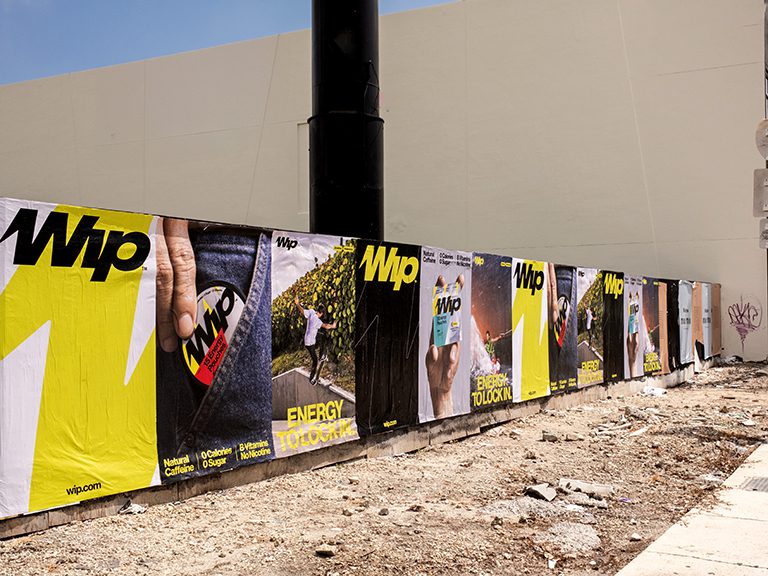
Phoenix is a different kind of convention market. Unlike New York, Chicago, or New Orleans — cities where attendees walk between the convention center, their hotels, and their evening entertainment destinations on dense pedestrian corridors — Phoenix’s spread-out geography means convention attendees move primarily by shuttle, rideshare, and car. That changes the campaign architecture significantly. The formats that dominate walkable convention markets need to be supplemented and in some cases replaced by formats that reach attendees at the specific transition points where they do, in fact, move on foot.
Our team executes convention-period campaigns in Phoenix for technology companies, healthcare brands, B2B software companies, and consumer businesses. We understand the specific geography of the Phoenix Convention Center approach zone, the hotel cluster dynamics along Central Avenue and Adams Street, the evening entertainment geography of Roosevelt Row and Old Town Scottsdale, and how to build campaigns that work in this market rather than transplanting approaches designed for denser cities.
This guide covers where campaigns run in Phoenix during convention periods, which formats perform in this specific geographic context, how campaign timing maps to the Phoenix convention calendar, and what the full operational picture looks like.
The Phoenix Convention Center Approach Corridor
The Phoenix Convention Center occupies a large campus bounded by 3rd Street to the east, Washington Street to the south, and Central Avenue to the west. The Convention Center is connected to the light rail system at the Washington/Central and 3rd Street/Washington stations, which creates genuine pedestrian approach windows that do not exist at auto-dependent suburban convention venues.
Attendees walking from the light rail to the convention center, and from the adjacent hotel properties to convention entrances, move through a compressed corridor where wheatpaste placements, sidewalk stencils, and street team deployments create high impression frequency within a small geographic area. These windows are the primary engagement points for street-level campaign formats in the Phoenix convention environment.
The Renaissance Phoenix Downtown Hotel, the Hyatt Regency Phoenix, and the Hampton Inn & Suites Downtown are the closest hotel properties to the Convention Center. The sidewalk zones adjacent to these properties and the cross-blocks connecting them to the convention entrances are our primary deployment targets for morning and evening campaign windows.
Roosevelt Row: Evening Entertainment Target Zone
Roosevelt Row Arts District, running along Roosevelt Street between 3rd Street and 7th Avenue, is Phoenix’s most culturally active neighborhood and the primary evening destination for convention attendees who want an authentic local experience rather than a hotel bar. The district’s gallery corridor, restaurants, and nightlife create an evening campaign environment that reaches convention attendees in a relaxed, social context.
Wheatpaste campaigns in Roosevelt Row reach a convention audience during the evening hours when they are furthest from their professional mode and most receptive to brand messages delivered through culturally aligned formats. The arts district aesthetic is compatible with the wheatpaste format in a way that some other Phoenix neighborhoods are not — the visual culture of Roosevelt Row expects and respects bold, graphic street-level communications.
For conventions with a significant creative, tech, or entertainment audience, Roosevelt Row is the most important evening campaign zone in Phoenix. Our wheatpaste poster campaign deployments in this zone are timed to hit the walls before the evening crowds arrive on days two and three of multi-day conventions.
LED Truck Routes for Phoenix Convention Campaigns
Given Phoenix’s lower pedestrian density, LED billboard trucks are often the most effective primary format for convention-period brand visibility. Trucks routed along Central Avenue, Washington Street, and through the downtown hotel approach corridors generate continuous impressions from both pedestrian and vehicle traffic at the concentrated geographic area around the convention center.
Our LED billboard truck operations in Phoenix cover the downtown core with routes that loop the convention center perimeter, approach the major hotel cluster along Central Avenue, and extend into the Roosevelt Row evening zone. These routes operate during morning arrival windows (7:00 to 9:30 a.m.) and evening networking windows (5:00 to 8:00 p.m.) when attendee movement is highest.
For conventions attracting more than 10,000 attendees, we add a second truck on the Old Town Scottsdale route for the evening window, reaching attendees who travel to Scottsdale’s restaurant and bar district for dinner and networking. The Scottsdale Fashion Square and Old Town zones see significant convention attendee foot traffic during evening hours for major Phoenix conventions.
Street Team Programs at Hotel and Shuttle Stops
The Phoenix light rail and convention shuttle infrastructure creates specific high-concentration moments that are ideal for street team deployments. The light rail stations at Washington/Central and 3rd/Washington handle significant convention attendee foot traffic during morning arrivals and evening departures. Our brand ambassador agency deploys teams at these stations during peak windows to reach attendees at the transit transition points where they are most accessible on foot.
Hotel shuttle departure points adjacent to the major downtown Phoenix hotels are a second deployment priority. Attendees waiting for shuttles are stationary, available for a 60 to 90 second brand encounter, and in a receptive professional mode during the morning departure window. Teams briefed on the specific convention and audience profile can engage these attendees with targeted messaging that matches their professional context.
We brief every street team on the specific convention they are working — the industry, the event theme, what the attendees do professionally, and what the brand’s message should accomplish in the time available. Generic street team approaches do not perform in convention environments because the audience has a defined professional identity that demands message relevance.
Sidewalk Stencils at Convention Approach Points
Sidewalk stencil deployments at the pedestrian crossing points on the Convention Center approach corridor and at the hotel-to-convention walking routes create ground-level impressions that reinforce the above-ground campaign formats. We deploy stencils the night before a convention opens and maintain them through the event’s final day.
Phoenix’s dry climate is favorable for stencil longevity — the absence of rain means chalk-based applications hold longer than in humid markets. Our sidewalk stencil crews typically see five to seven days of useful visibility in Phoenix versus three to five days in higher-humidity markets, which makes the format particularly cost-efficient for longer conventions.
Phoenix Convention Calendar and Campaign Timing
The Phoenix Convention Center’s busiest convention season runs October through May, when mild weather makes Phoenix one of the most desirable convention destinations in the country. Summer conventions exist but are significantly fewer due to the heat. Our convention marketing demand peaks in the February through April window when medical, legal, and technology conferences concentrate in the market.
Major Phoenix conventions include Copperstate Rounds (aviation), Southwest Veterinary Symposium, Arizona School Boards Association, and numerous healthcare and professional services conferences. The Super Bowl brings its own convention-adjacent marketing environment in years when Phoenix hosts the game, with significant attendee spending in the downtown and Scottsdale zones.
We recommend booking 6 to 10 weeks before any Phoenix convention campaign. The October through April window creates demand density that narrows surface options and crew availability for campaigns booked inside four weeks. For Super Bowl and other mega-event windows, lead times of 12 to 16 weeks are appropriate.
Cross-Format Campaign Architecture for Phoenix
The effective Phoenix convention campaign architecture combines an LED truck as the primary awareness format with a targeted street team deployment at transit and hotel shuttle points as the human-contact layer. Sidewalk stencils at the convention approach corridor add the ground-level impression that fills the pedestrian zone. A wheatpaste campaign in Roosevelt Row creates the evening entertainment district presence.
This architecture is different from what we build in walkable markets. Phoenix requires more mobile formats and fewer static placements because the audience mobility pattern does not concentrate foot traffic on a single corridor in the same way it does in New York or Chicago. The LED truck compensates for that dispersal by following the audience rather than waiting for them to walk by.
For brands running digital campaigns simultaneously, we coordinate the street-level formats to run during the same dates so digital retargeting reaches attendees who have already encountered the brand physically in their convention environment. That cross-channel coherence — same message, physical and digital — consistently outperforms either channel running independently.
Reporting and Documentation
Every Phoenix convention campaign is documented with GPS route logs for LED truck deployments, geo-tagged photography at all stencil and wheatpaste placements, street team hourly activity reports, distribution counts, and a post-campaign summary report delivered within 48 to 72 hours. Clients receive full documentation of what ran, where, and when — not an impression estimate based on modeled data.
How Phoenix Convention Campaigns Integrate with Digital Programs
Street-level convention campaigns in Phoenix work most effectively when they are coordinated with the brand’s digital advertising running in the same geographic market during the same dates. Attendees who encounter the brand’s physical campaign in the downtown corridor and then see the same creative in a social media retargeting ad have a coherent cross-channel brand experience. That coherence — same visual identity, same message, same timing — produces better digital performance than either channel would generate independently.
For brands with LinkedIn-targeted advertising aimed at convention attendees by job title and company, the Phoenix convention street campaign creates the physical awareness layer that makes the LinkedIn impressions land with greater force. The sequence is the key: physical impression first, digital reinforcement second. Reversing that sequence is less effective because the physical impression creates the memory anchor that makes the digital impression meaningful.
We coordinate campaign timing with clients’ digital teams and provide campaign start and end dates, market geography, and impression zone maps that allow digital teams to set geographic and date parameters for retargeting that align precisely with the street-level campaign window.
What to Expect: The Phoenix Convention Campaign Process
The campaign process for Phoenix convention marketing follows a consistent structure. The brief stage covers the specific convention, the campaign dates, the target audience profile, the brand’s message objectives, and the available budget. From the brief, we build a recommended campaign architecture covering format selection, zone targeting, deployment schedule, and crew requirements.
Surface scouting in Phoenix typically takes one to two weeks. The campaign’s wheatpaste surfaces, stencil locations, and LED truck route are confirmed before the campaign goes into production. Print production and materials shipping require two to three weeks from creative file approval. Crew scheduling and briefing occur in the week before the campaign launch.
During the campaign, our operations team in Industry City, Brooklyn, New York maintains real-time communication with the Phoenix crew. Field reports are submitted at the start and end of each deployment day. Any surface or operational issues are escalated and resolved within hours. Clients receive interim documentation — photographs and field notes — throughout the campaign window so they are informed of campaign progress without waiting for the final report.
Post-campaign reports covering all placements, GPS truck logs, street team activity, and impression estimates are delivered within 48 to 72 hours of the campaign’s final day.
Working with AGM on Your Phoenix Campaign
Our Phoenix convention marketing process is designed to minimize the time and management burden on clients while maintaining full campaign control and visibility. From the initial brief, we build a complete campaign proposal within 48 hours that covers the specific convention, the recommended format mix, the target zones, the deployment schedule, and the cost breakdown. Once the brief is approved, we handle all surface scouting, crew coordination, print production, and logistics from our operations center.
Clients receive interim field reports during the campaign with photographs from each deployment, so there is no waiting for a post-campaign report to know how the campaign is going. For clients attending the convention themselves, we can provide real-time updates so they can see the campaign’s field presence during the event period rather than learning about it afterward. That real-time visibility gives clients the confidence to reference the campaign in convention floor conversations without waiting for documentation.
Post-campaign reports are delivered within 48 to 72 hours of the last deployment day. The report covers all placement photography organized by zone, GPS truck route logs, street team activity summaries, and an impression estimate. We also include a brief strategic assessment of which elements performed strongest and what we would adjust in a follow-on campaign, so the learning from each Phoenix execution informs future program decisions.
Scottsdale as an Evening Campaign Extension Zone
Old Town Scottsdale is a consistent evening destination for Phoenix convention attendees, particularly for conventions with a professional audience that prefers the restaurant and bar scene in Scottsdale’s walkable core over downtown Phoenix options. The area around Scottsdale Road between Indian School Road and Camelback Road hosts the highest concentration of nightlife venues catering to the convention attendee demographic. Evening LED truck routes through this zone, timed to the dinner and post-dinner windows from 6:00 to 10:00 p.m., reach convention attendees in a social context distinct from the professional convention environment.
For conventions where the audience profile skews toward higher-income professionals — medical, legal, financial services — the Scottsdale route often outperforms strictly downtown deployments in terms of audience quality per impression. The self-selection effect of attendees who choose to travel to Scottsdale for dinner is meaningful: this is the senior, decision-maker segment of the convention audience making a conscious choice to spend time outside the downtown convention zone.
Industries That Use Phoenix Convention Marketing Most
Technology companies attending major software and hardware conferences are among the most frequent Phoenix convention marketing clients. The city’s growing role as a technology hub — with major semiconductor manufacturing expansion driven by the CHIPS Act and the continued growth of the Scottsdale tech startup ecosystem — makes Phoenix an increasingly important market for enterprise technology brands.
Healthcare and medical device companies use Phoenix convention marketing at the medical conferences that concentrate during the October through April season. The Arizona healthcare ecosystem, anchored by Mayo Clinic in Scottsdale and Banner Health, makes Phoenix a strong market for healthcare B2B advertising audiences.
Financial services, professional services, and insurance companies attend the professional conferences that constitute the backbone of the Phoenix convention calendar. These audiences — CPAs, attorneys, financial advisors, insurance professionals — are accessible through convention approach and hotel zone campaigns during the event period at a fraction of the cost of trade publication or digital advertising reaching the same professional segments.
Frequently Asked Questions
What is convention marketing in Phoenix?
Convention marketing in Phoenix refers to street-level advertising campaigns timed to major events at the Phoenix Convention Center. Tactics include wheatpaste poster campaigns on the approach corridor, street team distributions at hotel exits and light rail stations, sidewalk stencils near convention entrances, and LED truck routes through downtown Phoenix during convention periods.
What are the best locations for convention marketing in Phoenix?
The Phoenix Convention Center approach corridor on 3rd Street, the downtown hotel cluster along N. Central Avenue and E. Adams Street, Roosevelt Row arts district, and Old Town Scottsdale for conventions attracting a lifestyle or entertainment audience are the strongest convention-period campaign zones in the Phoenix market.
What conventions are held at the Phoenix Convention Center?
The Phoenix Convention Center hosts more than 300 events annually including major technology, medical, legal, and business conferences. The venue’s 900,000 square feet of total space makes it one of the largest convention facilities in the Southwest.
How far in advance should I book a Phoenix convention marketing campaign?
We recommend booking 6 to 10 weeks before the convention. Phoenix’s convention market is dense in the October through May season. Campaigns booked well in advance secure better surface access and crew scheduling options. For the Super Bowl and other mega-events, 12 to 16 weeks is appropriate.
What does a Phoenix convention marketing campaign cost?
Convention-period campaigns in Phoenix start around $6,500 for a focused street team or stencil deployment and range to $30,000 or more for multi-format campaigns covering the convention center approach corridor, hotel blocks, and Roosevelt Row. We provide custom proposals within 48 hours.
Does AGM operate in Phoenix?
Yes. We execute campaigns in Phoenix and across 50+ U.S. markets. Our Phoenix operations cover the Convention Center corridor, downtown hotel zone, Roosevelt Row, and Old Town Scottsdale. All campaigns are GPS-documented with photo verification.
What formats work best for convention marketing in Phoenix?
Given Phoenix’s lower pedestrian density, LED billboard trucks are particularly effective because they follow attendee movement. Street team deployments at hotel shuttle stops and light rail stations are effective for direct contact. Wheatpaste campaigns in Roosevelt Row reach the creative audience during evening networking.