
September 12, 2026
Mobile Billboards Boston: LED Truck Advertising in the Hub 2026
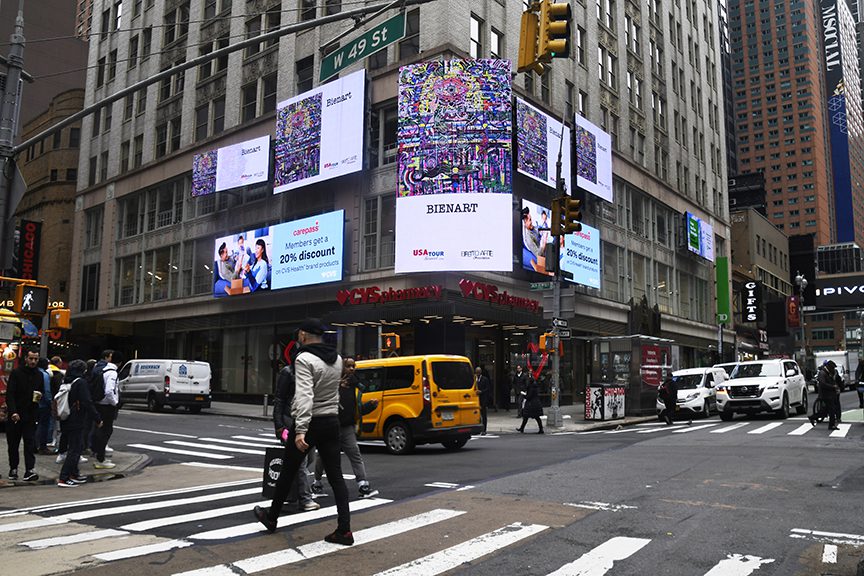
Boston’s tight streets, dense neighborhoods, and strong university presence make it a distinctive mobile billboard market. Knowing where to run — and where not to — is the difference between a campaign that lands and one that gets stuck in traffic.
Mobile billboard advertising in Boston operates differently than it does in New York or Los Angeles. Boston is a smaller city by area and population density, but its street layout — built on colonial-era paths rather than a modern grid — creates both constraints and opportunities. Knowing the market is the baseline requirement for running an effective truck campaign here.
AGM has operated mobile billboard campaigns in Boston across a range of campaign types: consumer product launches, entertainment promotions, political advertising, real estate developments, and event-adjacent activations near Fenway Park, TD Garden, and the Seaport. This guide covers the specifics of the Boston market for mobile billboard advertising.
The Boston Market: What Makes It Distinct
Boston is a mid-size city with an outsized concentration of specific demographics. The university presence — MIT, Harvard, Boston University, Northeastern, Tufts, and dozens of others — creates a highly educated, younger-skewing resident and student population that concentrates in specific neighborhoods. The city’s financial services, healthcare, and biotech sectors bring a professional and executive demographic that concentrates in different areas.
For mobile billboard advertisers, this means audience geography in Boston is more segmented than in many other markets. The right route for a consumer tech product launch in the 22-30 demographic is very different from the right route for a wealth management firm targeting high-net-worth individuals, even though both are targeting people who live and work in the same metro area.
Street Layout Considerations
Boston’s street layout is notoriously non-grid. Streets that look like they connect on a map often dead-end, turn into pedestrian-only zones, or suddenly narrow to dimensions that a box truck cannot navigate. This is not a minor operational concern — it is a planning requirement. Route design for Boston truck campaigns must account for one-way traffic patterns, street-width constraints, and the location of traffic management zones that restrict commercial vehicle movement during peak hours.
AGM maps every Boston route against actual street dimensions and traffic restrictions before confirming with an operator. A route that looks reasonable on a satellite map has caused campaigns to fail in Boston because a key segment was impassable for the truck size being used.
In Boston, route design is more complex than in grid-layout cities. AGM’s Boston routes are built on direct knowledge of the street network, not just map-based planning. Every route is confirmed against actual truck access before the campaign is confirmed.
Key Neighborhoods for Mobile Billboard Campaigns in Boston
Back Bay
Back Bay is Boston’s premium commercial and retail neighborhood. Newbury Street — Boston’s equivalent of a high-end retail corridor — runs eight blocks from the Public Garden to Massachusetts Avenue and generates consistent heavy pedestrian traffic seven days a week. Boylston Street parallels Newbury and carries both pedestrian and significant vehicle traffic. The Prudential Center area at the southern end of Back Bay is a major transit and retail hub.
Back Bay works for campaigns targeting upscale consumers, fashion and lifestyle brands, financial services, luxury real estate, and any brand that wants association with an affluent urban demographic. Truck routes along Newbury and Boylston during lunch hours and weekend afternoons deliver the highest pedestrian counts in the neighborhood.
South End
The South End has become Boston’s dining and creative-class neighborhood. Restaurant Row along Columbus Avenue and Tremont Street is among the densest restaurant concentrations in the city. The neighborhood attracts a creative professional demographic — designers, architects, marketers, media, arts — that skews 28-45 and values brand authenticity.
Mobile billboard routes in the South End work best in the early evening (6-9 PM) when restaurant traffic is at peak. Weekend brunch hours (10 AM – 2 PM) are also high-traffic windows as neighborhood residents and visitors concentrate around the restaurant corridors.
Seaport District
The Seaport has transformed into Boston’s fastest-growing commercial district. The Boston Convention and Exhibition Center anchors the east end of the Seaport and hosts major conferences throughout the year. The restaurant and retail corridor along Seaport Boulevard and Northern Avenue connects to the waterfront and generates strong pedestrian traffic during business hours and evenings.
For B2B brands targeting conference attendees, the Seaport is one of the most valuable mobile billboard routes in the city. Running a truck on Seaport Boulevard and Summer Street during a major conference week concentrates the campaign in front of exactly the professional audience the advertiser is trying to reach. For consumer brands, Seaport works particularly well in the evening when younger professionals who live and work in the district are out for dinner and drinks.
Downtown Crossing and Financial District
Downtown Crossing is Boston’s central retail and transit hub. The area around Washington Street, Winter Street, and Summer Street sees extremely high foot traffic from transit commuters, office workers, and shoppers. The adjacent Financial District — Congress Street, State Street, and the waterfront blocks — concentrates Boston’s banking and legal community during business hours.
Campaigns targeting a broad downtown Boston audience or specifically the professional financial-services demographic should route through this area during morning arrival (8-10 AM) and evening departure (5-7 PM) windows when commuter foot traffic is at peak.
Cambridge: Harvard Square and Kendall Square
Cambridge is technically a separate city from Boston but is directly connected and functions as an extension of the metro area for mobile billboard campaigns. Harvard Square generates consistently dense foot traffic from students, faculty, and tourists seven days a week, with evening peaks on weekend nights. Kendall Square hosts MIT and a dense concentration of biotech, pharma, and technology companies that creates a high-value professional audience during business hours.
Routes crossing into Cambridge via the Charles River bridges add meaningful coverage for campaigns targeting these specific demographics without significantly complicating the route logistics.
Event-Adjacent Mobile Billboard Opportunities in Boston
Boston’s major venues generate predictable concentrated foot traffic that makes event-adjacent truck campaigns highly efficient.
Fenway Park
Red Sox games at Fenway Park generate some of the most concentrated foot traffic in the city on game days. The Kenmore Square and Lansdowne Street areas surrounding Fenway fill with fans 90 minutes before first pitch and again immediately after the final out. A truck campaign positioned in the Kenmore-Fenway corridor during game arrival and departure windows hits an extremely dense audience in a small geographic area.
TD Garden
TD Garden hosts the Celtics and Bruins and is located above North Station, one of Boston’s major transit hubs. Pre-game and post-game crowds funnel through North Station and the surrounding Causeway Street area. Campaigns positioned here during event windows reach both the arena audience and the significant commuter traffic that passes through North Station at the same time.
Boston Convention and Exhibition Center
The BCEC in the Seaport hosts major conventions, trade shows, and conferences throughout the year. Event-specific campaign timing around conferences can position a mobile billboard in front of thousands of professional attendees during the highest-concentration periods: conference morning arrival, lunch break, and evening departure.
| Neighborhood / Zone | Primary Audience | Best Campaign Hours |
|---|---|---|
| Newbury Street / Back Bay | Upscale consumers, tourists | 12 PM – 6 PM daily |
| South End (Restaurant Row) | Creative professionals, 28-45 | 6 PM – 10 PM weekdays/weekends |
| Seaport District | Tech/biotech professionals, conference attendees | 8 AM – 6 PM weekdays |
| Downtown Crossing | Broad urban, commuters | 8 AM – 2 PM, 5 PM – 7 PM |
| Harvard Square, Cambridge | Students, academics, tourists | 11 AM – 9 PM daily |
| Kendall Square, Cambridge | Tech/biotech, professional | 8 AM – 6 PM weekdays |
| Fenway / Kenmore | Sports fans, students | Game day arrival/departure |
Seasonal Considerations for Boston Mobile Billboards
Boston’s climate affects mobile billboard campaign planning more than in warmer-weather markets. The city’s winters create operational challenges — cold temperatures affect vinyl panel adhesion and flexibility, and snow creates driving and parking complications. Winter campaigns are possible but require more careful planning and operator coordination than summer campaigns.
The spring and fall shoulder seasons offer the best combination of walkable weather and strong pedestrian foot traffic without the summer tourist surge that can dilute the targeting value of specific neighborhood routes. Summer brings high foot traffic but also high tourism, which shifts the demographic profile of areas like Back Bay and Harvard Square toward out-of-towners rather than local residents and workers.
Boston’s best season for mobile billboard campaigns targeting local professional and consumer demographics is September through November. Fall brings students back to the universities, conference season peaks at the Seaport, and the weather supports high pedestrian activity without the summer tourist mix.
How to Plan a Mobile Billboard Campaign in Boston with AGM
AGM’s process for Boston mobile billboard campaigns starts with audience geography: identifying which neighborhoods contain the most relevant concentration of the target demographic, and building the route from there. Because Boston’s street layout requires specific route testing against truck access constraints, AGM confirms route viability with the local operator before finalizing the campaign plan.
For event-adjacent Boston campaigns, AGM builds the route specifically around event timing — not a generic route that happens to pass near the venue, but one designed to concentrate the truck near the venue access points during the exact windows when audience concentration is highest.
All Boston campaigns include GPS tracking during operation, timestamped photo documentation throughout the day, and a post-campaign summary report delivered within 48 hours of campaign completion.
Boston’s University Neighborhoods: A Mobile Billboard Advantage
Boston’s extraordinary concentration of universities creates a mobile billboard opportunity that few other U.S. cities match. The Fenway-Kenmore area is surrounded by Boston University, Northeastern, Wentworth, and MassArt. Cambridge hosts Harvard and MIT. Medford is home to Tufts. Within a 5-mile radius of downtown Boston, there are more than 150,000 university students representing some of the most sought-after consumer demographics in the country.
For brands targeting the 18-28 age group, Boston’s university geography makes mobile billboard route design straightforward. The Commonwealth Avenue corridor through Boston University, the Massachusetts Avenue bridge between the Back Bay and Cambridge, and Huntington Avenue through the Fenway-Longwood area all carry high concentrations of students during academic terms. Running a truck through these corridors during class-change hours, at lunch, or in the evening generates concentrated exposure to this demographic without the dilution that comes from running through more general commercial areas.
Academic calendar timing matters. The most effective windows for student-targeting campaigns in Boston are: September through mid-November (fall semester, full student population), late January through late April (spring semester), and May (graduation and end-of-year events that concentrate students, families, and alumni). Summer brings a reduced student population as most leave for internships and home.
The Longwood Medical and Academic Area
The Longwood Medical Area on the western edge of the Fenway neighborhood is one of the most concentrated healthcare and medical research environments in the world. Harvard Medical School, Brigham and Women’s Hospital, Boston Children’s Hospital, Dana-Farber Cancer Institute, and dozens of related institutions and pharmaceutical companies create a unique professional audience that is otherwise difficult to reach through outdoor advertising.
For healthcare, pharmaceutical, medical technology, and professional services brands targeting this audience, mobile billboard routes through the Longwood area during business hours deliver specific exposure to one of the most specialized professional demographics in the city. The area’s main corridors — Longwood Avenue, Brookline Avenue, and Huntington Avenue — carry both the professional medical audience and the Northeastern/MassArt student population.
Event Calendar: Boston’s Seasonal Mobile Billboard Opportunities
Boston’s seasonal event calendar creates predictable windows of concentrated audience activity that make event-adjacent mobile billboard campaigns particularly efficient.
Marathon Monday
The Boston Marathon is one of the largest annual athletic events in the country, drawing hundreds of thousands of spectators along the 26.2-mile course through Newton, Brookline, and the Back Bay. The Boylston Street finish line area and the surrounding Back Bay blocks are among the most densely attended outdoor public spaces in the city on Marathon Monday. A mobile billboard campaign positioned in the Back Bay during the race’s final hours reaches an extraordinary concentration of spectators, media, and event participants.
Red Sox Home Opener and Playoffs
The Red Sox home opener at Fenway Park is the most attended single sporting event in Boston each year. The Kenmore-Fenway corridor on opening day concentrates both the game audience and the broader Boston sports culture in a compact area. Playoff periods amplify this further — the bars and restaurants around Fenway fill to capacity for games, and the surrounding blocks carry high foot traffic for hours before and after each playoff game.
Boston ComicCon and Fan Conventions
Boston hosts several significant fan and pop culture conventions throughout the year at the Boston Convention and Exhibition Center in the Seaport. These events concentrate a specific, highly engaged demographic over two to three days. A mobile billboard campaign in the Seaport during a major fan convention reaches an audience that is primed to notice and respond to creative advertising in ways that more general commercial audiences are not.
Boston’s Financial Services and Professional Audience
Boston is one of the major financial services centers in the United States. Fidelity Investments, State Street Corporation, Liberty Mutual, and dozens of investment management firms, insurance companies, and professional services organizations headquartered in or near Boston create a concentrated professional audience that is valuable for specific categories of advertiser.
Financial services companies marketing to other financial professionals, professional services firms, business software vendors, corporate travel and hospitality, and premium consumer brands targeting high-earning professionals all benefit from Boston’s financial services concentration. The geographic core of this audience is the Financial District in downtown Boston, the Back Bay office towers around the Prudential Center, and the Route 128 technology and financial services corridor west of the city.
For mobile billboard campaigns targeting this professional audience, weekday business hours are the primary campaign window. The Financial District at midday (11 AM – 2 PM), the Back Bay office corridors during morning and evening commute, and the Seaport District’s business hours all deliver concentrated access to Boston’s professional and financial services demographic. The lunch window is particularly effective because it takes the professional audience out of their buildings and onto the street where the truck campaign can reach them.
The Route 128 Corridor and Suburban Extension
Boston’s technology and financial services industry extends significantly beyond the city proper into the Route 128 suburban corridor — a ring of towns including Waltham, Lexington, Woburn, Burlington, and Framingham that house major corporate headquarters and technology companies. For campaigns targeting this broader professional audience, mobile billboard campaigns that extend into the Route 128 corridor require a different vehicle strategy (highway-adjacent routes rather than urban pedestrian zones) but reach a high-income, professional demographic that urban Boston routes alone cannot cover.
This suburban extension is particularly relevant for B2B technology, financial services, healthcare technology, and enterprise software campaigns that want to reach decision-makers in the Boston metro’s corporate headquarters rather than just the downtown professional services cluster. Truck campaigns that run a downtown Boston route in the morning and transition to a Route 128 corridor route in the afternoon can cover both the downtown professional audience and the suburban corporate audience in a single campaign day.
Boston Mobile Billboard Campaigns for Higher Education and Healthcare
Boston’s extraordinary concentration of higher education institutions and healthcare organizations creates advertising opportunities unique to this market. No other U.S. city of Boston’s size has comparable density of universities, teaching hospitals, research institutions, and healthcare companies in such a compact geography.
For advertisers targeting the higher education sector — academic publishers, educational technology companies, student financial products, faculty recruitment services — the neighborhoods around Boston’s major universities are the highest-concentration zones in the country. The Fenway-Longwood corridor, the Harvard Square and MIT area in Cambridge, and the Northeastern-Wentworth belt in the Mission Hill neighborhood all deliver dense university audiences during academic terms.
For healthcare and life sciences advertisers, the Longwood Medical Area and the Cambridge biotech cluster (Kendall Square) are among the most specialized professional advertising zones in the world. A truck campaign in the Longwood Medical Area during business hours reaches the highest concentration of clinical researchers, medical professionals, and healthcare executives of any route in the city. For healthcare technology, pharmaceutical services, clinical trial recruitment, and medical professional targeting, these zones are unmatched in their audience specificity.
Coordinating Boston Mobile Billboard Campaigns with Local Events
Boston’s event calendar offers recurring annual events that create predictable audience concentrations. Planning mobile billboard campaigns around these events allows brands to access audiences at moments of maximum geographic concentration and heightened engagement.
The Boston Marathon in April creates one of the most remarkable pedestrian advertising opportunities in the country. The 26.2-mile race course passes through Newton, Brookline, and ends on Boylston Street. Hundreds of thousands of spectators line the course, with the highest concentrations at Heartbreak Hill in Newton, Coolidge Corner in Brookline, and the final miles through the Back Bay. A mobile billboard campaign positioned in the Back Bay and Boylston Street corridor during the marathon finish reaches an audience that is simultaneously engaged with the event and receptive to brand presence in their visual environment.
Beanpot Tournament in February concentrates the college hockey audience around TD Garden and the surrounding North End and Beacon Hill neighborhoods. Beanpot week is one of the highest-profile university sports events in Boston and generates significant student and alumni foot traffic that brands targeting college audiences can access through well-timed truck campaigns.
Boston Mobile Billboard Campaigns for Consumer Brands
Consumer brand advertising in Boston requires navigating the city’s distinct neighborhood culture. Boston consumers are famously loyal to brands that demonstrate genuine local presence and genuine understanding of the city’s culture. Advertising that feels out of place — campaigns that clearly do not understand Boston’s neighborhoods, that use generic “big city” imagery rather than Boston-specific creative, or that position near locations associated with rival sports teams or cities — registers negatively with Boston audiences in ways that may not be true in less culturally distinctive markets.
The practical implication for mobile billboard creative in Boston is: be specific to Boston, not generic to urban environments. A creative that references local landmarks, uses language or visual cues that resonate with Boston residents, or positions specifically in the neighborhoods where the brand’s target customer lives creates a connection that a generic national creative running on a Boston truck cannot match. This does not mean the creative needs to be completely redesigned for Boston; it means the creative choices should reflect an understanding of the market rather than being obviously repurposed from a national campaign without local adaptation.
For brands entering the Boston market for the first time, a mobile billboard campaign that covers the Right neighborhoods — Back Bay for premium consumers, South End for creative professionals, Seaport for the tech and business audience — signals that the brand has done the work to understand where its Boston customer is. This geographic specificity is itself a form of brand communication that Boston consumers notice and respond to.
AGM’s Boston market knowledge includes understanding which neighborhoods are culturally significant for specific brand categories and how to design routes that position the brand authentically rather than just covering square miles of the city. This contextual knowledge is applied to every Boston campaign brief and is reflected in the route recommendations that AGM makes for new Boston campaign clients.
Boston Mobile Billboard Campaign Mistakes to Avoid
Boston campaigns fail in predictable ways when they are planned without specific market knowledge. The most common mistakes AGM has observed in Boston campaigns that were planned by operators without deep local knowledge:
Routing through narrow streets in Beacon Hill or the North End that cannot accommodate a standard box truck. These historic neighborhoods have streets designed for horse-drawn carriages, not commercial vehicles, and discovering this during the campaign day forces improvised route changes that waste time and miss target locations.
Ignoring the academic calendar. Boston has one of the most dramatic seasonal population shifts of any major U.S. city because of its university concentration. Campaigns targeting student audiences planned for summer months will find campuses nearly empty. Campaigns targeting Back Bay professionals planned for mid-August will find the neighborhood quieter than usual as vacationing residents leave the city.
Failing to account for the Marathon route in April. The Boston Marathon closes major sections of the city to vehicle traffic on Marathon Monday. Campaigns that do not account for this annual closure end up with trucks that cannot reach their planned route segments and improvised alternatives that cover lower-value areas.
Treating Boston as a simpler version of New York or a larger version of Providence. Boston has its own distinct geography, culture, and audience concentrations that require specific market knowledge rather than assumptions transferred from other Northeast cities. AGM’s Boston market knowledge is built from years of campaign operations in the city, not from geographic proximity or general Northeast U.S. experience.
Booking a Mobile Billboard Campaign in Boston: Timing and Lead Time
Boston is a market where campaign booking lead time varies significantly by season and event calendar. Summer and fall campaigns during high-activity periods — the Marathon window in April, the summer street festival season, the September-October sports and conference season — fill earlier than winter campaigns because demand from other advertisers concentrating in the same windows is higher.
For campaigns tied to specific Boston events (Fenway Park game-day adjacency, TD Garden events, major Seaport conferences), booking 3-4 weeks in advance of the desired dates is recommended to confirm truck availability and begin parking logistics for the specific event. Last-minute bookings for event-adjacent campaigns in Boston frequently encounter unavailability for the specific game or event day requested.
For campaigns without specific event ties, AGM recommends a 10-14 business day lead time for static vinyl campaigns and 7-10 business days for LED campaigns where creative is available at booking. This lead time allows for route design review, print production and installation for static campaigns, and operator briefing before the campaign begins. Rush bookings with less than 7 business days lead time may be possible depending on operator availability and creative readiness but should not be assumed as a planning default.
AGM confirms Boston campaign availability when the inquiry is submitted and will advise on the minimum viable lead time for the specific campaign type being requested. Clients with firm launch dates should initiate the booking conversation as early as possible to secure availability and allow adequate production lead time.
Frequently Asked Questions
Where do mobile billboard trucks operate in Boston?
The most effective zones for mobile billboard trucks in Boston include Back Bay along Newbury Street and Boylston Street, the South End, the Seaport District, downtown crossing, and Cambridge around Harvard Square and Kendall Square.
Are there street restrictions for mobile billboard trucks in Boston?
Boston has a tight, historically constrained street layout with many one-way streets and narrow corridors. Route planning in Boston requires knowledge of which streets can actually accommodate a box truck without creating traffic problems. AGM confirms route viability before every Boston campaign.
Can mobile billboards reach Cambridge from Boston?
Yes. Cambridge is a separate city but is connected to Boston by several major crossings. Mobile billboard routes can cross into Cambridge to cover Harvard Square, Central Square, and Kendall Square without significant logistical barriers.
When is the best time to run a mobile billboard in Boston?
Lunch hours on weekdays (11 AM – 2 PM) and evenings on weekdays and weekends (5 PM – 9 PM) are the highest-traffic windows in Boston’s commercial and entertainment districts. Event-adjacent timing near TD Garden, Fenway Park, or the Seaport conference facilities also delivers strong concentrated exposure.
Does AGM operate mobile billboard campaigns in Boston?
For more on this, explore our guerrilla marketing services.
For more on this, explore our experiential marketing.
Yes. AGM operates mobile billboard campaigns in Boston through a vetted local operator network. Campaigns include route design, GPS tracking, photo documentation, and post-campaign reporting.

Ready to Run Your Campaign?
Call us or email us. We’ll tell you exactly what we can do in your market and what it costs.
Related Services
Explore similar advertising solutions offered by American Guerrilla Marketing.
American Guerrilla Marketing — Los Angeles
Street-level campaigns in Los Angeles and nationwide. Wheatpasting, LED trucks, street teams, and more.
(646) 776-2770
Related Articles
-
Street Poster Advertising Ottawa: A Complete Campaign Guide
September 17, 2026
-
Activation Marketing: How Brands Win at Street Level
September 13, 2026
-
Experiential Marketing Firms Chicago | American Guerrilla Marketing
September 12, 2026
-
Pop Up Experiential
September 12, 2026
-
Mobile Pop Up
September 12, 2026