Vermont’s advertising market is small by most national metrics. Burlington, the state’s largest city, has a population of roughly 45,000 in the city proper and about 225,000 in the broader metro area. But those numbers understate the advertising opportunity in meaningful ways. Vermont has one of the highest median household incomes in New England, one of the most educated populations in the country, and a consumer culture that is strongly oriented toward local, independent, and quality-driven brands that traditional advertising rarely captures effectively.
Local advertising vermont means showing up where Vermont’s audiences actually concentrate: Church Street Marketplace in Burlington, the farmers markets and arts festival circuits, the ski resort villages in Stowe and Killington, and the college town environments of Burlington, Middlebury, and Montpelier. These are tight, walkable, high-engagement environments where guerrilla marketing produces the kind of brand recall that broadcast advertising rarely achieves in markets of any size.
Our team at American Guerrilla Marketing deploys across Vermont’s urban and resort markets with the same planning rigor and documentation discipline we apply in major coastal metros.
Why Guerrilla Marketing Is Especially Effective for Local Advertising in Vermont
Vermont’s consumer audience has characteristics that make it distinctly responsive to guerrilla marketing and distinctly resistant to traditional advertising. The state has extremely high rates of public radio listening, streaming media consumption, and ad blocker usage among its educated, technologically sophisticated population. Traditional broadcast and digital display formats face an uphill battle reaching Vermont’s core consumer demographic through their habitual media consumption patterns.
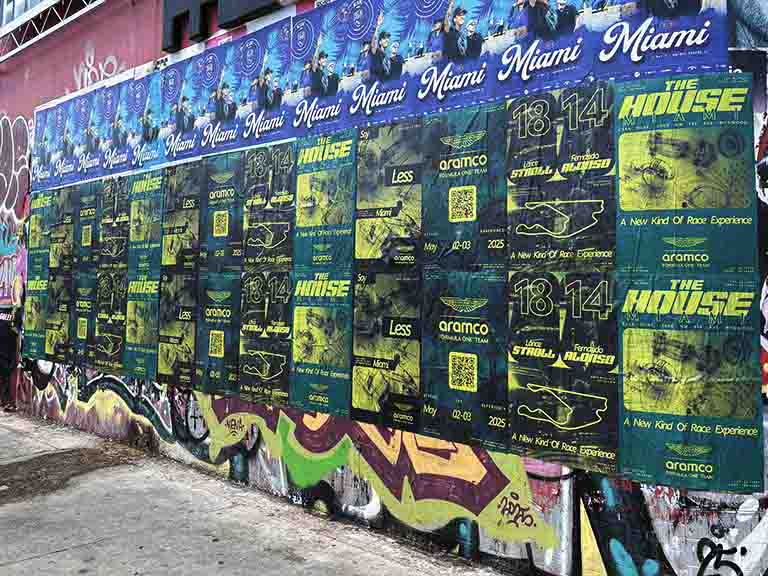
Physical, street-level advertising bypasses all of these filters. A sidewalk stencil on Church Street Marketplace is not subject to ad blocking. A wheatpaste poster in the South End Arts District is not one of fifty competing display ads on a crowded webpage. An LED billboard truck on Williston Road at 5 p.m. on a weekday is not competing with a podcast or a Spotify playlist. Physical advertising in Vermont’s most active pedestrian zones reaches the audience that has most comprehensively tuned out every other advertising channel.
The state’s strong arts and design culture also means that Vermont’s urban audiences are more visually literate and aesthetically demanding than comparable-size markets in other regions. Well-executed, visually compelling guerrilla advertising in Burlington and Montpelier is evaluated by an audience that notices good design and shares it. Bad creative gets ignored. Great creative earns organic amplification through the social networks of exactly the demographics Vermont’s most ambitious brands want to reach.
Church Street Marketplace and Burlington Local Advertising
Burlington’s Church Street Marketplace is the commercial heart of the city and the highest-concentration pedestrian zone in Vermont. The four-block pedestrianized commercial strip connecting Pearl Street to Bank Street draws local shoppers, UVM students, and visitors year-round, with peak activity during summer months when the Marketplace’s outdoor programming and Burlington’s broader tourist season are in full swing.
Sidewalk stenciling on Church Street’s brick and concrete surfaces is one of the most visible forms of local advertising available in Vermont. The pedestrianized nature of the street means every visitor passes through on foot, at pedestrian pace, with the kind of dwell time that allows detailed message absorption that is impossible in a vehicle-traffic environment. A branded directional message on Church Street that connects to a nearby store, event, or brand activation is genuinely functional as well as promotional.
Street team activations on Church Street during peak Saturday and weekend programming reach the largest continuous foot traffic flow in the Vermont market. Ambassador engagement at the Saturday Farmers Market, which operates adjacent to the Marketplace on City Hall Park, adds thousands of additional consumer touchpoints per deployment day.
South End Arts District: Burlington’s Creative Neighborhood
Burlington’s South End Arts District, centered along Pine Street south of downtown, houses the highest concentration of creative businesses, studios, galleries, and food and beverage producers in the state. The South End Arts & Business Association’s annual SEABA Art Hop brings thousands of visitors to the district in a single weekend, creating one of Vermont’s most concentrated single-event local advertising activation windows.
The year-round pedestrian and creative community environment of the South End supports poster campaigns and stencil placements that reach the design, arts, food, and creative professional demographic that has made the district one of Vermont’s most dynamic economic zones. Brands targeting this audience in Vermont’s largest market will find the South End an essential activation zone.
UVM Campus and Burlington’s College Audience
The University of Vermont’s 14,000-student body and the associated faculty, staff, and professional community create a concentrated, educated, and consumer-active audience on the central campus and in the surrounding College Street and Main Street neighborhoods. UVM’s campus pedestrian corridors, the downtown bus terminal on Cherry Street, and the residential streets connecting campus to the Church Street commercial zone all offer deployment zones for brands targeting Vermont’s most concentrated young adult and professional consumer audience.
College town advertising dynamics in Burlington are amplified by the fact that Burlington is also the state’s largest city, meaning that the UVM audience overlaps substantially with the city’s broader young professional population. A campaign that targets the UVM zone is simultaneously targeting a significant portion of Burlington’s most economically active consumer segment.
Vermont Resort Markets: Stowe, Killington, and Sugarbush
Vermont’s ski and outdoor recreation resort markets represent some of the highest-income, highest-spending consumer audience concentrations in the Northeast. Stowe Mountain Resort draws visitors from New York, Boston, and across the Northeast who spend heavily on lodging, dining, gear, and experiences during the ski season. The Stowe Village commercial district and the resort access road along Mountain Road are the primary physical advertising zones for brands targeting this audience.
Killington draws the largest ski area attendance in the East, with a younger, more party-oriented demographic that concentrates in the Route 4 commercial corridor around the Killington Access Road. LED truck deployments on this corridor during peak winter weekends reach an enormous concentration of high-spending visitors in a remarkably compact geographic zone.
Sugarbush Resort in the Mad River Valley draws a sophisticated, high-income audience with strong brand loyalty and significant outdoor lifestyle spending. The Warren Village and Waitsfield commercial zones that serve the Sugarbush market provide walkable environments for poster campaigns and ambassador activations targeting this valuable consumer segment.
Vermont Festival and Event Circuit Local Advertising
Vermont’s summer festival circuit is one of the most active in New England relative to the state’s population. The Vermont Brewers Festival, the Burlington Discover Jazz Festival, the Vermont Comedy Festival, the Waking Windows music festival in Winooski, and dozens of local arts and food events throughout the summer season all create concentrated audience moments for guerrilla marketing activations.
We plan brand ambassador and physical advertising deployments around Vermont’s major event calendar to capture the highest audience concentrations at the lowest possible cost per impression. Event audiences in Vermont tend to be more captive and less advertising-fatigued than urban street audiences, making ambassador engagement at event perimeters and approach corridors one of the highest-conversion tactics available in the Vermont market.
Montpelier and Vermont’s Other Markets
Vermont’s state capital, Montpelier, is the smallest state capital in the U.S. by population, but its concentration of state government, lobbyists, policy professionals, and the political and administrative class creates a distinct professional audience that is valuable for B2G, professional services, and policy-adjacent brands. The State Street and Main Street commercial zone surrounding the Vermont Statehouse is the highest-concentration professional advertising zone in central Vermont.
Brattleboro in southern Vermont serves as a gateway market for brands moving audiences from Massachusetts into the Vermont consumer zone. The downtown commercial district along Main Street and the Latchis Theater entertainment zone provide walkable, culturally active environments for local advertising deployments targeting the Windham County market and southbound Vermont tourism traffic.
Vermont’s Health, Wellness, and Natural Products Market
Vermont has an outsized influence on the natural and organic products industry relative to its population. The Vermont Cheese Council, the Natural Foods Expo connections, and the state’s concentration of craft food, beverage, and wellness brands have established Vermont as a nationally recognized center of gravity for the natural products sector. Companies like Cabot Creamery, Magic Hat Brewing, Keurig’s Vermont roots through Green Mountain Coffee, and the broader ecosystem of Vermont specialty food and wellness brands have given the state a consumer-facing identity in the natural products space that attracts brands from outside Vermont trying to access the credibility that the Vermont market confers.
For brands in the natural products, wellness, health food, and organic sectors, the Vermont consumer market is an important test market and credibility-building environment. Vermont’s consumer audience is early to adopt health-forward brands, is willing to pay premium prices for quality and values alignment, and is influential through its word-of-mouth networks in the natural products community. A brand that earns genuine penetration in Vermont’s consumer market gains credibility currency that is valuable in the national natural products conversation.
Local advertising campaigns targeting Vermont’s natural products and wellness audience should be deployed in the commercial zones where this audience concentrates. City Market Co-op on South Winooski Avenue in Burlington, the Healthy Living Market locations in South Burlington and Saratoga, and the farmers market network across the state all create physical environments where health-conscious, natural-products-oriented consumers concentrate at high density. Ambassador programs at these venues, poster campaigns on the surrounding permitted surfaces, and strategic LED truck routes through the co-op and specialty food retail corridors all reach this valuable consumer segment at the points of highest purchase intent.
Creative Strategy for Vermont Local Advertising
Vermont’s consumer culture has a distinct set of values that effective local advertising creative must engage with authentically. The state has one of the strongest buy-local consumer cultures in the country, a deep environmental consciousness that shapes purchasing decisions across product categories, and a skepticism of corporate advertising that is well-developed among both the university-educated professional audience and the longer-term Vermont resident population.
Creative advertising in Vermont that demonstrates genuine local connection, environmental responsibility, or community investment earns audience goodwill that generic promotional messaging does not. This is not about virtue signaling or adding a sustainability claim to otherwise conventional advertising creative. It is about the fundamental way the brand message is framed and delivered. An ambassador who can speak authentically about a brand’s Vermont connections or community values will outperform a scripted promotional pitch with the Burlington and Montpelier audiences consistently.
Poster creative in Vermont’s arts and university neighborhoods works best when it meets the aesthetic standards of the visual environment it inhabits. Burlington’s South End arts community and Church Street zones have an established visual culture that is sophisticated about design quality. Strong typographic work, honest benefit communication, and creative that treats the audience as intelligent and capable of engagement earns better recall than promotional design that talks down to the audience. Vermont’s small market size also means that creative that becomes a locally recognized piece of the visual landscape generates disproportionate word-of-mouth reach relative to the impressions it directly produces.
Vermont’s Tourism Market and Seasonal Advertising Strategy
Vermont’s tourism economy is the foundation of significant seasonal advertising opportunity. The state draws over twelve million visitors annually, with peak concentrations during the summer foliage-hiking season in July and August and the ski season from December through March. These visitor concentrations create distinct advertising opportunities in the resort gateway communities and the Burlington commercial zone that serves as the state’s primary hospitality hub.
Summer tourism in Vermont concentrates along the Route 2 and I-89 corridors connecting Burlington to the Northeast Kingdom, and on the resort town commercial strips of Stowe, Woodstock, and Manchester. LED truck deployments on the Route 2 corridor during summer peak traffic periods reach the vehicle-dependent tourist audience moving between Burlington accommodations and outdoor recreation destinations across the northern part of the state.
Foliage season in late September and October is Vermont’s single highest-traffic tourism period, drawing leaf-peeping visitors from across the Northeast and beyond. The foliage season’s concentration of high-income, culturally engaged visitors in Vermont’s commercial corridors creates a premium advertising window for brands targeting the affluent leisure and lifestyle consumer audience.
Compliance and Permitting for Vermont Local Advertising
Vermont’s outdoor advertising regulatory environment is strongly influenced by the state’s 1968 billboard law, which places Vermont among the strictest billboard regulation states in the country. While AGM’s street-level tactics are categorically different from the billboard formats regulated by this legislation, the state’s overall orientation toward protecting its visual landscape means that compliance is both a legal requirement and a community relations priority for any brand advertising in Vermont’s public spaces.
Burlington’s City Hall and public works department manage outdoor advertising activity in the downtown commercial zone and the Church Street Marketplace. Water-soluble sidewalk stencils comply with Burlington’s regulations for temporary markings in the public right-of-way. Poster campaigns use only surfaces where posting is permitted under the current Burlington ordinances. LED truck operations comply with Vermont vehicle advertising regulations and Burlington’s commercial vehicle routing requirements for the Church Street pedestrian zone and adjacent streets.
Vermont’s community-oriented culture means that compliance goes beyond the regulatory minimum. Brands that activate in Vermont’s public spaces with respect for the community’s aesthetic standards and environmental values earn goodwill that extends beyond the campaign window. We design every Vermont campaign with the community relationship in mind, choosing materials, placement approaches, and creative executions that the local audience will respond to positively and that reflect well on the brand’s relationship with the Vermont communities it is trying to reach.
Vermont’s Growing Tech and Remote Work Economy
Vermont has attracted a significant population of remote workers and technology professionals over the past several years, drawn by the state’s quality of life, outdoor recreation access, and lower cost of living compared to the coastal metros where many of them worked previously. This demographic, concentrated in Burlington’s South End and the growing residential development along the Champlain waterfront, represents a high-income, highly connected professional audience that is well-equipped financially and culturally to engage with brands in the technology, lifestyle, and premium consumer categories.
The remote work demographic in Vermont engages with local brands differently than they engaged with brands in their prior markets. Vermont’s strong community identity and buy-local culture shapes even transplant residents relatively quickly. Brands that invest in genuine local presence and community connection earn loyalty from this demographic at rates that national digital advertising campaigns targeting the same individuals cannot approach. Physical advertising in Vermont’s commercial neighborhoods communicates local investment in a way that digital campaigns cannot replicate.
Measuring Local Advertising ROI in Vermont
Vermont’s compact market size makes campaign performance measurement more straightforward than in larger metros because the geographic scope of any deployment is small enough to create meaningful market-level impact with a focused campaign. A well-executed Burlington poster and stencil campaign genuinely reaches a meaningful fraction of the city’s commercially active consumer audience, not a thin slice of a much larger metropolitan population. That market saturation potential means pre/post awareness surveys in Burlington can produce statistically meaningful results from a single campaign cycle, allowing brand awareness measurement that would require much larger sample sizes in major metros.
QR code scan tracking provides the digital attribution bridge for Vermont campaigns. We recommend landing pages that offer Vermont-specific value, whether a local store locator, a Vermont-specific offer, or content that engages with the market’s specific cultural interests. Vermont’s high QR engagement rates among educated professional and university audiences make physical-to-digital attribution particularly clean in this market.
Frequently Asked Questions About Local Advertising in Vermont
What local advertising tactics work best in Vermont?
Sidewalk stencils on Church Street Marketplace, wheatpaste poster campaigns in Burlington’s arts and college neighborhoods, LED billboard trucks on Route 2 and Williston Road commercial corridors, and brand ambassador activations at Vermont festivals and farmers markets all perform well for brands targeting Vermont’s urban and resort markets.
Can you run guerrilla marketing campaigns in Burlington and Stowe simultaneously?
Yes. We coordinate multi-market Vermont campaigns covering Burlington, Stowe, Montpelier, and other Vermont markets. Each location receives dedicated crew deployment and documentation, with unified reporting across all Vermont market activations.
How does street-level advertising work in Burlington’s Church Street Marketplace?
Church Street Marketplace is a fully pedestrianized commercial zone in the heart of Burlington, drawing both local shoppers and tourists year-round. Sidewalk stencils on the brick and concrete surfaces, street team activations at the Marketplace’s regular vendor events, and poster campaigns on permitted surfaces in the surrounding blocks create sustained brand visibility with Burlington’s consumer audience.
Does AGM provide proof of performance for Vermont local advertising campaigns?
Every placement is GPS-tagged and photographed. LED truck routes include timestamp logs. You receive a complete delivery report for all Vermont campaign elements.
What does local advertising through guerrilla marketing cost in Vermont?
Vermont campaigns typically start around $2,000 to $3,500 for sidewalk and poster work in Burlington. Multi-market campaigns covering Burlington and resort areas like Stowe or Killington range from $5,500 to $14,000 depending on scope and duration.
Can you reach Vermont’s outdoor recreation and ski resort tourist audiences with guerrilla marketing?
Yes. We deploy in Stowe, Killington, and other Vermont resort communities with tactics tailored to the seasonal tourist audience. Base lodge approaches, resort village commercial zones, and the main highway corridors connecting Burlington to resort areas all offer deployment opportunities for brands targeting Vermont’s active outdoor and ski tourism market.
Frequently Asked Questions
What is local advertising vermont?
American Guerrilla Marketing provides local advertising vermont services across 50+ U.S. markets. Every campaign is planned, scouted, executed, and GPS-documented by our field teams. We work with regional brands and Fortune 500 companies on campaigns that require real street-level execution and documented proof of performance.
How does AGM approach advertising vermont?
Our process starts with a market consultation to understand your goals, target audience, and budget. We then scout locations, handle any required permissions or permits, coordinate production and installation with our local crews, and provide a full GPS-tagged photo report after the campaign runs.
What markets does American Guerrilla Marketing cover for advertising vermont?
We operate in 50+ U.S. markets including New York, Los Angeles, Chicago, Miami, Houston, Atlanta, Seattle, Denver, Boston, and dozens of secondary markets. Contact us to confirm availability and pricing for your specific market.
How much does a advertising vermont campaign cost?
Campaign pricing depends on market, format, quantity, and duration. We work with budgets ranging from targeted single-market runs to national rollouts across multiple cities. Use our RFP Builder or contact us directly for a custom quote based on your specific campaign requirements.
How do I get started with advertising vermont through AGM?
The fastest way to get started is to submit your campaign details through our RFP Builder at americanguerrillamarketing.com, or contact us directly at [email protected] or (646) 776-2770. Our team typically responds within one business day with availability and initial pricing.