Utah’s advertising market has transformed dramatically over the past decade. The Wasatch Front corridor from Ogden through Salt Lake City to Provo now houses the highest concentration of technology startups and scale-ups outside of the Bay Area, a booming outdoor recreation economy, a young and rapidly growing population, and a tourism market anchored by world-class ski resorts and the Sundance Film Festival. The brands competing for this market’s consumer and business audience need advertising strategies that are as dynamic as the market itself.
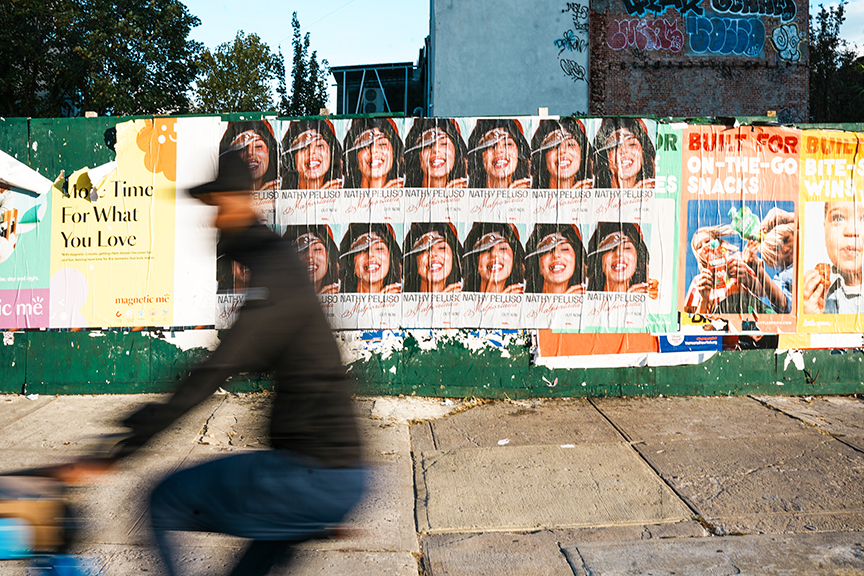
Local advertising utah means getting your brand into the physical environments where Utah’s audiences actually concentrate. Sidewalk stencils in Sugar House and 9th and 9th. LED billboard trucks circling the Delta Center before Jazz games. Wheatpaste campaigns on permitted walls in downtown SLC’s arts district. Brand ambassadors on University Avenue in Provo during BYU game weeks. This is how guerrilla marketing works in Utah, and our team at American Guerrilla Marketing executes these campaigns with full documentation and GPS-tracked proof of performance across every market in the state.
Why Guerrilla Marketing Outperforms Traditional Local Advertising in Utah
Utah’s population skews young, digitally native, and physically active in ways that challenge traditional local advertising formats. The state has one of the youngest median populations in the country, and that young demographic spends proportionally less time with broadcast media and proportionally more time in outdoor and physical environments than any older demographic cohort. Street-level advertising in Utah’s active outdoor and walkable urban zones reaches this audience precisely where it is most present and least filtered by digital ad avoidance behaviors.
The tech industry concentration on the Wasatch Front has also created a sophisticated B2B audience that is heavy on digital media consumption and light on traditional media engagement. For brands trying to reach Utah’s technology professionals, outdoor advertising in the physical environments they inhabit during their commutes, lunch breaks, and after-work routines creates impressions that digital advertising increasingly cannot.
The outdoor recreation and outdoor lifestyle economy that defines much of Utah’s consumer culture also creates a distinctive audience for brands in the active lifestyle, health, gear, and travel categories. Reaching this audience in the context of their outdoor activities, at trailheads, at ski resort village commercial zones, and in the walkable neighborhood commercial districts where they shop and eat, produces the kind of contextually relevant brand exposure that advertising in unrelated media channels cannot replicate.
Downtown Salt Lake City and the Wasatch Front Urban Core
Downtown Salt Lake City has a developing but genuine walkable urban core centered on the Broadway corridor, Temple Square, the Gateway District, and the emerging 9th and 9th and 15th and 15th neighborhood commercial zones. The Delta Center, home of the Utah Jazz and the Utah Hockey Club, generates substantial game day and event night pedestrian traffic along the 300 West and South Temple corridors that are the primary approach routes from the downtown hotel cluster and the TRAX light rail network.
Sidewalk stencils on the crosswalk approaches to the Delta Center from TRAX stations and the hotel block on South Temple achieve high-frequency impressions with the event audience before, during, and after games. LED truck routes covering the 300 West corridor, South Temple, and the 100 South pedestrian zone create perimeter coverage of the arena district that reaches both the game day crowd and the broader downtown professional and residential audience throughout the week.
The 9th and 9th neighborhood around the intersection of 900 South and 900 East has become Salt Lake City’s most vibrant independent retail and restaurant zone, drawing a young professional and creative audience that represents one of the highest-engagement local advertising demographics in the market. Poster campaigns on permitted surfaces in this zone and the adjacent Sugarhouse commercial district reach an audience that is both receptive to creative advertising and influential within the broader SLC consumer community.
Provo and the Utah Valley Market
Provo’s University Avenue commercial corridor and the BYU campus pedestrian network create the highest-concentration young adult advertising environment on the Wasatch Front outside of Salt Lake City’s university neighborhoods. The BYU student population and the young professional community that surrounds the university represent a consumer market with strong peer influence dynamics and high receptiveness to experiential and street-level advertising formats.
Provo’s Center Street downtown area has developed into a growing arts and restaurant district that draws both BYU-adjacent audiences and the broader Utah Valley professional and family consumer market. Ambassador activations at the Rooftop Concert Series, the Provo City Center Farmers Market, and the recurring restaurant and entertainment events on Center Street and University Avenue reach concentrated audiences throughout the spring, summer, and fall seasons.
Ogden’s 25th Street and Northern Wasatch Front
Ogden’s Historic 25th Street is the most actively revitalized commercial corridor in the northern Wasatch Front, housing a concentration of restaurants, bars, galleries, and specialty retail that draws residents from across Weber County and beyond. The pedestrian environment along the 25th Street corridor creates ideal conditions for sidewalk stencils, poster campaigns, and street team activations targeting the northern Utah market’s arts and entertainment audience.
Ogden’s proximity to Snowbasin and Powder Mountain ski areas creates seasonal tourism concentration in the city’s commercial zones, adding a high-income outdoor recreation audience to the local consumer demographic during winter months. LED truck routes through the downtown Ogden grid and along Washington Boulevard reach both the local and tourist audience throughout the ski season.
Park City: The Sundance and Ski Resort Advertising Market
Park City’s Main Street is one of the highest-value local advertising environments in Utah, particularly during the Sundance Film Festival each January and the ski season that runs from November through April. The Main Street pedestrian zone concentrates an extraordinarily wealthy, influential, and entertainment-industry-connected audience during Sundance, and an affluent, outdoor lifestyle-oriented tourist audience throughout the remainder of the ski season.
During Sundance, LED truck routes on Park City’s Kearns Boulevard approach and the Main Street adjacent corridors reach the festival audience moving between venues, hotels, and the festival shuttle network. Poster campaigns on permitted surfaces in the Main Street zone and the Kimball Junction commercial area that serves the resort district’s year-round visitor population create sustained brand presence throughout the festival window and the broader ski season.
Deer Valley, Canyons Village at Park City Mountain, and the resort development zones along Guardsman Pass and Empire Pass create additional seasonal advertising environments where affluent outdoor recreation audiences concentrate in ways that are expensive to reach through traditional digital advertising and extremely efficient to reach through physical placements in the immediate resort village environment.
St. George and Southern Utah Markets
St. George’s explosive population growth has made it one of the fastest-growing cities in the country, with a consumer market anchored by retirement migration, outdoor recreation tourism to Zion National Park and surroundings, and a growing young family demographic. The Ancestor Square downtown commercial district and the St. George Boulevard commercial corridor are the primary pedestrian and vehicle advertising zones in the city’s commercial core.
The Zion National Park tourism gateway market along Springdale’s Zion Park Boulevard is one of the most concentrated outdoor recreation tourist advertising zones in the American West. Millions of annual park visitors pass through the Springdale commercial zone between their lodging accommodations and the park entrance, creating strong placement opportunities for outdoor recreation, gear, and travel brands during the spring through fall visitor season.
Utah’s Technology Industry and the Silicon Slopes Advertising Market
Utah’s technology industry has emerged as one of the fastest-growing tech ecosystems in the country, earning the Silicon Slopes designation for the Wasatch Front corridor that houses companies including Qualtrics, Domo, Pluralsight, and dozens of high-growth software and technology firms. This technology industry concentration has created a professional audience on the Wasatch Front that shares more characteristics with the Bay Area and Austin tech markets than with the broader Utah consumer population, and that requires a distinct advertising strategy from the general consumer market.
The Silicon Slopes workforce concentrates in the Lehi and American Fork tech park corridor along the I-15 corridor south of Salt Lake City, in Provo’s emerging tech scene around BYU’s research ecosystem, and in Salt Lake City’s emerging downtown tech office concentration around the Broadway and 300 South business district. This geographic distribution requires a vehicle-oriented deployment strategy for broad Silicon Slopes reach, with LED truck routes on I-15 during commute hours and targeted stencil campaigns in the downtown Salt Lake City lunch and transit zones where the office-based tech workforce is most accessible on foot.
Utah’s tech professional audience is young, digitally native, and unusually receptive to well-executed guerrilla marketing because street-level advertising novelty is lower in Salt Lake City and Provo than in more established tech markets like San Francisco and Austin. A brand that deploys an LED truck through the Lehi Tech Corridor or posts striking creative in the Silicon Slopes neighborhood of South Jordan is activating in a space where the novelty of the format itself contributes to brand recall and social sharing. The first mover advantage in guerrilla marketing in Utah’s tech corridor is real and available to brands willing to activate before the market becomes saturated with the format.
Creative Strategy for Utah Local Advertising
Utah’s consumer culture has characteristics that inform effective local advertising creative in ways that national campaigns rarely account for. The state’s large family size relative to the national average, its high proportion of young adults and young families, and the cultural influence of LDS community values all shape consumer decision-making in ways that require thoughtful creative strategy adaptation for brands targeting the Utah market specifically.
In the Wasatch Front technology corridor, the professional audience shares more characteristics with the Bay Area and Austin tech cultures than with the broader Utah consumer landscape. Creative targeting South Lake Union or Provo tech park audiences should reflect the tech professional’s preferences for clean, data-informed design and benefit-forward messaging over aspirational lifestyle framing. This audience responds to precision and credibility, not aspirational imagery.
In the outdoor recreation market, Utah’s consumer audience is knowledgeable and demanding about product and brand authenticity. Creative that demonstrates genuine outdoor expertise earns respect from an audience that is more technically sophisticated about outdoor gear, adventure activities, and natural environments than the general consumer population. Ambassador programs targeting outdoor recreation audiences should be staffed with individuals who participate in the relevant activities, not generic promotional staff who cannot speak credibly to the audience’s technical interests.
Park City’s Sundance Film Festival and ski resort audience represents perhaps the most geographically concentrated high-income consumer audience in the Intermountain West. Creative targeting this audience should match the production standards and cultural sophistication that an entertainment industry and affluent leisure audience brings as a baseline expectation. In this context, production quality and creative ambition are brand signals in themselves, and campaigns that underinvest in creative execution underperform their impression potential.
Seasonal Campaign Planning for Utah Local Advertising
Utah’s advertising season is strongly shaped by the state’s outdoor recreation calendar. The ski season from December through March concentrates enormous visitor spending in the Wasatch Front resort communities, with secondary concentration in St. George and the southern Utah national park gateway communities. Spring and fall are the hiking, mountain biking, and camping peak seasons that drive outdoor recreation spending and visitor traffic across the state’s considerable public land network.
Summer in Salt Lake City creates strong outdoor event concentration with the Twilight Concert Series at Gallivan Center, the Utah Jazz summer league programming, and the Utah Arts Festival drawing concentrated audiences to downtown venues. These events provide ambassador activation and physical placement opportunities within the downtown SLC entertainment zone during the warmest and most active pedestrian season.
The BYU and University of Utah football season creates recurring fall audience concentrations in Provo and Salt Lake City respectively. U of U home games at Rice-Eccles Stadium draw 45,000-plus to the East Side Salt Lake City campus, creating a concentrated sports audience deployment opportunity on the approaches to the stadium and in the Sugar House neighborhood commercial zone that serves the game day crowd.
Compliance and Permitting for Utah Local Advertising
Salt Lake City’s downtown management organization and the Salt Lake City Transportation Division manage outdoor advertising activity in the downtown commercial and pedestrian zones. Water-soluble sidewalk stencils comply with Salt Lake City’s regulations for temporary markings in the public right-of-way. Poster campaigns on permitted surfaces in the downtown, Sugar House, and 9th and 9th zones are placed in compliance with city ordinances. LED truck operations comply with Utah’s vehicle advertising regulations and Salt Lake City’s commercial vehicle routing requirements.
Park City’s resort zone is managed through a combination of Summit County and Park City municipal ordinances that apply to commercial activity in the Main Street district and surrounding resort development zones. Our compliance review process for Park City campaigns, including the Sundance Film Festival activation window, accounts for the specific regulatory framework that applies to promotional activity in this high-profile resort community.
Provo’s compliance environment reflects the dual nature of its jurisdiction: the BYU campus is private property governed by university policy, while the adjacent commercial zones on University Avenue and Center Street are subject to Provo City ordinances. We navigate both frameworks for campaigns targeting the Provo market, identifying the precise boundary between university-adjacent public right-of-way and campus property to ensure that all placements are positioned correctly within the appropriate regulatory framework.
Utah’s Family Market and Consumer Culture
Utah has the highest fertility rate and the largest average household size of any state in the country, creating a family-oriented consumer market that is unusually large relative to the state’s overall population. Family-focused brands in categories from food and household products to education, entertainment, and outdoor recreation have a disproportionately large addressable audience in Utah compared to most other states. This family market is distributed across the Wasatch Front’s suburban zones in Draper, South Jordan, Herriman, Lehi, and Eagle Mountain, which represent some of the fastest-growing communities in the country.
Reaching Utah’s family consumer audience requires deployment strategies that account for the suburban, vehicle-dependent movement patterns of large families. LED truck routes on the major arterials of the fast-growing South Valley communities, ambassador programs at the regional malls and family entertainment destinations that anchor these suburban communities, and targeted digital-physical integrated campaigns that pair physical deployments with mobile advertising in the suburban commute corridors all extend local advertising reach into the family market zones that sidewalk and pedestrian-focused guerrilla tactics cannot access as effectively in Utah’s sprawling suburban geography.
Scaling Utah Local Advertising Across the Wasatch Front
The Wasatch Front’s contiguous urban development from Ogden through Salt Lake City to Provo allows multi-city Utah campaigns to be executed as a single coordinated effort rather than separate market deployments. LED truck routes that cover the entire I-15 corridor from Ogden to Provo during evening peak traffic hours achieve statewide exposure of the urban population in a single deployment window. Simultaneous poster campaigns in Ogden’s 25th Street, SLC’s 9th and 9th, and Provo’s Center Street create a consistent brand presence across the full Wasatch Front consumer market.
We serve as the end-to-end campaign execution partner for Utah statewide campaigns, managing crew scheduling, material logistics, route planning, and documentation across every Wasatch Front market in a single coordinated effort. Unified reporting at campaign close covers every market in a single delivery document, providing the complete picture of statewide campaign reach and performance.
Frequently Asked Questions About Local Advertising in Utah
What local advertising tactics work best in Utah?
LED billboard trucks, sidewalk stencils, wheatpaste poster campaigns, and brand ambassador activations perform well in Salt Lake City’s Sugar House, 9th and 9th, and downtown districts. Provo’s University Avenue BYU corridor, Ogden’s Historic 25th Street, and Park City’s Main Street resort zone are also strong guerrilla advertising environments.
Can AGM run local advertising campaigns across multiple Utah cities simultaneously?
Yes. We coordinate multi-city campaigns across Salt Lake City, Provo, Ogden, Park City, and St. George simultaneously. Each market receives dedicated crew deployment and documentation, with unified reporting at campaign close.
How does guerrilla marketing work in downtown Salt Lake City?
Downtown SLC’s pedestrian zones around Temple Square, the Gateway District, and the 9th and 9th neighborhood create concentrated foot traffic environments for sidewalk stencils, poster campaigns, and LED truck routes. The Delta Center arena approach on 300 West and the surrounding restaurant and bar district generate strong game day audience concentrations for sports and entertainment brands.
Does AGM provide proof of performance for Utah local advertising?
Every placement is GPS-tagged and photographed. LED truck routes are logged with timestamps. You receive a complete delivery report confirming every element of your Utah campaign.
What does local guerrilla advertising cost in Utah?
Salt Lake City campaigns typically start around $2,500 to $4,500 for sidewalk and poster work in a single district. Full multi-market campaigns across the Wasatch Front range from $7,000 to $20,000 depending on scope, tactic mix, and number of markets.
Can you target Park City’s Sundance Film Festival audience with guerrilla marketing?
Yes. The Sundance Film Festival concentrates an extraordinary entertainment industry and media audience in Park City’s Main Street zone for ten days every January. We plan campaigns specifically around this event window with LED trucks, poster campaigns, and ambassador programs targeting the Sundance venue approaches and Main Street concentration zone.
Frequently Asked Questions
What is local advertising utah?
American Guerrilla Marketing provides local advertising utah services across 50+ U.S. markets. Every campaign is planned, scouted, executed, and GPS-documented by our field teams. We work with regional brands and Fortune 500 companies on campaigns that require real street-level execution and documented proof of performance.
How does AGM approach advertising utah?
Our process starts with a market consultation to understand your goals, target audience, and budget. We then scout locations, handle any required permissions or permits, coordinate production and installation with our local crews, and provide a full GPS-tagged photo report after the campaign runs.
What markets does American Guerrilla Marketing cover for advertising utah?
We operate in 50+ U.S. markets including New York, Los Angeles, Chicago, Miami, Houston, Atlanta, Seattle, Denver, Boston, and dozens of secondary markets. Contact us to confirm availability and pricing for your specific market.
How much does a advertising utah campaign cost?
Campaign pricing depends on market, format, quantity, and duration. We work with budgets ranging from targeted single-market runs to national rollouts across multiple cities. Use our RFP Builder or contact us directly for a custom quote based on your specific campaign requirements.
How do I get started with advertising utah through AGM?
The fastest way to get started is to submit your campaign details through our RFP Builder at americanguerrillamarketing.com, or contact us directly at [email protected] or (646) 776-2770. Our team typically responds within one business day with availability and initial pricing.