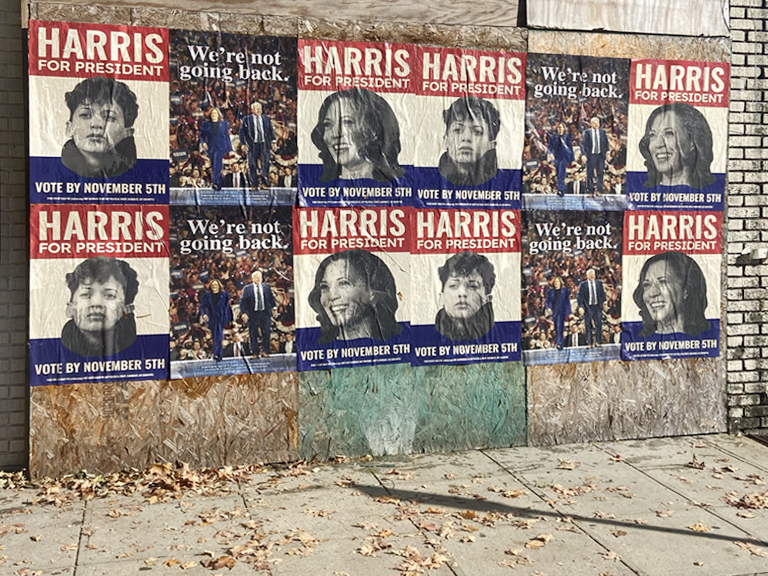
Oklahoma’s advertising market is competitive at the local level in ways that national campaign planners often underestimate. Oklahoma City has transformed dramatically over the past two decades, developing a compact, walkable downtown entertainment and commercial ecosystem centered on Bricktown, Midtown, and the Plaza District that supports street-level advertising at densities previously associated with much larger markets. Tulsa’s arts and entertainment revival has produced the Tulsa Arts District, Cherry Street, and the Blue Dome District as genuinely vibrant pedestrian zones with the audience concentration that makes guerrilla marketing efficient.
Local marketing oklahoma means putting your brand where Oklahoma’s consumer and professional audiences physically concentrate. LED billboard trucks circling Paycom Center before a Thunder game. Sidewalk stencils on the Bricktown canal walk. Wheatpaste posters on the arts district walls in Tulsa. Brand ambassadors engaging the post-game crowd on the Plaza District. This is how street-level guerrilla marketing works in Oklahoma, and our team at American Guerrilla Marketing executes it with the same documentation discipline we apply in markets ten times the size.
Why Guerrilla Marketing Outperforms Traditional Local Advertising in Oklahoma
Traditional local advertising in Oklahoma follows the same playbook as most mid-size markets: radio for reach, local TV for brand building, digital for targeting. These formats work, but they work across the entire Oklahoma City or Tulsa DMA, which means you pay to reach the entire metropolitan population to get to the fraction that is actually your customer.
Guerrilla marketing inverts the efficiency equation. Instead of broadcasting to the full market, you identify where your specific audience physically concentrates and deploy directly into that concentrated zone. In Oklahoma City, the entertainment, food, and retail consumer audience concentrates in Bricktown, Midtown, and the Plaza District. A focused deployment in these three zones reaches that audience at extraordinarily high frequency and zero wasted impressions compared to any broadcast format.
The other advantage in Oklahoma markets specifically is competitive scarcity. Street-level guerrilla advertising is a relatively uncommon format in OKC and Tulsa compared to the coastal metro markets where it is more established. That novelty translates directly into attention. A bold sidewalk stencil or poster campaign in Bricktown is a genuinely remarkable piece of the local environment rather than one of dozens of competing street-level executions fighting for the same pedestrian attention.
Bricktown and Downtown Oklahoma City Local Marketing
Bricktown is Oklahoma City’s premiere entertainment district, anchored by the Paycom Center arena, the Chesapeake Energy Arena predecessor events, the canal walk restaurant zone, and the extensive bar and club corridor along Sheridan and Reno Avenues. Game days for the Oklahoma City Thunder, concerts at the Paycom Center, and the Bricktown baseball season all create recurring high-density audience concentration events that anchor our local marketing deployment calendar in the market.
Sidewalk stencils on the canal walk approach surfaces, along Mickey Mantle Drive, and on the pedestrian plaza fronting the Paycom Center entrance achieve thousands of impressions per day during major event windows. LED truck routes covering the East Sheridan Avenue and East Reno Avenue corridors that define the Bricktown district perimeter create vehicle and pedestrian visibility across the entire entertainment zone.
The proximity of Bricktown to the Oklahoma City Convention Center creates overlap between the entertainment audience and the convention attendee population during major events at the convention facility. Brands exhibiting at Oklahoma City conventions can extend their campaign reach into the evening entertainment environment where their attendees spend post-show hours, creating brand impressions outside the convention hall at the moments when attendees are most relaxed and most receptive to informal brand engagement.
Midtown and the Plaza District: OKC’s Growing Creative Market
Midtown Oklahoma City and the adjacent Plaza District have emerged as the city’s most vibrant arts and independent business corridors. The Plaza District on NW 16th Street between Pennsylvania and Classen has transformed from a neglected commercial strip into one of the most creative and culturally dynamic neighborhood retail zones in the mid-continent. Sidewalk stencils and poster campaigns in this zone reach the young professional, creative industry, and arts audience that is reshaping OKC’s economic and cultural landscape.
Midtown’s concentration of health, fitness, and restaurant businesses along NW 10th and the surrounding residential-commercial transition zones creates a strong daily-commute and lunch-traffic audience that responds well to regular, repeated street-level brand impressions. The continuity of foot traffic through the Midtown zone throughout the working week means that guerrilla advertising placements in this area achieve sustained frequency with a consistent audience segment over multi-week campaign windows.
Tulsa Arts District and Cherry Street Local Marketing
Tulsa’s Arts District, centered along Reconciliation Way and the M.B. Brady Street corridor, has become the most photographed and shared visual environment in the city. The concentration of murals, galleries, restaurants, and creative businesses has built a strong culture of outdoor visual engagement that makes well-executed guerrilla marketing a welcome addition to the neighborhood’s visual language rather than an intrusion on it.
Poster campaigns on permitted Arts District surfaces achieve the dual benefit of direct attendee impressions and social sharing amplification. Tulsa’s arts community is active on social media, and striking creative executions in the Arts District generate organic sharing that extends campaign reach far beyond the physical impression count. For brands targeting the Tulsa creative, design, and arts-engaged professional demographic, this social amplification is as valuable as the direct impressions themselves.
Cherry Street on East 15th Street is Tulsa’s specialty dining and retail corridor, drawing a mix of neighborhood residents, food enthusiasts, and Tulsa’s professional class throughout the day and evening. Sidewalk stencils and street team activations on Cherry Street reach a concentrated, high-income consumer audience at the points of maximum discretionary spending activity.
Blue Dome District and Greenwood Avenue in Tulsa
The Blue Dome District is Tulsa’s entertainment core, centered on 2nd Street and the surrounding blocks near the historic Blue Dome gas station. The district’s concentration of bars, music venues, and restaurants creates the highest nighttime foot traffic density in Tulsa, making it the premier zone for brands targeting the evening entertainment audience in the market.
The Greenwood District’s historic Black Wall Street corridor has emerged as a focal point of Tulsa’s cultural renaissance, anchored by new development, destination dining, and the Greenwood Rising history center. Ambassador programs and respectful, community-appropriate guerrilla activations in this zone reach an audience that is engaged with Tulsa’s cultural identity in meaningful ways that transcend standard entertainment district demographics.
LED Billboard Trucks for Oklahoma Local Marketing
LED billboard trucks are the broadest-reach guerrilla marketing format available in Oklahoma’s urban markets. We route vehicles along the primary commercial and entertainment corridors of OKC and Tulsa during peak audience movement windows, creating maximum visual impact across the widest possible geographic footprint of the target audience zone.
In Oklahoma City, key LED truck routes include the Bricktown loop covering East Sheridan, Mickey Mantle Drive, and East Reno; the Midtown corridor along NW 10th; and the Penn Square and Classen Curve commercial zones for campaigns targeting the north OKC consumer market. In Tulsa, routes along Peoria Avenue from Cherry Street through the 51st Street corridor, the downtown loop through the Arts District and Blue Dome District, and the South Tulsa commercial zone along 71st Street provide coverage of the market’s primary commercial geographies.
Brand Ambassador Programs for Oklahoma Local Marketing
Brand ambassador programs in Oklahoma activate around the major event concentration moments that the state’s sports and festival calendar produces throughout the year. OU football game days at Norman draw 85,000-plus attendees to the South Oval and Campus Corner entertainment zone, creating one of the largest single-day audience concentrations in the state outside of OKC arena events. OSU game days in Stillwater produce similar concentration in the Pickard Street and Boone Street commercial zones.
The Oklahoma State Fair in Oklahoma City draws over a million visitors across its run, representing the broadest statewide audience concentration event of the year. Brand ambassador activations and physical advertising deployments during State Fair windows reach demographics that are difficult to access through any other single-event marketing format in the Oklahoma market.
Reaching Oklahoma’s Corporate and Professional Market
Oklahoma’s corporate and professional market is more significant than the state’s overall population would suggest. Oklahoma City is home to Devon Energy, a major independent oil and gas company, along with Paycom Software, a nationally significant HR technology firm, Love’s Travel Stops, and a growing cluster of mid-size technology and professional services companies that have relocated to or grown in the OKC metro over the past decade. Tulsa’s professional market is anchored by ONEOK, Williams Companies, and the aerospace and manufacturing industries that have historically defined Tulsa’s commercial identity.
Reaching these professional audiences through guerrilla marketing requires deployment strategies that account for the car-dependent commute patterns of Oklahoma’s professional workforce. Unlike walkable northeastern cities where office workers commute on foot or transit, most Oklahoma City and Tulsa professionals drive to work, meaning that LED billboard trucks on the primary commute arterials are a more efficient reach vehicle for the professional audience than sidewalk stencils on the downtown pedestrian network. Routes along Northwest Expressway, Classen Circle, and the Memorial Road corridor in OKC, and along the Riverside Drive and 71st Street corridors in Tulsa, reach the professional commute audience at the moments of highest captive attention during the daily drive.
Ambassador programs for professional audiences in Oklahoma are most effective when deployed at the locations where professionals concentrate on foot during the workday: the downtown lunch corridors, the premium fitness studios and coffee shops in Midtown OKC and the Tulsa Arts District that the professional community patronizes daily, and the corporate campus events that bring professional audiences together in concentrated outdoor settings. The Devon Tower courtyard and the Sandridge corporate campus environs in OKC create lunchtime pedestrian concentrations that make midday ambassador deployments viable for brands targeting the downtown professional audience.
Seasonal Campaign Timing for Oklahoma Local Marketing
Oklahoma’s seasonal advertising calendar is shaped by the confluence of its sports culture, state fair tradition, and the genuinely extreme weather conditions that characterize both summer heat and winter ice storm seasons. Outdoor foot traffic in Oklahoma City and Tulsa peaks during the spring and fall shoulder seasons, when weather conditions are mild and the outdoor festival, sports, and event calendar is at its most active. These windows are the highest-priority deployment periods for sidewalk stencils, outdoor ambassador programs, and poster campaigns targeting pedestrian audiences in the commercial districts of both cities.
The Oklahoma Thunder season runs from October through April, with home games at Paycom Center creating reliable weekly audience concentrations in the Bricktown district throughout the fall, winter, and spring. This extended game day calendar provides a recurring deployment window for brands targeting the Oklahoma City entertainment consumer audience that has no equivalent in markets without a major NBA franchise. We build campaign cadences around the Thunder schedule for clients targeting the Bricktown and downtown OKC consumer market during the basketball season.
Tulsa’s BOK Center events, anchored by the Tulsa Oilers hockey schedule and major concert events throughout the year, provide similar recurring audience concentration windows in Tulsa’s downtown entertainment zone. The BOK Center approach corridors and the surrounding parking infrastructure create predictable attendee movement patterns that allow precise guerrilla marketing deployment timed to event arrival and departure windows.
Creative Approach for Oklahoma Local Marketing
Oklahoma’s consumer culture has distinct characteristics that effective local marketing creative needs to respect. The state’s strong sports identity, particularly around University of Oklahoma and Oklahoma State University football, creates a cultural backdrop that informed creative can engage with productively. Brands that acknowledge Oklahoma’s sports culture in their creative framing earn contextual relevance that out-of-context creative cannot achieve.
The entrepreneurial culture that has emerged in Oklahoma City’s Plaza District and Midtown over the past decade has created a young professional audience that values independent business identity and local character over corporate polish. Creative that feels genuinely local rather than nationally distributed resonates more strongly with this demographic than the same campaign creative that might run in any other market in the country. Ambassador programs staffed with locally recruited team members who speak naturally within the Oklahoma City social landscape outperform programs staffed with out-of-market promotional staff who are unfamiliar with local cultural references.
In Tulsa’s Arts District, creative that aligns with the neighborhood’s design culture and artistic identity earns a level of audience engagement that purely promotional creative does not. The Arts District’s strong social media sharing culture means that visually compelling, site-appropriate creative in this zone generates organic amplification that extends campaign reach well beyond the direct impression count from physical deployments.
Compliance and Local Regulations for Oklahoma Guerrilla Marketing
Oklahoma City’s downtown improvement district, the Alliance for Economic Development of Oklahoma City, manages promotional activity standards in the Bricktown and downtown commercial zones. Sidewalk stencil campaigns using water-soluble materials are compliant in the public right-of-way throughout OKC. Poster campaigns on permitted surfaces in the Bricktown and Midtown zones are placed in full compliance with city ordinances governing temporary signage. LED truck operations comply with Oklahoma vehicle advertising regulations throughout the OKC metro road network.
Tulsa’s downtown commercial zone and the Arts District are managed by the Tulsa Regional Chamber and various business improvement district organizations that maintain standards for commercial activity in and around their zones. Our compliance approach in Tulsa mirrors our approach in OKC: water-soluble stencil materials only, permitted surface poster placements reviewed against local ordinances, and LED truck routes confirmed within Oklahoma vehicle advertising regulations.
For brands new to guerrilla marketing in Oklahoma, the compliance question is often the first concern raised. Our answer is straightforward: every campaign we plan in Oklahoma is built around full compliance with local regulations, and our team’s experience in both OKC and Tulsa means we know exactly where the regulatory boundaries are and how to deliver maximum campaign impact within those boundaries. We never put our clients at legal or reputational risk through non-compliant activations, and our track record of clean campaign execution in Oklahoma markets reflects that commitment.
Scaling Oklahoma Local Marketing Across the State
For brands targeting the full Oklahoma market beyond the OKC and Tulsa metros, we execute campaigns in Norman, Stillwater, Edmond, and secondary markets throughout the state. Norman’s Campus Corner entertainment district adjacent to the OU campus creates a concentrated young adult consumer zone that is particularly active during the football season. Stillwater’s Eskimo Joe’s and the surrounding Husband Street commercial district serve a similar function for the OSU market.
Multi-market Oklahoma campaigns benefit from unified planning and consolidated reporting that covers every deployment from OKC to Tulsa to the smaller university markets in a single campaign framework. We serve as the statewide execution partner for brands whose Oklahoma marketing investment spans multiple cities and multiple audience segments.
Frequently Asked Questions About Local Marketing in Oklahoma
What types of local marketing work best in Oklahoma City?
LED billboard trucks, sidewalk stencils, wheatpaste poster campaigns, and brand ambassador activations perform well in Oklahoma City’s Bricktown, Midtown, and the Plaza District. OKC’s compact, walkable entertainment districts create concentrated audience zones that street-level advertising saturates efficiently.
Can AGM run local marketing campaigns in Oklahoma City and Tulsa simultaneously?
Yes. We coordinate multi-market campaigns across OKC, Tulsa, Norman, and other Oklahoma markets with dedicated crew management in each city. Unified reporting covers all Oklahoma deployments in a single delivery report.
How does guerrilla marketing work in Bricktown Oklahoma City?
Bricktown’s pedestrian canal zone, the arena approach corridors near Paycom Center, and the restaurant and bar district along Sheridan Avenue create a highly concentrated foot traffic environment. Sidewalk stencils, poster campaigns, and street teams in this zone reach the largest entertainment audience concentration in central Oklahoma.
Does AGM provide proof of performance for Oklahoma local marketing campaigns?
Every placement is GPS-tagged and photographed. LED truck routes are documented with timestamps and location data. You receive a complete delivery report confirming every element of your Oklahoma campaign.
What does local guerrilla marketing cost in Oklahoma?
Oklahoma campaigns typically start around $2,500 to $4,000 for sidewalk and poster work in a single city. Multi-market campaigns covering OKC and Tulsa range from $6,500 to $18,000 depending on scope, duration, and tactic mix.
Can you target the Tulsa Arts District with local marketing campaigns?
Yes. The Tulsa Arts District, Cherry Street, and the Blue Dome District are three of Tulsa’s most active pedestrian zones for guerrilla marketing. We deploy in all three areas and can coordinate simultaneous coverage across the entire Tulsa entertainment and cultural district footprint.
Frequently Asked Questions
What is local marketing oklahoma?
American Guerrilla Marketing provides local marketing oklahoma services across 50+ U.S. markets. Every campaign is planned, scouted, executed, and GPS-documented by our field teams. We work with regional brands and Fortune 500 companies on campaigns that require real street-level execution and documented proof of performance.
How does AGM approach marketing oklahoma?
Our process starts with a market consultation to understand your goals, target audience, and budget. We then scout locations, handle any required permissions or permits, coordinate production and installation with our local crews, and provide a full GPS-tagged photo report after the campaign runs.
What markets does American Guerrilla Marketing cover for marketing oklahoma?
We operate in 50+ U.S. markets including New York, Los Angeles, Chicago, Miami, Houston, Atlanta, Seattle, Denver, Boston, and dozens of secondary markets. Contact us to confirm availability and pricing for your specific market.
How much does a marketing oklahoma campaign cost?
Campaign pricing depends on market, format, quantity, and duration. We work with budgets ranging from targeted single-market runs to national rollouts across multiple cities. Use our RFP Builder or contact us directly for a custom quote based on your specific campaign requirements.
How do I get started with marketing oklahoma through AGM?
The fastest way to get started is to submit your campaign details through our RFP Builder at americanguerrillamarketing.com, or contact us directly at [email protected] or (646) 776-2770. Our team typically responds within one business day with availability and initial pricing.