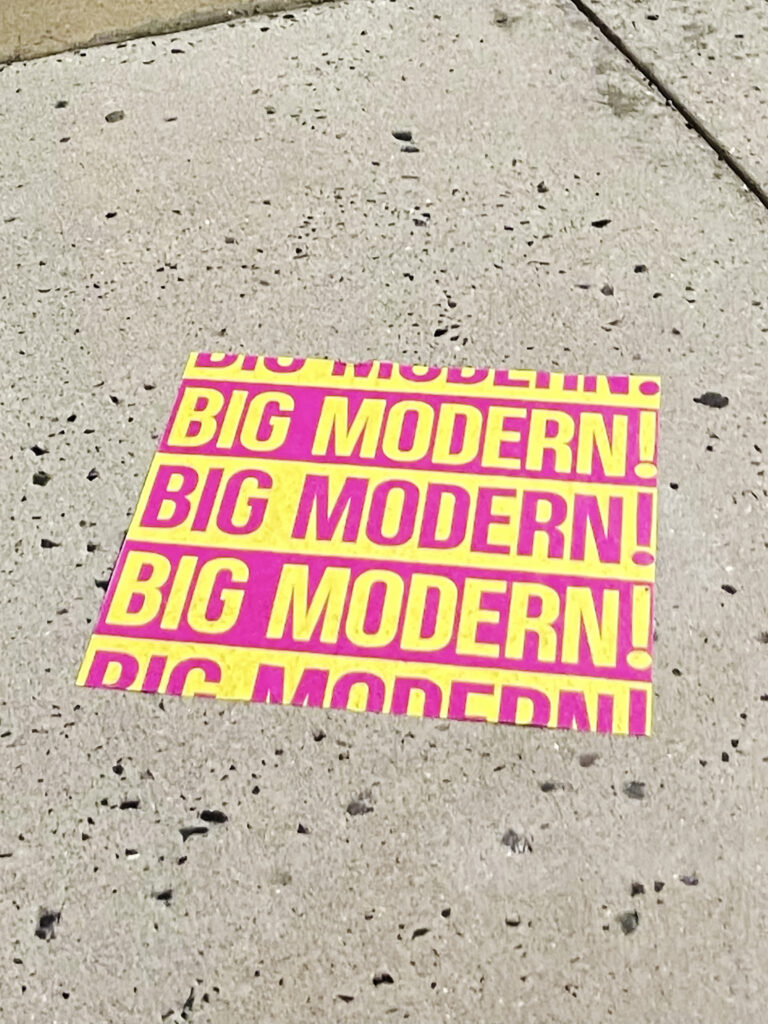
Sidewalk decal lifespan is the question brands ask most before investing in ground-level outdoor graphics. The honest answer is that lifespan varies widely based on four interacting factors: the material specification, the foot traffic volume at the placement location, the weather conditions during the campaign, and the quality of surface preparation at installation. Getting any one of these wrong compresses lifespan significantly. Getting all four right produces results that exceed most brands’ expectations.
We have deployed sidewalk graphics across dozens of markets under widely varying conditions. Here is what we know from direct field experience about how long sidewalk decals actually last and what determines the difference between a 2-week campaign that fades out early and a 6-week campaign that holds up clean through its entire run.
Material Specification: The Primary Lifespan Driver
Material quality is the most controllable factor in sidewalk decal longevity. The market offers a wide range of substrates and overlaminates at different price points, and the performance differences are real and significant.
Calendared vs. Cast Vinyl
Calendared vinyl is produced by passing vinyl compound through rollers and is the more economical option. It performs adequately in shorter-duration campaigns and moderate conditions. Cast vinyl is made by pouring liquid vinyl onto a casting sheet and drying it — a process that produces a more dimensionally stable film that resists shrinking, lifting, and cracking under temperature and humidity cycling. For sidewalk applications, which are inherently high-stress environments, cast vinyl is the preferred substrate for campaigns expecting to run 4 to 8 weeks or more.
Anti-Slip Overlaminates
Anti-slip overlaminates are required by safety standards for any pedestrian-traffic graphic application, but they also serve a protective function. The textured overlaminate adds a layer of abrasion resistance that extends the print layer’s life under foot traffic. The overlaminate takes the wear from shoe soles, preserving the graphic quality beneath for longer than an unprotected print surface would achieve.
UV-Resistant Inks
Color fade is a separate degradation mode from physical wear. In sunny locations, UV-sensitive inks can lose saturation within weeks. UV-stable ink systems maintain color integrity throughout the campaign run, which matters both for visual effectiveness and for the brand impression the graphic creates. A faded decal communicates the wrong message about the brand running the campaign.
Adhesive Selection for Surface Compatibility
Sidewalk surfaces vary significantly — smooth poured concrete, brushed concrete, textured concrete, asphalt, brick, and treated stone all have different adhesion characteristics. Adhesive selection must match the surface type and porosity. Using the wrong adhesive for the surface results in premature edge lifting that accelerates complete decal loss, regardless of how durable the face material is.
Foot Traffic: The Primary Wear Mechanism
Physical abrasion from pedestrian footsteps is the most aggressive wear mechanism that sidewalk decals face. Traffic volume, footwear type, and direction of travel all affect how quickly a surface graphic degrades.
Quantifying Traffic Impact
A placement in a 10,000 daily pedestrian footsteps location will last roughly twice as long as an identical placement in a 20,000 daily footsteps location, all else being equal. Major urban transit hubs, event venue entry points, and dense commercial corridor sidewalks can exceed 50,000 footsteps per day over a graphic placement. Planning campaign duration at these high-traffic locations requires accounting for accelerated wear.
Footwear Type Matters More Than Most Brands Expect
Hard-soled dress shoes and work boots cause more surface abrasion than soft-soled athletic shoes. Business district placements where executives walk in dress shoes see faster graphic degradation than placements in neighborhood retail corridors where athletic footwear is more common. This is a granular factor but one that affects lifespan calculations for premium placements.
Traffic Direction and Scuff Patterns
Directional foot traffic creates scuff patterns that concentrate wear in specific areas of the graphic. Placements at building entry points where pedestrians turn or stop see concentrated heel strike wear near the entry zone. Placements along a straight walking path wear more evenly across the surface. Creative design can account for likely wear patterns by placing key message elements away from highest-concentration wear zones.
Weather: The Variable That Campaign Planners Often Underweight
Weather affects sidewalk decal lifespan through multiple mechanisms: precipitation during installation, freeze-thaw cycling in cold climates, sustained UV exposure in sunny markets, and standing water degradation in flood-prone locations.
Installation Weather Requirements
The most important weather-related factor is installation conditions. Decals applied to wet, dirty, or cold surfaces below approximately 50 degrees Fahrenheit will not achieve proper adhesive bond strength. Poor initial adhesion leads to early edge lifting and complete failure well before the campaign’s intended duration. We monitor weather forecasts and schedule installations during windows that meet minimum temperature and surface dryness requirements.
Freeze-Thaw Cycles in Cold Markets
Cities with significant winter freeze-thaw cycling — Chicago, Boston, New York, Minneapolis — create stress on sidewalk decal adhesive through repeated expansion and contraction of the underlying concrete surface. This cycling gradually weakens adhesive bond from the edges inward. For cold-climate markets, we specify adhesives with higher flexibility ratings and plan campaign timing to avoid the harshest freeze-thaw periods where possible.
Heat and Surface Temperature in Sun-Exposed Locations
Dark asphalt and concrete surfaces in direct sun can reach 150 degrees Fahrenheit in summer. At these temperatures, standard vinyl adhesives can soften and allow graphic migration or bubbling. High-heat adhesive formulations and cast vinyl’s superior dimensional stability are required for summer sidewalk decal campaigns in sun-exposed markets like Phoenix, Las Vegas, or Miami.
Precipitation During Campaign Run
Normal rainfall does not significantly affect properly installed sidewalk decals. Extended periods of heavy rain, particularly if drainage is poor and water pools on the graphic surface, can accelerate edge lifting. This is a location selection issue as much as a material issue — we avoid placements in low points or locations with drainage problems when specifying sidewalk decal campaigns.
Surface Preparation: The Factor That Determines Whether Everything Else Matters
Proper surface preparation is the precondition for everything else in sidewalk decal performance. The best material in the world will not hold on a dirty, damp, or structurally compromised surface.
Cleaning Protocol Before Installation
Surface cleaning removes dust, oil, residual adhesive from previous campaigns, bird deposits, and other contaminants that prevent proper bonding. For most urban sidewalk applications, a power wash followed by surface drying time is the minimum preparation. For surfaces with oil contamination or previous adhesive residue, solvent cleaning before water washing is required.
Surface Porosity Assessment
Highly porous concrete absorbs adhesive and may require a primer coat to create a consistent bonding surface. Very smooth, polished concrete or stone can also be problematic for standard adhesives that require some surface texture for mechanical adhesion. We assess surface porosity before material and adhesive selection for any placement.
Existing Damage and Surface Condition
Cracked, spalling, or delaminating concrete surfaces create uneven adhesion contact zones that become early failure points. A graphic placed over surface damage will begin lifting from those points within days. Location selection includes surface condition assessment to avoid placement on structurally compromised surfaces that guarantee early campaign failure regardless of material quality.
Typical Lifespan Ranges by Campaign Context
Based on these factors, here are realistic lifespan expectations across common sidewalk decal campaign contexts.
High-Traffic Urban Transit Environment, Temperate Climate
Locations like subway station entrances, major bus stops, or transit hub corridors in cities like New York or San Francisco — high foot traffic, moderate weather, standard concrete surfaces — typically produce 3 to 5 week lifespan with premium material specification. Lower-quality materials in the same context may see 1 to 2 week performance before visible degradation requires early removal.
Retail Corridor, Moderate Traffic, Continental Climate
A commercial shopping district sidewalk in a city like Chicago or Denver — moderate foot traffic, seasonal weather variation, typical urban concrete — typically produces 4 to 6 week lifespan with cast vinyl and anti-slip overlaminate. Summer campaigns may run shorter due to heat; spring and fall campaigns often run longer due to more favorable temperature and UV conditions.
Event Venue Approach, Short-Duration Campaign
Event campaigns designed to run for a specific event weekend — a music festival, sporting event, or brand activation — can use lighter material specifications because the required duration is short. A 3-day campaign at an event venue requires 1 to 2 week material durability, not 6-week durability, which allows for lighter substrate specifications and lower cost at equivalent campaign quality.
Sheltered or Indoor-Outdoor Environment
Covered walkways, atrium entries, and sheltered pedestrian passages protect decals from precipitation and direct UV exposure while still experiencing foot traffic. In these environments, properly specified decals can achieve 8 to 12 week lifespans with maintained visual quality, making them suitable for semi-permanent ambient brand presence applications.
Sidewalk Decals Compared to Sidewalk Stencils for Campaign Duration
Brands comparing sidewalk decals to sidewalk stencils often focus primarily on visual quality differences. Lifespan is also a meaningful differentiator between the two formats.
Stencil Lifespan Characteristics
Paint-applied stencils in high-traffic environments typically fade and wear within 2 to 4 weeks. The paint layer is directly exposed to abrasion without a protective overlaminate, and lighter colors fade faster than darker pigments. Stencils are designed to be inherently temporary, which is part of their compliance advantage in markets where permanent signage requires permits. The temporary nature is a feature, not just a limitation.
Decal Lifespan Advantage
Properly specified vinyl decals outperform painted stencils on lifespan by 50 to 100 percent in equivalent conditions. The laminate protection layer and the cohesive vinyl substrate provide substantially more abrasion resistance than a paint layer applied directly to concrete. For campaigns requiring 6 to 8 weeks of maintained visual quality, decals are the right format; for shorter campaigns where cost efficiency at scale matters more, stencils may be the better choice.
When to Replace vs. Remove Campaign Decals
Campaign monitoring includes condition assessment at regular intervals to determine whether replacement or early removal is warranted. Decals that degrade to the point of illegibility do not serve campaign objectives and may create brand image problems if left in place in a visually degraded state.
Condition Monitoring Protocol
Our team conducts condition checks at agreed intervals during multi-week campaigns. If placements show significant edge lifting, color fade exceeding defined thresholds, or physical damage, replacement is scheduled before degradation becomes brand-image-negative. Replacement during a campaign run is a normal part of long-duration sidewalk graphic programs.
Campaign End Removal
Proper removal at campaign end is as important as proper installation. Removal involves heat application to soften adhesive, careful peeling, and solvent cleaning of adhesive residue. Leaving degraded graphics in place after a campaign ends creates a negative brand impression. We handle removal as part of every campaign we execute.
Frequently Asked Questions About Sidewalk Decal Lifespan
How long do sidewalk decals typically last?
Sidewalk decal lifespan ranges from 2 to 8 weeks in most campaign applications, depending on foot traffic volume, weather conditions, and material specification. Premium vinyl decals with UV laminate can extend lifespan to 2 to 3 months in favorable conditions.
What materials make sidewalk decals last longer?
Cast vinyl with textured anti-slip overlaminates and UV-resistant inks provides maximum lifespan. Cast vinyl outperforms calendared vinyl in outdoor sidewalk applications, particularly in environments with temperature and humidity variation.
Does rain affect sidewalk decal adhesion?
Rain affects decals primarily at installation time. Installing on wet surfaces prevents proper bonding. Once properly cured on a clean, dry surface, quality vinyl decals resist normal rain exposure. Extended standing water can accelerate edge lifting on improperly installed decals.
How does foot traffic volume affect decal lifespan?
Foot traffic is the primary wear factor. A 50,000 daily footsteps location will wear decals significantly faster than a 5,000 daily footsteps location. High-traffic urban placements require heavier material specification and more frequent condition monitoring.
Can sidewalk decals be removed cleanly after a campaign?
Yes. Quality sidewalk decals are designed for clean removal. Proper removal involves heat application and careful peeling, followed by solvent cleaning of residual adhesive. Removal is included in our campaign execution process.
Are sidewalk decals the same as sidewalk stencils?
No. Decals are pre-printed vinyl graphics applied as a complete piece. Stencils use a template with paint applied through the stencil opening. Decals offer full graphic complexity; stencils are simpler, faster at scale, and inherently temporary as paint fades naturally.
Frequently Asked Questions
What is how long do sidewalk decals last?
American Guerrilla Marketing provides how long do sidewalk decals last services across 50+ U.S. markets. Every campaign is planned, scouted, executed, and GPS-documented by our field teams. We work with regional brands and Fortune 500 companies on campaigns that require real street-level execution and documented proof of performance.
How does AGM approach decals last?
Our process starts with a market consultation to understand your goals, target audience, and budget. We then scout locations, handle any required permissions or permits, coordinate production and installation with our local crews, and provide a full GPS-tagged photo report after the campaign runs.
What markets does American Guerrilla Marketing cover for decals last?
We operate in 50+ U.S. markets including New York, Los Angeles, Chicago, Miami, Houston, Atlanta, Seattle, Denver, Boston, and dozens of secondary markets. Contact us to confirm availability and pricing for your specific market.
How much does a decals last campaign cost?
Campaign pricing depends on market, format, quantity, and duration. We work with budgets ranging from targeted single-market runs to national rollouts across multiple cities. Use our RFP Builder or contact us directly for a custom quote based on your specific campaign requirements.
How do I get started with decals last through AGM?
The fastest way to get started is to submit your campaign details through our RFP Builder at americanguerrillamarketing.com, or contact us directly at [email protected] or (646) 776-2770. Our team typically responds within one business day with availability and initial pricing.