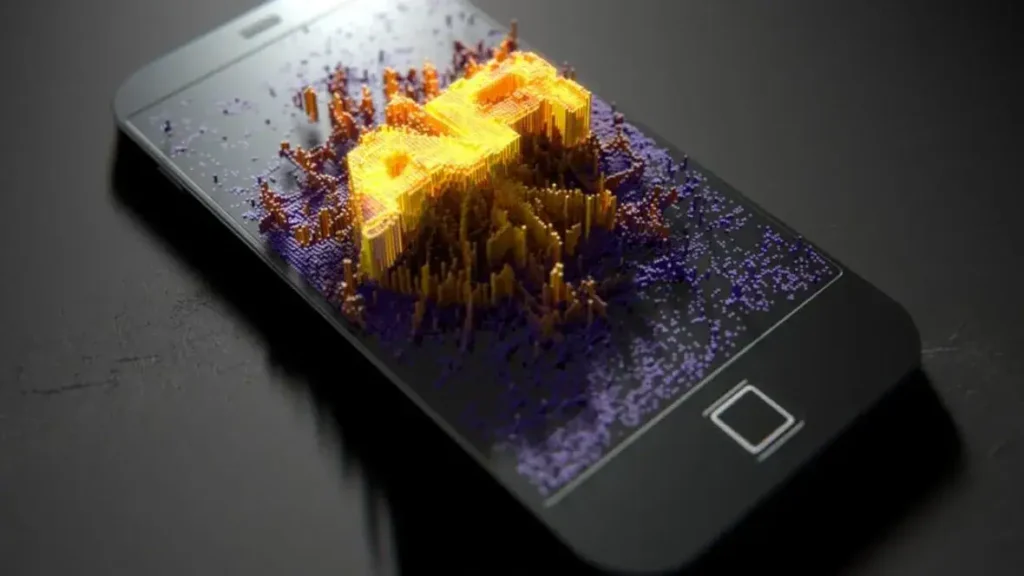
Marketing that surprises people still works. In a landscape where consumers have been conditioned to ignore most brand communications, augmented reality marketing creates moments that genuinely stop people in their tracks. When someone holds up their phone and watches your product come to life on their kitchen counter, or triggers an animation on a street poster during their morning commute, that’s not an advertisement they scroll past. It’s an experience they talk about.
Harnessing augmented reality marketing effectively requires more than deploying a Snapchat filter and calling it a campaign. The brands getting real results from AR are the ones who integrate it thoughtfully into broader marketing strategies, use it to solve specific consumer barriers, and make sharing built into the experience design. This guide breaks down how AR actually works in modern marketing, where it fits alongside street-level and experiential campaigns, and what you need to know before you invest.
At American Guerrilla Marketing, we work with brands building multi-channel campaigns that combine digital interactivity with physical street presence. AR is increasingly part of that picture, and when it’s done right, it dramatically multiplies the reach and impact of every physical asset we deploy.
What Augmented Reality Marketing Actually Is
Augmented reality overlays digital content, images, animations, or information, onto a live view of the real world through a device camera. Unlike virtual reality, which requires a headset and removes users from their physical environment, AR keeps users grounded in the real world while adding a digital layer on top of it. This makes AR far more accessible for mass-market marketing applications because it works on any modern smartphone.
In a marketing context, AR can take many forms. It might be a social media filter that lets someone try on sunglasses or test a lipstick shade. It might be an interactive retail display where a customer points their phone at a product and sees it assembled or used in real time. It might be a street-level activation where scanning a QR code or pointing a camera at a poster unlocks a 3D animation. Or it might be a trade show booth experience where attendees interact with a virtual product that doesn’t yet exist in physical form.
What connects all of these applications is the same fundamental principle: AR transforms passive consumption into active participation, and active participation creates stronger brand memory.
Why AR Works as a Marketing Tool
The psychology behind AR’s effectiveness in marketing is well-documented. Active engagement with content produces dramatically higher retention than passive exposure. When a consumer interacts with an AR experience rather than simply watching an ad, they’re encoding brand information through multiple cognitive channels simultaneously. Visual processing, spatial reasoning, and experiential memory all activate together.
Novelty Drives Sharing
AR experiences are still novel enough to generate organic sharing behavior. When someone discovers an AR brand experience and shares it on social media, they’re doing the brand’s distribution work without being paid for it. The social proof embedded in that sharing, a real person choosing to broadcast a brand experience to their network, is significantly more credible than paid reach.
AR Solves Real Purchase Barriers
Some of the strongest AR marketing use cases are functional rather than purely experiential. Virtual try-on for fashion, eyewear, and cosmetics removes the uncertainty that often stops online shoppers from converting. AR furniture placement in a real room eliminates the guesswork that kills home goods sales. These applications don’t just generate attention. They remove friction from the purchase process and directly increase conversion rates.
AR Creates Emotional Investment
Personalization drives emotional connection, and AR is inherently personal. When a consumer sees themselves wearing your product, sees your furniture in their actual living room, or sees your product animation appearing in their physical environment, the experience feels tailored to them even when it’s served at scale. That emotional investment accelerates the consumer’s journey from awareness to consideration to purchase intent.
Types of Augmented Reality Marketing Campaigns
Understanding the distinct categories of AR marketing helps brands choose the right format for their objectives and budget.
Social Media AR Filters and Effects
Platform-native AR filters on Instagram, Snapchat, and TikTok represent the most accessible entry point for brands. These filters let users interact with branded AR effects, try on virtual products, or trigger branded animations. They’re created through platform-specific tools, distributed through brand accounts, and spread organically when users choose to use and share them. They work at massive scale with relatively low development costs.
WebAR Experiences
Web-based AR requires no app download. Users simply tap a link or scan a QR code and the AR experience launches in their mobile browser. This dramatically reduces participation friction compared to app-based AR. WebAR has become significantly more capable in recent years, supporting complex 3D models, animations, and interactive elements. It’s ideal for campaign activations where you can’t count on consumers having a specific app installed.
Image-Triggered AR
Image recognition AR triggers an experience when a camera sees a specific image, like a print advertisement, product packaging, or a piece of street art. This format bridges the physical and digital worlds directly. A consumer who scans a wheatpasted poster on a city wall could unlock a video, a 3D product model, or an interactive game. It turns passive physical advertising into an active digital experience without the consumer having to actively seek anything out.
Location-Based AR
GPS-triggered AR experiences activate when a user is in a specific physical location. Brands have used location-based AR to create neighborhood scavenger hunts, unlock exclusive content at events, and drive foot traffic to specific retail locations. When a consumer walks past your store and their phone shows them an AR offer through a location-aware app, that’s a hyper-targeted trigger that no traditional advertising format can replicate.
Retail and In-Store AR
In-store AR applications help consumers make purchase decisions by visualizing products in context. Furniture retailers let shoppers see pieces in their own homes before buying. Apparel brands let shoppers see garments without trying them on. Cosmetics counters use AR mirrors to let shoppers test color combinations digitally before committing to a product. These applications reduce return rates and increase purchase confidence.
Integrating AR with Street-Level and Guerrilla Marketing
The most powerful AR campaigns don’t exist in digital isolation. They’re integrated with physical brand presence to create layered experiences that meet consumers across multiple touchpoints. This is where AR intersects directly with the kind of street-level campaign work our team does every day.
AR-Activated Outdoor Advertising
Physical advertising, whether it’s a sidewalk stencil, a large-format mural, or a poster campaign, can be designed with image recognition triggers built in. The physical asset serves its traditional role of generating brand impressions at scale. But for consumers who engage further by scanning, the physical ad becomes a portal to a deeper brand experience. You get two layers of value from a single physical deployment.
Event Activations Enhanced by AR
Brand activations at festivals, pop-up events, and experiential marketing moments become significantly more shareable when AR is embedded in the experience. Consumers who trigger an impressive AR effect at your booth have an immediate incentive to capture and share it. That organic social content extends the reach of your physical activation far beyond the event footprint.
AR with Brand Ambassador Staffing
When promotional models and brand ambassadors are deployed to an activation, they can facilitate AR experiences for consumers who might not engage independently. A trained ambassador who demonstrates the AR experience to a passerby converts a passive impression into an active brand interaction. We integrate this facilitated digital engagement into field staffing training for campaigns where AR is part of the activation.
Product Sampling Plus AR
Combining physical product sampling with an AR experience creates a compound brand moment. The consumer gets the product in hand, which is already a high-engagement touchpoint, and also gets an interactive digital experience tied to that product. Packaging that triggers AR animations or recipe content when scanned has delivered strong engagement results for food and beverage brands operating in competitive retail environments.
Planning an AR Marketing Campaign: What You Need to Know
AR sounds exciting, and it should. But effective AR campaigns require thoughtful planning. Here are the key considerations before you commit to an AR marketing investment:
Define the Consumer Action You Want
What do you want consumers to do after they engage with your AR experience? Share it? Visit your website? Make a purchase? Enter a sweepstakes? The desired consumer action should drive every design decision. AR experiences that are visually impressive but lack a clear next step underperform on conversion metrics.
Reduce Participation Friction to Zero
Every additional step between a consumer seeing your AR trigger and actually experiencing the AR costs you participation rate. Prioritize formats that require no app download. Make QR codes visible and scannable. Test the experience on multiple devices across different operating systems before deployment.
Design for Social Sharing
Build sharing into the experience, not as an afterthought. Create a natural capture moment where consumers want to photograph or video themselves with the AR experience. Make the sharing interface obvious. Consider adding a branded hashtag or frame to content captured within the experience to extend organic reach.
Build Measurement into the Campaign from Day One
Determine your key performance indicators before the campaign launches. Track activations, session duration, completion rate, and social amplification. Connect AR engagement data to downstream metrics like website visits, email captures, and purchases to calculate the true ROI of your AR investment.
Industries Where AR Marketing Delivers the Strongest Results
While AR has applications across nearly every industry, certain categories see disproportionate returns based on how well AR solves actual consumer problems in those verticals.
Fashion and Apparel
Virtual try-on reduces online return rates, which are a significant profitability drag for fashion brands. AR also creates powerful social content when users share their try-on experiences, extending brand reach organically through fashion-focused social networks.
Beauty and Cosmetics
Beauty is one of the highest-performing AR categories because the barrier to physical product trial is high, especially post-pandemic, and virtual try-on directly addresses consumer uncertainty about color and fit. Major cosmetics brands have reported significant conversion rate increases from AR try-on implementations.
Home Goods and Furniture
Visualizing furniture or home decor in one’s actual space eliminates the biggest purchase barrier in the category. AR room visualization has become a standard tool for leading furniture retailers and is increasingly accessible for smaller brands through WebAR platforms.
Food and Beverage
AR-activated packaging that unlocks recipe content, behind-the-scenes production stories, or interactive games transforms an otherwise static shelf presence into a brand engagement platform. It’s particularly effective for premium and craft food and beverage brands where story and provenance are key purchase drivers.
Entertainment and Events
Live events, film and music releases, and cultural experiences use AR to extend the reach and excitement of moments in time. Pre-release AR activations build anticipation. On-site AR creates shareable moments that broadcast from the event venue to social networks in real time.
Frequently Asked Questions About Augmented Reality Marketing
What is augmented reality marketing?
Augmented reality marketing overlays digital content, animations, or information onto the physical world through a smartphone camera or AR headset. Brands use AR to create interactive product experiences, immersive brand activations, and shareable consumer moments. It works on standard smartphones without specialized hardware.
How does AR differ from virtual reality in marketing?
AR overlays digital content onto the real world, while VR creates a fully immersive digital environment. AR is more accessible because it works on any smartphone without special hardware, making it a practical tool for mass-market marketing campaigns. VR requires headsets and is more commonly used for highly immersive, controlled experiences.
What types of campaigns benefit most from augmented reality?
Product try-on experiences, interactive outdoor advertising, event activations, retail displays, and social media filter campaigns all benefit significantly from AR. Categories like fashion, beauty, furniture, food and beverage, and entertainment have seen strong AR campaign results with measurable conversion improvements.
Can AR be integrated with street-level guerrilla marketing?
Yes. AR can be triggered by physical assets like posters, murals, and stencils through image recognition. A passerby who scans a wheatpasted poster with their phone can unlock an AR experience, turning a passive ad into an interactive brand moment. Our team designs campaign elements that support both physical impact and digital engagement.
How much does augmented reality marketing cost?
AR marketing costs vary widely. Simple social media AR filters can be developed for a few thousand dollars. Complex multi-platform AR campaign experiences with custom tracking and analytics can run into six figures. ROI should be measured against consumer engagement metrics, conversion improvements, and earned social reach.
Do consumers need to download an app to experience AR marketing?
Not always. Web-based AR (WebAR) works through a mobile browser without any app download, significantly reducing friction for consumer participation. Social platform AR through Instagram or Snapchat filters also requires no dedicated app beyond the platform itself. Choosing low-friction formats dramatically increases participation rates.
How is AR campaign performance measured?
Key AR campaign metrics include experience activations, session duration, completion rate, social shares, and downstream actions like website visits or purchases. Platforms like Snapchat, Instagram, and dedicated WebAR providers offer analytics dashboards for tracking campaign performance in real time.
Frequently Asked Questions
What is harnessing augmented reality marketing?
American Guerrilla Marketing provides harnessing augmented reality marketing services across 50+ U.S. markets. Every campaign is planned, scouted, executed, and GPS-documented by our field teams. We work with regional brands and Fortune 500 companies on campaigns that require real street-level execution and documented proof of performance.
How does AGM approach reality marketing?
Our process starts with a market consultation to understand your goals, target audience, and budget. We then scout locations, handle any required permissions or permits, coordinate production and installation with our local crews, and provide a full GPS-tagged photo report after the campaign runs.
What markets does American Guerrilla Marketing cover for reality marketing?
We operate in 50+ U.S. markets including New York, Los Angeles, Chicago, Miami, Houston, Atlanta, Seattle, Denver, Boston, and dozens of secondary markets. Contact us to confirm availability and pricing for your specific market.
How much does a reality marketing campaign cost?
Campaign pricing depends on market, format, quantity, and duration. We work with budgets ranging from targeted single-market runs to national rollouts across multiple cities. Use our RFP Builder or contact us directly for a custom quote based on your specific campaign requirements.
How do I get started with reality marketing through AGM?
The fastest way to get started is to submit your campaign details through our RFP Builder at americanguerrillamarketing.com, or contact us directly at [email protected] or (646) 776-2770. Our team typically responds within one business day with availability and initial pricing.