
July 26, 2026
Guerrilla Marketing vs Digital Advertising: What Each Format Actually Does and When to Choose Which
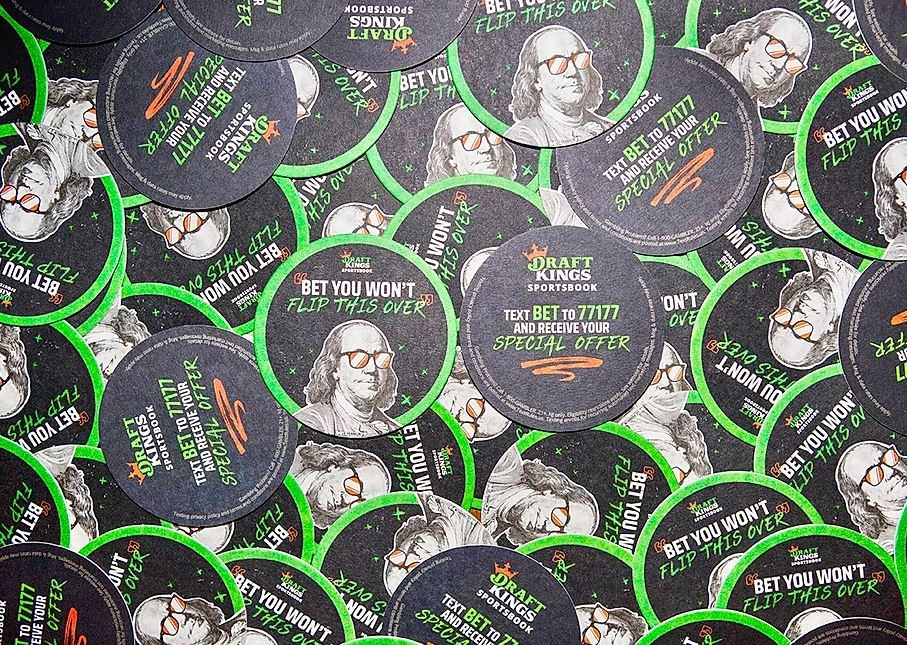
The guerrilla marketing versus digital advertising debate is usually framed as a choice, but it is more accurately a strategic allocation question. Both formats solve real marketing problems. Neither solves all marketing problems. The brands that get the most from their marketing investment understand what each format does exceptionally well, where each has genuine limitations, and how to deploy both in combination to achieve objectives that neither can reach independently.
At American Guerrilla Marketing, we are obviously advocates for street-level campaigns. We have executed thousands of them across 50+ U.S. markets from our base at Industry City in Brooklyn, NY. But we also understand that honest advice about when to use a format and when not to is worth more than a pitch that overstates what street-level marketing can do. This guide covers the direct comparison: what guerrilla marketing actually does, what digital advertising actually does, and the decision framework for choosing between them.
The answer for most brands with sufficient budget is not either-or. It is how to combine the physical reach and engagement quality of street-level campaigns with the targeting flexibility and scalability of digital to create a marketing program that performs at both levels simultaneously.
What Guerrilla Marketing Actually Does Well
Guerrilla marketing has specific strengths that no digital format replicates. Understanding these strengths clearly is the starting point for making intelligent allocation decisions.
Physical Trial and Sensory Engagement
The single thing guerrilla marketing does that digital cannot is put a physical product in a consumer’s hands. For any brand where trial is the primary conversion mechanism, this advantage is decisive. A consumer who tastes a food product, holds a technology device, or applies a skincare product makes a purchase decision based on direct product experience rather than advertising promise. No digital format, regardless of how well-targeted or how visually compelling, can replicate the physical trial moment. Our brand ambassador sampling programs are built around this fundamental advantage.
Geographic Precision in Specific Markets
Guerrilla marketing is inherently geographic. A wheatpaste poster campaign in a specific Brooklyn neighborhood reaches people who live in, work in, or regularly pass through that neighborhood. A sidewalk stencil program on the approach to a specific retail store reaches people who are about to pass that store. This geographic precision within a defined local area is something digital advertising approximates but cannot fully replicate: IP-based and device-based geo-targeting has meaningful imprecision, and neither excludes consumers who happen to be visiting from another area.
Zero Ad-Blocking, Zero Bot Traffic, Zero Viewability Uncertainty
Digital advertising has significant structural problems with ad-blocking software (between 25 and 40 percent of desktop users in the U.S. use ad blockers), bot traffic that fraudulently consumes ad impressions, and viewability standards that count ads as “viewed” even when they are technically below the fold or playing without sound. Guerrilla marketing has none of these problems. A poster on a busy street corner is seen by every person who walks past it. An LED billboard truck driving down a block is seen by every pedestrian and driver in the corridor. There is no blocking mechanism, no bot, and no viewability question.
Brand Memory Quality Through Physical Presence
Physical brand impressions from street-level campaigns create stronger memory traces than digital impressions because they occur in three-dimensional space with full sensory context. A consumer who saw an impressive LED billboard truck parked outside a venue, stopped to look at it, and then went on to the event, will remember that brand experience more durably than any digital ad they scrolled past that same evening. Memory quality differences between physical and digital advertising have real implications for brand recall and purchase consideration rates.
What Digital Advertising Actually Does Well
Digital advertising has genuine and substantial strengths that guerrilla marketing cannot match. A fair comparison acknowledges both sides.
National and Global Reach from a Single Campaign
A single digital campaign can reach tens of millions of people simultaneously across any geography. This is something guerrilla marketing cannot do at comparable cost. For brands that need to build awareness across a national audience without the capacity to field physical campaigns in dozens of markets simultaneously, digital is the only practical option at scale. Guerrilla marketing at national scale requires meaningful investment in multi-market field operations that is only justifiable when the geographic targeting and impression quality advantages of street-level are specifically needed.
Behavioral and Interest-Based Targeting
Digital platforms can target audiences based on demonstrated behavioral signals: recent searches, content consumption patterns, purchase history, app usage, and hundreds of other data signals that have no physical world equivalent. If a brand needs to reach consumers who have searched for a specific product category in the past 30 days and also match a specific demographic profile, digital advertising is the only format that can approximate this precision at scale. Guerrilla marketing targets by geography and the consumer profile typical of that geography; digital targeting goes significantly deeper into behavioral qualification.
Real-Time Performance Measurement and Iteration
Digital campaign performance is visible in near-real-time: impression volume, click-through rate, conversion rate, cost-per-acquisition, and dozens of other metrics update continuously, allowing campaigns to be adjusted, paused, or reallocated within hours of launch. A guerrilla campaign committed to a week of poster placement cannot be paused mid-week if early signals suggest underperformance; the inventory is already deployed. This iteration speed advantage is significant for direct-response campaigns where performance optimization is the primary goal.
Low Minimum Investment
Digital advertising can be started with very small budgets. A local business can run a geo-targeted Facebook campaign for $200 and reach thousands of local consumers. Guerrilla marketing at a professional standard has a higher minimum investment threshold because field operations, trained staff, permit acquisition, and quality production all have real costs that do not scale down infinitely. This makes digital the practical choice for brands with small marketing budgets even when guerrilla marketing might technically produce better results.
Side-by-Side Comparison: Core Dimensions
Understanding the direct comparison across key dimensions helps brands make allocation decisions grounded in the specific strengths and limitations of each format.
Impression Quality
Guerrilla marketing wins on impression quality. A physical encounter with a brand at street level, especially one involving direct human interaction, creates a more durable brand memory than a digital impression. This advantage is strongest for brands where emotional connection, trust, and physical experience are important to the purchase decision.
Impression Volume and Scale
Digital advertising wins on impression volume and geographic scale. A national digital campaign can deliver 50 million impressions in a single week; a national guerrilla program of comparable impression volume requires field operations in dozens of markets simultaneously. The volume advantage is decisive for brand awareness campaigns requiring mass reach.
Cost Efficiency at Local Scale
At local market scale, professional guerrilla marketing is cost-competitive with digital on a CPM basis and superior on cost-per-meaningful-interaction. In high-foot-traffic locations, guerrilla campaigns deliver CPMs in the $3 to $8 range with significantly higher engagement rates than comparable digital display inventory.
Attribution and Measurement
Digital advertising has native measurement infrastructure; guerrilla marketing requires intentional attribution design. When attribution is built in properly (QR codes, unique promo codes, matched market analysis), guerrilla marketing produces defensible ROI data. Without that infrastructure, measurement is weaker. Digital’s measurement advantage is real but diminishing as privacy regulations reduce the precision of digital attribution tools.
The Combined Approach: When 1 + 1 = 3
The most effective marketing programs combine guerrilla and digital not as competing budget line items but as complementary phases of a single campaign with physical and digital layers that reinforce each other.
Physical Activation as the Foundation, Digital as the Amplifier
A street-level campaign in specific target markets creates the physical brand impressions and consumer interactions that generate strong brand memory and local trial. Simultaneous geo-targeted digital ads in those same markets reinforce the physical impressions in the digital environment. Consumers who encountered the brand on the street and then see it in their social feed experience compounding brand frequency that neither medium produces alone. The physical campaign does not need to do all the work of driving digital conversion if the digital layer is running in parallel.
QR Codes as the Bridge
QR codes on guerrilla campaign materials create a direct connection between the physical impression and digital engagement. A consumer who scans a QR code from a poster, a stencil on the sidewalk, or a sample received from a brand ambassador crosses into a tracked digital experience with documented attribution to the specific physical campaign element. This bridge is the most powerful individual integration tool for combining guerrilla and digital into a single measurable campaign. Our experiential marketing programs build QR integration into every campaign with a digital conversion component.
Retargeting from Physical Presence
Geo-fencing tools allow brands to build retargeting audiences from consumers who were physically present in campaign activation zones. Running digital retargeting ads to consumers who were within 100 meters of a guerrilla activation location during activation hours creates a digital follow-up audience defined by verified physical presence rather than inferred interest. This audience is substantially more qualified than a standard demographic retargeting list and typically converts at higher rates.
Decision Framework: How to Choose
When the budget question arises, the decision framework should start from objective and audience, not from channel preference.
Use Guerrilla When
The campaign goal is trial generation requiring physical product contact. The target audience is geographically defined within specific markets or neighborhoods. The brand needs physical presence in a specific market to establish credibility. The campaign requires consumer interactions that build personal brand connection. The brand’s message benefits from visual scale and physical dimensionality that only street-level presence provides.
Use Digital When
The campaign requires national or global reach from a single buy. The target audience is defined by behavioral or interest signals that transcend geography. The campaign requires rapid iteration based on real-time performance data. The brand needs direct-response conversion optimization at scale across many markets simultaneously. The marketing budget is too small to fund professional guerrilla execution in the priority markets.
Use Both When
The brand has sufficient budget to fund professional execution in priority markets with a digital layer running in parallel. The campaign benefits from the quality impression creation of physical presence combined with the amplification and retargeting capability of digital. The brand needs to build local market credibility through physical presence while simultaneously driving digital conversion among consumers who encountered the brand at street level.
Frequently Asked Questions
When should a brand choose guerrilla marketing over digital advertising?
Guerrilla marketing outperforms digital when the campaign goal is geographic targeting within a specific neighborhood, building physical brand presence in a specific market, reaching audiences who are over-saturated with digital advertising, driving trial through direct consumer interaction, or creating content-worthy moments that generate organic social amplification. It is also stronger for brands with high creative ambitions and local market focus.
When should a brand choose digital advertising over guerrilla marketing?
Digital advertising outperforms guerrilla marketing when the campaign requires national or global reach from a single campaign, precise demographic or behavioral targeting beyond geographic parameters, rapid iteration based on real-time performance data, direct response conversion optimization at scale, or when the budget is too small to fund professional field execution in multiple markets.
Is guerrilla marketing cheaper than digital advertising?
On a cost-per-impression basis, professional guerrilla marketing in high-foot-traffic locations often delivers CPMs competitive with or below digital display advertising, without ad-blocking, bot traffic, or viewability uncertainty. However, guerrilla marketing has a higher minimum investment threshold than digital advertising, which can be started with small budgets. For local campaigns targeting specific markets, the comparison shifts significantly in guerrilla marketing’s favor.
Can guerrilla marketing and digital advertising be combined?
Yes, and the combination consistently outperforms either format alone. Physical campaigns generate the high-quality impressions and consumer interactions that create brand memory; digital campaigns reinforce those impressions online and drive conversion. Geo-targeted digital ads in the same neighborhoods where a guerrilla campaign is running, QR code connections from physical to digital, and retargeting audiences who were present in activation zones all extend the physical campaign’s reach and attribution.
How do you measure guerrilla marketing versus digital advertising performance comparably?
Comparable metrics include cost per thousand impressions (CPM), cost per consumer interaction, and cost per attributed conversion where attribution is possible. Guerrilla marketing CPMs are calculated from documented foot traffic at campaign locations. Digital CPMs are taken from platform reporting. Conversion attribution uses unique codes, QR tracking, or matched market analysis for guerrilla versus platform pixel and conversion tracking for digital.
What types of brands benefit most from guerrilla marketing over digital?
Local and regional brands that need geographic market saturation benefit most from guerrilla marketing over digital. Consumer packaged goods brands driving trial benefit from sampling formats impossible in digital. Brands targeting specific demographic clusters in specific neighborhoods benefit from the geographic precision of street-level campaigns. Any brand whose message resonates at the street level, where physical presence reinforces the brand values, benefits from guerrilla over digital on a cost-per-meaningful-impression basis.

Ready to Run Your Campaign?
Call us or email us. We’ll tell you exactly what we can do in your market and what it costs.
Related Services
Explore similar advertising solutions offered by American Guerrilla Marketing.
American Guerrilla Marketing — Los Angeles
Street-level campaigns in Los Angeles and nationwide. Wheatpasting, LED trucks, street teams, and more.
(646) 776-2770
Related Articles
-
Street Poster Advertising Ottawa: A Complete Campaign Guide
September 17, 2026
-
Activation Marketing: How Brands Win at Street Level
September 13, 2026
-
Experiential Marketing Firms Chicago | American Guerrilla Marketing
September 12, 2026
-
Pop Up Experiential
September 12, 2026
-
Mobile Pop Up
September 12, 2026