Guerilla Marketing Nederland: Straatcampagnes die Werken
Guerilla marketing in Nederland werkt op dezelfde principes als overal ter wereld: verras je doelgroep in de fysieke omgeving waar zij zijn, en creeer een moment dat de moeite waard is om te delen.
At American Guerrilla Marketing, we study how guerrilla marketing works across different urban environments around the world. The Netherlands offers a particularly interesting context for guerrilla marketing campaigns because of the country’s strong design culture, its compact and highly walkable urban centers, and its audiences’ sophisticated engagement with visual communication in public spaces.
This guide looks at guerrilla marketing in the Netherlands through two lenses: the principles that make it work globally, and the specific characteristics of Dutch cities that shape how those principles apply on the ground. Whether you are a Dutch brand planning a street-level campaign or an international brand entering the Dutch market, understanding the specific dynamics of guerrilla marketing in the Netherlands will help you build a campaign that works rather than one that imports an approach designed for a different urban context.
Waarom Guerilla Marketing Werkt in Nederland / Why Guerilla Marketing Works in the Netherlands
The Netherlands has several characteristics that make it a strong market for guerrilla marketing campaigns.
First, Dutch cities are compact and highly walkable. Amsterdam, Rotterdam, Utrecht, Den Haag, and Eindhoven all have dense city centers where foot traffic concentrates in specific corridors and neighborhoods. This geographic concentration makes guerrilla marketing placements highly efficient: a single well-positioned installation or poster campaign can reach a large proportion of the target audience without requiring broad geographic coverage.
Second, the Netherlands has one of the highest rates of cycling commuting in the world. Cyclists move through urban environments at a pace that falls between pedestrians and vehicle traffic, which creates a viewing window for street-level advertising that is longer than what vehicle traffic provides but still fast enough to require clear, immediately legible creative. Guerrilla marketing creative that works for cyclists needs to be large, high-contrast, and immediately understandable.
Third, Dutch audiences have a sophisticated design sensibility developed through the country’s exceptional graphic design tradition. The Netherlands produced some of the most influential visual communication designers of the twentieth century, and that design legacy has created an audience that evaluates visual quality rigorously. Guerrilla marketing in the Netherlands must meet a higher creative standard than in many other markets. The audience will notice if the execution falls short.
Fourth, the Netherlands has extremely high social media penetration. Dutch consumers are heavy users of Instagram, TikTok, and LinkedIn, and the country’s urban audiences actively document and share interesting encounters in their physical environment. A guerrilla campaign that lands with genuine visual impact generates organic social documentation that extends its reach far beyond the direct audience at the placement location.
Amsterdam: The Primary Guerrilla Marketing Market
Amsterdam is the most important guerrilla marketing market in the Netherlands. The city’s compact geography, its internationally diverse population, its strong tourist flow, and its culturally engaged resident population create a context where well-executed guerrilla campaigns can reach a high-value audience efficiently.
Key Amsterdam Neighborhoods for Guerrilla Marketing
The Jordaan is Amsterdam’s most photographed residential neighborhood. Its narrow canals, historic facades, and independent retail culture attract both residents and visitors who are in a visually engaged, socially active mindset. Brand placements in the Jordaan benefit from an audience that is already treating the environment as visual content.
De Pijp is Amsterdam’s most diverse, youthful neighborhood. The Albert Cuypmarkt, one of Europe’s largest daily markets, brings enormous foot traffic to the area. The surrounding streets have a strong cafe and restaurant culture that creates predictable pedestrian patterns. For brands targeting the 22 to 40 demographic with interests in food, lifestyle, and contemporary culture, De Pijp is a primary zone.
The NDSM Wharf in Amsterdam-Noord is the city’s primary arts and creative industries zone. Former shipyard buildings have been transformed into studios, restaurants, and event venues. The neighborhood hosts major events including Amsterdam Dance Event parties and serves as a primary location for the city’s creative class. For brands with arts, music, and creative culture positioning, NDSM is essential.
Oud-West, particularly the Kinkerstraat and Overtoom corridors, serves a younger, design-conscious demographic and has strong street-level retail activity that creates consistent foot traffic throughout the week.
Amsterdam Neighborhood
Primary Audience
Best For
Social Documentation
Jordaan
Locals, tourists, 25-45
Lifestyle, premium brands
Very High
De Pijp
Young professionals, 22-38
Food, fashion, consumer goods
High
NDSM Wharf
Creative class, event-goers
Music, arts, technology
Very High
Oud-West
Young urban, 20-35
Streetwear, food, entertainment
High
Amsterdam-Noord
Creative professionals, 25-40
Arts, emerging brands
High
Rotterdam: The Design City
Rotterdam is the second-largest city in the Netherlands and has a distinct urban character that differs significantly from Amsterdam. The city’s almost complete post-war reconstruction created a built environment that is more modern and architecturally experimental than any other Dutch city. Rotterdam is famous for its design culture and its willingness to embrace bold visual interventions in public space.
The Markthal, the Rotterdam Centraal station area, and the Witte de Withstraat cultural quarter are the primary guerrilla marketing zones in Rotterdam. The city’s design-conscious audience responds well to visually ambitious campaigns and has a strong tradition of engaging with creative work in public space as part of the city’s cultural identity.
For brands with strong visual identities and design-forward positioning, Rotterdam offers an audience that genuinely appreciates and engages with high-quality creative execution in the street environment. The city’s residents take pride in the design quality of their city and extend that engagement to brand work that meets the same standard.
Utrecht and Other Dutch Cities
Utrecht is the Netherlands’ fourth-largest city and has a large student population centered around Utrecht University and the Utrecht University of the Arts. The city’s compact historic center and its strong student culture make it a valuable market for brands targeting the 18 to 28 demographic in education, entertainment, consumer tech, and lifestyle categories.
Eindhoven is the Netherlands’ technology and design hub, home to the Philips Design campus, Dutch Design Week, and a growing tech startup network. The city’s association with design and technology makes it a distinctive market for brands in those categories and for any brand that benefits from association with progress and design culture.
Den Haag, as the Netherlands’ seat of government and the home of many international institutions, has a more professional, international audience that benefits brands in business, technology, and professional services categories.
Guerrilla Marketing Formats That Work in Dutch Cities
The formats that work best in Dutch cities reflect the specific characteristics of the Dutch urban environment: compact walkable streets, strong cycling culture, sophisticated design sensibility, and high social media engagement.
Large-Format Poster Placements
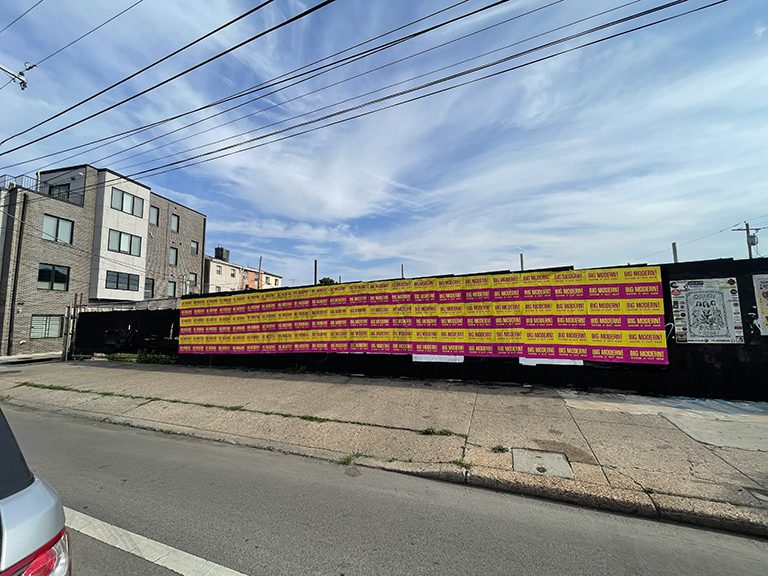
High-quality large-format poster campaigns work extremely well in Dutch cities where permitted wall inventory in key neighborhoods reaches a concentrated target audience. The quality requirement is high: Dutch audiences evaluate design quality critically and a poorly printed or designed poster will generate a negative response rather than a neutral one.
Cycling-Oriented Formats
Given the dominance of cycling in Dutch transportation culture, formats that are optimized for the cycling audience rather than exclusively for the pedestrian audience can create significant impression volume. This includes large-scale graphics on walls visible from major cycling routes, branded installations at bicycle parking facilities, and ambassador programs positioned at key cycling intersections.
Canal and Waterfront Projections
Amsterdam’s canal system and Rotterdam’s waterfront create unique opportunities for projection campaigns that use the water surface as part of the visual composition. Evening projections on the facades of canal warehouses in Amsterdam and the modern architecture of Rotterdam’s waterfront generate strong social documentation from both locals and visitors.
The Dutch audience standard: Dutch consumers are among the most design-literate in the world. The Netherlands has a tradition of graphic design excellence that influences how the population perceives and evaluates visual communication. Guerrilla marketing campaigns in the Netherlands that fall below the design standard Dutch audiences expect are counterproductive. Quality of execution is not optional. It is the baseline requirement for a positive audience response.
Global Principles, Local Application
At American Guerrilla Marketing, we approach every market with the same underlying principle: guerrilla marketing works when it creates a genuine encounter that the audience values enough to document and share. That principle is universal. The application of it in the Netherlands is specific to the Dutch urban context.
The compactness of Dutch cities makes targeting extremely precise. The design literacy of Dutch audiences sets the creative bar high. The cycling culture creates a unique viewing environment that rewards specific creative decisions. And the country’s high social media engagement means that well-executed campaigns can generate enormous organic reach from a relatively small number of physical placements.
Brands planning guerrilla marketing campaigns in the Netherlands should apply those specific constraints to every decision in the planning process: location selection, format choice, creative execution, and documentation strategy. A campaign built for the Dutch market specifically, rather than adapted from a generic template, will consistently outperform one that imports a foreign approach without modification.
For international brands entering the Dutch market: The Netherlands is an excellent guerrilla marketing market because of its concentrated urban geography and highly engaged audience. The requirement is that the campaign shows genuine understanding of Dutch visual culture and urban context. Campaigns that feel imported or disconnected from the specific environment they are placed in will not generate the organic engagement that makes guerrilla marketing effective in this market.
Events That Drive Guerrilla Marketing Opportunities in the Netherlands
The Dutch cultural calendar creates concentrated windows where guerrilla marketing campaigns can reach massive audiences in specific locations. Amsterdam Dance Event draws over 400,000 attendees across five days in October. Dutch Design Week in Eindhoven brings designers, brand managers, and creatives from across Europe every year in late October. King’s Day on April 27th turns Amsterdam into one of the largest outdoor street parties in the world, with hundreds of thousands of people filling the canal rings and surrounding streets.
Timing a guerrilla campaign around these events multiplies its reach. A poster campaign timed to coincide with Amsterdam Dance Event reaches attendees who are already in a heightened state of visual and social engagement. A brand activation at the edges of Dutch Design Week reaches exactly the design and brand-conscious audience that high-visual-standard campaigns are built for.
Rotterdam’s North Sea Jazz Festival, Utrecht’s Le Guess Who music festival, and the Amsterdam Marathon are additional high-density audience moments that create guerrilla marketing windows. We factor these events into campaign timing when the client’s audience profile aligns with the event audience.
How Location Selection Works in Dutch Cities
Every guerrilla campaign in the Netherlands starts with a location audit. The urban geographies of Amsterdam and Rotterdam are compact enough that a handful of well-chosen placements can reach an enormous share of the target audience, but that efficiency only materializes when the location list is built from audience data rather than convenience or surface availability.
In Amsterdam, the highest-value locations vary by audience type. For campaigns targeting fashion and lifestyle consumers, the Kalverstraat and Leidsestraat corridors deliver volume. For creative and music audiences, NDSM Wharf, Tolhuistuin, and the blocks around Melkweg and Paradiso are where presence matters most. For younger consumer audiences, the Albert Cuypmarkt zone in De Pijp delivers consistent high-density foot traffic across the full week.
Rotterdam’s location selection is shaped by its architectural boldness. The city’s most photogenic spaces, including the Markthal interior and exterior, the Erasmusbrug approach, and the regenerated Katendrecht peninsula, attract audiences who are already in a visually engaged, photo-active mindset. Brand placements in those zones reach people who are more likely to document what they encounter because they are already treating the environment as a visual experience.
Our approach to Dutch campaigns is to identify three to five anchor locations with the strongest combination of foot traffic, audience match, and surface quality, then build outward from those anchors into the secondary zones that reinforce frequency for the same audience. Frequency matters. A single encounter with a brand message generates awareness. Repeated encounters across different locations in the same city generate familiarity and the beginning of preference.
AGM Field Note: When planning a Dutch campaign remotely, we work with local production partners who have established wall relationships and know which surfaces hold formats well through Dutch weather conditions. Northern European winters and the canal humidity in Amsterdam create specific surface conditions that affect adhesion, print longevity, and installation quality in ways that differ from what US markets require.
Format Costs and Budget Ranges for Guerrilla Marketing in the Netherlands
Guerrilla marketing in the Netherlands operates in a different cost structure than the US market. Production costs for high-quality large-format print are competitive with Western European market rates. Field labor is more expensive than in the US on an hourly basis but often more efficient because Dutch cities are compact enough that a single crew can cover multiple locations in a shorter time window than in sprawling American cities.
How American Guerrilla Marketing Approaches International Campaign Consulting
Our primary campaign execution expertise covers the US market. We have executed guerrilla campaigns in New York, Los Angeles, Chicago, Miami, Austin, and dozens of other American cities. When brands ask us about markets outside the US, including the Netherlands, we function as strategic consultants: we apply the principles we have developed through years of field execution in the US and help brands understand how those principles translate into the specific conditions of the target market.
For a brand planning a guerrilla campaign in Amsterdam or Rotterdam, we can help identify the right neighborhood zones based on audience demographic alignment, advise on format selection given Dutch urban characteristics, review creative for format suitability and Dutch cultural resonance, and recommend local production partners with the specific field capabilities the campaign requires.
What we can offer from the American side is a disciplined strategic framework: audience-first location planning, format selection matched to campaign goals, creative review against street-scale performance standards, and measurement frameworks that produce defensible impression estimates. Those principles are universal. The execution in each market requires local knowledge that we pair with the right local partners.
Brands that have asked us to support international planning include companies entering European markets from the US, international brands planning simultaneous campaigns in the US and Europe, and Dutch brands looking to understand how their US-based campaigns should be structured. In each case, the consulting relationship starts with the same question: who exactly are you trying to reach, and where do they move in the target city? Everything follows from the answer to that question.
Grassroots Marketing in Dutch Urban Culture
The Netherlands has a strong tradition of grassroots and community-organized visual communication in public spaces. Dutch cities have long been sites of political and cultural poster campaigns, street art, and public installation work that the population treats as legitimate urban culture rather than commercial intrusion. Brands that position themselves within that tradition, rather than against it, find a more receptive audience for guerrilla marketing work.
The most effective guerrilla campaigns in Dutch cities feel like contributions to the urban visual environment rather than impositions on it. A brand that creates a large-format poster installation with genuine visual merit, or a projection that enhances rather than disrupts a public space, earns a different quality of attention than one that carpet-bombs surfaces with purely commercial content.
This is why design quality is not optional in the Netherlands. It is the entrance requirement for positive audience engagement. A campaign that clears the design quality bar becomes part of the urban conversation. A campaign that falls short is dismissed or resented by exactly the audience it is trying to reach.
The Dutch design community is small and well-networked. A campaign that earns positive attention from that community spreads through professional networks in a way that no paid amplification can replicate. A campaign that is poorly executed by Dutch design standards creates negative word-of-mouth in the same networks. The risk-reward calculation for creative investment in Dutch guerrilla campaigns is strongly weighted toward investing heavily in quality.
Frequently Asked Questions About Guerilla Marketing in the Netherlands
Frequently Asked Questions
What is guerilla marketing in the Netherlands?
Guerilla marketing in the Netherlands uses unconventional, street-level advertising tactics to reach consumers in Dutch cities including Amsterdam, Rotterdam, Utrecht, Den Haag, and Eindhoven. It includes large-format poster placements, street projections, brand activations, and ambient installations in high-traffic pedestrian areas.
How does guerilla marketing work in Amsterdam?
Amsterdam’s compact, walkable neighborhoods and high pedestrian density make it an excellent guerilla marketing environment. Neighborhoods including De Pijp, the Jordaan, NDSM Wharf, and Oud-West have active street cultures and audiences that engage deeply with visual brand content in public spaces.
What guerilla marketing formats work best in the Netherlands?
Large-format poster placements, building projections, brand ambassador programs at public transit hubs, cycling-oriented formats, and ambient installations all work effectively in the Netherlands. The country’s strong design culture means that creative quality is evaluated rigorously, and campaigns with high visual standards perform significantly better than generic executions.
Is guerilla marketing popular in the Netherlands?
Yes. The Netherlands has a strong tradition of design, advertising progress, and creative marketing. Dutch audiences are receptive to well-executed guerilla campaigns and active on social media platforms where street-level brand content spreads. The country’s dense urban geography makes it efficient for guerilla marketing campaigns.
What are examples of guerilla marketing in the Netherlands?
Guerilla marketing in the Netherlands has included large-scale projections on Amsterdam canal warehouses, brand ambassador programs at major transit hubs including Amsterdam Centraal and Rotterdam Centraal, poster campaigns in the Jordaan and De Pijp neighborhoods, and experiential brand activations at events including Amsterdam Dance Event and Dutch Design Week in Eindhoven.
How is guerilla marketing different in the Netherlands compared to the US?
The principles of guerilla marketing are consistent globally. The execution differences in the Netherlands relate to the specific urban geography of Dutch cities, the visual culture expectations of Dutch audiences, the cycling commuter culture, and the regulatory environment for public space advertising. Compact, walkable city centers make targeting highly efficient.
Can American Guerrilla Marketing work with brands running campaigns in the Netherlands?
Yes. We work with international brands and can consult on guerilla marketing strategy for campaigns in the Netherlands and other European markets. Our core campaign execution expertise covers the US market, but we understand the global principles that make guerilla marketing work across different urban environments.
How do I contact AGM for guerilla marketing support?
Call us at (646) 776-2770 or email [email protected]. We can discuss your campaign goals, your target audience geography, and how guerilla marketing principles apply to your specific market, whether in the US, the Netherlands, or globally.