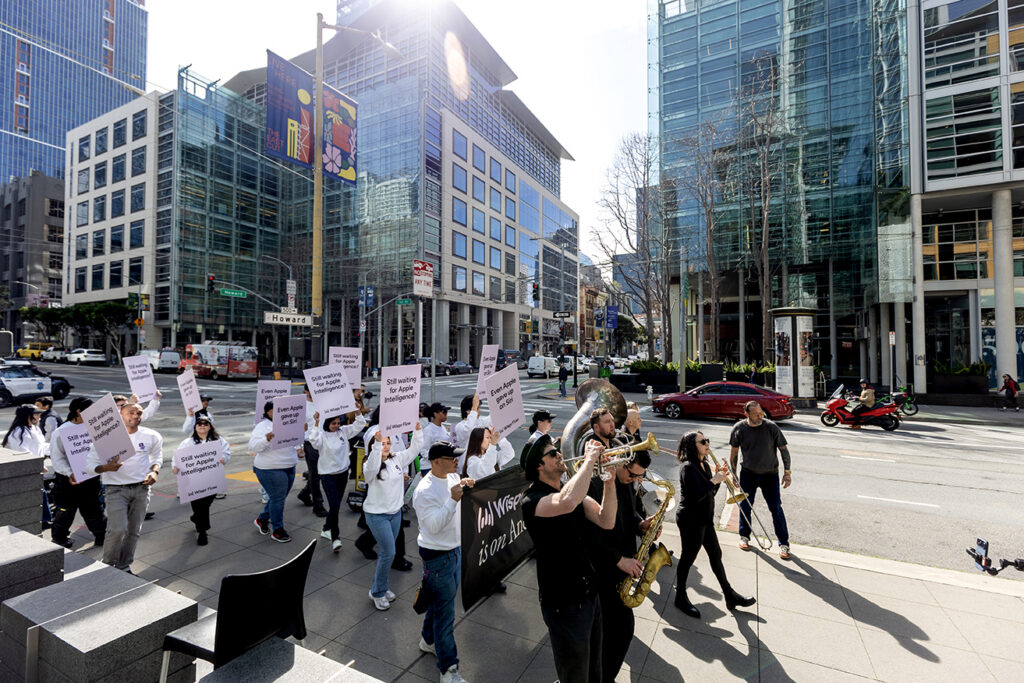
Grass root marketing is one of those terms that gets used frequently in strategy discussions but rarely explained with precision. This guide provides the definition, the strategic logic behind it, the tactics it encompasses, and how it actually works in practice for brands that choose to build presence from the ground up.
American Guerrilla Marketing has been executing grass root and street-level marketing campaigns since 2006, operating across 50+ U.S. markets from our base at Industry City in Brooklyn, NY. We work with consumer brands, entertainment companies, nonprofits, and political organizations on campaigns that build real community presence – not just media reach. What follows is what we know from two decades of field operations.
If you’re looking for a quick definition followed by real context, you’re in the right place.
Grass Root Marketing: The Core Definition
Grass root marketing is a strategy that builds brand awareness, consumer relationships, and market presence from the ground up – through direct community engagement, street-level outreach, and person-to-person connection – rather than through paid mass media broadcast. The goal is organic, locally-rooted growth that earns consumer trust through genuine presence rather than advertising volume.
The phrase comes from American political organizing. “Grass roots” refers to ordinary people at the local level as opposed to institutional leadership or top-down organizational structures. In marketing, the metaphor holds: grass root marketing is about reaching people where they are, in their communities and neighborhoods, through authentic encounters rather than manufactured impressions.
The Core Distinction: Bottom-Up vs. Top-Down
Traditional mass media marketing is top-down: a brand broadcasts a message to a large, undifferentiated audience and hopes for individual relevance. Grass root marketing is bottom-up: it starts with a specific community, neighborhood, or audience group and builds presence through direct contact and genuine relationship. Scale is achieved through the spread of authentic engagement rather than the purchase of media reach.
Organic vs. Paid Growth
Grass root marketing doesn’t mean free marketing. It means marketing whose growth mechanism is authentic consumer engagement rather than media spend. A well-executed grass root campaign requires investment in staffing, materials, logistics, and documentation – but its growth flywheel is word-of-mouth and community spread rather than media frequency.
The Strategic Logic of Grass Root Marketing
Why would any brand with access to mass media advertising choose grass root marketing? Several strategic reasons drive the choice, and many campaigns use both approaches in combination.
Trust That Advertising Can’t Buy
Consumer trust in traditional advertising has declined consistently over the past two decades. Consumers are sophisticated about the economics of advertising – they understand that a brand saying positive things about itself in paid placements is not the same as an independent community member recommending a product based on personal experience. Grass root marketing works through the latter mechanism: brand ambassadors, community advocates, and genuine product trial generate the kind of trust that media placements don’t.
Cultural Relevance in Specific Communities
Mass media advertising is necessarily generic – it needs to appeal across a broad audience. Grass root marketing can be precisely tailored to specific communities, neighborhoods, and cultural contexts. A brand trying to build relevance with urban young adults in Brooklyn doesn’t need to run a national television campaign; it needs to show up in the physical spaces those consumers inhabit, with messaging and representatives that feel culturally genuine.
Efficiency in Targeted Markets
For brands with specific geographic or demographic objectives, grass root marketing is often more cost-efficient than broadcast advertising. A street team campaign covering the five neighborhoods in New York City with the highest concentration of a target demographic will produce more qualified engagement per dollar than a media buy spread across the full metropolitan market.
Tactics That Fall Under Grass Root Marketing
Grass root marketing is a strategic orientation, not a single tactic. Many different execution formats serve the grass root approach, depending on the brand’s objectives, audience, and budget.
Street Teams and Brand Ambassadors
Street teams are the most direct grass root marketing format: trained brand representatives operating in target neighborhoods, making direct consumer contacts through conversation, sampling, literature distribution, and event presence. The quality of a street team campaign depends almost entirely on the quality of the people deployed – training, product knowledge, authentic enthusiasm, and genuine engagement skills. Our brand ambassador agency services include recruiting, training, and managing field staff for exactly this purpose.
Sampling Activations
Direct product sampling is one of the most effective grass root tactics for consumer brands. Getting a product into someone’s hands, letting them experience it without friction, and pairing that experience with a knowledgeable human conversation is a highly efficient path to trial and advocacy. Sampling programs run by AGM’s field teams have driven measurable sales velocity lifts in retail markets where sampling preceded shelf placement.
Wheatpasting and Poster Campaigns
Wheatpasting – the placement of large-format posters in high-traffic urban locations – creates visual brand presence in specific neighborhoods at a cost far below traditional outdoor advertising. For entertainment launches, fashion brands, consumer products, and events, wheatpasting campaigns build neighborhood-level cultural presence quickly and efficiently. AGM has executed wheatpasting campaigns in New York and across major U.S. markets for clients ranging from major entertainment studios to independent food brands.
Sidewalk Stencil Campaigns
Sidewalk stencils place brand messages directly in pedestrian paths – intersections, transit exits, busy retail blocks – where they’re encountered at street level by target consumers going about their daily routines. The format is particularly effective for app launches, event promotions, and brands with short, punchy messages that work at glance distance.
Community Event Presence
Farmers markets, neighborhood festivals, block parties, cultural events, and community gatherings are natural grass root marketing environments. They concentrate target consumers in community contexts that are inherently receptive to brand engagement when it’s executed with authentic interest in the community rather than purely extractive intent. AGM has helped brands establish long-term community event presences in multiple markets that have built sustained brand equity in targeted neighborhoods.
Word-of-Mouth and Referral Programs
Structured word-of-mouth programs – referral incentives, community advocate identification, micro-influencer outreach to genuinely community-connected voices – are digital extensions of the grass root approach. The most effective programs identify real community members with authentic audiences (not just follower counts) and create genuine incentives for advocacy rather than paid endorsement.
How Grass Root Marketing Works in Practice
Understanding the tactics is straightforward. Making them work requires operational knowledge that comes from field experience, not marketing theory.
Location Selection Is Everything
Grass root marketing lives and dies on location quality. The wrong neighborhood, the wrong intersection, the wrong day and time – and a technically excellent campaign produces minimal results. Location selection requires knowing foot traffic patterns, understanding where target consumers actually gather (not just where they live), and having the local market knowledge to distinguish high-quality from high-visibility locations. AGM scouts locations directly in every market we operate.
Timing and Context Matter
A sampling activation at a neighborhood farmers market on a Saturday morning reaches a different consumer than the same activation at a transit hub on a weekday morning commute. Both can be right for different objectives. Understanding when and where target consumers are in a receptive state – and positioning brand interactions accordingly – is a core operational skill in grass root marketing.
Training Determines Quality
The humans doing the grass root work are the brand, in the consumer’s eyes. An undertrained brand ambassador who can’t answer basic product questions, seems disengaged, or behaves inappropriately for the community context doesn’t just produce zero results – they can actively damage brand perception in that market. Every AGM campaign starts with thorough ambassador training: product knowledge, messaging standards, community conduct expectations, and documentation requirements.
Measuring Grass Root Marketing Performance
Grass root marketing is measurable. The measurement ecosystem is less automated than digital, but the core metrics are trackable with discipline and proper documentation standards.
Direct Engagement Metrics
Street team engagement counts, samples distributed, literature handed out, conversations logged – these are the core volume metrics. Per-campaign, these translate to cost-per-engagement figures that can be compared across formats and over time.
Geographic Market Comparison
The cleanest measurement methodology for grass root campaigns is comparing outcome metrics (awareness, sales velocity, app downloads) in markets where the campaign ran against matched comparison markets where it didn’t. This requires advance planning but produces the most defensible ROI data.
Documentation as Evidence
GPS-tagged photos, timestamped video, and engagement logs are the proof-of-performance documentation that professional grass root campaigns produce. AGM delivers this documentation for every campaign – because documentation is how brands prove value internally and how we hold ourselves accountable to the results we promise.
Grass Root Marketing vs. Other Approaches
Grass root marketing exists on a spectrum with other marketing approaches, and understanding where it sits helps brands decide how to allocate it within their overall mix.
Grass Root vs. Mass Media
Mass media advertising reaches large audiences quickly but produces shallow engagement. Grass root marketing reaches smaller audiences but produces deeper relationships and stronger consumer advocacy. The right balance depends on campaign objectives: awareness campaigns may favor mass media, while trial-driving and community-building campaigns favor grass root approaches.
Grass Root vs. Digital Marketing
Digital marketing is highly measurable and scalable but increasingly saturated and often distrust-generating. Grass root marketing is less scalable but builds trust in ways digital channels struggle to replicate. The most effective modern campaigns integrate both: digital advertising drives awareness at scale, grass root execution builds the authentic community relationships that convert that awareness into advocacy.
Grass Root vs. Guerrilla Marketing
These approaches overlap significantly. Guerrilla marketing typically emphasizes unconventional, surprising tactics in public spaces – shock, novelty, and earned media. Grass root marketing emphasizes sustained community presence and relationship building. Many campaigns blend both: a guerrilla installation to generate initial attention, followed by ongoing street-level engagement to build community relationships in the neighborhoods the installation reached.
Grass Root Marketing vs. Digital Marketing: Complementary, Not Competitive
A common question is whether grass root marketing and digital marketing compete for budget, or whether they serve different and complementary objectives. The answer is clearly complementary – the two approaches serve different consumer relationship functions, and brands that treat them as competing priorities typically underperform compared to those that integrate both.
What Digital Marketing Does Best
Digital marketing excels at scale, targeting precision at the individual level, measurable conversion tracking, and cost-efficient reach across large audiences. It’s the right tool for broad awareness, retargeting consumers who have already shown interest, and driving direct digital conversions (downloads, subscriptions, e-commerce purchases). It reaches consumers individually in mediated contexts – they’re scrolling, browsing, watching – rather than engaging with the community contexts where they live their physical lives.
What Grass Root Marketing Does Best
Grass root marketing excels at building trust through physical presence, driving direct product trial, creating community relationships, and earning the word-of-mouth advocacy that digital advertising cannot manufacture. It reaches consumers in community contexts where they’re engaged with their neighborhoods and open to brand encounters that feel like genuine community presence rather than advertising intrusion. The trust produced by a positive direct brand encounter – a great sampling experience, a meaningful community engagement – is qualitatively different from digital advertising awareness and more likely to produce sustained behavioral change.
The Integration Advantage
Brands that use digital advertising to build awareness at scale and grass root marketing to convert that awareness into genuine consumer relationships and trial outperform those that rely on either channel alone. The sequence matters: digital creates the cognitive context that makes a physical brand encounter recognizable and meaningful; the physical encounter creates the trust and advocacy that digital advertising can’t efficiently manufacture. This is the integration model that produces the best outcomes across brand categories.
Getting Started with Grass Root Marketing
For brands evaluating grass root marketing for the first time, the barrier to entry is lower than many expect. A well-designed pilot program in a single market or neighborhood produces measurable results and the operational learnings needed to scale confidently.
Start with the Right Market
Choose a pilot market where the target consumer is concentrated and where you have enough retail distribution or digital presence that activated consumers can find the product after the encounter. A grass root marketing campaign in a market without retail availability creates consumer interest without a conversion path – which wastes the trial the campaign generates. Pick a market where the infrastructure supports conversion, then prove the grass root model there before scaling.
Define Success Before You Launch
Before any grass root program launches, define specific success metrics: how many direct consumer contacts, how many samples distributed, what sales velocity change in sampled neighborhoods vs. comparison markets, what social mentions from targeted communities. This pre-launch definition makes post-campaign evaluation meaningful and gives the team a clear target to optimize toward during execution.
Partner with an Agency That Knows the Streets
Grass Root Marketing for Nonprofit and Mission-Driven Organizations
Nonprofit and mission-driven organizations have a natural alignment with grass root marketing principles – their missions are community-based, their credibility depends on authentic community relationships, and their budgets rarely support the mass media advertising spend that commercial brands use for awareness building. Grass root marketing is not just a tactical choice for nonprofits – it’s often the most strategically appropriate approach for their community relationship objectives.
Volunteer and Community Network Activation
Nonprofits with existing volunteer networks have a grass root marketing asset that commercial brands spend significant money to build: genuine community advocates who have demonstrated commitment to the organization’s mission through their time and involvement. Activating these networks as brand ambassadors – equipping volunteers with materials, training, and clear outreach objectives – converts existing relationship capital into marketing reach that advertising dollars can’t replicate. The trust that comes from a recommendation from a known community member is categorically more persuasive than any paid placement.
Community Partnership Models
Nonprofits operate most effectively in grass root marketing when they build genuine partnerships with community organizations that serve overlapping constituencies – neighborhood associations, community centers, faith organizations, schools, and local businesses. These partnerships create authentic distribution channels for marketing and outreach materials, and the endorsement of trusted community organizations adds credibility to an institution’s community engagement that it couldn’t manufacture independently. AGM has facilitated community partnership structures for nonprofit clients in New York and nationally, helping institutions build the community network infrastructure that makes grass root marketing effective at scale.
What is grass root marketing?
Grass root marketing is a strategy that builds brand awareness and consumer relationships from the ground up through direct community engagement, street-level outreach, and person-to-person connection rather than paid mass media. The name comes from the political organizing tradition of mobilizing ordinary people at the local level. In marketing, it means reaching consumers in their communities through authentic encounters rather than manufactured impressions.
What are examples of grass root marketing tactics?
Common grass root marketing tactics include street team campaigns, door-to-door outreach, community event sponsorships, sampling activations in high-traffic neighborhood locations, wheatpasting and poster campaigns, sidewalk stencils, brand ambassador programs, and word-of-mouth referral programs. The right mix depends on the brand’s objective and target audience geography.
What is the difference between grass root marketing and guerrilla marketing?
Grass root marketing emphasizes community building and authentic local engagement over time. Guerrilla marketing typically refers to unconventional, attention-grabbing tactics designed to create immediate impact in public spaces. They overlap significantly in practice – many guerrilla marketing campaigns are executed as part of a broader grass root marketing strategy, using street-level stunts to generate attention that community engagement programs then develop into lasting relationships.
How do you measure the success of grass root marketing?
Measurement tools include direct engagement counts from street teams and sampling activations, foot traffic tracking near activation locations, social media mentions from targeted neighborhoods, survey-based awareness tracking in campaign vs. non-campaign markets, and post-campaign sales velocity comparisons. GPS-tagged documentation and engagement logging are the minimum standard for proving campaign performance.
Is grass root marketing effective for established brands?
Yes. Established brands use grass root tactics to enter new markets, connect with specific cultural communities, support product launches, and rebuild consumer relationships after periods of disengagement or brand crises. Physical community presence carries a legitimacy that media spend cannot replicate, especially in markets where the brand has been perceived as distant or inauthentic.
How much does a grass root marketing campaign cost?
Entry-level single-market grass root campaigns start around $10,000-$20,000 for a focused street team or sampling activation with proper staffing and documentation. Multi-market programs covering five to ten cities typically run $50,000-$150,000 depending on duration, formats deployed, and campaign scale. The investment covers staffing, materials, permitting, logistics, and documentation.
Does AGM execute grass root marketing campaigns?
Campaign Architect — American Guerrilla Marketing
Frequently Asked Questions
What is grass root marketing?
Grass root marketing is a strategy that builds brand awareness and consumer relationships from the ground up through direct community engagement, street-level outreach, and person-to-person connection rather than paid mass media. The name comes from the political organizing tradition of mobilizing ordinary people at the local level rather than relying on institutional top-down messaging.
What are examples of grass root marketing tactics?
Common grass root marketing tactics include street team campaigns, door-to-door outreach, community event sponsorships, sampling activations in high-traffic neighborhood locations, wheatpasting and poster campaigns, sidewalk stencils, brand ambassador programs, and word-of-mouth referral programs.
What is the difference between grass root marketing and guerrilla marketing?
Grass root marketing emphasizes community building and authentic local engagement over time. Guerrilla marketing typically refers to unconventional, attention-grabbing tactics designed to create immediate impact in public spaces. They overlap significantly in practice – many guerrilla marketing campaigns are executed as part of a broader grass root marketing strategy.
How do you measure the success of grass root marketing?
Measurement tools include direct engagement counts from street teams and sampling activations, foot traffic tracking near activation locations, social media mentions from targeted neighborhoods, survey-based awareness tracking in campaign vs. non-campaign markets, and post-campaign sales velocity comparisons.
Is grass root marketing effective for established brands?
Yes. Established brands use grass root tactics to enter new markets, connect with specific communities, support product launches, and rebuild consumer relationships after periods of disengagement. Physical community presence carries a legitimacy that no amount of media spend can replicate.
How much does a grass root marketing campaign cost?
Entry-level single-market grass root campaigns start around $10,000-$20,000 for a focused street team or sampling activation with proper staffing and documentation. Multi-market programs covering 5-10 cities typically run $50,000-$150,000 depending on duration, formats, and scale.
Does AGM execute grass root marketing campaigns?
Yes. AGM has been executing grass root and street-level marketing campaigns since 2006. We operate in 50+ U.S. markets and handle every aspect of grass root campaign execution – from location scouting and permitting to staffing, documentation, and reporting. Contact us at [email protected] or (646) 776-2770.