Gen Z is the most marketing-literate generation in history and the most difficult to reach through conventional advertising. Born between 1997 and 2012, this generation grew up inside the advertising ecosystem — curating their own media feeds from childhood, learning to identify and dismiss sponsored content by reflex, and developing a sophisticated cultural vocabulary for brands that feel “real” versus brands that are performing realness. For any brand whose current or future consumer base includes 13-28 year-olds, understanding how Gen Z evaluates brands and what actually reaches them is not optional marketing intelligence — it is strategic survival planning.
American Guerrilla Marketing executes campaigns that reach Gen Z audiences through street-level and experiential tactics that bypass the digital ad filtering this generation has mastered. We operate out of Industry City, Brooklyn, NY, and deploy across 50+ U.S. markets. Our flyposting, experiential activations, ambassador programs, and LED billboard trucks create the unexpected physical encounters that Gen Z responds to and shares — converting street-level impressions into TikTok and Instagram content through the generation’s natural documentation behavior.
Understanding Gen Z’s Marketing Context
Gen Z is the first generation to have grown up with algorithmic content curation as a normal condition of media consumption. They have never known a media environment where they were forced to encounter content they did not choose — they have always been able to scroll, skip, mute, or block whatever advertising appears in their feed. This lifetime of intentional content curation has produced a generation with highly developed ad recognition reflexes and extremely low tolerance for content that feels like advertising rather than genuine value delivery.
The Authenticity Paradox
Gen Z demands authenticity but is hyper-alert to performed authenticity. A brand that creates “raw” content clearly designed to look raw, or sponsors an influencer who clearly does not use the product, or takes a social position that contradicts their business practices, faces immediate and vocal exposure from a generation that regards brand inauthenticity as culturally newsworthy. The brands that build genuine Gen Z relationships are those that behave in ways consistent with stated values without being prompted by marketing planning — and that acknowledge their commercial nature without pretending it doesn’t exist.
Creator Economy Fluency
Gen Z grew up watching creators build businesses, communities, and cultural movements through individual content production. This creator economy context shapes how they evaluate brands: brands that enable creator communities, support individual creators genuinely, and behave like members of cultural movements rather than sponsors of them consistently outperform brands that treat creator partnerships as media placements and Gen Z communities as target audiences rather than participants.
Channels for Reaching Gen Z
Channel strategy for Gen Z requires deep honesty about where this generation actually spends its attention — not where brands assume they do.
TikTok: The Gen Z Discovery Layer
TikTok is the dominant cultural discovery platform for Gen Z — the place where new brands, sounds, aesthetics, and cultural moments enter Gen Z consciousness first. The platform’s algorithmic content delivery (showing users content based on behavioral signals rather than social connections) creates discovery opportunities for brands whose content genuinely engages, regardless of their follower count or paid amplification investment. A brand that understands TikTok’s format, humor register, and trend participation patterns can achieve organic reach that paid advertising on any other platform cannot match. The caveat: TikTok rewards content that is native to the platform — not repurposed TV ads or slickly produced brand content, but content that feels like it belongs in a TikTok scroll.
Street-Level Marketing: The Physical Bypass
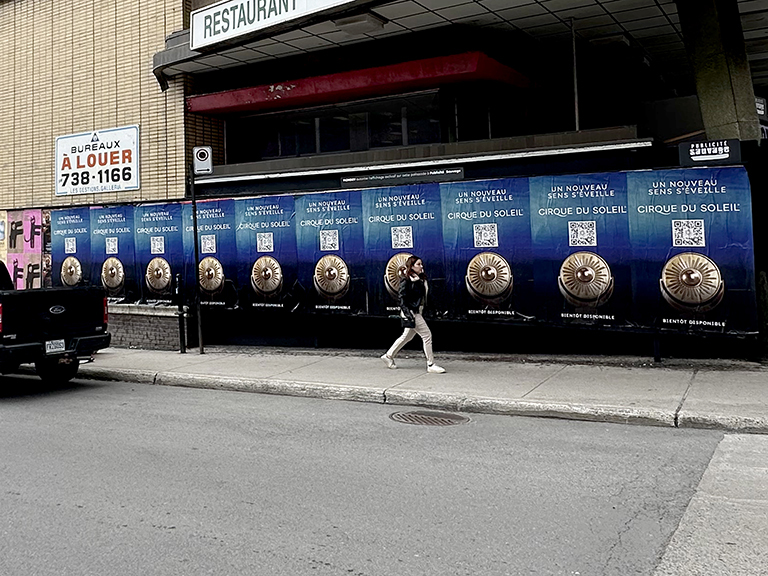
Gen Z’s sophisticated digital filtering makes physical marketing unusually effective for this generation in one specific way: they have not yet developed equivalent filtering for physical brand encounters. An unexpected, quality guerrilla campaign in a neighborhood they frequent, at an event they attend, or in a physical space they live in creates genuine discovery moments that digital advertising cannot produce for this demographic. Our urban guerrilla campaigns in Gen Z-concentrated neighborhoods consistently generate TikTok documentation from Gen Z consumers who photograph and share compelling street-level creative — turning physical campaigns into organic Gen Z social content.
Discord and Community Platforms
Gen Z builds primary community on Discord — the gaming-rooted chat platform that has expanded into the primary community organization tool for interests ranging from music fandoms to sneaker collecting to crypto to anime. Brands that establish genuine Discord community presence — not promotional servers but active participation in existing communities and creation of genuinely valuable community spaces — reach Gen Z in a context of opted-in community belonging rather than algorithmic interruption. Discord brand presence requires genuine community investment and cannot be executed as a paid media placement; it must be built through consistent, value-generating participation.
Values-Based Brand Relationships with Gen Z
Gen Z’s values requirements for brand relationships are the most extensive of any consumer generation. The list of commitments required for a brand to be considered “values-aligned” by the Gen Z mainstream has expanded significantly from the millennial baseline, and the tolerance for organizational behavior that contradicts stated values is essentially zero.
Non-Negotiable Values for Gen Z Brands
Racial equity and inclusion (requiring internal organizational commitment, not just advertising diversity), environmental sustainability without greenwashing, LGBTQ+ affirmation (including organizational policy alignment), mental health destigmatization, transparent labor practices, and political transparency are all categories where Gen Z expects brands to have clear positions and organizational behavior that aligns with them. Brands that hedge on these commitments, or that say one thing and do another, face immediate exposure and boycott from a generation that actively monitors and shares brand accountability failures.
The Importance of Accountability Over Perfection
Interestingly, Gen Z is more forgiving of genuine mistakes accompanied by honest accountability than of the hedged corporate communication that older brand management training produces. A brand that acknowledges it got something wrong, explains what it is doing to fix it, and follows through on that commitment often builds stronger Gen Z trust than a brand with a pristine public record achieved through communication rather than action. Authenticity in failure recovery is as important as authenticity in success — Gen Z respects honesty over flawlessness.
Guerrilla Marketing for Gen Z: Physical Encounters That Travel
The specific guerrilla marketing formats that travel farthest through Gen Z social media are those that create genuine visual surprise in physical space. Gen Z’s TikTok and Instagram documentation behavior means that a physically compelling street-level campaign can achieve social reach through user-generated content that far exceeds the campaign’s direct on-site audience.
Mural and Street Art Campaigns
Authorized murals and high-quality street art campaigns in Gen Z-concentrated neighborhoods have become among the most effective Gen Z marketing investments available. A visually stunning mural in Williamsburg, Echo Park, Wicker Park, or comparable neighborhoods across major cities creates a destination that Gen Z consumers seek out for social content creation — generating hundreds or thousands of user-created posts that reach the social networks of everyone who photographs at the mural location. The key is quality: Gen Z’s visual standards for mural and street art are high, and mediocre work reflects worse on a brand than no mural at all.
Pop-Up Experiences Designed for Documentation
Our experiential activations for Gen Z audiences are designed with social documentation in mind — creating environments and moments that are visually distinctive, physically interactive, and social-content-ready without feeling manufactured for Instagram. The distinction Gen Z draws between content that is “authentically shareable” and content that is “designed to go viral” is real and observable to this generation’s sophisticated content literacy. Activations that create genuine discovery moments in unexpected contexts generate more authentic Gen Z documentation than activations that announce themselves as shareable experiences.
Frequently Asked Questions: Marketing to Gen Z
Who is Gen Z and why are they important for marketing?
Gen Z (born 1997-2012, now 13-28) is the first digitally native generation — grown up with smartphones and algorithmic content as normal. They wield approximately $360 billion in U.S. spending power and disproportionate cultural influence. The oldest cohort is entering peak earning years and establishing brand preferences that will last decades.
What marketing channels are most effective for reaching Gen Z?
TikTok is the dominant discovery channel. Instagram remains important for brand identity. YouTube serves longer-form content. Street-level and experiential marketing are highly effective because Gen Z’s sophisticated digital ad filtering makes unexpected physical encounters uniquely impactful — and Gen Z’s documentation behavior turns compelling physical campaigns into organic TikTok content.
How does Gen Z’s authenticity requirement differ from millennials’?
Gen Z has a more radical requirement: where millennials want brands to have values, Gen Z wants brands to demonstrate values without being asked. Gen Z is more skeptical of intentional authenticity — brand behaviors clearly designed to appear authentic register as inauthentic. The most effective Gen Z brand building is least marketing-feeling: genuine cultural participation without obvious commercial calculation.
What content formats work best for marketing to Gen Z?
Short-form vertical video on TikTok, Reels, and YouTube Shorts. Authentic, raw-feeling content outperforms high-production brand content. Meme and internet culture fluency creates relevance. Long-form content works for specific interested audiences but not broad awareness campaigns. Native TikTok content creation (not repurposed brand ads) is the highest-priority Gen Z content investment.
Can guerrilla marketing reach Gen Z effectively?
Yes — Gen Z’s sophisticated digital ad filtering creates specific advantages for physical marketing with this generation. Unexpected quality street-level campaigns create genuine discovery moments digital cannot replicate. Gen Z consumers are highly likely to photograph and share compelling street-level creative on TikTok and Instagram, creating viral amplification from physical campaign elements through natural documentation behavior.
What values are most important to Gen Z in brand relationships?
Racial equity and inclusion, environmental sustainability without greenwashing, LGBTQ+ affirmation, mental health destigmatization, transparent labor practices, and political transparency. These are non-negotiable prerequisites for Gen Z brand relationships — contradictions between stated values and organizational behavior face immediate exposure and boycott from a generation that actively monitors and shares brand accountability failures.
Frequently Asked Questions
What is gen z why you need to pay attention?
American Guerrilla Marketing provides gen z why you need to pay attention services across 50+ U.S. markets. Every campaign is planned, scouted, executed, and GPS-documented by our field teams. We work with regional brands and Fortune 500 companies on campaigns that require real street-level execution and documented proof of performance.
How does AGM approach pay attention?
Our process starts with a market consultation to understand your goals, target audience, and budget. We then scout locations, handle any required permissions or permits, coordinate production and installation with our local crews, and provide a full GPS-tagged photo report after the campaign runs.
What markets does American Guerrilla Marketing cover for pay attention?
We operate in 50+ U.S. markets including New York, Los Angeles, Chicago, Miami, Houston, Atlanta, Seattle, Denver, Boston, and dozens of secondary markets. Contact us to confirm availability and pricing for your specific market.
How much does a pay attention campaign cost?
Campaign pricing depends on market, format, quantity, and duration. We work with budgets ranging from targeted single-market runs to national rollouts across multiple cities. Use our RFP Builder or contact us directly for a custom quote based on your specific campaign requirements.
How do I get started with pay attention through AGM?
The fastest way to get started is to submit your campaign details through our RFP Builder at americanguerrillamarketing.com, or contact us directly at [email protected] or (646) 776-2770. Our team typically responds within one business day with availability and initial pricing.