Experiential Marketing San Francisco: Activating in a City That Thinks Differently
San Francisco is compact, culturally specific, and full of consumers who can immediately tell the difference between a brand that understands the city and one that is treating it like any other major market. Neighborhood fluency is not optional here.
San Francisco is one of the most sophisticated brand activation markets in the United States. The concentration of technology professionals, creative community members, and highly educated consumers creates an audience that evaluates brand experiences with a level of discernment that separates authentically designed activations from generic ones very quickly. The city’s neighborhood cultures are also distinctly defined in ways that make city-wide blanket strategies far less effective than neighborhood-specific programs.
We are American Guerrilla Marketing. We have executed brand activation programs across San Francisco’s neighborhoods and the broader Bay Area. We understand the Mission and Hayes Valley differently from how we understand Marina and the Financial District. We know where the right consumers are for different brands, what event infrastructure exists to create activation windows, and how the city’s logistics work for field teams operating in a geography that does not always accommodate the kind of large-footprint activations that work in less constrained environments. This guide covers how to activate effectively in San Francisco.
San Francisco has several characteristics that make it genuinely different from other major US markets:
Compact geography: San Francisco is physically small for a major city. At 47 square miles, it has more in common geographically with a large neighborhood of New York than with a sprawling city like Los Angeles. This compactness creates both high consumer density in walkable areas and a specific set of logistics constraints for vehicle-based activations.
Tech-forward consumer culture: The concentration of technology professionals in San Francisco creates a consumer base that is early-adopter oriented, skeptical of overt advertising, and highly responsive to brand interactions that feel genuine and product-forward. Technology products, health and wellness brands, and categories that align with the values and lifestyle of tech professionals find particularly receptive audiences here.
Neighborhood loyalty: San Francisco residents identify strongly with their neighborhoods in ways that affect how brand activations are received. A brand that activates authentically in the Mission earns community respect that a brand treating the neighborhood as an interchangeable location does not. This neighborhood loyalty creates both an opportunity for brands willing to engage genuinely and a risk for brands that approach the city without cultural intelligence.
Bay Area context: San Francisco is the cultural and geographic center of a much larger metropolitan area that includes Oakland, Berkeley, San Jose, and dozens of smaller communities. A San Francisco activation is often most effective when it is part of a broader Bay Area strategy that recognizes the distinct consumer communities on both sides of the Bay.
San Francisco Neighborhoods for Brand Activation
Neighborhood
Consumer Profile
Best Brand Fits
The Mission
Latino community roots, creative professionals, food culture, diverse age range
Food and beverage, cultural brands, indie lifestyle
Hayes Valley
Design-aware, affluent young professionals, independent retail oriented
Design, wellness, fashion, food
SoMa (South of Market)
Tech industry workers, startup community, event venues
Fitness-focused, outdoor-active, affluent, young professional
Fitness, outdoor recreation, health food, lifestyle
Castro
LGBTQ+ community, diverse, neighborhood-loyal
Brands with genuine LGBTQ+ relevance and community values
Ferry Building / Embarcadero
High tourist volume, food enthusiasts, diverse daily commuters
Food and beverage, artisan and premium brands
Dogpatch / Potrero Hill
Tech and creative professionals, design community, growing dining scene
Tech, design, food and drink, creative brands
Oakland and the East Bay
Oakland is often an afterthought for brands planning Bay Area activations that start with San Francisco. This is a strategic mistake. Oakland has a distinct and increasingly influential consumer community, particularly in neighborhoods like Temescal, Rockridge, and the Grand Lake area. The food scene, arts community, and independent retail culture in Oakland are at least as strong as San Francisco’s equivalent neighborhoods, with different demographic character and a more Oakland-specific authenticity that brands treating it as a secondary market miss.
Berkeley adds another dimension: the university community, the progressive food culture originating from Chez Panisse and the Cheeseboard Collective’s influence, and a highly educated consumer base that responds particularly well to quality, provenance, and brand transparency stories.
The brands that succeed in San Francisco are the ones that take the city’s cultural specificity seriously. Treating the Ferry Building farmers market as an equivalent activation to a generic street corner ignores the specific food culture context the Ferry Building market represents. Location intelligence in San Francisco is not just about foot traffic — it is about cultural alignment.
Bay Area Events for Brand Activation
Outside Lands Music Festival (August, Golden Gate Park): One of the largest music festivals in the country, with a strong Bay Area consumer audience. Multiple brand activation zones both inside and outside the festival footprint.
Hardly Strictly Bluegrass (October, Golden Gate Park): Free music festival with massive attendance and a highly engaged Bay Area audience. Accessible activation environment.
Dreamforce (September, Moscone Center): The largest Salesforce and enterprise tech conference in the world. Draws 170,000+ attendees to San Francisco for a week. Strong activation environment for B2B, enterprise technology, and professional services brands.
Bay to Breakers (May): Annual footrace across San Francisco with tens of thousands of participants and spectators. Strong for health, fitness, and consumer brands targeting active adults.
San Francisco Pride (June): One of the largest Pride events in the country. Strong for brands with authentic LGBTQ+ community values alignment.
Fleet Week (October): Draws large crowds to the Embarcadero and waterfront areas. Consumer goods and lifestyle brands find strong audiences here.
Tech Brand Activations in San Francisco
San Francisco’s technology industry creates specific activation opportunities that do not exist in most other US markets. The concentration of early adopters, product development professionals, and innovation-oriented consumers makes the city the ideal launch market for technology products, apps, and digital services.
Product launches in San Francisco carry a specific credibility signal. A consumer technology product that earns genuine adoption from San Francisco’s tech community has a validation that translates to media coverage, investor interest, and broader consumer confidence. This signal value is one of the reasons technology companies consistently prioritize San Francisco in their launch activation programs even when the overall market size would not justify it purely on demographic grounds.
San Francisco Activation Logistics
San Francisco’s compact geography and pedestrian-friendly neighborhoods make many activations logistically straightforward. However, the city has specific operational considerations:
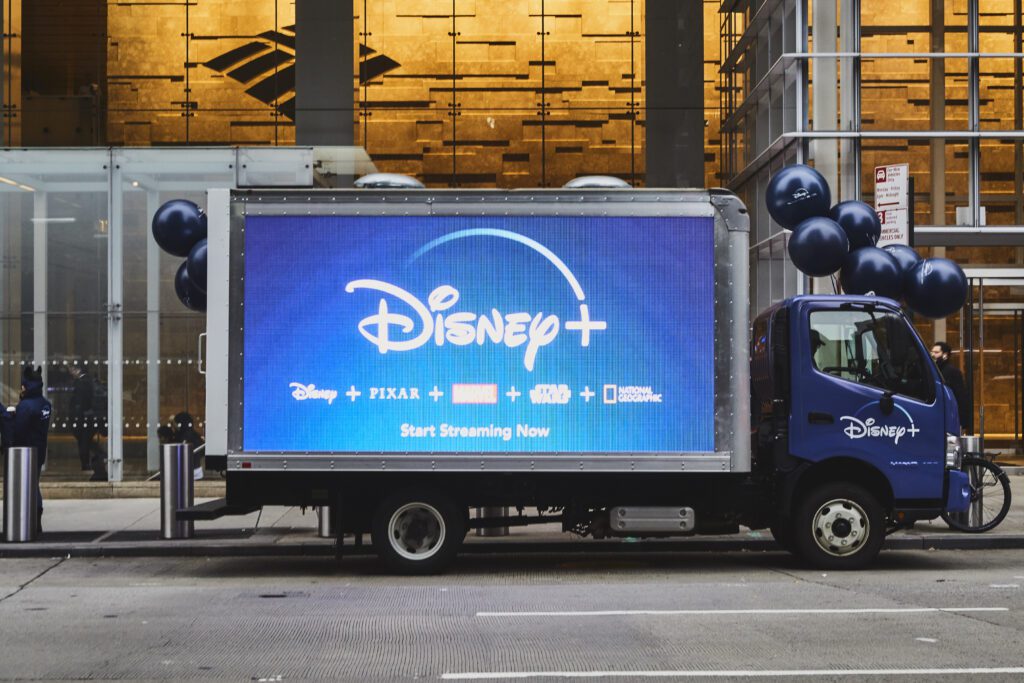
Parking and vehicle access: San Francisco is notoriously difficult for vehicle-based operations. Parking enforcement is active and parking availability in most neighborhoods is limited. Mobile vehicle activations require advance planning for parking permissions, loading zones, and route logistics that account for the city’s hills, one-way streets, and parking restrictions.
Weather variability: San Francisco’s famous fog and microclimatic variation mean that outdoor activations can face cool, foggy conditions even in summer months. Planning for light outerwear requirements and having materials that hold up in light moisture is important even in the warmer months.
Neighborhood character: The differences between San Francisco neighborhoods are compressed into very short geographic distances. A brand moving from an activation in the Mission to the Marina is moving through three or four distinct neighborhood cultures within a few miles. Teams need to be briefed on the specific cultural context of each neighborhood they are activating in, not just given a general San Francisco brand brief.
The Ferry Building network: San Francisco’s Best Activation Environment
The Ferry Building Marketplace at the foot of Market Street in San Francisco is one of the most consistently high-value brand activation environments in the country. The Saturday morning Farmers Market alone draws thousands of the Bay Area’s most quality-conscious food consumers to a compact, walkable environment where brand discovery is part of the cultural purpose of being there.
The Ferry Building’s consumer base combines tourists (the building draws over five million visitors annually), commuters (the Transbay ferry terminal connects to multiple East Bay communities), and local residents with a strong commitment to artisan and quality food products. The demographic skews affluent, educated, and food-aware — an ideal profile for premium food and beverage brands seeking direct consumer engagement.
Activation at the Saturday Farmers Market requires coordination with the market’s management and alignment with the market’s quality and craft positioning. This is not a generic street sampling location — it is a curated consumer destination where brand presence needs to feel consistent with the market’s standards. Brands that earn market participation are credentialed by the association; brands that would be out of place at a quality food market should find a different location.
The surrounding Embarcadero and waterfront area provides strong activation opportunities beyond the formal market footprint. The commuter transit corridor along the Embarcadero concentrates thousands of daily commuters during morning and evening peak hours. The tourist and leisure traffic along the waterfront peaks on weekend afternoons. Both windows provide different consumer profiles and different interaction dynamics.
SF and the Broader Bay Area: Building Regional Presence
Brands whose target consumers are concentrated across the Bay Area — not just in San Francisco proper — should design programs that extend into the regional network rather than limiting their investment to San Francisco’s 47 square miles.
The Bay Area’s 7 million+ population is distributed across a geography that includes San Jose and the South Bay (home to Apple, Google, and Silicon Valley’s broader tech network), the East Bay (Oakland, Berkeley, and Emeryville), the North Bay (Marin County and Sonoma), and the Peninsula (Palo Alto, Mountain View, and the mid-Peninsula tech corridor). A program that only activates in San Francisco proper is reaching roughly 15% of the Bay Area’s population.
For brands with the budget and operational capacity for a broader Bay Area program, extending into the East Bay (Oakland’s Temescal and Rockridge neighborhoods are particularly strong for food and lifestyle brands) and the mid-Peninsula (Palo Alto’s downtown and the University Avenue corridor for technology brands) dramatically expands the program’s consumer reach while staying within the Bay Area’s geographic and logistical coherence.
San Francisco Budget Reality
San Francisco is one of the most expensive operational environments in the United States. Ambassador staffing costs, venue fees, and operational logistics in the Bay Area are consistently higher than comparable programs in Chicago, Denver, or Atlanta. Brands planning Bay Area programs need to build realistic budgets that account for this cost structure.
A focused single-neighborhood activation in the Mission or Hayes Valley with a qualified brand team: $10,000-$20,000 per day. A multi-day Bay Area program covering San Francisco and Oakland: $35,000-$80,000. A Dreamforce week brand presence program in SoMa during the Salesforce conference: $30,000-$100,000 depending on format and scale. A sustained seasonal program covering San Francisco, Oakland, and Berkeley with regular market integrations: $80,000-$200,000 for a comprehensive program across the spring-to-fall outdoor season.
These investment levels are justified by the specific consumer quality and market influence of the Bay Area. The technology professional demographic here has above-average income and above-average brand loyalty once earned. The earned media potential for brands in the right categories is high. And the Bay Area’s role as a national trendsetter in food, technology, and lifestyle means that brand credibility built here has relevance beyond the local market.
The Oakland Opportunity
Oakland has become one of the most underutilized activation markets in the Bay Area. While most brands focus their Bay Area investment entirely on San Francisco, Oakland’s creative communities, food culture, and growing professional population create activation opportunities that are often more cost-effective and yield higher consumer quality per dollar than equivalent San Francisco programs.
The Temescal neighborhood in Oakland has become one of the strongest food and beverage activation environments in the Bay Area. Its dense concentration of independent restaurants, specialty grocery stores, and weekend farmers market activity creates exactly the kind of engaged food consumer environment that rewards sampling and brand discovery programs. The demographic is young professional and creative, with strong social documentation behavior and genuine interest in emerging food and beverage brands.
Rockridge, Oakland’s premier residential neighborhood, has a walkable commercial corridor on College Avenue with strong weekend foot traffic from affluent, family-oriented, outdoor-active residents. The consumer profile here is similar to San Francisco’s inner Sunset or Noe Valley — quality-conscious, community-oriented, and receptive to brands that feel appropriate to the neighborhood’s character.
Grand Lake and Lakeshore Avenue create strong waterfront activation environments around Oakland’s Lake Merritt, particularly during the Grand Lake Farmers Market on Saturdays and during the outdoor concert and event series that animates the lake district during summer and fall. These locations reach Oakland’s most community-engaged consumer populations in their most receptive, leisure-oriented moments.
Technology Brand Strategy in the Bay Area
The Bay Area is the global center of the technology industry, and brands in any technology-adjacent category should approach this market with a specific understanding of how the technology professional consumer differs from the technology consumer in other markets.
Bay Area technology professionals are the most sophisticated technology evaluators in the world. They understand the technical dimensions of what they are evaluating. They are aware of competitive products and have often tried multiple alternatives. They respond to product claims with a level of skepticism that reflects their technical knowledge. This sophistication means that vague marketing claims about product quality or performance do not work here. Specific, substantiated claims backed by genuine product quality do.
The Bay Area technology consumer is also deeply socially networked with other technology professionals. Their word-of-mouth reach within the technology industry is disproportionate. A product that earns genuine enthusiasm from a concentrated group of Bay Area technology professionals gets discussed, shared, and recommended through professional networks that reach technology audiences globally. This word-of-mouth amplification effect is one of the strongest arguments for Bay Area technology brand activation investment.
Activation formats that work for technology brands in the Bay Area: product demonstrations at technology events, hands-on trial programs at co-working spaces and tech campuses, lunchtime programs adjacent to major technology office locations, and presence at the various technology and startup community events that cycle through the Bay Area’s event calendar year-round. These formats put the product directly in front of the early adopter audience whose enthusiasm drives broader adoption.
San Francisco and the National Brand Narrative
San Francisco occupies a specific place in the American brand narrative that few other cities can match. A product that earns genuine consumer adoption in San Francisco — particularly in the food, technology, or lifestyle categories — has a story that national media recognizes as meaningful. The “San Francisco approved” signal carries specific weight in the national brand conversation.
This narrative value is real but it requires the activation to actually earn it, not simply claim geographic presence. A brand that activates in San Francisco with a generic program produces no narrative value. A brand that earns genuine consumer enthusiasm in specific San Francisco communities through a high-quality, culturally appropriate activation has earned a story worth telling.
The specific narrative format that has the most national currency from San Francisco activations: the brand that was too good to ignore in the most discerning food and beverage market in the country, or the technology product that tech industry professionals in the Bay Area actually chose to use. These are earned validation stories that carry weight in national media and investor conversations that generic marketing metrics cannot replicate.
Building toward that narrative requires genuine product quality, genuine consumer engagement, and genuine willingness to let the San Francisco consumer reach their own verdict rather than pushing them toward a scripted conclusion. The brands that treat San Francisco activation as a PR exercise rather than a genuine consumer engagement program rarely earn the national narrative they are looking for. The brands that focus entirely on creating genuine consumer value in this specific market often find the narrative follows naturally from the results.
Working with AGM in San Francisco
We manage San Francisco and Bay Area activation programs with field management and ambassador networks that reflect the specific cultural communities where we operate. Our Mission District team is different from our South of Market team, which is different from our Oakland team. Each reflects the specific community context of the neighborhoods they serve.
For national clients including San Francisco in a multi-city program, we provide the same operational standards and reporting infrastructure as in our home market of New York. Same daily reporting cadence, same quality management, same measurement framework. The Bay Area’s distance from our New York headquarters does not affect the quality of the program we deliver there.
For Bay Area-focused brands building local market presence over time, we provide the multi-year consistency that builds community relationships and compounding program performance. The brand that has appeared at the Ferry Building Farmers Market every spring for three years has built a community relationship that a one-time activation cannot create. We support that long-term commitment and design programs that are built for it.
Why San Francisco Belongs in Your National Activation Program
San Francisco is not the largest US market by population, and its geographic footprint is small. The reasons it belongs in national activation programs despite these limitations come down to what the market produces beyond direct consumer contact: credibility signals, early adopter validation, technology industry word-of-mouth, earned media with national reach, and the specific brand narrative of having earned San Francisco consumer approval.
For brands in technology, food and beverage, outdoor, and lifestyle categories, San Francisco is often the single highest-value market in a national program in terms of the quality and influence of the consumers reached per activation dollar. The direct consumer contact numbers may be lower than Chicago or Houston, but the quality and influence of the consumers reached, and the downstream effects of their advocacy, frequently produce greater total brand impact than larger markets with less influential consumer bases.
The brands that get the most from San Francisco are the ones that go in with genuine product quality, genuine cultural alignment with the neighborhoods they are entering, and a genuine willingness to be evaluated by the city’s sophisticated consumers on the actual merits of what they are offering. Those brands consistently find San Francisco one of the most rewarding markets in their activation programs. The ones that show up expecting San Francisco consumers to respond like average US consumers find a market that is harder and less forgiving than they expected.
Frequently Asked Questions
What makes San Francisco a unique experiential marketing market?
San Francisco is compact relative to other major US cities and has one of the highest concentrations of technology industry professionals and innovation-oriented consumers in the country. The city’s neighborhood cultures are distinct and the consumer base is highly educated, brand-aware, and particularly responsive to authenticity and quality over spectacle.
Which San Francisco neighborhoods work best for brand activations?
The Mission for food, culture, and lifestyle brands. Hayes Valley for design, wellness, and independent brands. SoMa for tech and startup-adjacent brands. The Marina for fitness and outdoor lifestyle brands. Union Square and the Ferry Building for consumer goods and food brands with broad demographic reach.
Should brands activate in San Francisco proper or the broader Bay Area?
The decision depends on where the target consumer concentrates. San Francisco proper has the highest density of tech professionals and creative community. The broader Bay Area (Oakland, Berkeley, San Jose) offers different demographic concentrations that may be more relevant for specific brand targets. Many Bay Area campaigns include both San Francisco and Oakland.
What are the best events for brand activation in the Bay Area?
Hardly Strictly Bluegrass (October, Golden Gate Park), Outside Lands Music Festival (August, Golden Gate Park), Bay to Breakers (May), Bay Area Maker Faire, and Fleet Week are all strong activation events. Dreamforce (September) is the largest business tech event in the country and creates significant activation opportunities for enterprise and B2B brands.