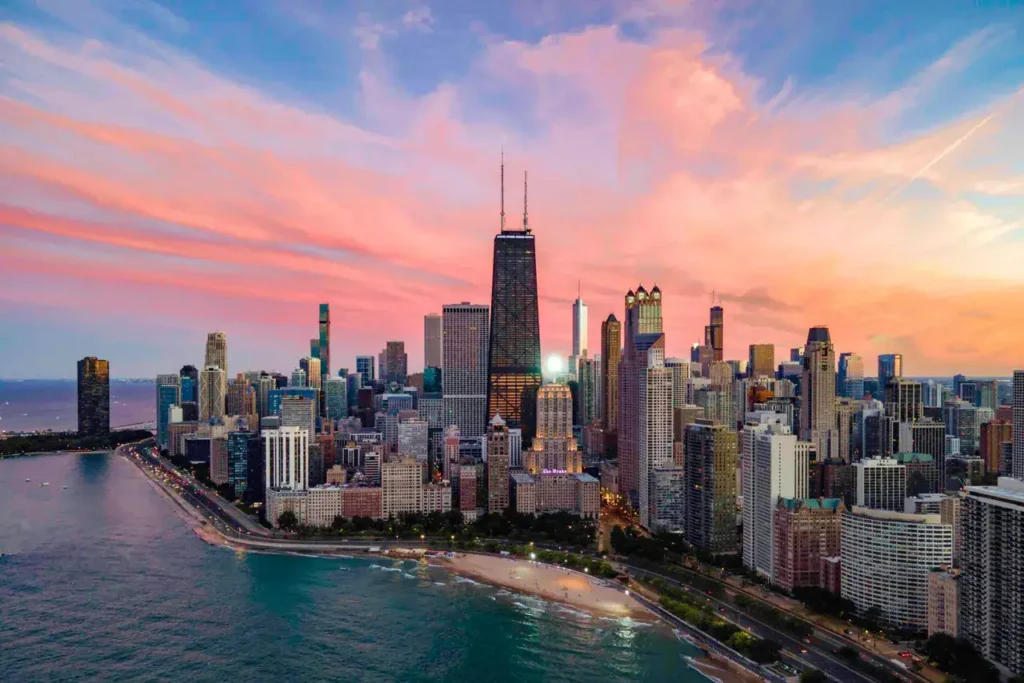
Chicago hospitality advertising that drives foot traffic and builds brand loyalty. AGM creates guerrilla campaigns for hotels, restaurants, bars, and entertainment venues across Chicago.
Chicago’s hospitality industry is one of the most competitive in the country. The city’s restaurant scene is world-renowned. Its hotel market includes everything from boutique properties in the West Loop to major convention-focused hotels in the Loop. Its bar and nightlife scene is thick with options from Wrigleyville to River North to the cocktail bars of Logan Square. Standing out in this environment requires advertising that goes beyond a Yelp listing or a sponsored Instagram post.
We are American Guerrilla Marketing. We build advertising campaigns for hospitality brands in Chicago: restaurants, hotels, bars, entertainment venues, event spaces, and tourism brands. We specialize in the kind of marketing that generates word-of-mouth, creates genuine excitement, and drives foot traffic through something more powerful than a generic paid placement.
This guide covers how hospitality advertising works in Chicago, which channels deliver the best results for specific hospitality categories, and how guerrilla marketing creates an unfair advantage for hospitality brands willing to invest in doing something genuinely interesting.
Why Hospitality Advertising in Chicago Is Different
Hospitality brands sell experiences. They sell how a place feels, how the food tastes, how the service makes you feel, and how a night out or a hotel stay fits into the story of a life well-lived. That is a fundamentally different advertising challenge than selling a product with features and specifications. Experience advertising has to create aspiration and desire, more than awareness and recall.
In Chicago, that challenge is compounded by the sheer volume of competition. The city has over 7,000 restaurants. It has hundreds of hotels. It has an entertainment and nightlife scene that competes vigorously across dozens of neighborhoods. Every one of those businesses is competing for the same finite pool of consumer dining occasions, hotel nights, and nights out. Advertising that is generic or predictable does not cut through.
The hospitality brands that win in Chicago are the ones that create genuine desire through memorable advertising. They make people feel like they are missing out if they have not been. They generate the kind of word-of-mouth that no paid advertising budget can replicate. They earn reviews not by asking for them but by creating experiences worth describing.
The Chicago Restaurant Advertising environment
Restaurant advertising in Chicago has a specific media network that smart operators understand and use well. Eater Chicago is the dominant online food media property for the city’s food-interested audience. A mention in Eater, whether through a news post, a list placement, or an editor’s pick, generates foot traffic and reservation demand at a rate that most paid advertising cannot match. Getting into Eater requires building relationships with their editorial team and creating moments worth covering.
The Chicago Tribune dining section and Chicago Magazine’s food coverage reach an older, higher-income audience that is the core demographic for fine dining and upscale casual restaurants. Print still moves the needle for premium dining establishments in this market in ways that it does not for most other product categories. A major Tribune dining review generates reservation demand for weeks.
Social media is now a primary discovery channel for Chicago restaurants, particularly Instagram and TikTok. Food photography and video content from Chicago restaurants travel through local food social networks rapidly when the content is genuinely compelling. Restaurants that invest in high-quality visual content and manage their Instagram presence actively develop followings that translate directly into reservation volume.
Guerrilla marketing for restaurants in Chicago often takes the form of pop-up events, sampling activations at high-traffic markets, or brand stunts that generate media coverage. A restaurant that does a surprise pop-up in Millennium Park, or runs a sampling activation at the Randolph Street Market, or creates a visually remarkable outdoor installation visible from the Riverwalk earns coverage and conversation that transforms awareness into intent to visit.
Hospitality Marketing Is About Desire
Hospitality brands do not sell features. They sell the feeling of the experience. The most effective Chicago hospitality advertising creates genuine desire: the feeling that if you have not been to this place, you are missing something worth having. Guerrilla marketing, when executed well, creates that feeling at street level, where potential guests encounter the brand before they are even looking for somewhere to go.
Hotel Advertising in Chicago
Chicago’s hotel market serves a mix of business travelers, convention attendees, leisure tourists, and local Chicagoans looking for a staycation experience. Each of these audiences has different media habits, different booking triggers, and different price sensitivity. Effective hotel advertising in Chicago segments these audiences and reaches them through different channels with different messages.
Convention and business travel is driven by corporate travel policy and the convention calendar at McCormick Place, which is one of the largest convention centers in North America. Hotels near the convention center, in the Loop, and along the Magnificent Mile compete heavily for convention business. B2B advertising channels, including LinkedIn, direct mail to corporate travel managers, and convention industry media, are more relevant for this segment than consumer advertising channels.
Leisure travel to Chicago is heavily influenced by digital search and online reviews. Google Hotel Ads, TripAdvisor, and Booking.com are major sources of leisure travel bookings. Hotels that optimize their presence on these platforms and maintain strong review profiles have a significant advantage in organic discovery. Paid search advertising on hotel-related keywords is competitive in Chicago but delivers high-intent traffic that converts well.
The staycation segment, local Chicagoans booking hotel nights for special occasions, date nights, or mini-vacations, is often best reached through guerrilla marketing and local PR. A hotel that creates a memorable moment in a Chicago neighborhood, whether through a spectacular outdoor event, a branded installation near a major attraction, or a partnership with a local cultural institution, builds the kind of local brand awareness and desire that drives staycation bookings. This audience is not searching Google for “hotels in Chicago.” They are discovering options through their physical environment and social networks.
Bar and Nightlife Advertising in Chicago
Chicago’s bar and nightlife scene is concentrated in specific neighborhood corridors that have distinct audiences and distinct social cultures. Wrigleyville’s bar scene caters to a younger, sports-focused, party-oriented crowd. River North has premium cocktail bars and high-volume nightlife venues catering to a professional and tourist audience. Logan Square’s cocktail bar scene serves an upscale casual, neighborhood-loyal, quality-focused audience. Andersonville and Boystown have their own distinct nightlife communities.
Advertising for bars and nightlife venues in Chicago requires understanding which audiences are your target and where they discover new venues. The younger Wrigleyville audience discovers new spots primarily through Instagram, TikTok, and word of mouth from friends. The River North professional audience is more influenced by print media, digital advertising, and event listings in publications like Time Out Chicago and Chicago magazine. The Logan Square cocktail bar audience is heavily influenced by Eater, craft spirits and cocktail media, and the specific social networks of the Chicago bar professional community.
Guerrilla marketing for bars in Chicago can take the form of branded events in public spaces, partnerships with local food festivals, or surprising branded moments in the neighborhoods where your target audience concentrates. A cocktail bar that creates a visually spectacular installation in Logan Square’s boulevard system during the summer season earns neighborhood press coverage and social sharing that translates into first-visit traffic from the neighborhood’s highly engaged food and drink audience.
Hospitality Category
Key Chicago Audience
Best Advertising Channels
Guerrilla Opportunity
Restaurants (fine dining)
Adults 35+, foodies
Tribune, Chicago Mag, Eater, PR
Pop-up, chef collaboration events
Casual restaurants
Neighborhood locals, 25-45
Instagram, Eater, Google
Market sampling, street presence
Hotels (business)
Corporate travelers
LinkedIn, B2B media, travel mgr direct
Airport/convention presence
Hotels (leisure)
Tourists, staycationers
Google Ads, OTA, social
City activation, neighborhood events
Bars / Nightlife
21-40, neighborhood-specific
Instagram, TikTok, Time Out
Branded outdoor events, festival presence
Event venues
Event planners, corporations
LinkedIn, wedding media, direct
Open house events, pop-up installations
Food Media and PR for Chicago Hospitality Brands
Earned media through food and hospitality PR is uniquely valuable in Chicago because of the city’s active and influential food media network. A placement in Eater Chicago, a mention in the Tribune, or a feature in Chicago magazine each drives meaningful traffic and reservation demand. Building relationships with Chicago’s food and hospitality journalists is a genuine business development activity for restaurants and hotels, more than a nice-to-have.
PR for Chicago hospitality starts with a story worth telling. Opening a new restaurant? That is table stakes news in a city that opens hundreds of restaurants per year. Opening a new restaurant with a James Beard-nominated chef serving a cuisine that has not been represented in Chicago’s dining scene before? That is a story worth covering. The more specific and genuinely interesting the brand story, the more likely it is to earn media attention in a competitive market.
Event-based PR is a reliable tool for Chicago hospitality brands. Inviting food journalists, bloggers, and social media personalities to a preview dinner, a menu launch, or a special event creates multiple coverage opportunities from a single investment. The best-managed hospitality PR in Chicago creates a regular cadence of genuinely interesting events worth covering throughout the year, ensuring consistent media attention rather than a burst of coverage at opening followed by silence.
Seasonal Strategy for Chicago Hospitality Marketing
Chicago’s dramatic seasonality affects hospitality marketing timing as much as any other category. Summer is peak season for outdoor dining, rooftop bars, and tourism. Restaurants with outdoor seating should advertise heavily in May and June, before summer begins, to claim mental real estate with the audiences who are planning their summer social calendar.
Winter is the leanest season for casual dining and entertainment, but it is also an opportunity. Chicago’s winter dining culture is strong because residents know how to embrace the season. Restaurants that market their winter ambiance, their comfort food menus, and their date-night appeal in January and February reach an audience actively looking for warm, inviting places to escape the cold. Hotels that offer winter staycation packages in the post-holiday January window can capture leisure demand from local Chicagoans who are looking for a break without a flight.
The convention calendar at McCormick Place drives hospitality demand across the market. Major conventions like the National Restaurant Association Show, the Healthcare Information and Management Systems Society conference, and Chicago’s other large trade events bring tens of thousands of out-of-town visitors to the city. Hotels and restaurants near the convention corridor benefit from convention traffic, but so do properties throughout the city when major conventions are in town and visitors are exploring beyond the immediate convention neighborhood.
Chicago Hospitality Is Nationally Competitive
Chicago’s restaurant and hotel market is not a regional market. It competes with New York, Los Angeles, and San Francisco for top chefs, quality visitors, and national food media attention. The James Beard Awards’ consistent recognition of Chicago talent confirms the city’s national standing. Marketing for Chicago hospitality brands needs to match that competitive level.
Why American Guerrilla Marketing for Chicago Hospitality
We understand hospitality. We understand how people choose where to eat, where to stay, and where to go out. We understand that the decision is emotional before it is rational, and that brand desire is built through accumulated exposure to something that looks and feels worth experiencing.
We build campaigns for Chicago hospitality brands that create that desire at street level. A restaurant launch activation that generates Eater Chicago coverage before the first table is seated. A hotel brand installation on the Riverwalk that makes summer tourists stop and photograph. A cocktail bar pop-up at a Logan Square community event that introduces the brand to the neighborhood it wants to call home. These moments create the word-of-mouth that sustains hospitality businesses through seasons and through the inevitable cycle of competing new openings.
Frequently Asked Questions
What advertising channels work best for Chicago restaurants?
Eater Chicago, the Chicago Tribune dining section, Instagram, and Google Business Profile are the most important channels for most Chicago restaurants. PR relationships with food journalists, social media content, and search advertising round out the effective channel mix for most dining categories.
How does guerrilla marketing help hospitality brands in Chicago?
Guerrilla marketing creates surprising, memorable brand encounters that drive press coverage, social sharing, and word-of-mouth in ways that standard advertising cannot. For hospitality brands trying to generate excitement around an opening, a new menu, or a seasonal promotion, a creative guerrilla activation can generate more awareness than months
What is the best season to run hospitality advertising in Chicago?
Spring (April and May) is the ideal time to advertise outdoor dining and summer programming before the season begins. Late fall (October) is strong for winter programming and holiday event promotion. January, often underutilized, is a strong time to capture leisure demand from Chicagoans looking for dining and hotel experiences in the post-holiday
How do Chicago hotels attract leisure travelers versus business travelers?
These audiences require completely different advertising approaches. Leisure travelers are reached through Google search, OTA platforms, social media, and local PR. Business travelers are reached through corporate travel media, LinkedIn, and direct relationships with corporate travel managers. Most hotels need strategies for both audiences, allocat