
July 26, 2026
The Experiential Marketing Guide: What It Is, How It Works, and What a Real Campaign Looks Like
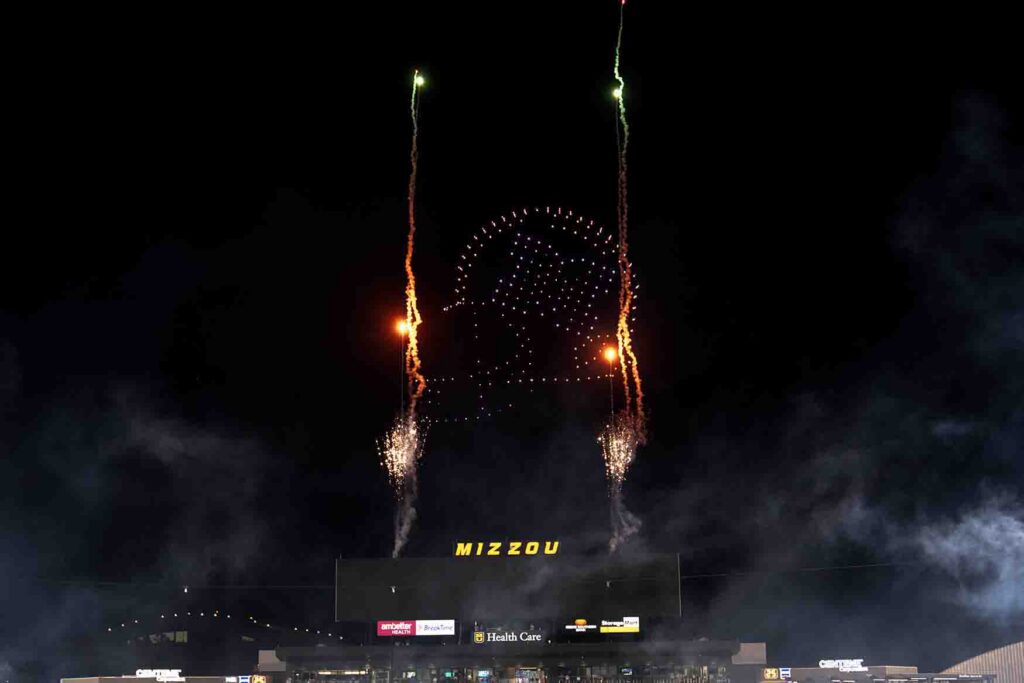
Experiential marketing is the practice of creating direct, physical encounters between a brand and its target audience. When a consumer receives a product sample from a brand ambassador at a farmers market, sees a brand installation at a street festival, or notices a wheat paste poster on their morning commute, they are experiencing experiential marketing. These encounters create brand memories that digital advertising cannot replicate, because they happen in the real world, at human scale, in the environments where people actually live.
Our team at American Guerrilla Marketing executes experiential campaigns across 50+ US markets for brands in categories ranging from consumer goods to automotive to entertainment. We have run campaigns that generated hundreds of thousands of street-level impressions, tens of thousands of direct brand engagements, and measurable lift in awareness and trial in target markets. This guide covers what experiential marketing is, how different formats work, how campaigns are planned and measured, and what separates programs that deliver results from those that generate activity without outcomes.
If you are new to experiential marketing or evaluating whether to invest in it, this guide gives you the framework you need to make that decision with a clear understanding of what you are actually buying and what you can expect from it.
What Experiential Marketing Is and Is Not
The term “experiential marketing” is used broadly enough that it has lost some precision. Used correctly, it describes marketing programs where the consumer is an active participant in the brand encounter rather than a passive recipient of an advertisement. The defining element is the direct, physical interaction between brand and consumer.
What Counts as Experiential Marketing
Brand ambassador programs that put trained representatives in front of the target audience. Product sampling events where consumers try a product before purchase. Pop-up installations that create an immersive brand environment. Street team activations at events, markets, and transit hubs. Guerrilla marketing placements that surprise consumers in their daily environment. Any of these, when well-designed and well-executed, is experiential marketing.
What Distinguishes Good from Bad Experiential Marketing
The format is not what determines quality. Execution is. A poorly briefed street team with no training and no documentation protocol creates impressions that can actively harm the brand. A well-briefed team with clear objectives, brand-aligned consumer interaction scripts, and rigorous documentation creates genuinely positive brand encounters. Our approach to every campaign starts with execution quality, not creative novelty.
The Formats That Drive Results in Experiential Marketing
Not all experiential formats deliver equal return. The format mix for any campaign should be driven by the campaign objective, the target audience profile, and the geographic market characteristics.
Brand Ambassador Street Team Programs
Our brand ambassador programs put trained, consumer-facing team members in front of the target audience at their highest-density locations and times. Ambassadors distribute samples, promotional materials, and offers, collect lead information, and deliver a verbal brand message that reinforces the physical materials. The direct human-to-human interaction creates engagement that no printed format or digital ad can match. For brands trying to drive trial, awareness in a specific neighborhood, or lead collection at scale, ambassador programs are typically the highest-converting format in the experiential toolkit.
Wheat Paste Poster Campaigns for Ambient Presence
Ambient presence through wheat paste poster campaigns creates brand encounters across an entire neighborhood zone rather than at specific staffed points. Consumers who would not stop to engage with an ambassador still see the brand on their street, at the transit stop, and on the walls of the venues they frequent. Poster campaigns running alongside ambassador programs create a layered presence that makes the brand feel genuinely embedded in the neighborhood rather than visiting it for the day.
LED Billboard Trucks for High-Visibility Mobile Coverage
LED billboard trucks combine the reach of outdoor media with the mobility of field marketing. A truck running video creative along a target commuter route delivers high-frequency impressions to a predictable audience across an extended deployment window. For launch programs where market-level awareness is the objective, mobile media adds a reach layer that ground-level formats cannot match on their own.
Sidewalk Stencils for Environmental Branding
Sidewalk stencil campaigns create brand presence in the literal path of foot traffic. A stencil positioned outside a venue approach, a transit hub, or a retail cluster is seen by every person who passes over the course of days or weeks. The format is highly cost-efficient and produces repeated exposures from the same individuals who live, work, or commute in the zone.
How Experiential Campaigns Are Planned
The planning process for an experiential campaign is where most of the value is created or destroyed. Campaigns that are planned carelessly generate activity without outcomes. Campaigns that are planned with clear objectives, informed market selection, and disciplined execution protocols deliver measurable results.
Objective Definition
The first planning step is defining what success looks like. Trial generation, awareness building, lead capture, event attendance driving, and competitive conquest are all legitimate objectives, and each one leads to different format choices and different measurement frameworks. Campaigns that try to achieve all objectives simultaneously typically do none of them well. Prioritize the primary objective and build the campaign format mix to serve it.
Target Audience and Market Mapping
Experiential campaigns work because they put brand encounters in front of specific people in specific places. Defining the target audience precisely, and then mapping where that audience concentrates geographically, is the core of campaign planning. For a national brand launching in the 25 to 34 urban millennial market, the top markets by target audience concentration are New York, Los Angeles, Chicago, Austin, Portland, Nashville, and Denver. The deployment zones within each market are then mapped based on where that demographic actually spends time, not just where they live.
Format Mix and Budget Allocation
Our guerrilla marketing services team recommends format mixes based on the campaign objective and market characteristics. A launch program designed for broad market awareness needs ambient presence formats (poster campaigns, mobile media) plus direct engagement (ambassador programs). A campaign designed for lead generation needs ambassador programs with explicit lead capture protocols. Budget allocation should weight the formats that serve the primary objective most directly.
How Experiential Campaigns Are Measured
Measurement is the part of experiential marketing that most agencies handle poorly. Without rigorous documentation, campaign reporting becomes a collection of anecdotes and estimations that clients cannot use to evaluate ROI or justify repeat investment.
Quantitative Measurement Framework
The quantitative measurement framework for experiential campaigns includes: engagement count (number of direct consumer interactions documented by ambassador teams), distribution count (number of materials distributed), lead capture count (email or phone leads collected), reach estimation (calculated from documented pedestrian traffic volumes at deployment zones), and any digital conversion data tied to physical placements via QR codes or unique landing pages.
GPS Documentation as the Foundation of Proof
Our GPS-tagged photography and activity logging creates a verifiable record of where the campaign ran, when, and with what resource deployment. This documentation is the foundation of our post-campaign reports and the standard against which every program is held. Clients do not have to take our word that the campaign ran. They can see it in the documentation.
What a Real Experiential Campaign Looks Like
To make this concrete: a mid-size CPG brand launching a new product in New York briefed our team with the objective of generating trial and building street-level awareness in the Brooklyn and downtown Manhattan markets. Our team developed a three-format program: wheat paste poster campaigns in Williamsburg, Bushwick, and Lower East Side covering 200 placements across 2 weeks; a brand ambassador program at 6 weekend farmers markets and 4 fitness studio locations over 3 weekends; and a sidewalk stencil campaign at 40 high-foot-traffic locations near key retail accounts.
The program ran for 3 weeks total. Ambassador teams logged 4,200 direct consumer engagements and distributed 8,500 samples. Poster campaigns generated an estimated 380,000 pedestrian impressions across the 2-week window. The stencil program generated approximately 600,000 impressions from the 40 locations over the 3-week period. The client received a consolidated post-campaign report with GPS-tagged documentation of every activation element. The trial program directly contributed to a 23% increase in retail velocity in the campaign zip codes in the 4 weeks following the campaign.
Who Uses Experiential Marketing Most Effectively
Brands that see the strongest return from experiential marketing investments share a set of characteristics: they have a specific target audience they can define and locate geographically, they have a product or service that benefits from direct demonstration or sampling, they have a call-to-action that can be reinforced through a human interaction, and they have the infrastructure to capture and follow up on leads generated at street level.
Consumer goods brands with strong trial conversion rates are among the most consistent users of our programs. Entertainment brands with event-driven campaigns, where urgency and local market presence matter, are another strong category. Fitness and wellness brands, hospitality and restaurant companies, and technology brands targeting specific demographic segments all run regular programs through our team. Our subway advertisement programs complement experiential field campaigns for brands that need high-frequency transit-rider reach alongside street-level activations.
Frequently Asked Questions
What is experiential marketing?
Experiential marketing is any marketing program that creates a direct, physical encounter between a brand and its target audience. This includes brand ambassador activations, product sampling events, pop-up experiences, street team campaigns, and branded environmental installations. The defining characteristic is that the consumer participates in the brand experience rather than passively receiving an advertisement.
What is the difference between experiential marketing and guerrilla marketing?
Guerrilla marketing uses unconventional, often surprise-based tactics like wheat paste posters and sidewalk stencils to create brand awareness. Experiential marketing is broader and includes any campaign creating a direct consumer encounter. Many campaigns combine both approaches: poster campaigns build ambient awareness while ambassador programs drive direct engagement.
What are the most effective experiential marketing formats?
The formats with the highest impact-to-cost ratio are product sampling programs with trained brand ambassadors, street team activations at event footprints, wheat paste poster campaigns for ambient brand presence, sidewalk stencils for environmental branding, and LED billboard trucks for high-visibility mobile coverage along target commuter routes.
How do you measure the success of an experiential marketing campaign?
Measurement uses quantitative metrics including engagement counts, samples distributed, leads captured, QR code scans, and reach estimates from GPS-documented pedestrian traffic data. Qualitative measures include consumer sentiment, social media monitoring, and brand lift surveys. GPS-tagged field documentation provides verifiable proof of execution.
What industries benefit most from experiential marketing?
Consumer packaged goods, food and beverage, entertainment, automotive, financial services, technology, retail, and fitness and wellness brands all see strong results from well-executed experiential programs. Any brand with a defined target audience reachable in physical space benefits from the direct engagement experiential marketing delivers.
How long does an experiential marketing campaign run?
Campaign duration depends on objectives and format. Product launch activations typically run 1 to 4 weeks. Ongoing brand presence programs run for months with rotating formats. Poster-based ambient campaigns run 2 to 6 weeks. The optimal duration is determined by objectives, budget, and market penetration goals.

Ready to Run Your Campaign?
Call us or email us. We’ll tell you exactly what we can do in your market and what it costs.
Related Services
Explore similar advertising solutions offered by American Guerrilla Marketing.
American Guerrilla Marketing — Los Angeles
Street-level campaigns in Los Angeles and nationwide. Wheatpasting, LED trucks, street teams, and more.
(646) 776-2770
Related Articles
-
Street Poster Advertising Ottawa: A Complete Campaign Guide
September 17, 2026
-
Activation Marketing: How Brands Win at Street Level
September 13, 2026
-
Experiential Marketing Firms Chicago | American Guerrilla Marketing
September 12, 2026
-
Pop Up Experiential
September 12, 2026
-
Mobile Pop Up
September 12, 2026