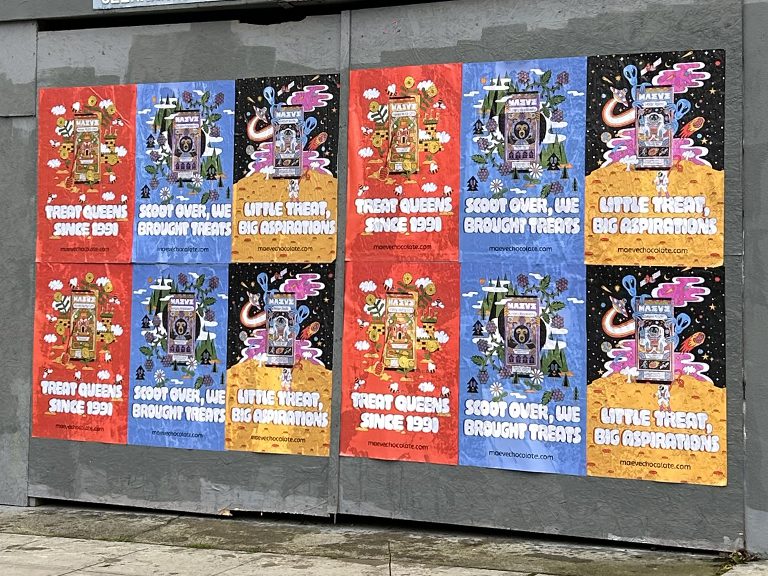
Seattle is a city that takes its brands seriously. The Pacific Northwest has produced some of the most recognized names in American business, and its residents hold brands to the same standards they hold everything else: authenticity, quality, and genuine community investment.
Seattle is a city that takes its brand seriously. The Pacific Northwest has produced some of the most recognizable brand identities in the world: Amazon, Starbucks, Boeing, REI, Nordstrom, Microsoft, and Costco all have deep roots here. The city’s combination of tech culture, outdoor lifestyle, progressive values, and strong coffee and music scenes has created a distinctive consumer culture that demands more from the brands that operate here than most markets require.
A branding company working in Seattle needs to understand what the city’s residents actually value. Authenticity ranks very high. Sustainability and environmental responsibility matter deeply. Local pride and community investment earn genuine loyalty. And quality, whether in a product, a service, or the way a campaign is executed, is expected rather than celebrated as exceptional.
We are American Guerrilla Marketing. We run street-level brand campaigns in Seattle’s most active neighborhoods. This guide covers the Seattle branding environment, what makes brand campaigns work in this market, and how physical street presence in neighborhoods like Capitol Hill, Ballard, and the Central District builds brand equity that digital alone cannot create.
Seattle’s brand culture is shaped by several converging forces that any branding company working in the city must understand.
The Tech Economy
Amazon’s headquarters in South Lake Union and Microsoft’s campus in Redmond have created one of the largest concentrations of high-income tech workers in the world within the greater Seattle area. These consumers are educated, discerning, environmentally conscious, and willing to pay premium prices for brands that align with their values. They are also highly digitally active, which means that compelling physical brand moments in the neighborhoods where they live and work generate strong organic social amplification.
The tech economy has also reshaped Seattle’s housing market and neighborhood demographics. South Lake Union, once a light industrial neighborhood, is now one of the highest-density concentrations of tech workers in any American city. The neighborhoods around it, Capitol Hill, First Hill, Belltown, have become home to the broader tech professional community that Amazon has attracted to Seattle. Brand campaigns that understand where these workers live and move, not just where they work, reach them more effectively.
Outdoor Identity
REI was founded in Seattle. Patagonia has deep roots in the Pacific Northwest culture. The outdoor lifestyle identity is not a niche in Seattle. It is mainstream. The proximity to mountains, water, and wilderness shapes daily life, leisure, and consumer choices in ways that distinguish Seattle from most American cities. Brands that acknowledge and respect this outdoor identity connect with Seattle consumers in ways that brands that ignore it cannot.
The outdoor identity also creates a strong market for brands in the sustainability, performance, and environmental responsibility categories. Seattle consumers evaluate brands on environmental credentials more actively than most American markets. A brand that demonstrates genuine environmental commitment earns loyalty that brand-claim advertising cannot manufacture. A brand that performs poorly on environmental standards in a market this sensitive loses ground to competitors faster than it would elsewhere.
Music and Arts Heritage
Seattle gave the world grunge, and the city’s music legacy extends far beyond that moment. The arts scene centered in Capitol Hill, the vinyl and record culture running through Georgetown and the Central District, and the public art installations visible throughout the city all reflect a community that takes creative culture seriously. Brands that engage with Seattle’s creative heritage, rather than just advertising over it, earn community respect.
Local Loyalty
Seattle residents have a fierce loyalty to local businesses and brands. Starbucks is a point of pride partly because it started here. The Pike Place Market is a civic institution, more than a tourist attraction. Independent coffee shops, bookstores, restaurants, and retailers that are genuinely of Seattle earn a community loyalty that chains and transplants have to actively work to build. Branding companies working in Seattle need to understand and respect this local loyalty dynamic.
Field note: Authenticity is not a strategy option in Seattle. It is the baseline expectation. A branding company that tries to manufacture a Pacific Northwest identity for a brand that does not genuinely share Pacific Northwest values will be seen through immediately by a market that has been reading brand claims for decades. Show, don’t claim.
Seattle Neighborhoods for Brand Campaigns
Capitol Hill
Capitol Hill is Seattle’s most culturally active neighborhood. Broadway and Pike/Pine are the commercial spines of a community that embraces arts, music, nightlife, LGBTQ culture, independent retail, and a strong progressive political identity. Branding campaigns in Capitol Hill reach the most culturally engaged, trend-forward audience in the entire city. The neighborhood’s visual environment is rich with murals, street art, and independent business signage that sets a high creative standard for advertising that appears here.
The audience density on Capitol Hill peaks on Thursday through Saturday evenings, when the neighborhood’s bars and music venues draw a mixed-age creative class from across the city. But weekday lunchtime on Pike/Pine and Broadway also generates strong foot traffic from residents who work in the neighborhood or commute to nearby South Lake Union and First Hill. Both windows are worth using for different formats.
Ballard
Ballard has evolved from a Scandinavian fishing community into one of Seattle’s most active restaurant and nightlife corridors. Ballard Avenue and Market Street carry a mix of craft breweries, independent restaurants, boutique retailers, and the historic Ballard Locks. The audience here is broadly millennial, income-earning, and locally rooted. Brand campaigns in Ballard reach a consumer who is at the same time adventurous and community-oriented.
South Lake Union
South Lake Union is the center of Amazon’s Seattle footprint and the hub of the city’s technology industry concentration. Westlake Avenue and South Lake Union Avenue carry the daily commute and lunch foot traffic of tens of thousands of technology workers. Brand campaigns targeting tech workers in Seattle start with South Lake Union. The neighborhood’s rapid development has produced a dense, walkable environment with strong weekday foot traffic that is ideal for sampling, street team work, and ambient poster campaigns.
Fremont
Fremont calls itself the Center of the Universe, and while that is a joke with a grain of truth in it, the neighborhood’s combination of independent retail, public sculpture, weekend markets, and strong local character makes it one of Seattle’s most distinctive brand environments. The Fremont Sunday Market and the neighborhood’s strong arts identity create a community that is receptive to brands that approach them with the same independent spirit the neighborhood embodies.
Pioneer Square
Pioneer Square is Seattle’s historic district and its emerging arts neighborhood. The brick architecture, the underground tour culture, and the concentration of art galleries, sports venues, and restaurants create a visually rich environment that accommodates brand installations and visual marketing naturally. Game days at T-Mobile Park and Lumen Field bring enormous foot traffic through the neighborhood that creates high-volume short-duration brand contact opportunities for the right types of activation.
Neighborhood
Primary Audience
Best Campaign Format
Peak Window
Capitol Hill
Creative class, young professionals
Murals, street teams
Weekday lunch, Thu-Sat evenings
Ballard
Millennials, locally-rooted
Street teams, sampling
Weekends 11 AM – 5 PM
South Lake Union
Tech workers, Amazon employees
Street teams, sampling
Weekday lunch 11:45 – 1:30 PM
Fremont
Independent-minded, arts
Activations, ambient
Weekends, Sunday market
Pioneer Square
Arts, game-day crowds
Installations, street teams
Game days, weekend evenings
What Street-Level Branding Adds to a Seattle Campaign
Digital advertising in Seattle reaches a market that is highly digitally sophisticated and digitally skeptical. The tech worker population in particular has a professional understanding of how digital advertising works that makes them more adept at filtering it than most consumer demographics. Physical street-level branding reaches them in contexts where that filtering is less active: on their lunch walk, on a weekend morning in Ballard, in the coffee shop before work in Capitol Hill.
The outdoor culture also creates a market where physical brand presence in the environments where people spend leisure time, on trails, at beaches, in the neighborhoods they choose for weekend activities, resonates in ways that digital advertising cannot replicate. A brand that shows up at the Chilly Hilly bike ride on Bainbridge Island, or at the Rainier Beach farmers market, is meeting the community in a context that immediately communicates something about the brand’s genuine connection to the lifestyle its audience is living.
Mural Installations in Seattle
Seattle has a strong mural tradition. Capitol Hill, the Central District, Chinatown-International District, and Beacon Hill all have dense concentrations of murals that have been part of the neighborhood’s visual character for years. A commissioned brand mural in any of these neighborhoods, executed by a local artist with community credibility, earns a different kind of reception than a brand mural that looks like it was imported from a national campaign. The artist relationship and the neighborhood specificity are what create community ownership of the mural rather than community tolerance of it.
Poster Campaigns and Wheat Paste Campaigns
Poster campaigns and wheat paste campaigns on the walls and surfaces of Capitol Hill and Belltown reach the neighborhoods’ culturally active residents in the physical environment they move through daily. Seattle has an active street art and poster culture that creates a visual context in which quality brand poster work can find a place without seeming incongruous. The key is creative quality. Seattle’s poster and art culture sets a high visual standard. Work that clears it gets documented and shared. Work that does not gets ignored or removed.
Field note: The brands that do best in Seattle’s street-level environment are the ones that invest in local artist relationships rather than importing national creative into Seattle neighborhoods. A mural by a Capitol Hill-based artist on a Capitol Hill wall carries a different kind of community permission than a mural executed by a team from out of market with no local connection. The provenance matters to this audience, and they know the difference.
Brand Campaign Formats That Work in Seattle
Street Team Activations
Well-briefed street teams in the right Seattle locations during the right windows generate direct brand contact with the demographic profiles that matter most to Seattle-focused brands. South Lake Union at lunch on a weekday concentrates Amazon and tech workers. Capitol Hill on a Saturday afternoon concentrates the creative class. The Fremont Sunday Market concentrates the locally-rooted, independent-minded community that values authenticity and craft. Matching the right team to the right location and window is the fundamental execution decision in Seattle street-level work.
Sampling Programs
Food and beverage sampling in Seattle needs to meet a high bar. The city’s coffee culture is world-class, which creates elevated standards for any food or beverage product seeking consumer trial. But sampling programs that deliver something genuinely good, in the right locations and windows, generate strong conversion from a market that trusts its taste and shares its opinions actively. Getting the product itself right is prerequisite, and getting the location selection right is what determines whether the right people ever try it.
Event Sponsorship and Activation
Seattle’s event calendar includes concentrated gathering moments that attract exactly the audience profiles that brands investing in the Seattle market want to reach. Bumbershoot at Seattle Center in September. Folklife Festival over Memorial Day weekend. The weekly Pike Place Market foot traffic. Seahawks and Mariners game days. The Fremont Solstice Parade in June. Each of these creates a moment when specific community members concentrate in specific locations, and brands that show up in those moments in genuinely additive ways earn attention that generic advertising cannot buy.
Understanding Seattle’s Neighborhood Cultures for Brand Alignment
Not every brand belongs in every Seattle neighborhood. The mismatch between a brand’s character and a neighborhood’s cultural identity is immediately visible to the people who live there, and it generates the kind of quiet dismissal that wastes campaign dollars without creating any negative attention that might at least indicate the brand was noticed. Understanding which neighborhoods align with which brand profiles is foundational to good campaign planning in Seattle.
Consumer brands targeting the outdoor performance market belong in neighborhoods where outdoor culture is most concentrated: the REI flagship on Pine Street, the outdoor gear retail corridor in Capitol Hill, and the neighborhoods around Magnuson Park and Lake Washington where outdoor recreationists concentrate on weekends. Brands in this category that show up in South Lake Union tech lunch zones miss the audience entirely.
Tech brands and productivity tools targeting the professional class belong in South Lake Union and the neighborhoods around it. A sampling campaign for a productivity software product in Ballard on a Sunday reaches the right demographic in the wrong mindset. The same campaign at a South Lake Union coffee shop on a Thursday morning catches the same person in the exact context where the brand’s value proposition is most relevant.
Food and beverage brands with quality and sustainability credentials belong in Capitol Hill, Fremont, and the Central District, where the consumer base has high taste standards, active local product loyalty, and a genuine interest in the brands behind what they consume. Premium beverage sampling in these neighborhoods generates a different quality of engagement than the same program in a more generic commercial corridor.
The Role of Seattle’s Coffee Culture in Brand Strategy
Seattle’s relationship to coffee is not incidental. It is the organizing social ritual of professional and community life in a way that extends far beyond what Starbucks as a brand represents. The independent coffee shop in Seattle is a civic institution. It is where meetings happen, where communities form, where the day begins and the afternoon pause occurs. Coffee shops in Capitol Hill, Fremont, Ballard, and the Central District are the highest-quality brand contact environments for ambient presence, sampling, and brand ambassador work in the entire city.
Brands that understand how to show up appropriately in Seattle’s coffee culture, which means respecting the independent shop’s identity rather than overwhelming it, earn access to the social ritual that defines more of Seattle’s daily community life than almost any other gathering format. Brands that show up in ways that feel disrespectful to the independent coffee culture they are trying to access generate the opposite of the response they are looking for.
Sustainability as a Brand Credential in Seattle
Environmental responsibility in Seattle is not a value-add. It is a filter. Brands that fail on environmental credentials are disadvantaged in Seattle in ways they are not in most American markets. The outdoor and tech communities that define Seattle’s consumer culture both place genuine value on environmental responsibility, and they research it. Claims without substance are detected and shared. Genuine environmental commitment builds brand loyalty that no amount of advertising can replicate.
For brands whose environmental credentials are strong, communicating those credentials in the Seattle market through physical activations that demonstrate rather than just claim is highly effective. A brand activation that picks up trash in a park while distributing product samples, that builds a planter for a community garden while running a sampling program, that commits to carbon offset for the campaign itself communicates authenticity in the exact register that Seattle audiences find most credible.
Measuring Brand Campaign Performance in Seattle
We document every Seattle campaign we run with photo documentation, route maps, and summary reports that provide a complete record of where teams went, what was deployed, when coverage happened, and what the visual footprint of the campaign looked like across neighborhoods. This documentation serves immediate reporting needs and also creates a permanent record that informs future campaign planning.
Secondary performance indicators in Seattle market campaigns typically include increases in direct traffic to brand properties from the Seattle geographic area, social media activity in the target neighborhoods during and after campaign windows, and the qualitative feedback that clients receive from Seattle-based contacts who encountered the campaign in the field. The secondary indicators are often more meaningful than direct contact counts for campaigns targeting the quality-conscious, highly networked professional demographics that define Seattle’s brand environment.
Campaign documentation in Seattle often includes weather contingencies that campaigns in other markets do not require. Seattle’s rain patterns, particularly from October through May, affect street team deployment windows, poster campaign durability, and sampling program locations. We build weather-adaptive plans into every Seattle campaign we manage, including indoor venue alternatives for street team activations, waterproof material specifications for poster campaigns, and timing adjustments that take advantage of the drier windows that Seattle’s climate does produce even in its wettest months.
The organic social amplification that well-executed Seattle campaigns generate is particularly worth tracking. The city’s tech-native professional community documents and shares compelling brand experiences at above-average rates. A mural that earns significant organic social documentation in Capitol Hill is being seen not only by everyone who passes it but by the social networks of everyone who photographs it and posts. That amplification is the measurement that most strongly supports continued physical marketing investment in Seattle’s most active community spaces. We track organic documentation as part of every campaign reporting package we deliver, because it is often the most persuasive evidence of campaign impact that client teams can share with internal decision-makers making investment decisions about future physical marketing activity
Frequently Asked Questions
What makes branding in Seattle different from other markets?
Seattle audiences place a high premium on authenticity, environmental values, and genuine local engagement. The city’s strong local loyalty, sophisticated tech-aware consumer base, and outdoor lifestyle identity create a market where brand performance is judged by whether the brand actually means what it says.
Which Seattle neighborhoods are most important for brand campaigns?
Capitol Hill is the most culturally active neighborhood for brand campaigns. Ballard reaches a millennial, locally-rooted audience. Fremont has a creative, community-oriented character. South Lake Union is the center of Amazon and Seattle’s tech economy. Pioneer Square has an emerging arts community worth engaging.
How does street-level marketing work in Seattle?
Street-level campaigns in Seattle work through the same formats as other major markets: mural installations, poster campaigns, brand ambassador programs, and street team activations. The key difference is the community scrutiny in Seattle is more intense. Visual quality, environmental responsibility, and genuine local relevance matter more here than in most markets.
Yes. AGM runs guerrilla marketing, street team, and brand installation campaigns in Seattle across Capitol Hill, Ballard, South Lake Union, Fremont, and the broader Seattle market.