
September 12, 2026
Brand Activation Booth: How to Design One That Actually Draws a Crowd
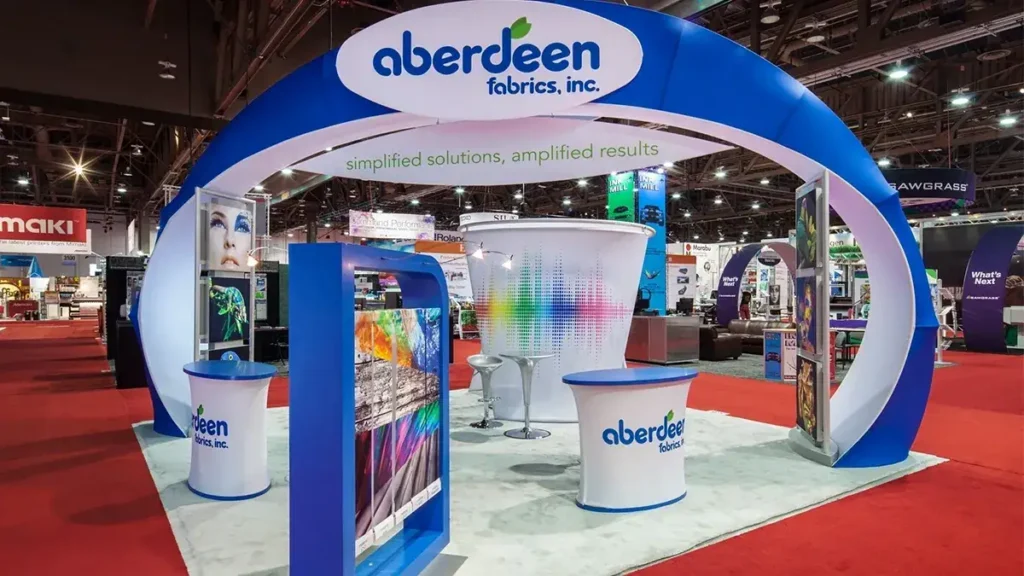
The activation booth is the most common format in experiential marketing and the most frequently done badly. Here is how to build one that actually works.
The activation booth is the workhorse of brand experiential marketing. It shows up at trade shows, street fairs, festivals, retail events, and campus programs. It is the most common physical format in this space, and because of that, it is also the most frequently done badly. A poorly designed booth disappears into its environment. A well-designed one becomes a destination.
What an Activation Booth Actually Needs to Do
Before talking about design, it is worth being clear about function. An activation booth needs to do several things simultaneously: attract attention from a distance, create a reason for the right consumer to stop, facilitate a brand interaction that has some depth to it, and produce documentation that the brand can use afterward. Each of these functions has different design requirements, and the best booths address all of them.
Attracting attention from a distance is primarily a visual problem. Color, scale, and contrast relative to the surrounding environment are the main variables. At a trade show where every booth uses the same rental furniture and modular wall panels, a booth that breaks the visual pattern creates a contrast effect that draws the eye. At an outdoor festival where the environment is colorful and chaotic, the contrast may be in the direction of restraint — a simple, clean structure that stands out precisely because everything around it is loud.
Creating a reason to stop is a different problem. Visual attention gets someone looking; the reason to stop has to offer some value — an experience, a sample, an activity, a demonstration. Generic activation booths ask for the consumer’s time without offering a clear exchange of value. That is why they fail to generate meaningful engagement even when they are in high-traffic locations.
Design Elements That Work
The most effective booth designs are built around a clear concept that shapes every element: the structure, the color palette, the materials, the activity, and the staffing approach. When the concept is coherent, the booth feels intentional. When it is not, it shows — the structure says one thing, the graphics say another, and the staff seem disconnected from both.
Materials are a significant differentiator. Rental furniture and modular walls are ubiquitous because they are cost-efficient, and that ubiquity is exactly why they make booths look generic. Custom fabrication — even in small elements like a custom counter surface, a distinctive structural frame, or a unique overhead element — signals investment and intent in a way that rental stock cannot. The budget for custom elements does not need to be large; it needs to be concentrated on the elements that are most visible and most handled.
Scale is worth considering strategically. A 10×10 booth that is brilliantly designed will outperform a 20×20 booth that is not. Filling a larger footprint with more of the same rental panels does not improve performance — it just costs more. AGM’s design approach starts with the concept and builds to the minimum footprint that can express it well, rather than working backward from a footprint to fill.
The activation booth that works is the one that makes a specific promise to the consumer who stops. Not “here is our brand” but “here is something worth your next five minutes.” Define that promise before you design the structure.
Activation Elements Inside the Booth
The activity inside the booth is often what gets photographed and remembered. Custom product demonstrations, interactive games tied to the brand story, personalization stations where consumers make something specific to them, live production of any kind — these generate organic documentation and dwell time that passive display does not.
The activity needs to connect to the brand rather than being a generic engagement mechanic. A spinning wheel that gives away prizes might generate traffic, but it also generates traffic for every brand that uses it, which means it does not differentiate. An activity that can only exist in the context of this specific brand — because it uses the product, references the brand’s story, or requires knowledge that only makes sense for this brand’s consumer — creates a more memorable experience.
Booth Staffing: The Human Layer
Every functional consideration about the booth design comes down to the person inside it. A great booth with weak staff is less effective than a mediocre booth with exceptional staff. The inverse is also true — exceptional staff in a booth with no clear concept will spin their wheels. The build and the people need to be designed together as a system.
Staff training for booth activations should cover four things: the brand story, the specific product or service being featured, the activation activity and how to facilitate it, and the specific consumer profile they are likely to encounter. Staff who understand all four can improvise when the activation does not go exactly as planned, which it never does. Staff who only know the activity are stuck when questions go beyond their script.
Appearance standards matter in booth activations in a way that is specific to the format. Consumers judge the brand by the people representing it in the physical space. That does not mean staff need to be glamorous — it means they need to look and act like they represent the brand’s standard. Branded uniforms, clean and appropriate attire, and a physical presentation that fits the brand’s tone are all part of the package.
Trade Show Booth Activations vs. Street Event Booths
These are different animals and need to be approached differently. At a trade show, the audience is professional and purpose-driven — they came to evaluate products and vendors, and they are comparing you directly to competitors. The brand’s credibility and the staff’s ability to have informed conversations about the product are the primary variables.
At a street event or festival, the audience is in a discovery mindset — they are open to being surprised by something they were not looking for. The engagement mechanic and the physical attractiveness of the booth are more important in this context because the audience is browsing rather than shopping. The staff role shifts from consultative to experiential.
AGM designs differently for these contexts rather than adapting the same format. A trade show booth concept that emphasizes product demonstration and credibility cues would be sterile and forgettable at a street festival. A festival booth designed for maximum visual impact and social documentation might look frivolous at an industry trade show. The brief has to specify the environment before the concept can be developed.
| Booth Context | Primary Audience Goal | Design Priority | Staff Role |
|---|---|---|---|
| Trade Show | Evaluation | Credibility + information | Consultative, product-expert |
| Music / Street Festival | Discovery | Visual attraction + activity | Experiential, high-energy |
| Retail Event | Purchase | Product access + demo | Sales-oriented, knowledgeable |
| Campus / Community | Sampling + awareness | Approachability + activity | Peer-level, friendly |
| Press / Influencer Event | Content creation | Visual drama + brand story | Brand story experts |
Documentation and Reuse Value
A well-designed activation booth generates content that lives far beyond the activation itself. Photos and video of the booth in operation — showing real consumers engaging with the brand in a real environment — are among the most authentic brand assets available. Unlike studio production, they show the brand in context and with real people, which has a different quality than produced imagery.
AGM builds photo documentation into every activation execution. For clients who want production-quality content rather than documentary photography, we coordinate dedicated photographers who work alongside the activation to capture it at its best. That content is then available for social, editorial, advertising, and internal use.
The booth’s physical components also have reuse value when they are designed for it. Custom fabricated elements that can be reconfigured for different footprints, branded surfaces that can be swapped out while keeping the structural frame, and modular systems that can accommodate different activities are all design decisions that pay dividends across multiple activations from a single investment.
Design the booth for reuse from the start. A custom fabricated booth that can only work in one specific footprint and configuration is a one-time expense. One designed to adapt is an asset across multiple campaigns.
Booth Activation at Industry Trade Shows
Trade show booth activations operate in a specific environment that rewards certain design choices and penalizes others. The professional audience at a trade show is there to evaluate options and make decisions, which creates a different interaction model than a festival or street activation. The staff needs to be product experts who can field technical questions and have substantive conversations about capabilities, not just brand ambassadors who know the talking points. The design needs to communicate credibility and competence, not just visual appeal.
The layout of a trade show booth needs to accommodate the different types of interactions that happen at the space. A high-level conversation with a decision-maker requires a quieter zone with seating. A product demonstration requires a specific setup that allows multiple people to see and interact with the product simultaneously. Literature and leave-behind materials need to be accessible without requiring staff intervention. These functional zones need to be designed into the booth from the beginning, not added as an afterthought.
Many trade show activations fail because the design prioritizes aesthetics over function. A beautiful booth where the demo station is hard to find, the product is behind glass and cannot be handled, and the seating creates conversations that are visible to everyone passing by produces a different result than one where the functional zones are designed correctly from the start. AGM’s trade show booth designs start with functional requirements and build the aesthetic around them.
Digital Integration in Activation Booths
Digital screens, interactive touchpoints, AR experiences, and digital data capture have become standard elements of brand activation booths. When integrated thoughtfully, they extend the interaction beyond what the physical space can provide and create additional reasons to engage. When integrated poorly, they become expensive distractions that compete with the core brand interaction rather than supporting it.
The test for any digital integration in a booth activation is simple: does this digital element make the brand interaction better, or does it just make the booth more technically complex? A touchscreen that allows consumers to customize a product and see a preview of their customization is genuinely useful. A screen playing a brand video on a loop at the front of the booth is not adding value — it is creating visual noise that competes with the staff interaction.
Data capture through digital elements — registration terminals, QR codes that link to forms, NFC taps — works best when the incentive for the consumer to provide their information is genuine. A personalized recommendation, access to exclusive content, entry into a competition with real value — these create natural exchange points. A registration requirement with no clear benefit to the consumer will be skipped by the vast majority of visitors.
Brand Consistency Across Multiple Booth Deployments
For brands that participate in multiple trade shows or events per year with the same booth platform, maintaining brand consistency across deployments while keeping the activation fresh requires deliberate management. The booth’s core structural and brand elements should remain consistent — this is what builds recognition across the industry. The content elements — the specific products featured, the messaging emphasis, the demonstration content — should be updated for each deployment to reflect what is most relevant to that specific audience and moment.
AGM designs booth systems with this in mind: a modular core structure that maintains brand consistency across deployments, with content zones that can be updated efficiently between shows. This design approach reduces the cost of keeping the activation current while preserving the brand recognition investment made in the structural system.
Planning, Timing, and the Strategic Calendar
Campaign planning in experiential marketing requires building the timeline backward from the activation date rather than forward from when the brand is ready to start. The date the brand wants to activate determines the date by which fabrication must be complete, which determines the date by which design must be approved, which determines the date by which the brief must be finalized. Working this sequence forward — starting with the brief and estimating the production timeline from there — consistently underestimates the lead time required and creates compressing deadlines that force compromises in quality.
A realistic production timeline for a high-quality activation builds in review cycles between stages rather than treating design, fabrication, and logistics as sequential tasks with no overlap. Design review with the client takes time. Revisions after the review take time. Pre-production material procurement has lead times that are outside the production team’s control. These are known variables that need to be in the timeline from the beginning, not surprises discovered when they cause delays.
The strategic calendar — the brand’s broader marketing calendar and the external events that create activation windows — needs to be part of the planning conversation from the start. An activation planned for a specific neighborhood during a specific season needs to account for what else is happening in that neighborhood and city at that time. Competing brand activity, local events that either complement or compete with the activation, and seasonal patterns in consumer behavior all affect what the activation can accomplish in its specific window.
Lead time investment pays a disproportionate return. The activation planning process that starts six months before the event date has dramatically more flexibility to respond to site survey discoveries, client feedback cycles, and vendor constraints than one that starts six weeks out. The same budget invested with adequate planning time produces a better result than the same budget rushed through an abbreviated timeline.
Staff Development and Brand Ambassador Quality
The brand ambassadors who represent the brand during an activation are not a logistics commodity — they are the primary driver of the consumer experience quality. A beautifully fabricated activation space with mediocre staff will underperform a simpler space with excellent staff, every time. The investment in identifying, training, and managing the right people for a specific activation is one of the highest-return investments in the activation budget.
Identifying the right staff for a specific activation requires defining what “right” means for that specific brand, that specific consumer audience, and that specific cultural context. The staff member who is perfect for a premium fragrance brand activation in a Soho pop-up is not the same person who is right for a high-energy sampling program at a summer music festival. The hiring criteria need to be written for the specific activation, not for a generic brand ambassador profile.
Training needs to go beyond product knowledge to include brand story, consumer profile, and the specific goals of the activation. A staff member who knows the product but does not understand why the brand is activating in this specific neighborhood at this specific time cannot make the judgment calls that distinguish excellent consumer interactions from adequate ones. Context knowledge enables performance that knowledge of facts alone cannot produce.
On-site staff management during the activation itself is a specific production function. The person managing the activation on the ground needs authority to make real-time decisions — adjusting staff positioning as consumer flow patterns emerge, managing wait times, handling unexpected situations, maintaining team energy through long shifts. This is a leadership role, not just a supervisory one, and it needs to be filled by someone with the judgment and authority to act decisively.
Post-Campaign Learning and Program Iteration
Every activation generates data and observations that should inform the next one. The challenge is capturing those learnings systematically rather than relying on individual team members’ memories of what worked and what did not. A formal post-campaign review process — covering what was planned, what happened, and what the team would do differently — is the mechanism by which campaigns improve over time rather than repeating the same mistakes or missing the same opportunities.
The post-campaign review should be structured around the original brief’s objectives rather than around general exposures of how the activation went. Did the activation accomplish what it was designed to accomplish? If yes, what specifically drove that success, and how can it be replicated or scaled? If no, what gap existed between the plan and the reality, and what does that gap reveal about either the brief or the execution?
Documentation from the activation — the photos, the staff logs, the consumer interaction records — is the evidence base for this review. Teams that document activations rigorously have more to work with in the post-campaign review than those that rely on memory and impression. The documentation investment is also an investment in the quality of future campaigns.
AGM conducts post-campaign reviews for all programs and shares the findings with clients in a format that informs future planning. The learnings from a Sacramento activation in September become part of the strategic input for the Sacramento program the following spring. The patterns across markets — which location types consistently outperform, which staffing approaches produce the best consumer interactions, which timing windows generate the most organic documentation — accumulate into operational knowledge that improves the quality of every subsequent program.
Frequently Asked Questions
What is the minimum footprint for an effective activation booth?
A 10×10 space can be used very effectively if the concept is tight and the design is intentional. More space is only valuable if it is filled with meaningful brand experience rather than empty floor area. AGM typically recommends starting with the concept and building to the minimum footprint that expresses it well.
How important is custom fabrication versus rental furniture?
Custom fabrication in key elements — the counter surface, a structural frame, overhead elements — signals investment and intent in a way that rental stock cannot. You do not need to custom-fabricate everything, but the high-visibility elements that consumers touch and photograph should reflect the brand’s standard.
How do you train staff for a booth activation?
Training covers four areas: the brand story, the specific product or service featured, the activation activity and how to facilitate it, and the consumer profile they will encounter. Staff who understand all four can handle the unexpected. Staff who only know the activity script are stuck when questions go off-script.
How do you make the booth stand out in a crowded trade show or festival?
Breaking the visual pattern of the environment is the first step. In a trade show full of modular panels, a custom structure creates contrast. At a colorful festival, restraint and clarity can achieve the same effect. Beyond visual distinction, the activity inside the booth — what gives someone a reason to stop — is what determines engagement depth.
Can AGM design and build the booth as well as staff it?
Yes. AGM handles concept, design, fabrication, staffing, and documentation as an integrated service. Having all of those pieces under one team means the build and the people are designed together as a system rather than developed independently and assembled at the event.

Ready to Run Your Campaign?
Call us or email us. We’ll tell you exactly what we can do in your market and what it costs.
Related Services
Explore similar advertising solutions offered by American Guerrilla Marketing.
American Guerrilla Marketing — Los Angeles
Street-level campaigns in Los Angeles and nationwide. Wheatpasting, LED trucks, street teams, and more.
(646) 776-2770
Related Articles
-
Street Poster Advertising Ottawa: A Complete Campaign Guide
September 17, 2026
-
Activation Marketing: How Brands Win at Street Level
September 13, 2026
-
Experiential Marketing Firms Chicago | American Guerrilla Marketing
September 12, 2026
-
Pop Up Experiential
September 12, 2026
-
Mobile Pop Up
September 12, 2026