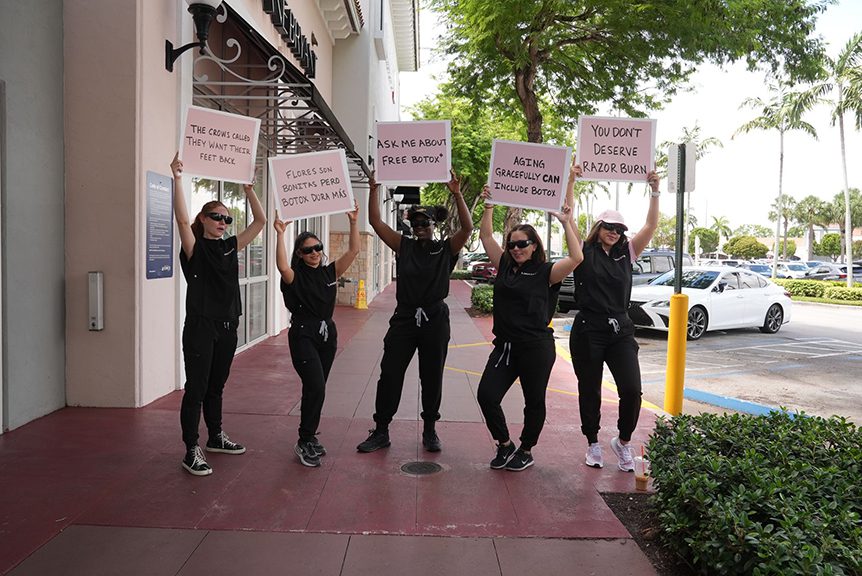
The difference between a booth that pulls a crowd and one that doesn’t is rarely the size of the space or the quality of the display. It comes down to booth engagement, the specific tactics and moment-to-moment decisions that determine whether attendees stop, stay, and talk rather than walk past with a polite nod. At American Guerrilla Marketing, we plan and execute booth engagement strategies at trade shows and conventions nationwide, from our base at Industry City in Brooklyn. This is what we’ve learned from running activations on show floors across every major venue in the country.
What Booth Engagement Actually Means
Booth engagement isn’t a metric. It’s a series of micro-decisions that happen in the first five seconds of an attendee approaching your space. Does something catch their eye? Is there social proof in the form of other people engaged at your booth? Is there a clear, low-pressure invitation to enter? Is there something happening that they can watch or participate in? Every one of those micro-decisions either pulls someone in or lets them drift to the next booth.
The goal isn’t maximum traffic, it’s maximum meaningful engagement. A booth packed with attendees who are grabbing swag and leaving in 30 seconds produces fewer leads than a booth with a steady flow of visitors who are spending 3 to 5 minutes in genuine conversation. Engagement quality is the variable that connects show floor activity to post-show pipeline.
The Aisle Edge: Your Most Important Real Estate
Working the Front of Your Space
Most booths waste the most valuable space they have: the aisle edge. The first few feet of your booth’s perimeter facing the main traffic flow is where first contact happens, and most exhibitors leave that space empty or staff it with people who make passive eye contact and hope for the best. Our approach is the opposite. We staff the aisle edge with trained first-contact ambassadors whose only job is to intercept passing attendees with a specific, brief, non-pushy opener that creates a reason to stop.
The opener isn’t a product pitch. It’s a pattern interrupt. Something specific enough to be interesting, brief enough to not feel like a commitment. “Have you seen what this does?” works better than “Can I tell you about our product?” The difference is that the first is curiosity-driven and the second signals a sales conversation. Attendees at busy shows have finely tuned radar for anything that feels like an aggressive pitch, and they route around it instinctively.
Creating a Visible Reason to Stop
Crowds create more crowds. When three people are standing at your demo station, people passing by want to know what they’re looking at. We design booth activations that create visible social proof, meaning there’s always something happening that is worth pausing for. A product in motion, a game with active players, a photo moment with a line, a live demonstration that draws spectators. Whatever the hook, it needs to be visible from 20 feet away and intriguing enough to override the pull of the next booth.
Interactive Elements That Drive Dwell Time
Live Product Demonstrations
A product demo that the attendee can run themselves outperforms a passive video or a staff-led presentation every time. When the visitor is operating the product, they’re invested. They’re spending attention capital on your brand, and the longer they’re invested, the more comfortable they become with your team, and the more natural the transition to a sales conversation. We help clients structure self-guided demo stations that produce predictable engagement windows of 90 seconds to three minutes, long enough for a staff member to open a real conversation without interrupting the demo.
Gamification
Games create engagement for a simple reason: they’re fun, and fun is in short supply on a trade show floor. We’ve deployed spin wheels, digital leaderboard competitions, AR games, trivia, physical challenges, and prize draws at booths across every industry. The specific mechanic matters less than the fact that it creates participation. Participants stay longer, talk more naturally to staff, and remember the experience more vividly. When they share the game or their prize on social media, the booth’s reach extends beyond the floor without any additional spend.
Sampling and Giveaways with a Reason
Product sampling, when structured correctly, is one of the most effective booth engagement tactics available. A product in someone’s hand creates a natural dwell window. For non-physical brands, branded consumables like coffee, snacks, or branded merchandise tied to a specific action (take a survey, watch a demo, talk to a team member) create the same dynamic. The key is that the giveaway is tied to participation, not just proximity. Passive giveaways that require nothing from the recipient produce short dwell times. Participation-gated giveaways produce longer engagement windows.
Outside-the-Booth Pull: Driving Traffic Before the Visit
The single most underused lever in booth engagement is what happens outside the booth, both before the show opens and in the convention environment beyond the show floor. Our guerrilla marketing work around convention venues is specifically designed to pre-sell attendees on visiting your booth, so that when they arrive, they’re already interested rather than starting cold.
Brand ambassadors working the hotel lobby at 7 AM on opening day can generate 40 to 60 warm conversations per shift. LED billboard trucks circling the convention center during lunch breaks carry your booth location and a compelling visual to thousands of attendees per hour. Wheatpasted posters in the surrounding neighborhood create brand frequency for attendees staying nearby. Sidewalk stencils near convention entrances put your brand at literal eye level in the highest-traffic moments of the show day.
Attendees who arrive at your booth with prior brand exposure engage at a measurably higher rate than cold walk-bys. The quality of that engagement, as measured by conversation depth and lead quality, is also significantly higher. Pre-selling through outside-the-booth tactics is the highest-use thing most exhibitors could do and the thing most consistently skip.
Staff Behavior and Engagement Quality
The Body Language Basics
This sounds obvious, but it kills more booth engagement than any structural issue: staff who are sitting, on their phones, talking to each other, or eating at the booth. From the attendee’s perspective, this signals a booth that doesn’t care enough to be actively inviting. Standing, forward-facing, making eye contact with passing traffic, and being visibly engaged with anyone who’s already at the booth are the baseline requirements. We include a staff briefing on these fundamentals with every campaign we run because they make a material difference in traffic and engagement quality.
The Qualifier Conversation
Not every visitor is a buyer, and not every visitor should receive the same time investment. Trained booth staff know how to quickly assess a visitor’s relevance to the pipeline and route them accordingly. A casual curious visitor gets a brief engaging interaction and an invitation to learn more at their own pace. A qualified buyer who matches your ideal customer profile gets introduced to the right senior team member immediately. Managing that routing in real time is a skill that most trade show teams underinvest in, and it’s a significant driver of both engagement quality and lead conversion.
Conversation Bridges from Experience to Sales
The game is interesting. The AR experience is cool. The demo is impressive. But none of those things close deals. The conversation bridge from experience to sales discussion is the critical link that most exhibitors don’t explicitly train for. We work with clients on specific language bridges: “Now that you’ve seen how that works, are you dealing with [relevant pain point] in your business?” The bridge is natural, not scripted, and specific to whatever experience the visitor just had. It takes the warm moment created by the engagement and opens a real business conversation.
Engagement at Different Show Scales
Large National Shows
At shows with thousands of attendees and hundreds of exhibitors, the noise level is high and the competition for attention is intense. Engagement tactics need to create a visible landmark, something that acts as a destination within the show floor so attendees seek you out intentionally rather than discovering you by chance. We’ve deployed large-format activations, crowd-drawing stunts, and high-energy ambassador teams at major national shows to create that landmark effect.
Mid-Size Industry Conferences
At mid-size shows where attendees are more likely to know the exhibitor environment in advance, booth engagement is more about depth than reach. Fewer visitors, higher average quality. The tactics here focus on meeting preparation, demo quality, and relationship-building conversations that might not be possible at a larger show where time is scarcer.
Regional and Niche Events
Smaller, niche shows are where relationship-level engagement wins. Attendees are fewer but often better qualified, and the show environment is less frenetic. We calibrate engagement strategy for lower-volume, higher-conversion environments where the priority is genuine connection rather than maximum badge scans.
Measuring Booth Engagement Effectively
Dwell Time Tracking
The simplest engagement metric is how long visitors spend at your booth. Booth staff can track this informally by counting visitors who stay past a certain time threshold, or technology solutions can measure traffic and dwell via sensors. What you’re looking for is the correlation between your specific tactics and changes in average dwell time across the show days.
Lead Quality Over Lead Volume
Badge scan counts are a vanity metric if the scans aren’t qualified. We track lead quality by recording conversation notes at capture, including buying timeline, product interest, and key next steps. A post-show analysis of lead quality (what percentage converted to meetings, opportunities, or closed business) tells you far more about engagement effectiveness than raw scan volume.
Social Amplification
Mentions, tags, and content posted from your booth are an engagement quality signal. If visitors are sharing your booth experience on social media, they had a strong enough reaction to broadcast it. We track social mentions in real time during shows to gauge what’s resonating and adjust messaging or activation energy on the fly.
What does booth engagement mean at a trade show?
Booth engagement refers to the quality and depth of interactions between your team and attendees at your trade show exhibit. High engagement means visitors are spending meaningful time at your booth, participating in demos or experiences, and having real conversations with your staff.
What are the best tactics for increasing booth engagement?
The most effective tactics combine interactive experiences (demos, games, activations), strong first contact by trained brand ambassadors, physical attraction from outside the booth perimeter, and a clear flow that moves casual visitors into genuine conversations.
How do brand ambassadors improve booth engagement?
Trained brand ambassadors create warm first contact that bypasses the awkward approach dynamic of a staffed booth. They draw people in, qualify interest, and hand off to the right team member.
How long should a visitor spend at your booth?
Meaningful engagement generally requires at least 90 seconds to two minutes. Anything under 30 seconds typically doesn’t produce a qualified lead. The goal is to design the booth experience so that interested visitors naturally stay longer than they planned.
Can outside-the-booth tactics improve in-booth engagement?
Absolutely. Visitors who arrive already aware of your brand through street teams, outdoor advertising, or pre-show outreach are warmer on arrival and engage more deeply than cold walk-bys.
What common mistakes kill booth engagement?
The most common killers are: staff sitting or on phones, no clear entry point or reason to stop, too much information competing for attention, poor lighting, no interactive element, and no trained first-contact person working the aisle edge.
How do you keep engagement high on day two and day three of a show?
Staff rotation to maintain energy, refreshed interactive elements or rotating demos, and booked meetings that give the team structured engagement throughout the day all help maintain high engagement across multi-day shows.
Campaign Architect , American Guerrilla Marketing
Frequently Asked Questions
What does booth engagement mean at a trade show?
Booth engagement refers to the quality and depth of interactions between your team and attendees at your trade show exhibit. High engagement means visitors are spending meaningful time at your booth, participating in demos or experiences, and having real conversations with your staff.
What are the best tactics for increasing booth engagement?
The most effective tactics combine interactive experiences (demos, games, activations), strong first contact by trained brand ambassadors, physical attraction from outside the booth perimeter, and a clear flow that moves casual visitors into genuine conversations.
How do brand ambassadors improve booth engagement?
Trained brand ambassadors create warm first contact that bypasses the awkward approach dynamic of a staffed booth. They draw people in, qualify interest, and hand off to the right team member.
How long should a visitor spend at your booth?
Meaningful engagement generally requires at least 90 seconds to two minutes. Anything under 30 seconds typically doesn’t produce a qualified lead. The goal is to design the booth experience so that interested visitors naturally stay longer than they planned.
Can outside-the-booth tactics improve in-booth engagement?
Absolutely. Visitors who arrive already aware of your brand through street teams, outdoor advertising, or pre-show outreach are warmer on arrival and engage more deeply than cold walk-bys.
What common mistakes kill booth engagement?
The most common killers are: staff sitting or on phones, no clear entry point or reason to stop, too much information competing for attention, poor lighting, no interactive element, and no trained first-contact person working the aisle edge.
How do you keep engagement high on day two and day three of a show?
Staff rotation to maintain energy, refreshed interactive elements or rotating demos, and booked meetings that give the team structured engagement throughout the day all help maintain high engagement across multi-day shows.
How early should a brand start planning?
For most campaigns, the smart move is to start planning at least two to four weeks before the launch window so production, routing, staffing, and reporting are all lined up.
What makes one market perform better than another?
Market fit depends on audience density, neighborhood behavior, route efficiency, and whether the creative belongs in that setting. The busiest city is not always the best city.
Can AGM bundle this with other services?
Yes. AGM often combines this work with supporting formats so the campaign has stronger repetition and cleaner reporting across the whole run.
How does AGM quote pages like this?
We quote from official rate cards where they apply, then scope the remaining production, staffing, and routing details to the actual job.