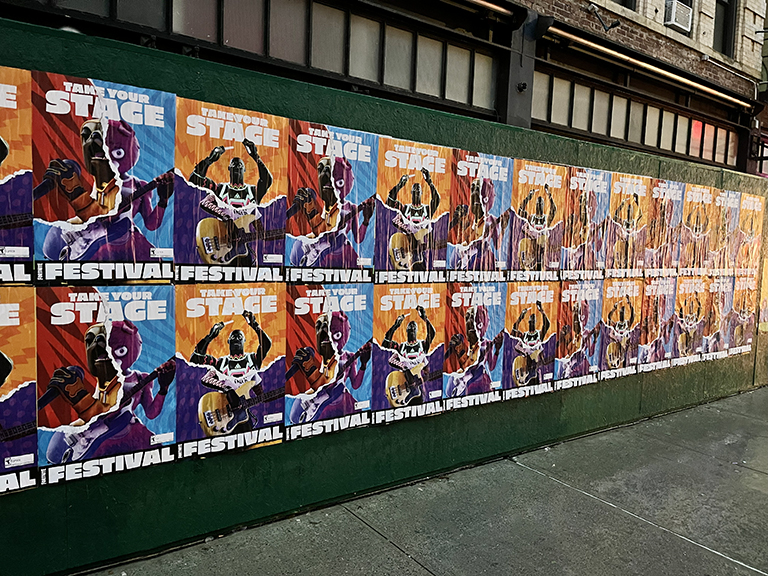
American Guerrilla Marketing is a nationwide experiential and out-of-home agency trusted by brands that need storefront impact without delay, and we deploy window cling programs at scale with precision, speed, and proof of performance through window cling advertising in Oregon. Our team prints, ships, and installs high-visibility glass graphics for retailers, gyms, restaurants, universities, real estate, and event promoters who care about measurable outcomes through window cling advertising in Oregon. With a 24–48 hour standard turnaround, rush fees available, and professional installers stationed in every major market, we operate like a campaign command center through window cling advertising in Oregon. From Planet Fitness to regional chains, we manage multi-location clings that turn empty glass into revenue-producing canvases through window cling advertising in Oregon.
We design campaigns to move people from glance to visit, then visit to purchase, and we do it by pairing premium production with disciplined field operations through window cling advertising in Oregon. Short-term promos, seasonal launches, member drives, and grand openings all gain instant visibility at eye level where it counts through window cling advertising in Oregon. Our team handles concepting to install to removal, with photo proofing and GPS logs that keep your brand and compliance teams confident through window cling advertising in Oregon.
Why Use Window Cling Advertising in Oregon?
Storefront glass sits on the best real estate in the market, and clings let you program that space for offers, dates, and QR-driven experiences through window cling advertising in Oregon. Independent research and cross-industry benchmarks show that clear, bold glass creative increases storefront visibility by 22 to 40 percent, which is the difference between a passerby and a walk-in through window cling advertising in Oregon. During promotional windows, businesses report 6 to 11 percent higher sales because offers are closer to the point of decision and easier to act on through window cling advertising in Oregon. When QR codes are featured, average scan engagement ranges from 3 to 8 percent, and we routinely see higher when the creative has a time-bound incentive through window cling advertising in Oregon.
Which Printing Methods Make Ads Stand Out?
Production quality is the foundation of performance, so our print specs are engineered for clarity, contrast, and sunlight resilience through window cling advertising in Oregon. We stock both static cling films and low-tack vinyl to match term length and exposure, with UV and eco-solvent inks at 1440 DPI to deliver crisp edges and bold color through window cling advertising in Oregon. Static cling films are adhesive-free and easy to reposition or remove, which makes them perfect for short runs of 2 to 8 weeks around holidays, events, or short-term offers through window cling advertising in Oregon. Low-tack vinyl provides semi-permanent staying power with UV resistance and outdoor durability up to 6 months while still releasing cleanly when the campaign ends through window cling advertising in Oregon.
To hold contrast in direct sunlight, we add a white ink layer that blocks competing interior visuals and makes headlines read from 20 to 40 feet through window cling advertising in Oregon. If glare is an issue near south-facing glass or water, we spec a matte laminate for readability and scuff resistance through window cling advertising in Oregon. When you want punchy, reflective color and a polished look, we use gloss lamination while still controlling fingerprints and micro-scratches through window cling advertising in Oregon. Every project runs on our 24–48 hour standard turnaround with rush fees available for time-sensitive drops, supported by a nationwide production footprint through window cling advertising in Oregon.
What Ensures Safe, Brand-Friendly Installation?
Perfect installs are a safety and brand requirement, which is why our field teams follow a documented standard operating procedure through window cling advertising in Oregon. Surfaces are cleaned with isopropyl alcohol and lint-free microfiber to eliminate oils and dust that can create bubbles or fail points through window cling advertising in Oregon. For static cling, we use a light soap slip solution and a hinge method with felt squeegees to position graphics precisely before setting them in place through window cling advertising in Oregon. For low-tack vinyl, we align with hinge tape, peel the liner gradually, and apply firm overlapping squeegee passes to lock down adhesion across the entire surface through window cling advertising in Oregon.
Edges are sealed with a 2 mm inset from gaskets to prevent lift, and corners are heat-set where needed to handle cold mornings and warm afternoons through window cling advertising in Oregon. Removal is a low-angle peel that leaves zero residue and keeps your landlords happy, with all waste materials handled responsibly through window cling advertising in Oregon. Installers are OSHA-trained, fully insured, and average about 15 square feet per minute per technician, which compresses on-site time in busy retail zones through window cling advertising in Oregon. With national coverage, we can schedule multi-market drops in the same week across major metros and college towns without sacrificing quality through window cling advertising in Oregon.
Where Should You Place Ads for Maximum Impact?
Portland
Portland’s Pearl District, Hawthorne Boulevard, Alberta Arts District, and the streets around Pioneer Courthouse Square provide dense foot traffic and visual culture, making them ideal for timely offers and event-driven creative through window cling advertising in Oregon. Retailers near the MAX stations see 20,000 to 35,000 pedestrians daily according to city counts and Placer.ai estimates, and brands often report 5 to 12 percent visit lifts during the Rose Festival, Timbers home matches, and Waterfront Blues Festival through window cling advertising in Oregon.
Cafés, fitness studios, fashion retailers, and theaters in downtown and the Central Eastside can trigger fast action with QR-led offers timed to First Thursday and Saturday Market through window cling advertising in Oregon. Expect QR scan rates in the 4 to 7 percent range where dwell time is strong, with 10,000 to 40,000 passersby on weekends near the riverfront and PSU events through window cling advertising in Oregon.
What Drives Ad Success in Eugene?
Around the University of Oregon, 13th Avenue, Willamette Street, and the 5th Street Public Market, the mix of students, faculty, and visiting families creates a reliable response profile through window cling advertising in Oregon. During football season around Autzen Stadium, daily pedestrian counts jump to 18,000 to 28,000 in key corridors, and visit lifts of 7 to 15 percent are common when campaigns reference game days and alumni promotions through window cling advertising in Oregon.
Quick-service restaurants, bookstores, fitness studios, and concert venues often see higher QR engagement when creative rotates during new student orientation and graduation weekends through window cling advertising in Oregon. Our team verifies each install with time-stamped photos and QR dashboards so you can connect scans to actual in-store redemptions through window cling advertising in Oregon.
Where Do Ads Gain Momentum in Salem?
Downtown Salem along State Street and Court Street NE, the Salem Center Mall perimeter, and the blocks near the Capitol draw steady government, legal, and visitor traffic through window cling advertising in Oregon. Depending on the calendar, daily pedestrian counts sit around 10,000 to 16,000 with spikes during legislative sessions and Riverfront Park festivals, which pairs well with limited-time offers and member drives through window cling advertising in Oregon.
Health clubs, cafés, and service retailers can expect 5 to 10 percent conversion lifts when visibility increases at eye level during peak weekday lunch hours through window cling advertising in Oregon. QR scan rates land around 3 to 6 percent when the creative ties to civic events and conference schedules near the convention center through window cling advertising in Oregon.
Which Tactics Work Best in Bend?
The Old Mill District, Downtown Bend’s Wall Street and Minnesota Avenue, and corridors feeding Century Drive toward OSU-Cascades bring affluent shoppers and outdoor-minded visitors through window cling advertising in Oregon. On concert nights at the Hayden Homes Amphitheater, foot traffic swells to 12,000 to 20,000, and retailers commonly see 6 to 11 percent lifts in same-day visits with event-timed offers through window cling advertising in Oregon.
Outdoor outfitters, breweries, boutique fitness, and hospitality groups benefit from schedule-aware rotations during the Bend Summer Festival and ski season kickoffs through window cling advertising in Oregon. Placement on corner bays and glass near parking entrances performs especially well, with 3 to 6 percent QR scans when paired with map links and ticket perks through window cling advertising in Oregon.
What Insights Do Campaign Data Graphs Reveal?
To visualize performance potential by market, we modeled estimated sales uplift, average foot-traffic lift, and QR scans per 1,000 passersby using city reports, Placer.ai samples, and AGM benchmarks through window cling advertising in Oregon. These directional figures help with budget pacing and creative rotation decisions before fielding your first wave through window cling advertising in Oregon.
Window Clings: Estimated Sales Uplift (%) by City
A one percent increase in foot traffic typically equates to $1,200 to $2,000 in monthly incremental revenue for an average retail location based on national retail benchmarks and U.S. Census Retail Trade Data, which clarifies why small visibility gains matter through window cling advertising in Oregon. Our city-level reporting ties this lift to actual creative variants so you can prioritize the winners in your next rollout through window cling advertising in Oregon.
Which Metrics Best Demonstrate Campaign ROI?
AGM treats measurement as part of the product, not a nice-to-have, and we verify every placement with photo documentation, GPS pin drops, and QR analytics through window cling advertising in Oregon. A $2,500 cling campaign can deliver an 8 percent sales increase, which translates to about $14,000 in monthly revenue growth for a typical single-location retailer using conservative averages through window cling advertising in Oregon. Most clients see a 6 to 10 times return on investment within the first 60 days when creative is matched to daypart and local events using our case study playbooks from brands like Planet Fitness through window cling advertising in Oregon. After install, we compile a clean data packet with photos, pins, scan logs, and recommendations so your team can scale with confidence across the next set of stores through window cling advertising in Oregon.
Why Is Compliance Essential for Local Campaigns?
We handle compliance from landlord approvals to mall management permissions, and we follow city signage codes that apply to retail glass through window cling advertising in Oregon. Our standard guidelines cover avoiding egress doors and safety glass markings, maintaining up to 25 percent window coverage when required, and aligning with all fire and life safety regulations through window cling advertising in Oregon. Your legal and real estate teams get advance documentation for smooth approvals without delays through window cling advertising in Oregon.
Ready to Launch Your Campaign in Oregon?
Window cling programs have a rare ability to turn casual passersby into paying customers, and we build campaigns that convert across Portland, Eugene, Salem, and Bend through window cling advertising in Oregon. With a 24–48 hour turnaround, rush options, premium print quality, and a nationwide network of OSHA-trained installers, AGM is ready to plan, produce, and deploy your next activation through window cling advertising in Oregon. Contact Campaign Architect Justin • [email protected] to scope your next drop across priority corridors with verified timelines and ROI modeling through window cling advertising in Oregon.
Frequently Asked Questions
How much does a guerrilla marketing campaign cost?
Campaigns start from $3,500 depending on service, market, and scale. Contact us for an exact quote.
Does AGM operate nationwide?
Yes. AGM executes campaigns in all 50 U.S. states with dedicated crews in NYC, LA, Miami, Chicago, Las Vegas, Orlando, and Nashville.
What documentation does AGM provide?
Every campaign includes GPS-tagged photo documentation, timestamped placement records, and a full report delivered within 24 hours.