American Guerrilla Marketing
Nationwide Service
Media planning, media buying, billboard advertising, & guerrilla marketing
Where Silicon Slopes meets ski culture — fly posting campaigns built for Salt Lake City’s evolving urban identity.
Salt Lake City is one of the most strategically complex and rewarding advertising markets in the Mountain West, and understanding its duality is the starting point for any successful campaign here. On one side of that duality sits the city’s deeply rooted identity as the global headquarters of The Church of Jesus Christ of Latter-day Saints — an institution that has shaped Salt Lake City’s urban grid, cultural calendar, and consumer patterns for more than 175 years. Temple Square anchors the downtown core both physically and symbolically, and the majority-LDS demographic across the city’s eastern and southern suburbs defines a consumer culture built on family values, community loyalty, and word-of-mouth trust that is extraordinarily powerful once earned. On the other side sits a city that is increasingly becoming something entirely different: a magnet for young, creative, progressive professionals drawn by affordable housing (relative to Seattle and San Francisco, from which many have fled), a nationally recognized outdoor recreation scene, and a growing arts and independent business culture concentrated in neighborhoods like Sugar House, 9th & 9th, and the Granary District.
Salt Lake City’s 200,000 residents, set within a broader metropolitan area of 1.2 million, represent a market that punches well above its population weight in terms of cultural influence and economic activity. The 2002 Winter Olympics left a lasting infrastructure legacy on the city — the TRAX light rail system that now connects the airport, downtown, the University of Utah campus, and the southern suburbs was accelerated by Olympic planning, creating a public transit spine that funnels thousands of daily commuters through a defined set of pedestrian nodes ideal for fly posting campaigns. The University of Utah’s 32,000-plus enrollment and status as one of the Mountain West’s top research institutions anchors the East Bench and University neighborhood with a year-round population of students, researchers, and faculty who skew young, educated, and culturally engaged.
The Granary District on Salt Lake City’s west side is perhaps the most important development in the city’s creative geography over the past decade. What was once a light-industrial zone of grain storage and warehousing along the 400-700 West corridor between 200 and 900 South has transformed into the Mountain West’s most dynamic arts and creative neighborhood, with galleries, maker spaces, craft breweries, experimental restaurants, and creative agency offices filling renovated industrial spaces. This transformation mirrors what happened in Brooklyn’s DUMBO, Portland’s Pearl District, and Denver’s River North — and it is happening right now, making the Granary District a prime fly posting environment where creative-class consumers are actively discovering and forming opinions about new brands, artists, and cultural products.
The Outdoor Retailer trade show’s relocation to Salt Lake City — and its twice-yearly presence at the Salt Palace Convention Center — added a new dimension to SLC’s brand marketing calendar that is still not fully appreciated by campaigns planned outside the region. Each January and August, the outdoor industry’s most important buyers, brand managers, media figures, and retail decision-makers spend four days in downtown Salt Lake City, eating at Granary District restaurants, walking Main Street, and filling the hotels along 300 South. For outdoor, adventure, active lifestyle, and sustainable brand categories, the windows surrounding Outdoor Retailer represent some of the highest-concentration access to their most influential professional audience anywhere in the country — and fly posting in the surrounding districts during these shows delivers that access at street level.
Sugar House, Granary District, 9th & 9th, Downtown, or all of the above — AGM knows where SLC's audiences actually live, walk, and pay attention. Let's build your campaign.
Select a city to explore Fly Posting Advertising opportunities.
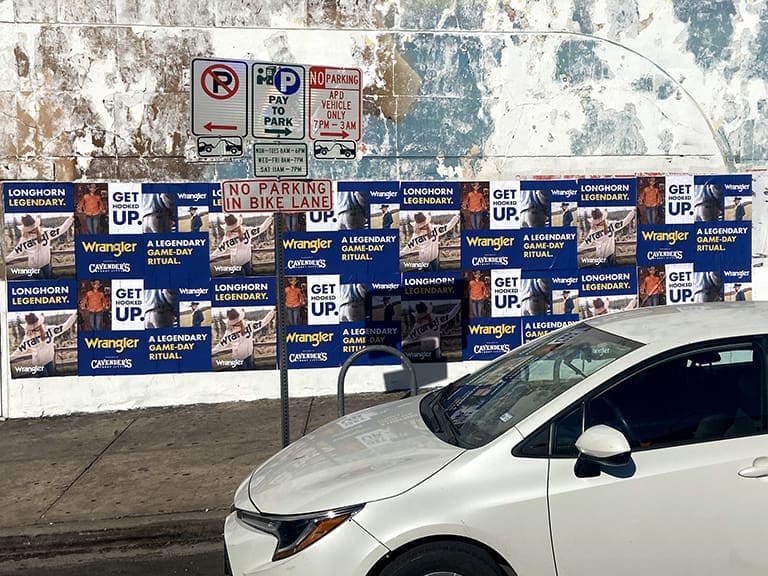
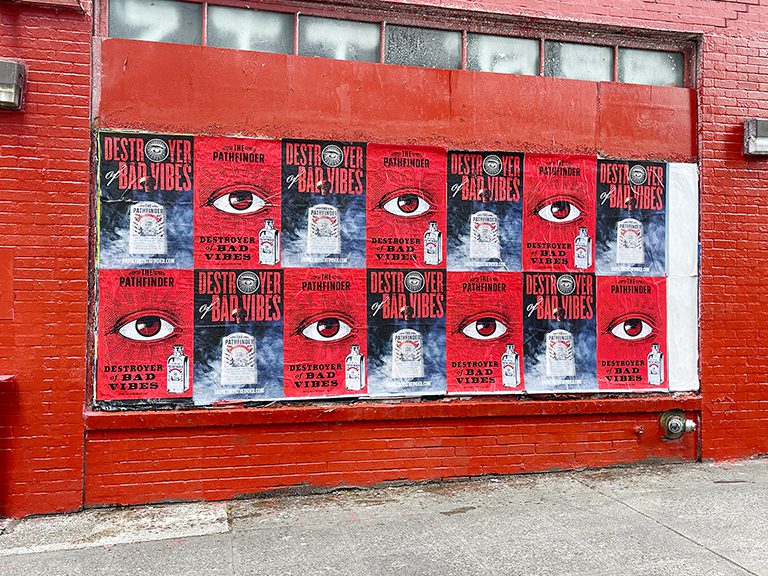
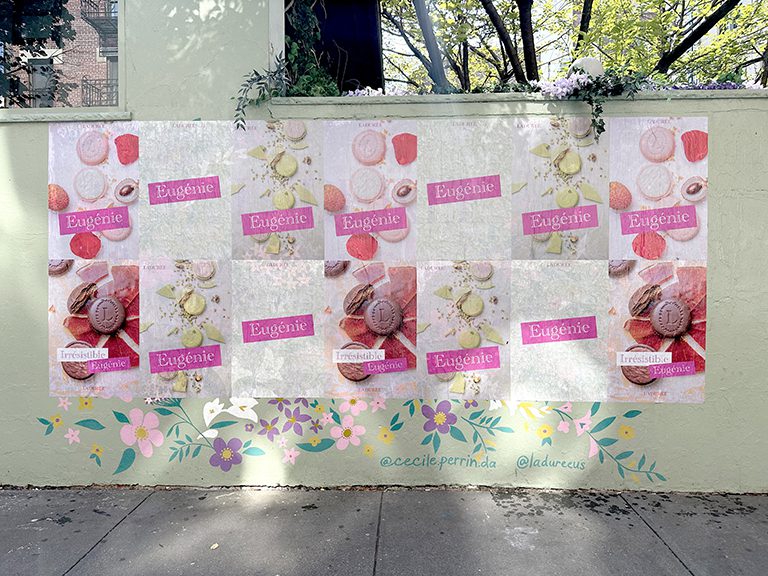
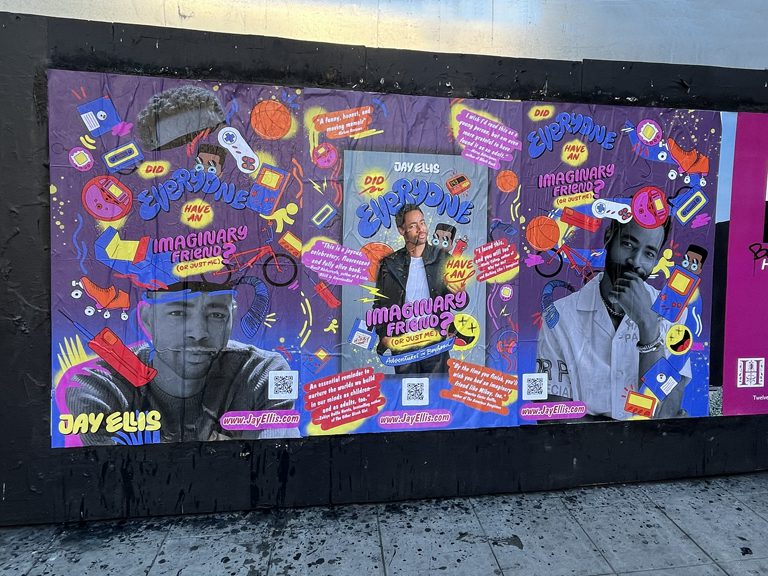
Salt Lake City’s built environment offers something rare among Mountain West cities: a genuine urban canvas. The Granary District’s brick warehouse walls, the construction hoardings along the downtown development corridors, the building sides facing 2100 South in Sugar House, and the commercial walls along 9th and 9th — these surfaces are the physical medium through which street poster advertising tells brand stories at the scale and intimacy that no digital format can replicate. Fly posting is the professional practice of placing large-format printed posters on these authorized surfaces, transforming static urban architecture into a rotating gallery of brand and cultural messaging that the city’s most engaged, walkable communities encounter daily.
In a city where Sugar House residents walk to their independent coffee shops and bookstores, where 9th and 9th regulars spend Sunday mornings browsing local boutiques, and where Granary District gallery-goers linger on sidewalks between openings on First Friday art walks, fly posting functions as an embedded part of the neighborhood visual landscape rather than an interruption. A well-placed 48×72 poster on a Granary District brick wall doesn’t compete with the neighborhood’s aesthetic — it participates in it, becoming part of the visual language that creative-class SLC residents use to understand what is culturally relevant and worth paying attention to. American Guerrilla Marketing has spent years executing campaigns in exactly these kinds of urban canvas environments, and that experience informs every placement decision we make in Salt Lake City.
What makes fly posting particularly well-suited to Salt Lake City’s current market moment is the fact that the city is actively becoming something new. New residents are arriving from coastal markets, new creative businesses are opening in the Granary District and Sugar House, and the city’s cultural identity is being negotiated in real time in its walkable neighborhoods. Brands that establish a physical presence through fly posting during this formative period — while Salt Lake City is still in the process of defining its 21st-century identity — are not just advertising to a market; they are participating in shaping the cultural associations that will define this city’s consumer landscape for the next decade. That is the kind of brand positioning opportunity that money cannot buy once a market has fully matured.
AGM’s Salt Lake City fly posting packages include full-service location scouting, property owner coordination, professional installation, and comprehensive photo documentation of every placement. Pricing is consistent across all SLC neighborhoods — Sugar House, Granary District, 9th & 9th, Downtown, and surrounding corridors are all within the same rate structure. Ask about combined pricing if you’re planning a coordinated campaign across SLC and one or more additional Wasatch Front cities.
The 24×36 format is the standard workhorse for Sugar House’s pedestrian-dense 2100 South strip, the 9th and 9th boutique corridor, and TRAX station approaches — surfaces where foot-level daily exposure to repeating audiences is the primary reach mechanism. The 48×72 format is built for the Granary District’s brick warehouse walls, the larger building sides along State Street and 300 South in downtown, and any placement where the poster needs to command attention from across a plaza or moving vehicle. For campaigns launching in Salt Lake City for the first time, we typically recommend the 200-poster tier to ensure sufficient density across the city’s distinct neighborhood zones.
Award Winning Personalized Service
You will get thoughtful, devoted, and individualized attention from our experienced, qualified, and professional personnel. Being one of the most illustrious agencies in Brooklyn, New York, American Guerrilla Marketing has been awarded the Best of Brooklyn title.
Nationwide
Industry City, Brooklyn, New York 11232
American Guerrilla Marketing
Hours
Mon - Fri: 9 AM - 5 PM
Sat & Sun: Closed
Automate your campaign with AGM’s Request for Proposal Builder. Simply answer a few quick questions about your campaign goals, markets, and timeline, and the system will generate a tailored presentation with recommended strategies, quantities, and pricing. Click the RFP Builder to instantly receive your customized proposal.
The most effective Salt Lake City fly posting campaigns are designed with explicit awareness of the city’s dual consumer geography. The mainstream LDS family demographic — concentrated in the east-side residential neighborhoods, the Sugarhouse suburbs, and the communities spreading east toward Millcreek and Holladay — represents a consumer base that is brand-loyal, family-centric, and highly responsive to authentic community-oriented messaging. Reaching this demographic with fly posting means placing in the commercial corridors these households regularly move through: State Street through Millcreek, the Trolley Square area on 700 East, and the commercial nodes along 2100 South before it transitions into Sugar House’s more progressive character further west.
The non-LDS creative and progressive demographic — concentrated most heavily in Sugar House, 9th and 9th, the Granary District, and the neighborhoods adjacent to the University of Utah — is a culturally influential consumer tribe whose brand preferences radiate outward through social networks and arts communities far beyond their geographic concentration. This demographic frequents the Urban Lounge and Kilby Court for local music shows, attends First Fridays in the Granary District, and supports the independent businesses along 9th and 9th with fierce loyalty. Fly posting in these corridors — particularly the building walls along Highland Drive and 2100 South in Sugar House, and the warehouse surfaces along 400 West in the Granary District — puts your brand directly inside the daily visual field of Salt Lake City’s most culturally influential consumers.
SLC’s TRAX light rail network is a fly posting multiplier that many out-of-market brands underutilize. The four TRAX lines connect the airport, downtown’s Gateway district, the University of Utah’s Research Park, and South Jordan, creating defined pedestrian flow corridors at every station node. The stations themselves — particularly the downtown cluster at Temple Square, Gallivan Plaza, Courthouse, and 900 South — are among the highest-density pedestrian aggregation points in the city, and the corridors between them along Main Street and 200 West are natural fly posting zones where daily commuter foot traffic ensures repeated daily exposure for your posters across a multi-week campaign window.
For entertainment brands, the venue constellation in and around Salt Lake City creates natural campaign anchor points. The Complex and Commonwealth Room in the industrial corridor near 200 West host national touring acts and are surrounded by pre-show foot traffic corridors ideal for fly posting. Kilby Court on 300 West is a beloved 150-capacity indie music venue whose audience skews heavily toward young, culturally engaged listeners who respond strongly to street-level poster advertising. Rice-Eccles Stadium at the University of Utah draws 50,000 fans on fall football Saturdays, with fly posting along Foothill Drive and University Street reaching the pre-game audience in the hours when they are most engaged and moving through the neighborhood. Delta Center in downtown, hosting Utah Jazz games and major arena concerts, anchors a venue-adjacent fly posting zone along 300 West and Main Street that delivers premium entertainment audience reach on event nights.
The proximity of Salt Lake City to Park City — a 35-minute drive up Parleys Canyon — creates a two-market campaign opportunity that brands in luxury, outdoor recreation, entertainment, and hospitality should actively structure into their strategies. Brands running fly posting in SLC’s Granary District and Sugar House during Sundance Film Festival season in January extend their reach to festival attendees who shuttle between Park City’s Eccles Theatre venues and SLC’s downtown hotels and restaurants. A coordinated SLC-plus-Park City approach during Sundance puts your brand in front of the entertainment industry’s most influential creative professionals whether they are on Main Street in Park City or exploring the 9th and 9th corridor on a festival evening.
Sugar House is Salt Lake City’s most culturally progressive and consistently walkable neighborhood, centered on the 2100 South and Highland Drive corridor. Independent coffee shops, record stores, used bookstores, vintage clothing boutiques, and locally owned restaurants line the commercial stretch that has defined the neighborhood’s identity for decades. The Sugar House Park, located just south of the main commercial strip, draws thousands of visitors on weekends. Fly posting along 2100 South between Highland Drive and 1100 East places your brand at eye level with the regular foot traffic of one of SLC’s most brand-receptive consumer communities — young professionals, students, and creative class residents who walk this corridor daily and notice what is new on the walls.
The intersection of 900 South and 900 East is Salt Lake City’s most beloved boutique corridor — a walkable, architecturally charming block where local artists, graphic designers, independent retailers, and design professionals shop, eat, and gather. The 9th and 9th area is known for its strong sense of neighborhood identity and its residents’ fierce loyalty to local businesses over chains. Fly posting in this corridor reaches an audience of taste-leaders whose brand preferences carry disproportionate influence through their social and professional networks. The compact, walkable scale of the neighborhood means that poster placements here are encountered repeatedly by the same community members over weeks, creating the impression frequency that drives genuine brand recall.
The Granary District along 400-700 West between 200 and 900 South is Salt Lake City’s fastest-evolving creative neighborhood, housed in former grain storage and light-industrial buildings that now contain galleries, maker spaces, craft breweries, experimental restaurants, and creative studios. First Fridays bring hundreds of gallery-goers into the district each month. The neighborhood’s large warehouse walls and brick building sides offer some of the most visually compelling fly posting surfaces in the city — the kind of surfaces that make a well-designed large-format poster feel like it belongs rather than intrudes. Brands in art, music, entertainment, craft beverage, outdoor lifestyle, and design find the Granary District one of SLC’s highest-engagement campaign environments.
Downtown Salt Lake City’s commercial core along Main Street and 300 South is the city’s highest-density business and foot traffic corridor, anchored by the Gallivan Plaza gathering space, the Eccles Theater performing arts venue, and the growing restaurant and retail strip developing along 300 South between Main and 200 West. The proximity to Temple Square draws international visitors throughout the year, while the downtown office towers generate daily professional foot traffic that makes the corridor one of SLC’s most consistent weekday campaign surfaces. TRAX stations at Gallivan Plaza and Courthouse aggregate pedestrian flows from across the metro into the downtown blocks at peak hours.
The Gateway district on the west side of downtown, anchored by the Gateway outdoor mall complex, hosts a mix of retail, entertainment, dining, and residential development that draws a broad cross-section of Salt Lake City’s metro population. The proximity to TRAX and FrontRunner stations makes The Gateway one of the most transit-accessible commercial zones in the city, with significant foot traffic on evenings and weekends. The district borders the Granary District to the south, creating a natural fly posting corridor that connects the arts neighborhood with the entertainment retail zone.
The University of Utah’s campus and surrounding neighborhoods — including the Research Park, the Red Butte Garden corridor, and the residential streets between Foothill Drive and University Street — host a dense community of students, faculty, researchers, and graduate professionals with significant purchasing power and strong brand curiosity. The TRAX Medical Center line connects the U of U campus directly to downtown SLC, generating daily ridership through a corridor of campus-adjacent commercial surfaces. Fall home football Saturdays at Rice-Eccles Stadium bring 50,000 fans through Foothill Drive and University Street — the single highest-traffic pedestrian event window in this neighborhood.
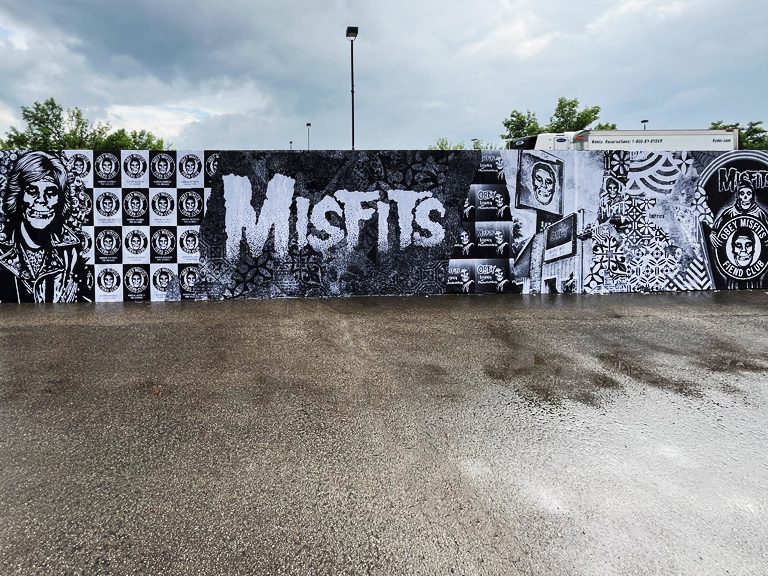
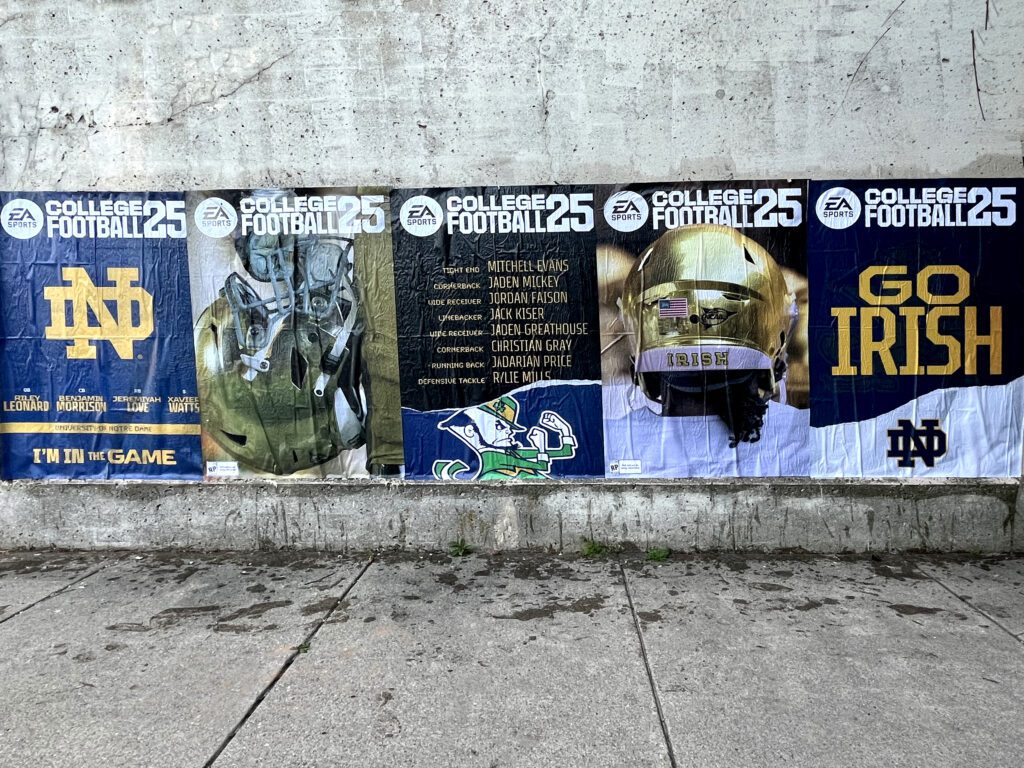
American Guerrilla Marketing’s client portfolio demonstrates execution across the full creative and logistical spectrum of fly posting — from Netflix series launches in competitive metro markets to artist Shepard Fairey’s street-level installation projects that required both precise aesthetic judgment and operational precision. When EA Sports runs a game launch activation, they need a partner who understands that the poster’s placement on the wall is as important as the creative on the poster itself — the wrong surface in the wrong neighborhood reaches the wrong audience no matter how good the design. That same placement intelligence is what we bring to every Salt Lake City campaign we run.
SLC’s neighborhood geography rewards local knowledge. Knowing that a wall on the south side of 2100 South in Sugar House captures foot traffic from the coffee shop cluster on the north side of the street, while a wall placement on the north side captures reverse-direction traffic on the homeward commute — that kind of granular, block-level understanding of pedestrian behavior is what separates a well-executed fly posting campaign from a placement that looks reasonable on a map but fails to deliver in the field. AGM’s location scouts develop this knowledge through direct site visits and ongoing market familiarity, not remote mapping tools.
Our Las Vegas office coordinates all Salt Lake City operations, enabling faster site visits and tighter installation windows than campaigns managed from more distant locations. When you brief an SLC campaign to AGM, you’re working with a team that has physically walked the corridors we’re recommending, understands the rhythm of foot traffic at different times of day and week, and can adapt placement strategy in real time if a specific surface becomes unavailable or if a better opportunity presents itself during installation. That operational flexibility is only possible when your campaign partner is geographically close enough to be on the ground quickly.
BYU’s campus is managed by the university and has its own posting policies that govern on-campus advertising. AGM’s approach to reaching the BYU campus community focuses on the off-campus corridors that students use daily — particularly the commercial strips along North University Avenue north of campus, the residential corridors in the East Bay and Joaquin neighborhoods where students live, and the downtown Center Street zone where students spend time socializing and dining. These off-campus placements capture the same BYU student audience without navigating on-campus permitting requirements, and they reach students in their off-campus consumer mindset rather than their academic focus mindset. AGM’s BYU-adjacent location network covers the key access points between campus and downtown Provo with precision that maximizes student impressions from a perimeter deployment.
Provo’s most receptive brand categories align with the values and lifestyle of its dominant demographic cohorts. Outdoor and adventure brands — gear, apparel, nutrition, athletic accessories — find Provo’s active outdoor culture (Wasatch Mountains access, Utah County trail systems, BYU recreation culture) an exceptionally receptive market. Wellness brands, particularly those with clean ingredient profiles and family-safe positioning, align naturally with the LDS community’s health values. Technology brands in productivity, communication, and entertainment categories resonate strongly with the Silicon Slopes workforce and BYU’s entrepreneurship-forward student community. Entertainment brands — music acts performing in Salt Lake City or Utah County, film releases, streaming platform campaigns — find the BYU student community a young, engaged, pop-culture-aware audience despite the honor code’s restrictions on alcohol and adult content. The categories that perform least well are brands requiring an alcohol, cannabis, or adult content association, which feel fundamentally misaligned with Provo’s dominant cultural identity.
Provo’s tech workforce is geographically concentrated in two zones: the downtown Provo area where many smaller tech firms have offices, and the University Parkway corridor connecting Provo to the larger Silicon Slopes campuses in Lehi and American Fork. For downtown-based tech workers, AGM’s University Avenue and Center Street placements capture the daily lunch, errand, and after-work foot traffic of workers who commute to downtown Provo’s commercial core. For workers in the University Parkway tech corridor, placements along the commercial strips adjacent to office campus concentrations reach the workforce in their primary commercial environment during the lunch window. AGM also covers the residential neighborhoods — particularly the newer developments in east Provo and the premium rental corridors favored by tech workers with families — where Silicon Slopes employees return each evening after their commute.
University Avenue’s posting geography divides into three functional zones with distinct audience profiles. The northern section from 9th North to Center Street is the BYU-to-downtown transition zone — the highest student foot traffic corridor in Provo, where thousands of students walk daily between campus and the downtown commercial area. Placements here generate maximum student impressions. The central section around Center Street is the downtown core zone, where a mixed audience of students, young professionals, families, and local business patrons creates a diverse impression base. The southern section from Center Street toward 5th South serves a more local-resident demographic — longtime Provo families and working-class residents who use the commercial strips for daily needs. Most campaigns focus the northern and central sections for highest demographic value, with the southern section added when reaching longtime Provo families is a campaign objective.
Yes, and BYU event timing is one of the most effective amplification strategies for Provo fly posting campaigns. BYU football home games at LaVell Edwards Stadium (capacity 63,470) bring alumni, families, and fans from across Utah County and the broader Intermountain West into the Provo campus area — creating the highest single-day population density in the city outside of graduation weekend. AGM recommends installing campaigns in the week before a major BYU home game to capture both the pre-game awareness period and the game-day concentration of fans who flood the campus perimeter corridors. BYU Conference weekends — when General Conference in Salt Lake City creates large visitor influxes throughout the Utah County-Salt Lake corridor — also represent significant amplification windows for campaigns that are already installed and visible in downtown Provo during that visitor surge.
BYU’s honor code creates a community culture that actively values certain brand attributes — health consciousness, family orientation, entrepreneurial ambition, personal development, and outdoor recreation — while being fundamentally misaligned with others. Campaigns featuring alcohol, cannabis, adult content, or language and imagery that conflict with LDS community values will not find Provo a receptive market regardless of how well-targeted the placements are. This is not a limitation unique to fly posting — it affects every advertising medium in Provo. For brands that genuinely align with Provo’s community values, however, the honor code culture is actually an advertising advantage: it creates a community that is unusually responsive to authentic brand alignment, and the word-of-mouth networks that flow through LDS ward communities can amplify a well-received brand message with remarkable efficiency. AGM provides market-specific creative consultation for brands new to the Provo market to help identify the creative approaches that will land authentically within the community’s value framework.
University Avenue and Center Street attract meaningfully different audience profiles in Provo, which is why the most effective campaigns cover both rather than choosing between them. University Avenue’s audience is dominated by the commercial transit demographic — students walking to campus, workers commuting to downtown offices, and families running errands along the primary commercial spine. It’s a high-volume, mixed-demographic flow that values the broad impression delivery. Center Street’s downtown blocks, by contrast, draw a more intentional consumer audience — people who have chosen to spend time in downtown Provo for dining, entertainment, or cultural events rather than simply passing through on their daily route. The Center Street audience is smaller in raw volume but higher in consumer receptiveness, because people on Center Street are already in a discovery and spending mindset. AGM’s standard Provo recommendation is to anchor campaigns on University Avenue for reach and supplement with Center Street placements for engagement quality.
Provo and its neighboring city Orem together constitute the core of Utah County’s most commercially active zone, and running simultaneous fly posting campaigns in both cities creates a level of geographic saturation across Utah County that neither city alone can achieve. Provo’s University Avenue and Center Street corridor covers the BYU student population and downtown Provo’s young professional community. Orem’s State Street corridor and University Parkway zone covers the UVU commuter student population, the suburban family demographic, and the retail corridor where Utah County residents shop regardless of which specific city they live in. A combined Provo-Orem campaign blankets both the university populations and the family residential demographic across the county’s most commercially dense geography. AGM coordinates simultaneous Provo-Orem campaigns with unified scheduling so that both cities receive fresh posters within the same installation window.
Provo’s commercial architecture along University Avenue and Center Street is predominantly 1970s and 1980s suburban commercial strip construction — lower-profile buildings with smaller facades than the historic brick commercial blocks found in cities like Salt Lake City’s Sugar House or Knoxville’s Old City. This architectural character makes the 24″×36″ standard format the most proportionately appropriate and commonly deployed format in Provo’s primary commercial corridors. The format creates a presence that is visible and impactful without overwhelming the scale of the storefronts it appears on. For Provo’s occasional larger-scale building surfaces — the commercial structures along Freedom Boulevard, the retail anchors near the Riverwoods area, and the few brick industrial buildings in the north Provo warehouse zone — the 48″×72″ large format creates impressive anchor placements that function as the campaign’s highest-visibility installation points. Most Provo campaigns benefit from a blended approach using both formats deployed according to the specific surface characteristics at each location.
Outdoor and wellness brands are among the most effective categories in Provo’s fly posting environment, largely because of the authentic alignment between brand values and community values. Outdoor gear and apparel companies find Provo’s trail-running, mountain biking, rock climbing, and backcountry skiing communities — all within easy access of the Wasatch Mountains above town — are highly concentrated in the University Avenue and downtown Provo corridors during the workweek and weekends. Wellness brands with clean ingredient positioning, family-safe formulations, and health-forward messaging find BYU’s community culture a natural landing zone for product awareness campaigns. Athletic and active lifestyle brands benefit from BYU’s strong intramural sports culture, which draws thousands of students into regular athletic participation that creates a strong natural fit for performance-oriented product categories. AGM frequently advises outdoor and wellness brands that Provo should be among their first Utah County market entries because the authentic demographic alignment produces stronger engagement rates than the same campaign would achieve in a more generic suburban market.