American Guerrilla Marketing
Nationwide Service
Media planning, media buying, billboard advertising, & guerrilla marketing
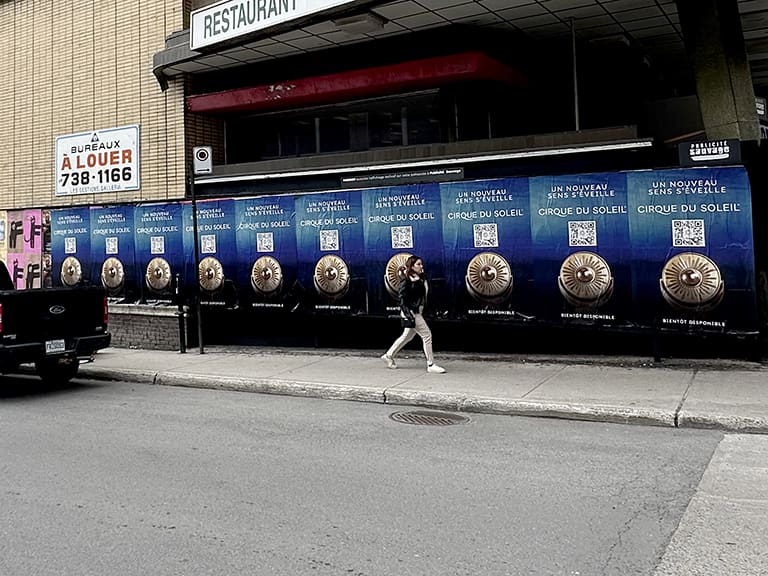
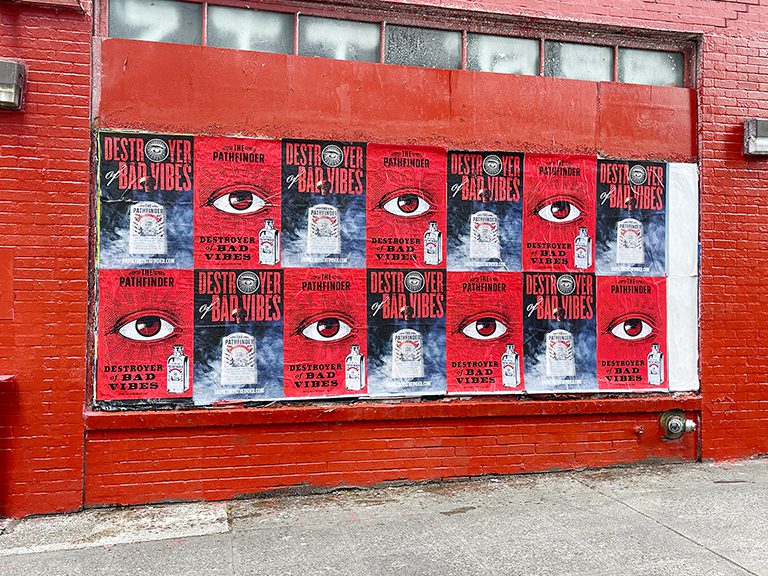
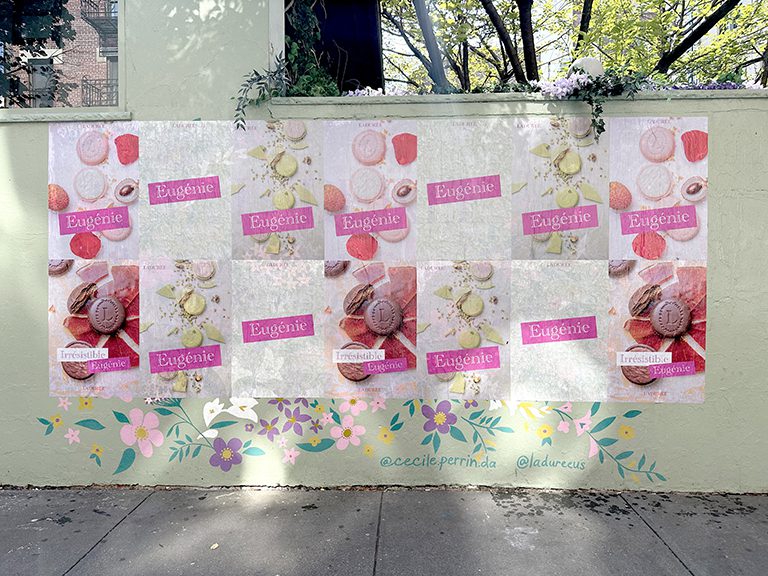
Street poster and wheat paste advertising campaigns in Detroit’s most powerful neighborhoods — Eastern Market, Corktown, Midtown, Woodward, and the Ilitch District. In-house crews. No subcontractors. GPS photo documentation on every run.
Detroit’s relationship with street-level visual culture is not a trend that arrived with the city’s revival — it is structural, embedded in the identity of a city that built its character through music, manufacturing, and neighborhood resilience over more than a century. Motown Records, the Detroit techno movement, the hip-hop lineage running from Detroit to national stages, and the city’s decades-long tradition of murals and street art all exist in the same visual environment where wheat paste advertising lands today. When a brand shows up on Detroit’s walls, it enters that conversation whether it intends to or not — which is exactly why the brands that show up intentionally and authentically get results that passive media buys simply cannot replicate.
The surface inventory alone makes Detroit exceptional. Eastern Market’s warehouse district stretches across multiple city blocks and holds some of the largest blank wall faces available in any American urban posting market. Corktown’s revitalized commercial corridor — bookended by the Ford Michigan Central Station restoration project and the neighborhood’s expanding restaurant and creative business scene — provides a mix of historic brick faces and new construction barrier surfaces that cycle through fresh inventory regularly. Midtown’s arts concentration between the Detroit Institute of Arts and Wayne State University creates a walkable posting environment where the audience engages with visual content as a matter of daily habit, not passive exposure.
The result is a posting market where the medium and the environment reinforce each other. Detroit audiences are not just demographically aligned with street advertising — they are culturally positioned to engage with it. An arts-community consumer in Midtown, a music fan approaching Little Caesars Arena from the Woodward corridor, a weekend farmer’s market visitor in Eastern Market — all three are moving through physical spaces where fly posting is a native visual element, not an intrusion. That native-fit quality is what separates Detroit from markets where the same format feels imported or out of place.
Detroit’s ongoing reinvention adds a layer of surface opportunity that few markets can match. Active development is generating rotating fresh plywood barrier inventory around construction sites in downtown, Corktown, and the New Center corridor. The Ford Michigan Central Station project alone has animated multiple blocks of Corktown with construction activity that creates excellent posting surfaces on approach routes from multiple directions. Development energy at this scale means the surface map in Detroit is not static — new high-visibility opportunities appear on a rolling basis, and our crews track those changes as part of active campaign planning.
New Center — the historic commercial district built around General Motors’ early headquarters — deserves specific attention as a posting environment that is often overlooked in favor of the neighborhoods closer to downtown. New Center today is home to media companies, creative agencies, healthcare institutions, and a growing residential community that skews young professional. The daytime foot traffic profile in New Center is high-income, high-education, and professionally active — a valuable audience for brands that want to reach a working professional demographic in an environment where advertising competition is lower than in the more saturated downtown posting corridors.
The Ilitch District, the dense urban zone surrounding Little Caesars Arena and the Fox Theatre, functions as a campaign multiplier for entertainment-adjacent brands. The audience that flows through that corridor on game days and concert nights is not just passing through — it is activated, social, and primed for brand engagement. Blank building side walls on the approach routes to LCA from Woodward Avenue, Cass Avenue, and Gratiot Avenue deliver wheat paste placements to tens of thousands of event attendees in a condensed time window that no other format in the city can match for raw audience concentration.
Detroit’s Woodward Avenue corridor — the historic spine connecting downtown to New Center, Midtown, and eventually the northern suburbs — carries consistent daily traffic along a boulevard with regular blank building side wall inventory at intervals that make multi-placement corridor campaigns practical. Woodward campaigns reach a cross-section of Detroit’s audience: downtown office workers, Midtown arts community members, New Center professionals, and the vehicle traffic that uses Woodward as a primary commuting artery between the city core and the northern suburbs. A single corridor run along Woodward touches more discrete audience segments than most multi-neighborhood campaigns in other Midwest markets.
Eastern Market. Corktown. Midtown. Woodward. Tell us which Detroit neighborhoods your audience lives in, and we'll build the campaign around them.
Select a city to explore Fly Posting Advertising opportunities.
Eastern Market is the most important fly posting surface environment in Michigan, and one of the most productive in the country. The wholesale market district has operated continuously for over 125 years, and the massive warehouse walls surrounding the shed structures have accumulated a visual identity — murals, street art, and posted advertising — that makes fly posting feel completely at home here. Weekend public market days draw 40,000 or more visitors to the district, concentrating a socioeconomically diverse, culturally engaged Detroit audience in a highly walkable zone with surface inventory that simply does not exist at this scale anywhere else in the state. Weekday foot traffic from the wholesale and food industry businesses operating in Eastern Market keeps the audience density high even outside market weekends.
Detroit’s oldest surviving neighborhood is in the middle of a transformation that has drawn national media attention since Ford began restoring the Michigan Central Station. That attention is not misplaced — Corktown’s commercial strip on Michigan Avenue now has a density of restaurants, bars, creative businesses, and destination retail that makes it one of the most walkable and socially active corridors in the city. Historic brick building faces, new construction barriers, and blank building sides on the secondary streets off Michigan Avenue all provide strong posting surfaces in a neighborhood that attracts a mix of longtime Detroit residents, creative professionals who have moved into the area, and visitors drawn specifically to the neighborhood’s revival narrative. The Ford Michigan Central project creates construction barrier inventory that turns over as phases complete, generating fresh surfaces with high visibility on the approach from downtown.
The Midtown district, anchored by the Detroit Institute of Arts, the Museum of Contemporary Art Detroit, Wayne State University, and the Detroit Medical Center, is the most institutionally dense arts and education environment in Michigan. The audience moving through Midtown on any given day includes university students, faculty, museum visitors, medical professionals, and the creative-class residents who have made the neighborhood the center of Detroit’s artistic community. Blank warehouse walls, commercial building sides, and utility structures between Woodward Avenue and Cass Avenue provide consistent posting inventory across a walkable area where pedestrian engagement with visual content is unusually high. A Midtown placement reaches an audience that is actively looking at its environment — which is the single most valuable characteristic a fly posting surface can have.
New Center’s professional daytime population is anchored by media companies, advertising agencies, major healthcare institutions, and the ongoing residential development that has brought younger professional residents into the neighborhood. The concentration of creative-industry professionals makes New Center a high-value posting environment for brands targeting advertising, media, design, and technology audiences in a market where traditional advertising inventory is limited and fly posting delivers strong visual contrast against a relatively clean commercial environment. The Woodward Avenue corridor connecting New Center to Midtown and downtown provides consistent surface inventory along a major traffic artery, extending campaign reach across multiple distinct audience zones in a single corridor run.
The 24×36 format is built for coverage across Detroit’s district-by-district posting environment. When the goal is distributing across Eastern Market, Corktown, Midtown, and the Woodward corridor in a single campaign run, this is the format that delivers the density and repeat-exposure effect that drives awareness in multi-neighborhood Detroit campaigns.
Eastern Market’s warehouse walls are made for the 48×72 format. So are the building sides on Woodward Avenue’s approach to Little Caesars Arena, and the blank facades on Michigan Avenue through Corktown. At this scale, a wheat paste poster is not background noise — it is a landmark. This format is for campaigns where dominant presence at a small number of high-value Detroit locations is the strategic priority.
Award Winning Personalized Service
You will get thoughtful, devoted, and individualized attention from our experienced, qualified, and professional personnel. Being one of the most illustrious agencies in Brooklyn, New York, American Guerrilla Marketing has been awarded the Best of Brooklyn title.
Nationwide
Industry City, Brooklyn, New York 11232
American Guerrilla Marketing
Hours
Mon - Fri: 9 AM - 5 PM
Sat & Sun: Closed
Automate your campaign with AGM’s Request for Proposal Builder. Simply answer a few quick questions about your campaign goals, markets, and timeline, and the system will generate a tailored presentation with recommended strategies, quantities, and pricing. Click the RFP Builder to instantly receive your customized proposal.
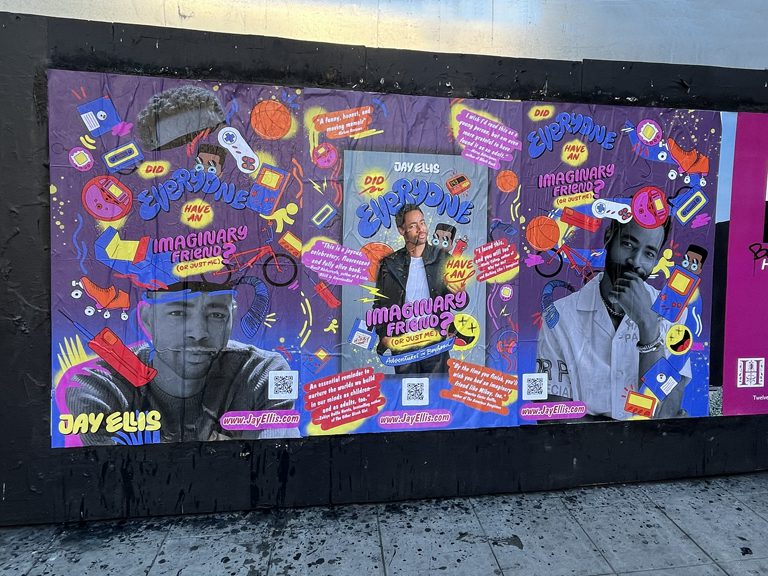
When Jay Ellis launched an entertainment project in Manhattan, the campaign called for street-level presence in a market where cultural attention is fragmented across an overwhelming volume of competing messages and advertising formats. American Guerrilla Marketing executed fly posting placements across New York’s most concentrated entertainment audience corridors — reaching the music, film, and arts community that makes Manhattan’s creative economy function through the medium that those communities have always responded to most authentically.
Detroit draws a direct parallel. The entertainment-industry audience that campaign targeted in Manhattan exists in Detroit in a form shaped by the city’s specific musical and creative heritage — and it is concentrated in exactly the neighborhoods where fly posting performs best. An entertainment brand launching in Detroit and targeting the music fan, the arts professional, the creative-class resident who makes Midtown and Corktown home, faces the same strategic brief as that Manhattan campaign: reach an audience that moves through physical space with cultural attention, using a medium that the culture respects. Fly posting is that medium in Detroit in a way it is not in every market — because Detroit’s street culture has always been built around physical creative expression at the neighborhood level.
The lesson for Detroit entertainment campaigns: the audience is there, the surfaces are there, and the cultural fit between the medium and the market is stronger here than in most American cities of comparable size. The strategic question is not whether fly posting works in Detroit — it is which neighborhoods, which corridors, and which timing windows deliver the strongest concentration of your specific target audience.
Detroit’s building stock creates a posting surface diversity that is genuinely unusual for a market of its size. The warehouse and industrial building inventory in Eastern Market, the historic brick commercial buildings in Corktown and Midtown, the blank concrete and CMU block sides on New Center’s institutional buildings, and the active construction barriers throughout the downtown and Corktown development corridors all represent distinct surface types with different adhesion characteristics, different audience exposure profiles, and different run-time expectations.
Smooth sealed surfaces — painted concrete, sealed plywood construction barriers — deliver the cleanest visual result and the longest run times for wheat paste advertising. Textured brick holds paste and provides a distinctive aesthetic that can work for the right creative, but reduces the visual crispness of detailed imagery. Our crew knowledge of Detroit’s specific surface inventory means we recommend the right surface type for your campaign’s creative approach, not just the highest-traffic location regardless of surface quality.
The rotation of construction barrier surfaces in Corktown and downtown Detroit is particularly valuable for ongoing or repeat campaigns. As development phases turn over, fresh plywood surfaces appear in high-visibility locations that did not exist six months prior — meaning the best Detroit surface map today is not identical to what it was a year ago, and our crews track those changes actively to ensure placements consistently hit the city’s best available inventory.
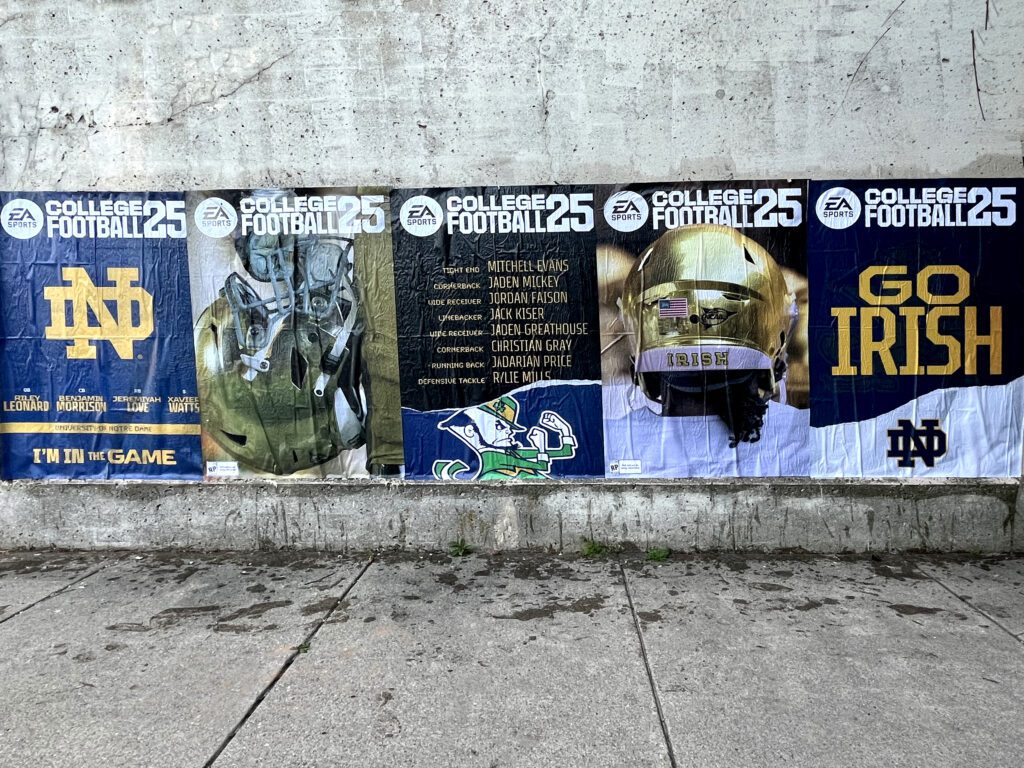
American Guerrilla Marketing has executed street-level campaigns for clients including Netflix, The Onion, EA Sports, Biossance, and Shepard Fairey. The company is a Best of Brooklyn award winner. We bring the execution standards and strategic thinking developed across a national portfolio of entertainment, sports, consumer, and cultural brand campaigns to every Detroit client we work with.
Our Detroit capability is not managed remotely. We use direct in-house crews with real market knowledge, built through repeated campaign experience in the city’s distinct districts. The accountability that comes from that direct crew structure — combined with GPS photo documentation of every placement — gives Detroit clients a verification standard that subcontracted regional operations structurally cannot match.
American Guerrilla Marketing offices: Brooklyn NY (646) 776-2770 · Miami FL (305) 792-4523 · Orlando FL (321) 261-0402 · Las Vegas NV (702) 996-1806 · Los Angeles CA (213) 328-4480
Eastern Market combines three elements that rarely coexist in a single posting environment: massive blank warehouse wall inventory, an audience of 40,000+ weekly visitors concentrated in a walkable district, and a cultural context — street art, murals, independent vendors — that makes wheat paste advertising feel completely native rather than intrusive. The visual scale of the warehouse walls is unmatched in Michigan, and the socioeconomic diversity of the Eastern Market audience means a campaign placed here reaches across demographic lines that few other Detroit locations bridge as effectively.
Corktown skews toward a younger, lifestyle-oriented creative professional and dining-out audience concentrated along Michigan Avenue and the surrounding blocks. Midtown has a broader institutional audience base — university students, faculty, arts institution visitors, medical professionals — spread across a larger walkable zone. For campaigns targeting creative professionals and food and beverage audiences, Corktown delivers high concentration. For campaigns needing cultural breadth and sustained daily pedestrian exposure, Midtown provides more consistent all-day traffic from a wider range of consumer profiles. Many Detroit campaigns benefit from including both districts.
Yes, and event timing is one of the strongest campaign strategies available in Detroit. The Ilitch District and Woodward corridor approach routes to LCA concentrate tens of thousands of event attendees in a defined geographic area on game and concert dates. Fly posting campaigns installed in those corridors in the days before a major event deliver their highest concentrated audience exposure during the event window itself. We can build Detroit campaigns around specific LCA event calendars to maximize impression volume during peak audience concentration periods.
Midtown has a mix of surface types. The area around Wayne State University includes older industrial and academic buildings with smooth concrete and CMU block exterior sides that hold wheat paste cleanly. The warehouse building remnants between Cass Avenue and Woodward offer the largest blank faces. Active development in Midtown generates rotating construction barrier surfaces with fresh plywood that provides excellent adhesion and clean visual results. Our crews assess current surface conditions across Midtown before every campaign to select the placements that will deliver the strongest run time and visual quality for that specific installation.
The automotive professional audience — engineers, designers, and technical workers who commute through Detroit — is most concentrated in the Warren, Sterling Heights, and Dearborn suburban ring rather than in the city’s creative districts. In Detroit proper, the automotive industry audience is best reached through the Woodward corridor vehicle traffic and New Center, where professional service businesses and corporate office tenants create a higher-income daytime professional population. Brands specifically targeting automotive professionals are often best served by pairing Detroit inner-district fly posting with suburban ring placements in Warren or Dearborn.
A 100-poster run at contact us for pricing is the entry point and can deliver meaningful neighborhood coverage in Detroit if the distribution is concentrated in one or two districts — Eastern Market plus Corktown, for example, or Midtown plus the Woodward corridor. Campaigns aiming to cover all four primary Detroit posting districts typically benefit from a 200-poster build at contact us for pricing which allows enough distribution density per district to achieve the repeat-exposure effect that drives brand awareness in street advertising.
Billboard advertising on Woodward Avenue or the I-75 corridor reaches a vehicle-traffic audience at speed. Fly posting reaches a pedestrian audience at a human scale — people who are standing still, walking, and actively engaging with their physical environment. The audience experiencing your brand message via a wheat paste poster in Eastern Market or Corktown is in a fundamentally different attentional state than someone glancing at a billboard from a moving vehicle. For brands targeting Detroit’s creative, entertainment, and arts communities, the pedestrian-scale engagement of fly posting delivers brand impact that billboards in the same geography cannot replicate.
Yes. Rush production on 24×36 posters is available on a 72-hour turnaround for quantities up to 500. If your campaign has a compressed timeline — a release date, an event, a news cycle — we can move from confirmed booking to Detroit installation significantly faster than the standard two-to-three-week lead time. Rush campaigns require creative assets to be finalized and approved before production begins, so early creative lock is the most important variable in compressing a Detroit campaign timeline.
Detroit’s fall and winter are significantly colder and wetter than most major American posting markets. Cold temperatures reduce wheat paste bonding strength on exposed surfaces, and freeze-thaw cycles can accelerate poster deterioration on surfaces with standing moisture. Our Detroit crews account for this by prioritizing sheltered or semi-enclosed surfaces — building sides with roof overhangs, recessed walls, covered entry approaches — during cold-weather campaigns. Surface temperature matters as much as air temperature; a sun-facing wall in November can post cleanly in conditions that would compromise a north-facing one. We do run successful Detroit campaigns year-round; seasonal conditions simply inform surface selection.
Detroit’s visual environment rewards bold, high-contrast creative. The city’s wall art tradition — large-scale murals, typographic work, graphic portraiture — sets a visual standard that wheat paste campaigns need to compete with for pedestrian attention. Creative that uses strong black-and-white contrast, oversized typography, or a single commanding visual element tends to perform better in Detroit’s busy visual landscape than designs with complex layering or fine detail that gets lost at street scale. Our team can consult on creative optimization for Detroit’s specific posting environment as part of campaign planning.
Yes, meaningfully so. Eastern Market’s weekend public market audience is socioeconomically broad — it draws residents from across Detroit and the suburbs, including family groups, food enthusiasts, professional shoppers, and neighborhood regulars who range widely in age, income, and cultural affiliation. Midtown’s weekday audience is more specifically concentrated among university students, academic and arts professionals, and the young-professional residents who have made the neighborhood their primary community. Both audiences have high value for different brand objectives; the Eastern Market weekend concentration is better for mass-awareness campaigns, while Midtown’s weekday audience is better for targeting culturally active, college-educated young professionals.